
BestProductsForMen.org participates in affiliate programs, which means we may earn a commission if you click on a link and make a purchase. This comes at no additional cost to you. We only recommend products we personally trust, use, or believe will provide value to our readers.
Our goal is to provide honest, helpful reviews and recommendations so you can make informed decisions.

- Mental health apps offer accessible support for millions with anxiety, depression, and stress management needs
- Headspace and Calm lead the market with evidence-based meditation and mindfulness exercises proven to reduce anxiety symptoms
- Privacy should be a top concern when choosing mental health apps – look for HIPAA compliance and transparent data policies
- The best apps incorporate established therapeutic approaches like CBT, DBT, and mindfulness techniques
- While digital tools provide valuable support, they work best as supplements to professional care for serious mental health conditions
Mental Health at Your Fingertips: What You Need to Know

With over 20,000 mental health apps available today, finding the right digital support tool can feel overwhelming. These applications have transformed how we approach mental wellbeing, offering accessible solutions for managing stress, anxiety, depression, and more. The U.S. market for these digital mental health tools is projected to reach nearly $500 million this year alone, reflecting their growing importance in our wellness routines.
Mental health professionals increasingly recommend quality apps as valuable supplements to traditional therapy. These digital tools provide continuous support between sessions, teach evidence-based coping skills, and offer real-time intervention during difficult moments. Many incorporate proven therapeutic approaches like Cognitive Behavioral Therapy (CBT), mindfulness techniques, and mood tracking capabilities that help users identify patterns and triggers.
Why Digital Mental Health Support Matters Now

The rising popularity of mental health applications addresses a critical gap in our healthcare system. With therapist shortages, long waiting lists, and high treatment costs, digital tools provide immediate access to mental health resources for millions who might otherwise go without support. This accessibility becomes especially vital during times of crisis when traditional services may be unavailable or difficult to access.
Mental health apps offer flexibility that traditional therapy cannot. They’re available 24/7, allowing users to engage with therapeutic content at their own pace and in private settings where they feel most comfortable. For those experiencing stigma around seeking mental health support, these apps provide a discreet entry point to begin addressing their concerns.
The data tracking capabilities of mental health apps also create opportunities for personalized care that wasn’t previously possible. By monitoring daily moods, sleep patterns, activity levels, and stressors, these applications help users identify connections between behaviors and emotional states. This insight empowers individuals to make targeted lifestyle changes that support their mental wellbeing, working alongside professional guidance when needed.
How to Choose the Right Mental Health App for You
The sheer number of mental health apps can make selection challenging, but focusing on a few key factors will help narrow your options. Start by clearly identifying your specific needs and goals. Are you looking for daily meditation guidance, tools to manage anxiety symptoms, mood tracking capabilities, or connection with professional therapists? Different apps excel in different areas, and matching the tool to your particular situation increases the likelihood of finding something truly helpful. If you’re interested in exploring new experiences to boost your confidence, consider checking out confidence through experiences as part of your mental health journey.
Match the App to Your Specific Needs

Mental health needs vary tremendously from person to person. Someone experiencing mild stress might benefit from simple meditation apps, while those managing diagnosed conditions require more comprehensive tools. Consider whether you need features like guided breathing exercises, sleep stories, cognitive restructuring activities, or community support. Many quality apps offer free trials, allowing you to experiment with different platforms before committing financially. For those interested in solo travel adventure destinations, certain apps might also offer features that cater to travelers seeking mental wellness on the go.
Look for apps that provide personalization options to tailor the experience to your specific situation. The most effective digital tools adapt to your progress, offering more advanced techniques as you master basic skills. Pay attention to user experience aspects like interface design, notification systems, and ease of use – even the most evidence-based app won’t help if it’s frustrating to navigate.
Check for Evidence-Based Approaches
Quality mental health apps incorporate therapeutic techniques with scientific backing. Look for applications that clearly state which evidence-based approaches they utilize, such as Cognitive Behavioral Therapy, Dialectical Behavior Therapy, Acceptance and Commitment Therapy, or mindfulness practices. The most credible apps have been developed with input from mental health professionals and undergo continuous refinement based on user outcomes and emerging research.
Research validation significantly distinguishes premium mental health apps from less effective alternatives. Some leading applications like Headspace and Calm have participated in multiple clinical studies demonstrating their efficacy for reducing anxiety symptoms and improving overall wellbeing. Check the app’s website for published research results or partnerships with academic institutions and healthcare providers that suggest scientific credibility.
Privacy Considerations: What Happens to Your Data

Mental health information is deeply personal, making privacy protections essential when choosing digital tools. Review the app’s privacy policy carefully before sharing sensitive data about your mental state, triggers, or behaviors. Look specifically for HIPAA compliance (the U.S. standard for health information protection) and transparent explanations of how your information will be used, stored, and potentially shared with third parties.
The best mental health apps implement strong encryption practices, allow anonymous usage options, and give users control over what data they share. Be particularly cautious with free applications that may generate revenue by selling user information to advertisers. Remember that even well-secured apps may be required to share information in response to legal demands, so understand these limitations before recording highly sensitive details.
Key Questions for Evaluating App Privacy
• Does the app clearly explain how your data will be used?
• Can you delete your data permanently if you stop using the service?
• Does the app share information with third parties for marketing purposes?
• What security measures protect your personal information?
• Is the app HIPAA-compliant or certified by privacy protection organizations?
Best Apps for Anxiety and Stress Management

The digital landscape offers several standout options specifically designed to address anxiety symptoms and stress management. These applications provide users with on-demand tools to navigate moments of overwhelm, practice preventative techniques, and develop long-term resilience. The most effective anxiety management apps combine multiple approaches, from guided breathing exercises to cognitive reframing techniques that challenge anxious thought patterns.
1. Headspace: Guided Meditation Made Simple
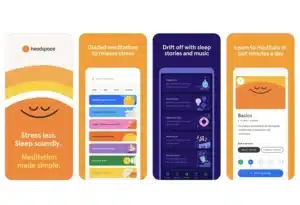
Headspace stands as one of the most thoroughly researched meditation applications available today, with multiple clinical studies confirming its effectiveness for reducing anxiety symptoms. The app’s approach centers on making meditation accessible through short, guided sessions specifically designed for beginners. Its structured learning path gradually introduces users to mindfulness concepts while building a sustainable daily practice.
What sets Headspace apart is its exceptional production quality and thoughtful organization. The app features themed meditation collections addressing specific concerns like performance anxiety, relationship stress, and workplace tension. Advanced users can progress to longer, less guided sessions, while those experiencing acute anxiety can access SOS exercises designed for immediate relief. While the monthly subscription fee may seem steep, many healthcare plans and employers now offer Headspace memberships as wellness benefits.
2. Calm: Sleep, Meditation, and Relaxation Tools
Calm has built its reputation on offering comprehensive relaxation tools that address the full spectrum of stress management needs. The app’s signature Sleep Stories – bedtime tales narrated by celebrities like Matthew McConaughey and Idris Elba – have revolutionized digital sleep support. Beyond these popular features, Calm provides guided meditations ranging from 3 to 30 minutes, addressing various anxiety triggers and stress-related concerns.
The app’s design emphasizes flexibility, allowing users to customize their experience based on immediate needs. Breathing exercises provide quick stress relief, while multi-day programs build long-term emotional regulation skills. Calm’s Daily Move feature introduces gentle movement practices that address the physical components of anxiety, recognizing the important mind-body connection in stress management. The app also includes ambient soundscapes ideal for creating peaceful environments at home or work.

3. Wysa: AI Coaching with CBT Techniques
Wysa takes an innovative approach by combining artificial intelligence with evidence-based therapeutic techniques. This app features an AI chatbot that delivers cognitive-behavioral interventions through conversational interactions. Users can engage with the bot at any time to work through anxious thoughts, practice grounding techniques, or complete guided exercises designed to interrupt anxiety spirals.
Beyond the AI component, Wysa offers structured self-help courses addressing specific anxiety conditions, from social anxiety to panic attacks. The app’s anonymous design creates a judgment-free space where users can explore difficult emotions without fear. For those needing human support, Wysa offers optional connections to trained coaches (though these premium services require additional payment). The base version provides impressive functionality at no cost, making it accessible to users regardless of financial situation.
Top Apps for Depression and Mood Tracking

Digital tools for depression management often emphasize consistent mood monitoring, behavioral activation, and thought restructuring techniques. These applications help users identify patterns in their emotional states, recognize early warning signs of declining mental health, and implement proactive interventions. While not substitutes for professional treatment in cases of clinical depression, these apps provide valuable supplementary support and between-session reinforcement of therapeutic concepts.
1. Moodfit: Personalized Tools for Mental Fitness
Moodfit approaches depression management through the lens of “mental fitness,” offering customizable tools that users can adapt to their specific needs. The app’s comprehensive mood tracking system allows detailed documentation of emotional states, sleep quality, medication adherence, and various lifestyle factors. This data visualization helps users identify connections between daily habits and mood fluctuations, empowering more informed self-care decisions.
Beyond tracking capabilities, Moodfit provides structured cognitive behavioral therapy exercises designed to challenge negative thought patterns. The app includes guided meditation sessions, breathing exercises, and gratitude practices – all evidence-based techniques for improving mood. Moodfit’s thoughtful design includes gentle reminders and encouragement without creating the pressure that can sometimes accompany mental health applications.
2. Sanvello: Community Support and Coaching
Sanvello distinguishes itself through its comprehensive approach to depression management, combining clinical techniques with peer support. The app offers cognitive behavioral therapy tools, guided journeys, and mood tracking within an interface designed to feel supportive rather than clinical. Users can complete daily check-ins that help identify patterns and triggers affecting their emotional wellbeing.
What truly sets Sanvello apart is its moderated community feature, connecting users with others experiencing similar challenges. These peer connections reduce isolation while providing encouragement and practical suggestions. The community aspect is carefully structured to maintain a positive, recovery-oriented environment where members support each other’s progress.
- Daily mood tracking with customizable factors
- Guided cognitive behavioral therapy exercises
- Moderated peer support communities
- Optional coaching from trained mental health professionals
- Integration with health insurance for premium features
Many major health insurance providers now cover Sanvello premium features, making its professional coaching and advanced content accessible without additional cost to eligible members. This integration with healthcare systems represents an important advancement in digital mental health support.

3. MoodMission: Evidence-Based Mood Improvement
MoodMission takes a problem-solving approach to depression and anxiety management by offering specific “missions” tailored to the user’s current emotional state. When feeling low or anxious, users report their condition, and the app suggests five personalized activities ranging from brief physical exercises to thought-challenging techniques. As missions are completed, the app learns which interventions work best for the individual, creating an increasingly personalized experience over time.
Apps That Connect You With Professional Help
While self-guided tools offer valuable support, some situations require direct professional intervention. A growing category of mental health apps focuses on connecting users with licensed therapists, psychiatrists, and coaches through secure platforms. These services bridge the gap between completely self-directed apps and traditional in-person therapy, offering flexibility while maintaining professional standards of care.

Teletherapy Platforms
BetterHelp and Talkspace lead the teletherapy market, offering text-based communication and video sessions with licensed mental health professionals. These platforms conduct initial assessments to match users with appropriate providers based on specialties, approach, and personal preferences. Many accept insurance or offer sliding scale payments, making professional support more financially accessible than traditional therapy models.
The convenience factor significantly distinguishes these platforms from traditional therapy arrangements. Users can message their therapists throughout the week rather than limiting communication to scheduled sessions. This continuous availability provides support during challenging moments when interventions are most effective. Many therapists also offer flexible scheduling for video sessions, accommodating work schedules or caregiving responsibilities that might otherwise prevent access to mental health care.
Crisis Resources at Your Fingertips
For moments of acute distress, several apps provide immediate crisis intervention. The MY3 app helps users create personalized safety plans, identifying warning signs, coping strategies, and emergency contacts for suicidal thoughts or severe emotional distress. Similarly, the notOK app features a digital “panic button” that alerts designated contacts when the user needs immediate support, sharing location information to facilitate rapid response.
These crisis-oriented applications work best when configured during periods of relative stability, creating safety nets before they’re urgently needed. Many integrate directly with national crisis resources like the 988 Suicide & Crisis Lifeline, providing one-touch access to trained crisis counselors available 24/7. While not replacements for emergency services in life-threatening situations, these tools create crucial bridges to appropriate care during emotional emergencies.
Specialized Mental Health Tools
Beyond general mental wellness applications, the digital marketplace includes highly specialized tools addressing specific aspects of psychological health. These targeted applications often provide deeper functionality in their particular domains, making them valuable complements to more comprehensive platforms. Users frequently combine several specialized apps to create personalized mental health toolkits tailored to their unique needs.
Meditation and Mindfulness
Insight Timer offers the largest free library of guided meditations available, with over 130,000 options ranging from brief breathing exercises to extended spiritual practices. Unlike subscription-based alternatives, Insight Timer provides extensive content without payment requirements, though premium features are available for enhanced functionality. The app’s community elements connect users with others practicing simultaneously worldwide, creating a sense of shared experience even in solo meditation. For more mental wellness tools, explore this list of mental wellness apps.
Ten Percent Happier takes a more structured approach to mindfulness, designed specifically for skeptics and beginners who might find traditional meditation challenging. Founded by news anchor Dan Harris after his on-air panic attack, the app emphasizes practical benefits rather than spiritual aspects of meditation. Its science-based approach and conversational tone make mindfulness accessible to those who might otherwise dismiss the practice as incompatible with their lifestyle or worldview.
Sleep Improvement Apps
Sleep Cycle uses smartphone sensors to monitor sleep patterns and identify optimal wake times based on natural circadian rhythms. By tracking movement during sleep, the app generates detailed reports on sleep quality, duration, and consistency. Its smart alarm feature wakes users during lighter sleep phases, reducing morning grogginess and improving daytime energy levels. The connection between sleep quality and mental health is well-established, making these tools valuable components of comprehensive wellness strategies.
For those struggling with racing thoughts at bedtime, Pzizz creates personalized “dreamscapes” combining music, narration, and sound effects scientifically designed to promote sleep. The app uses algorithmic sound sequences that change nightly to prevent habituation, keeping the approach effective over time. Users can customize sound combinations and durations to address specific sleep challenges, from difficulty falling asleep to midnight waking patterns. For more options, check out this list of free mental health apps that can aid in improving sleep and overall wellness.
Medication Management: Medisafe
For individuals using psychiatric medications, consistent adherence significantly impacts treatment effectiveness. Medisafe provides personalized medication reminders, tracking systems, and refill alerts to support proper medication management. The app includes drug interaction warnings and side effect monitoring tools, helping users communicate accurately with healthcare providers about their medication experiences.
Beyond simple reminders, Medisafe connects medication timing with symptom tracking, allowing users to recognize relationships between medication adherence and mental health outcomes. This data visualization helps users and their providers make informed decisions about treatment adjustments. The app also includes family sharing options, enabling trusted supporters to assist with medication management when needed.
Exercise for Mental Health: Strava
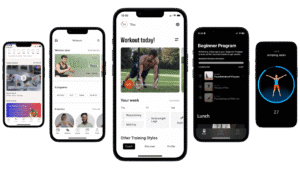
Physical activity profoundly impacts mental wellbeing, with regular exercise showing effectiveness comparable to medication for mild to moderate depression. Strava transforms exercise from obligation to social experience by connecting users with community challenges, group activities, and performance tracking. The app’s emphasis on personal improvement rather than competition creates positive reinforcement that supports continued engagement. For those interested in exploring more, check out these best micro workouts for busy men to enhance your exercise routine.
While not explicitly designed as a mental health tool, Strava’s route planning features, achievement celebrations, and community support make it valuable for maintaining exercise consistency. Many users report that the app’s social components provide accountability and motivation during periods when depression might otherwise prevent physical activity. This indirect approach to mental wellness complements more explicit therapeutic interventions.
Free Mental Health Apps That Actually Work
Financial constraints shouldn’t prevent access to quality mental health resources. Several evidence-based applications offer substantial functionality without payment requirements. While free apps may include optional premium features, their core tools provide genuine support accessible to users regardless of economic situation.
1. DBT Coach: Skills for Emotional Regulation
DBT Coach brings Dialectical Behavior Therapy techniques – typically available only through specialized therapy programs – to users without cost. The app teaches core DBT skills like distress tolerance, mindfulness, interpersonal effectiveness, and emotional regulation through interactive exercises and situation-based learning. These evidence-based techniques have demonstrated effectiveness for emotional volatility, impulsive behaviors, and interpersonal challenges.
The app’s crisis management tools help users navigate overwhelming emotional states using structured interventions rather than destructive coping mechanisms. Built-in tracking systems monitor skill usage and emotional patterns, helping users identify which techniques work best for their specific situations. While not a replacement for comprehensive DBT therapy programs, the app provides valuable skills that benefit users across the mental health spectrum.
2. Calm Harm: Managing Self-Harm Urges
Developed by clinical psychologists specializing in self-harm behaviors, Calm Harm offers immediate intervention strategies when urges arise. The app employs evidence-based distraction techniques, comfort strategies, expression activities, and release methods to help users safely navigate intense emotional states without resorting to self-injury. Its private, password-protected design ensures confidentiality while addressing these sensitive concerns.
What makes Calm Harm particularly effective is its focus on understanding the underlying functions of self-harm behaviors. The app helps users identify whether their urges stem from distraction, expression, control, or punishment needs, then offers alternative strategies that address the specific emotional function more constructively. This targeted approach acknowledges the coping role self-harm serves while building healthier alternatives.
3. MeeToo: Peer Support for Teens
MeeToo provides moderated peer support specifically designed for young people navigating mental health challenges. The app creates safe spaces where teens can anonymously discuss difficult emotions, life situations, and coping strategies with others who understand their experiences. All content undergoes review by trained moderators before posting, ensuring the environment remains supportive and appropriate.
The app’s age-appropriate design addresses common adolescent concerns like academic pressure, identity questions, family conflicts, and friendship challenges. Research indicates peer support models hold particular effectiveness for teens, who often prioritize peer perspectives over adult guidance. MeeToo balances this peer orientation with professional oversight to create developmentally appropriate support.
Educational components within MeeToo help young users develop emotional literacy and healthy coping mechanisms during this crucial developmental stage. The app includes crisis resources and escalation protocols for situations requiring professional intervention, creating safety nets while empowering peer-based resilience building.
- Anonymous posting with moderator review
- Age-appropriate discussion topics
- Professional oversight of all interactions
- Educational content on emotional wellbeing
- Crisis resources and referral pathways
How to Make Mental Health Apps Part of Your Daily Routine

Even the most sophisticated mental health applications only provide benefit when consistently used. Successful integration requires thoughtful implementation strategies that align with existing routines and personal preferences. Rather than attempting dramatic lifestyle changes, consider starting with small, sustainable habits that gradually expand as the value becomes apparent.
Setting Realistic Expectations
Mental health apps work best when approached with appropriate expectations regarding their capabilities and limitations. Digital tools typically show gradual rather than immediate effects, with benefits accumulating through consistent practice rather than dramatic breakthroughs. Most research indicates meaningful improvements emerge after several weeks of regular engagement, with deeper changes developing over months of practice.
Creating Healthy Digital Habits
Effective implementation often involves connecting app usage with existing daily anchors like morning routines, commute time, or evening wind-down practices. Many users find success by establishing specific locations and times for mental health practice, creating environmental cues that support consistent engagement. Notification settings should balance helpful reminders with respect for attention boundaries – excessive alerts often lead to app abandonment rather than increased use.
When Apps Aren’t Enough: Recognizing the Limits

While digital mental health tools offer valuable support, they cannot replace professional treatment for serious mental health conditions. Apps work best as supplements to appropriate clinical care for conditions like major depression, bipolar disorder, post-traumatic stress disorder, and other diagnosable mental health concerns. Users should approach these tools as components of comprehensive care rather than standalone solutions.
Warning signs indicating the need for professional intervention include persistent low mood, thoughts of self-harm or suicide, significant functional impairment, or symptoms that worsen despite consistent app use. Most quality mental health applications include crisis resources and professional referral information for situations exceeding their scope. Recognizing these boundaries represents responsible self-care rather than personal failure.
Frequently Asked Questions
As mental health apps continue gaining popularity, users naturally have questions about their effectiveness, security, and proper implementation. Understanding these common concerns helps individuals make informed choices about incorporating digital tools into their wellness strategies.
The following questions address the most frequent inquiries regarding mental health applications, with evidence-based answers reflecting current research and best practices in digital mental health support.
Are mental health apps as effective as seeing a therapist?
Mental health apps serve different purposes than traditional therapy and shouldn’t be viewed as direct replacements. Research indicates apps work best as supplements to professional care or as early interventions for mild to moderate concerns. While some studies show digital tools can produce meaningful improvement for specific conditions like anxiety, they typically don’t match the effectiveness of personalized therapeutic relationships for complex or severe mental health issues.
How much do the best mental health apps cost?
Premium mental health applications typically range from $5 to $20 monthly, with annual subscriptions offering significant discounts. Many provide free basic versions with optional premium upgrades. Teletherapy platforms connecting users with licensed professionals cost more, usually $65-$300 weekly depending on service level. Increasingly, health insurance plans and employee assistance programs cover select mental health applications, making them available without direct cost to eligible individuals.
Can I trust these apps with my personal information?
Privacy protections vary significantly across mental health applications. Look for HIPAA-compliant platforms, transparent privacy policies, and explicit information about data storage, sharing practices, and encryption methods. Some apps allow anonymous usage without requiring personal identification, offering additional privacy protection for sensitive concerns.
Be particularly cautious with free applications that may generate revenue through data sharing rather than subscription fees. Review permission requests carefully, granting only those necessary for core functionality. Remember that even well-secured apps may face data breaches or legal requirements to share information under certain circumstances – consider this limitation when deciding what information to document within digital platforms.
How long should I use a mental health app before seeing results?
Research suggests most users experience noticeable benefits after 2-4 weeks of consistent engagement with quality mental health applications. More significant improvements typically develop over 8-12 weeks of regular practice. The timeline varies depending on the specific mental health concern, app quality, usage consistency, and whether the digital tool complements other interventions like building confidence through therapy or medication.
Can mental health apps help with serious conditions like bipolar disorder or schizophrenia?
For serious mental health conditions, apps work best as adjuncts to comprehensive professional treatment rather than standalone interventions. Quality applications can support medication adherence, symptom monitoring, therapeutic skill practice between sessions, and crisis planning. However, these tools should be integrated into treatment plans developed with qualified mental health professionals who can provide appropriate oversight and adjustments based on individual needs.
Research specifically examining digital interventions for serious mental illness shows promising results when apps are designed for these populations and used alongside appropriate clinical care. Look for applications developed with input from specialists in your specific condition and discuss digital tool integration with your treatment providers.
Mental health apps represent a significant advancement in accessibility and continuous support for psychological wellbeing. When thoughtfully selected and consistently used, these digital tools can meaningfully contribute to emotional resilience, symptom management, and overall mental wellness. Understanding both their capabilities and limitations allows users to incorporate these resources effectively into comprehensive mental health strategies tailored to their unique needs. For more insights on building confidence and mental resilience, consider exploring building Peter Parker confidence.
Traveling solo can be an incredibly rewarding experience, offering a unique opportunity for self-discovery and personal growth. Whether you’re exploring bustling cities or serene landscapes, the journey allows you to step out of your comfort zone and embrace new challenges. For those seeking the best destinations for solo adventures, there are numerous options to consider. From the vibrant streets of Tokyo to the tranquil beaches of Bali, each location offers its own set of experiences. If you’re looking for inspiration on where to go next, check out these best solo travel adventure destinations for an unforgettable journey.

BestProductsForMen.org participates in affiliate programs, which means we may earn a commission if you click on a link and make a purchase. This comes at no additional cost to you. We only recommend products we personally trust, use, or believe will provide value to our readers.
Our goal is to provide honest, helpful reviews and recommendations so you can make informed decisions.
Leave a Reply to Smart Compact Rowing Machines for Home Tech Setups Cancel reply