
BestProductsForMen.org participates in affiliate programs, which means we may earn a commission if you click on a link and make a purchase. This comes at no additional cost to you. We only recommend products we personally trust, use, or believe will provide value to our readers.
Our goal is to provide honest, helpful reviews and recommendations so you can make informed decisions.
Article-At-A-Glance: Paraben-Free Beard Care During Allergy Season
Using a paraben free beard softener during allergy season helps reduce irritation while keeping facial hair soft and healthy.
- Your beard acts like a pollen trap — allergens collect in facial hair throughout the day, making skin irritation significantly worse during spring months.
- Parabens can amplify allergy-related skin reactions — switching to a paraben-free beard softener reduces the chemical load on already-stressed skin.
- Not all natural beard products are automatically paraben-free — knowing which ingredients to look for (and avoid) is the key difference most men miss.
- Argan oil, aloe vera, and jojoba oil are among the most effective paraben-free ingredients for soothing beard itch and protecting the skin barrier during allergy season.
- There is a specific daily routine built around paraben-free beard softeners that can drastically cut down on seasonal beard discomfort — and most men are skipping a critical step.
Allergy season doesn’t just affect your sinuses — it quietly wrecks your beard care routine too.
If your beard has been itchier than usual, your skin feels raw, or your regular beard products just aren’t cutting it anymore, the season might be working against you. What many men don’t realize is that the very products they rely on to manage beard discomfort could be making things worse. Parabens, synthetic preservatives found in a huge range of grooming products, can compound skin sensitivity when your immune system is already in overdrive. This guide breaks down exactly what to use, what to avoid, and how to build a beard care routine that holds up even when pollen counts are at their peak. For men who want clean, effective grooming solutions, paraben-free beard softeners are quickly becoming the go-to choice for allergy season relief.
Your Beard Is Trapping Allergens Right Now
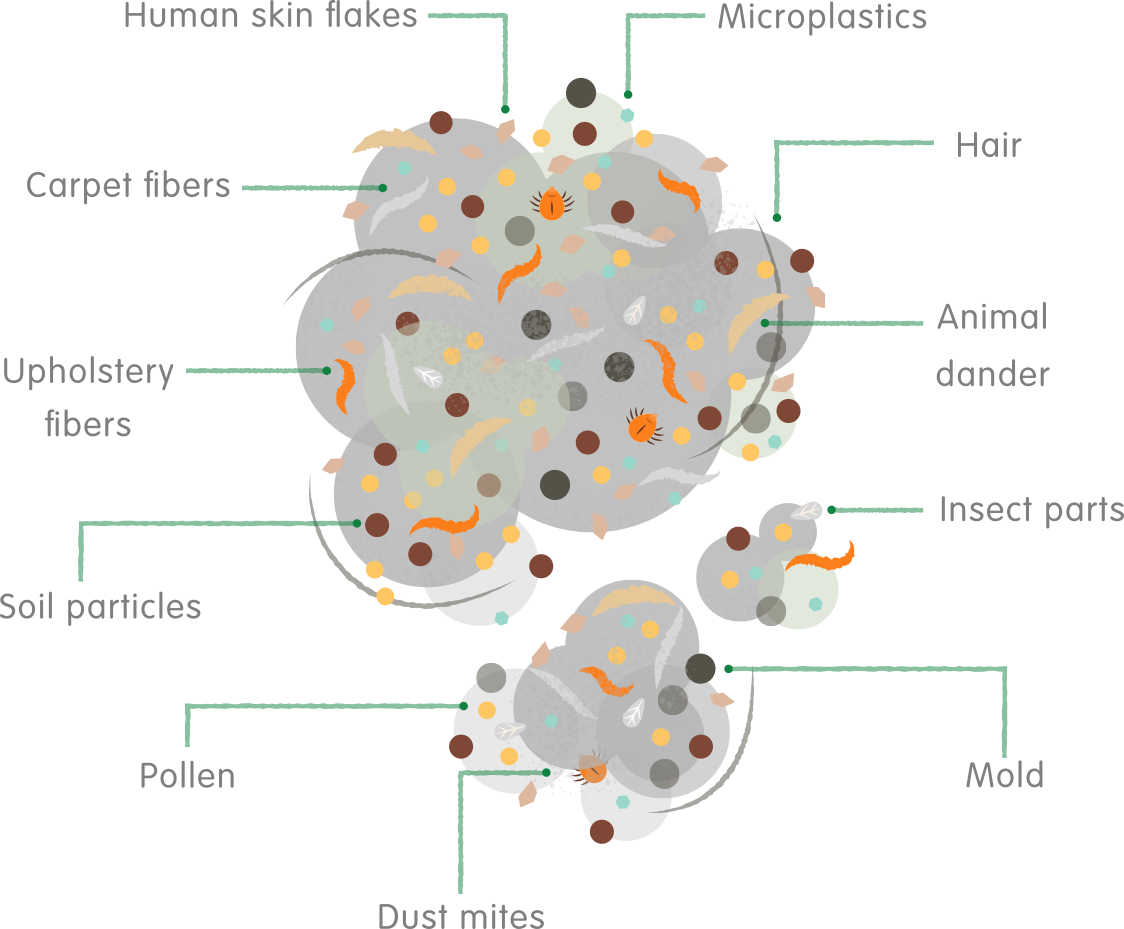
Facial hair is essentially a fiber filter sitting directly in front of your face. Every time you step outside, your beard is catching airborne particles — pollen, dust, mold spores, and pet dander — before they reach your nose. That might sound like a good thing, but those particles don’t just disappear. They sit in your beard, pressed against your skin, for hours at a time.
The longer your beard, the more surface area it has to collect allergens. This is why men with longer beards often report more intense under-beard irritation during spring and fall allergy seasons compared to men with shorter facial hair. To help manage this irritation, some men have turned to aromatherapy kits as a natural remedy.
How Pollen and Dust Collect in Facial Hair
“Dust Allergy? | ZYRTEC …” from www.zyrtec.com
Beard hair has a naturally textured, slightly rough surface at the microscopic level. Pollen grains and dust particles cling to these microscopic ridges and don’t release easily, even with light rinsing. Wind exposure, outdoor activity, and even just commuting make constant allergen accumulation unavoidable during peak season. Without a proper cleansing routine, these particles build up layer by layer against your skin throughout the entire day.
Why Sensitive Skin Gets Worse in Spring
Spring triggers a chain reaction in the body. Elevated histamine levels caused by pollen exposure cause blood vessels near the skin’s surface to dilate, which leads to redness, warmth, and increased sensitivity. Skin that’s already in this reactive state is far more vulnerable to irritation from external factors — including the chemicals in your grooming products.
- Histamine response increases skin permeability, making it easier for irritants to penetrate
- Dry spring winds strip the skin’s natural moisture barrier
- Increased sweating from warmer temperatures mixes with trapped allergens against the skin
- Scratching from itch introduces bacteria into already-irritated follicles
- Existing skin conditions like eczema or seborrheic dermatitis flare more frequently
When you layer a paraben-containing beard product on top of skin that’s already in a heightened reactive state, you’re essentially adding fuel to the fire. The skin doesn’t need more chemical exposure — it needs support, such as using aromatherapy kits for men to help soothe and calm irritation.
What Parabens Actually Do to Irritated Skin
Parabens — including methylparaben, ethylparaben, propylparaben, and butylparaben — are synthetic preservatives used to extend the shelf life of grooming products. They’re inexpensive, effective at preventing mold and bacterial growth, and have been a staple of the cosmetics industry for decades. The problem isn’t what they do to the product. It’s what they can do to your skin.
Research published by dermatology organizations has noted that parabens can be absorbed through the skin, and for individuals with sensitive or compromised skin barriers, this absorption rate increases. During allergy season, when the skin barrier is already weakened by histamine response and environmental stress, the skin becomes significantly more permeable — meaning more of what you apply actually gets in. For those interested in understanding how seasonal changes affect mental health, consider reading about seasonal affective disorder in introverted men.
Why Parabens Worsen Allergy Season Reactions
Parabens are known contact allergens for a subset of the population. Even men who have used paraben-containing products without issue for years can find themselves suddenly reactive during allergy season, precisely because their skin barrier is compromised. The immune system is already on high alert, and introducing a chemical irritant at that moment lowers the threshold for a reaction. Symptoms can range from mild redness and itching to contact dermatitis with visible inflammation around the jaw and neck where beard products typically concentrate. For those interested in alternative therapies, exploring aromatherapy kits for men might offer a soothing solution.
Natural Preservative Alternatives Found in Paraben-Free Products
Quality paraben-free beard softeners use preservation systems derived from natural sources. Vitamin E (tocopherol) acts as both an antioxidant and a natural preservative. Rosemary extract inhibits oxidation without synthetic chemicals. Grapefruit seed extract provides antimicrobial protection. Some formulas use fermented ingredients like radish root ferment filtrate (Leuconostoc), which offers broad-spectrum preservation with an excellent skin safety profile. These alternatives don’t just protect the formula — they actively contribute to skin and beard health.
Best Paraben-Free Ingredients for Allergy Season Beard Care
“Indus Valley Hypo Allergic Beard Colour …” from www.buyindusvalley.in
Choosing a paraben-free beard softener isn’t just about what a product doesn’t contain. The ingredients it does contain need to actively work for your beard and your skin during a period of elevated stress. The best paraben-free formulas combine deep conditioning agents for the beard hair itself with anti-inflammatory and barrier-supporting compounds for the skin underneath.
Here’s what to prioritize when reading labels during allergy season. It’s also beneficial to consider ashwagandha benefits for managing stress during this time.
1. Argan Oil for Deep Beard Hydration
Argan oil is cold-pressed from the kernels of the Moroccan argan tree and contains a high concentration of oleic acid, linoleic acid, and tocopherols (Vitamin E). This fatty acid profile makes it exceptionally effective at penetrating the hair shaft rather than just coating the surface. For coarse beard hair that’s been dried out by spring winds and frequent washing to remove pollen, argan oil restores flexibility and softness at the structural level.
What makes argan oil particularly valuable during allergy season is its mild anti-inflammatory effect on the skin beneath the beard. The tocopherol content helps neutralize free radicals generated by environmental exposure, which is exactly what accumulates when you’re walking through high-pollen environments daily.
Ingredient Check: On a product label, argan oil appears as Argania Spinosa Kernel Oil. If it’s listed in the first five ingredients, the concentration is meaningful enough to provide real conditioning benefit. If it’s near the bottom of a 20-ingredient list, it’s mostly a marketing claim.
2. Aloe Vera for Under-Beard Skin Soothing
Aloe vera’s reputation in skincare is well-earned. Its active compounds — including acemannan, aloin, and a cocktail of vitamins C and E — work together to reduce redness, calm histamine-triggered inflammation, and deliver a fast hit of hydration to dry, reactive skin. For men dealing with the dual assault of environmental allergens and skin sensitivity, aloe vera provides immediate relief without any heaviness or residue in the beard. Discover more about the benefits of aromatherapy for soothing skin.
3. Jojoba Oil as a Skin Barrier Against Allergens
Jojoba oil is technically a liquid wax, not an oil, which is what makes it so uniquely effective as a skin barrier ingredient. Its molecular structure closely mirrors the skin’s own sebum, meaning it absorbs without clogging pores or leaving a greasy film on the beard. This compatibility allows it to integrate into the skin’s existing lipid barrier and reinforce it rather than just sitting on top.
During allergy season, a compromised skin barrier is the root cause of most under-beard irritation. When the lipid layer is intact, allergens and environmental irritants have a much harder time penetrating to the nerve endings and immune cells beneath. Jojoba effectively helps seal those microscopic gaps in the barrier that form when skin is dry, stressed, or over-washed.
On product labels, look for Simmondsia Chinensis Seed Oil. Because jojoba is naturally resistant to oxidation, it also functions as a mild preservative in paraben-free formulas, extending product stability without synthetic chemicals. This dual function — barrier support plus natural preservation — makes it one of the most valuable ingredients in a clean beard softener formula.
4. Tea Tree Oil for Beard Itch and Flaking
Tea tree oil (listed as Melaleuca Alternifolia Leaf Oil on labels) is one of the most clinically studied antimicrobial plant oils available. In beard care, it targets the specific organisms responsible for beard dandruff and folliculitis — conditions that flare dramatically during allergy season when the skin barrier is weakened and sweat mixes with trapped allergens. A concentration of 1–5% is sufficient for meaningful antimicrobial benefit without causing the dryness that higher concentrations can produce. If your beard itch intensifies in spring and you notice white flakes along the jaw or neck, tea tree oil in your softener formula is a targeted solution rather than just a general skin soother.
5. Shea Butter for Sealing in Moisture
Raw shea butter is extracted from the nut of the African karite tree and is rich in stearic acid, oleic acid, and triterpene alcohols — compounds that provide both deep moisturization and documented anti-inflammatory activity. In a paraben-free beard softener, shea butter acts as the final seal, locking in the hydration delivered by lighter carrier oils and preventing moisture evaporation throughout the day. For men dealing with dry, brittle beard hair during windy spring conditions, the emollient weight of shea butter provides a noticeable softening effect within the first few applications.
Daily Paraben-Free Beard Care Routine for Allergy Season
“Daily Beard Maintenance Checklist …” from detroitgrooming.com and used with no modifications.
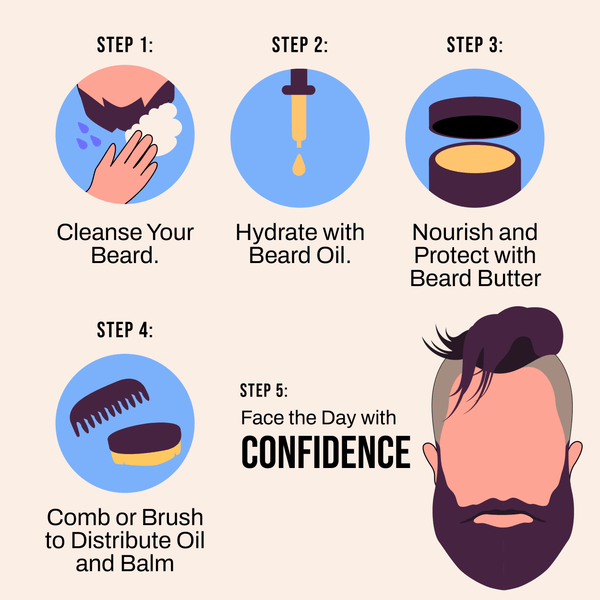
A good paraben-free beard softener is only as effective as the routine built around it. During allergy season, timing and technique matter more than most men realize. The goal isn’t just to condition the beard — it’s to remove allergen buildup, restore the skin barrier, and maintain hydration in an environment that’s actively working against you.
Morning Routine: Washing Out Overnight Allergen Buildup
Even if you showered before bed, overnight pillow contact transfers allergens back into your beard by morning. Start with a gentle paraben-free beard wash — not a regular shampoo, which strips the acid mantle and leaves the skin unprotected. Warm water opens the hair cuticle for better cleansing; finish with a brief cool rinse to close it back down and reduce inflammation. Pat the beard dry rather than rubbing, which causes friction damage to already-stressed hair and further irritates reactive skin underneath. Apply your paraben-free beard softener while the beard is still slightly damp for maximum absorption. For additional relaxation, consider using aromatherapy kits for men to enhance your morning routine.
Post-Shower Application of Paraben-Free Beard Softener
The window immediately after showering — within two to three minutes — is when the hair shaft is most receptive to conditioning ingredients. Work a small amount of paraben-free beard softener between your palms first to activate the oils, then apply from skin to tip using a downward combing motion with your fingers. This ensures the product reaches the under-beard skin rather than just coating the outer layer of beard hair, which is where allergy-season irritation actually originates. Follow up with a wide-tooth beard comb to distribute the product evenly and detangle without breakage.
Nighttime Routine to Reset Skin Barrier
Your nighttime beard routine during allergy season serves a specific purpose: removing the full day’s allergen accumulation and giving your skin barrier the overnight window it needs to repair. Wash the beard again with a mild paraben-free cleanser, then apply a slightly more generous amount of beard softener than you would in the morning. Night application allows the conditioning ingredients to work uninterrupted by wind, UV exposure, or additional allergen contact.
Consider adding a few drops of pure jojoba oil to your nighttime application for extra barrier reinforcement. While you sleep, the skin enters its natural repair cycle — skin cell turnover peaks between 11 PM and 4 AM — and having a well-conditioned, protected environment for that process makes a measurable difference in how your skin feels by morning. This single addition to a nighttime routine consistently delivers faster improvement for men dealing with persistent allergy-season beard irritation.
Paraben-Free Beard Softener vs. Beard Oil: Which One Wins in Allergy Season
This is a common debate in beard care, but during allergy season the answer is clear. Beard oil is lightweight, absorbs quickly, and works best for maintaining hydration on days when pollen counts are moderate and your skin barrier is relatively intact. Paraben-free beard softener, on the other hand, provides a heavier conditioning treatment that coats and protects both the hair shaft and the under-beard skin with a layer of emollient ingredients that beard oil simply can’t match in terms of staying power. Think of beard oil as daily maintenance and paraben-free beard softener as your allergy season armor. The ideal approach during peak pollen months is to use both: beard softener post-shower as your primary treatment and a light paraben-free beard oil mid-day to refresh hydration without requiring a full wash.
Signs Your Current Beard Product Is Making Allergies Worse
Most men blame seasonal allergies entirely for their beard discomfort without ever questioning whether their grooming products are adding to the problem. The reality is that parabens and other synthetic additives in conventional beard products can produce symptoms that are nearly identical to allergy-related skin irritation — which makes them very easy to overlook as a contributing factor.
Watch for these specific warning signs that your current product is working against you during allergy season: if you notice increased irritation or discomfort, it might be time to explore alternatives such as aromatherapy kits for men to help alleviate symptoms.
- Itch that gets worse within 30 minutes of applying your beard product, not better
- Redness concentrated along the jawline and upper neck where product typically pools
- Increased flaking despite applying conditioner regularly — a sign of barrier disruption
- A burning or tingling sensation that wasn’t present during winter months
- Breakout or small bumps along the beard line that appear after product application
- Symptoms that improve on days you skip your beard product entirely
Persistent Beard Itch Despite Regular Grooming
If you’re washing and conditioning your beard consistently but the itch won’t quit during spring months, the problem almost certainly isn’t your technique — it’s your formula. Persistent itch despite a regular grooming routine is one of the clearest signals that a product ingredient is actively irritating the skin. Parabens, synthetic fragrance compounds, and sulfate-based cleansers are the most common culprits, and they’re found in the majority of conventional beard softeners on the market. Switching to a genuinely paraben-free formula with clean, traceable ingredients is often the only change needed to break the cycle.
Red or Flaky Skin Beneath the Beard
Redness beneath the beard that doesn’t resolve with moisturizing is a sign of active inflammation, not simple dryness. When synthetic preservatives like parabens penetrate an already-compromised skin barrier — which is exactly what happens during allergy season — they can trigger a localized inflammatory response that presents as persistent redness, warmth, and in more pronounced cases, visible swelling along the jawline. This is contact dermatitis, and it’s more common in bearded men during spring and fall than most dermatologists flag.
Flaking is a separate but related issue. When the skin barrier is disrupted, the natural desquamation process — the shedding of dead skin cells — accelerates and becomes visible as beard dandruff. The critical distinction between dryness-related flaking and product-triggered flaking is location and timing. If the flaking is concentrated directly where your beard softener or balm makes the most contact, and it appeared or worsened after introducing a new product, the formula is the issue. Moving to a paraben-free beard softener with barrier-reinforcing ingredients like shea butter and jojoba oil typically resolves product-triggered flaking within two to three weeks of consistent use.
Switch to Paraben-Free Beard Care Before Allergy Season Peaks
The smartest move is to transition your beard care routine before allergy season reaches its worst point, not after your skin is already in crisis mode. Skin barrier recovery takes time — typically two to four weeks of consistent use of clean, supportive ingredients before you’ll see the full benefit of switching to a paraben-free formula. If you wait until pollen counts are at their peak and your skin is already reactive, you’re starting the recovery process at a disadvantage. Begin incorporating a paraben-free beard softener into your daily routine in late winter, so your skin barrier is reinforced and your beard is well-conditioned before the first major pollen surge of the year. That preparation window is the difference between managing allergy season comfortably and spending three months fighting constant irritation.
Frequently Asked Questions
Here are the most common questions men have about paraben-free beard softeners and allergy season beard care, answered directly.
Can beard softener reduce allergy-related beard itch?
Yes — but only if it’s the right formula. A paraben-free beard softener containing anti-inflammatory ingredients like aloe vera, argan oil, and shea butter can significantly reduce itch caused by allergen accumulation and compromised skin barrier function. The softener works by conditioning the beard hair to reduce friction against sensitive skin, while the skin-supporting ingredients help calm the underlying inflammatory response. Conventional beard softeners with parabens or synthetic fragrance can actually worsen itch in sensitive or allergy-prone individuals, so the formula choice is critical. For those interested in natural solutions, exploring ashwagandha benefits for stress might also provide relief.
Are all natural beard products paraben-free?
No, and this is an important distinction. The terms “natural” and “paraben-free” are not interchangeable. A product can use predominantly natural ingredients and still include parabens as a preservative system, because parabens are inexpensive and effective. The only reliable way to confirm a product is paraben-free is to read the full ingredient list and confirm the absence of methylparaben, ethylparaben, propylparaben, butylparaben, and isobutylparaben. Products that carry verified clean beauty certifications from organizations like the Environmental Working Group (EWG) or COSMOS Organic provide an additional layer of assurance.
How often should I wash my beard during allergy season?
During peak allergy season, washing your beard twice daily — once in the morning and once before bed — is appropriate for men who spend significant time outdoors. Each washing removes the pollen and allergen accumulation from the previous hours of exposure. Use a gentle, sulfate-free paraben-free beard wash rather than a regular shampoo, which is too harsh for daily double use and will strip the skin’s acid mantle. Always follow each wash with a paraben-free beard softener to restore the moisture that the cleansing process removes. Men who work indoors the majority of the day may find that a single daily wash is sufficient, with a midday rinse using plain warm water on high-pollen days.
Can parabens in beard products trigger allergic reactions?
Yes, parabens are classified as contact allergens and are documented triggers for allergic contact dermatitis in sensitive individuals. The reaction typically presents as redness, itching, and sometimes small fluid-filled bumps in the area where the product was applied. What makes this particularly relevant during allergy season is that the threshold for a paraben reaction is lower when the skin barrier is already compromised by seasonal immune activity. Men who have used paraben-containing products without problems outside of allergy season may find they suddenly react to the same products in spring, not because the formula changed, but because their skin’s defensive capacity is temporarily reduced.
What is the fastest way to soothe irritated skin under a beard?
The fastest immediate relief for inflamed under-beard skin comes from a combination of cool water rinsing and direct application of pure aloe vera gel. Cool water constricts the blood vessels near the skin surface and immediately reduces redness and heat. Pure aloe vera — not a diluted lotion, but a concentrated gel or raw gel from the plant itself — delivers acemannan and anti-inflammatory polysaccharides directly to the irritated tissue within minutes of application. Avoid applying any fragranced or synthetic product to actively inflamed skin, as this is likely to intensify the reaction rather than calm it.
Once the acute irritation has settled — typically within 24 to 48 hours of removing the offending product and using only clean, minimal-ingredient alternatives — introduce a paraben-free beard softener with jojoba oil and shea butter to begin rebuilding the skin barrier. This two-phase approach — calm first, then repair — is significantly more effective than trying to push through irritation with heavy conditioning treatments while the skin is still actively inflamed.
For persistent or severe under-beard skin reactions that don’t improve within a week of switching to a clean, paraben-free routine, it’s worth consulting a dermatologist to rule out seborrheic dermatitis, psoriasis, or a more complex contact allergy that may require targeted treatment beyond what topical grooming products can address on their own.
If you’re ready to upgrade your grooming routine with cleaner, more effective products, explore paraben-free beard care solutions that are specifically formulated to support sensitive skin through every season.
BestProductsForMen.org participates in affiliate programs, which means we may earn a commission if you click on a link and make a purchase. This comes at no additional cost to you. We only recommend products we personally trust, use, or believe will provide value to our readers.
Our goal is to provide honest, helpful reviews and recommendations so you can make informed decisions.
Leave a Reply to Affordable Beard Grooming Kits for Beginners Under $50: Best Starter Kits for Men – Best Products for Men Cancel reply