BestProductsForMen.org participates in affiliate programs, which means we may earn a commission if you click on a link and make a purchase. This comes at no additional cost to you. We only recommend products we personally trust, use, or believe will provide value to our readers.
Our goal is to provide honest, helpful reviews and recommendations so you can make informed decisions.
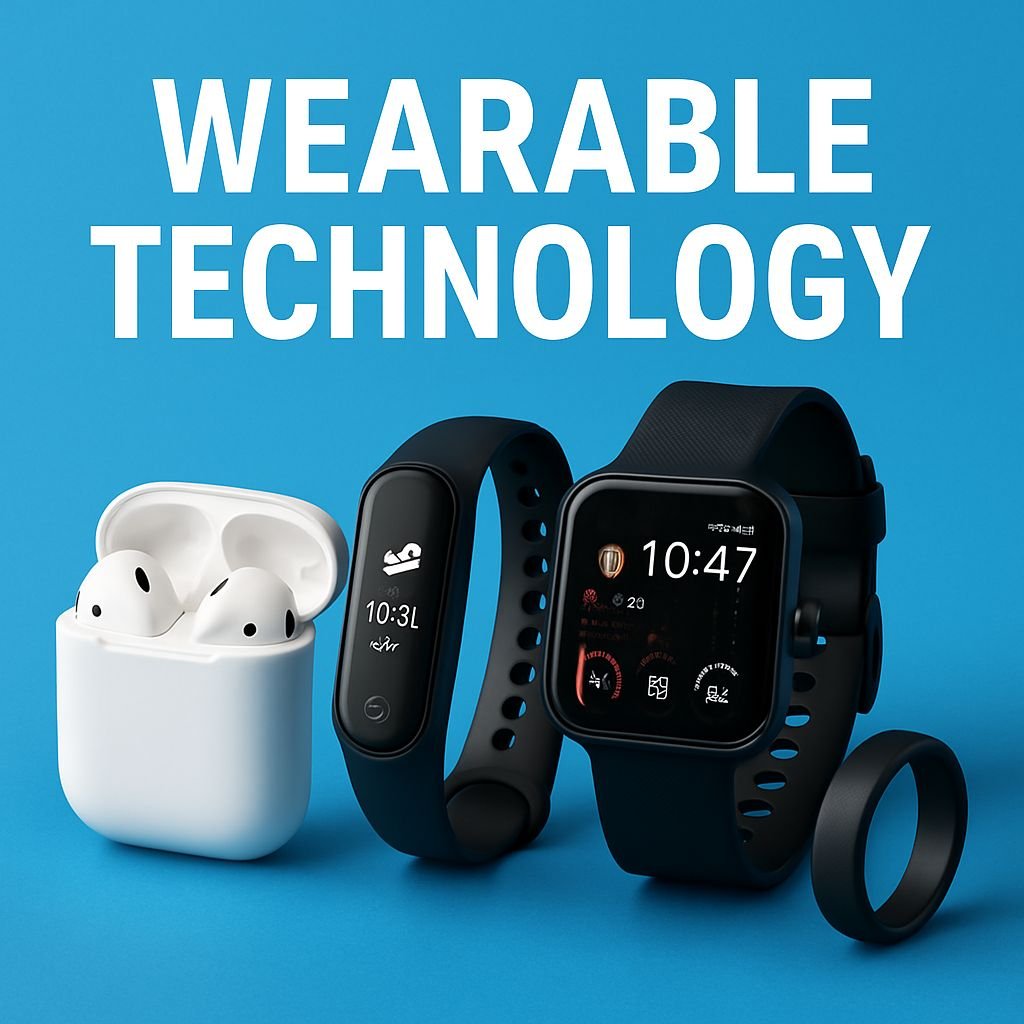
Oura Ring alternatives are becoming more popular in 2026 as smart rings and wearable devices improve sleep tracking, recovery insights, and overall performance—often at a much lower cost.
- Smart rings in 2026 have matured beyond novelty — the best ones now rival Oura Ring 4 in sleep tracking, HRV monitoring, and daily readiness scores, often at a fraction of the cost.
- The Oura Ring 4 remains the gold standard at $349 plus a $5.99/month subscription, but several alternatives deliver comparable core features without the ongoing fees.
- Your goal determines your best device — sleep-focused users benefit most from smart rings, while athletes and multitaskers may get more value from a wrist wearable or smartwatch.
- The Samsung Galaxy Ring enters 2026 as the most expensive option at $399, raising real questions about whether premium always means better — the answer might surprise you.
- Budget alternatives starting under $100 are closing the accuracy gap faster than most people realize, making 2026 the most competitive year yet for wearable health tracking.
The smart ring market exploded in 2026, and picking the right one without wasting hundreds of dollars is trickier than it looks.
If you’ve been eyeing the Oura Ring 4 but hesitating over the price or the subscription model, you’re not alone. Millions of people want the core benefits — better sleep insights, recovery tracking, and daily readiness scores — without locking into a premium ecosystem. Smart ring health trackers available today have made that a very real possibility. The gap between “flagship” and “budget” has never been smaller, and this guide is going to show you exactly where each option fits.
Why People Are Ditching Oura in 2026
Oura built the category. That’s not in dispute. The Oura Ring 4 introduced redesigned sensors that maintain accuracy even as the ring rotates naturally on your finger — a genuine engineering win. Its app delivers activity, readiness, and sleep scores in a clean, organized format that still sets the standard for user experience. But in 2026, “best product” and “best value” are no longer the same conversation.
Three friction points keep coming up when people walk away from Oura.
The Monthly Subscription Problem
Oura is the only major smart ring that locks your health data behind a paywall. At $5.99 per month — or $69.99 per year — you’re paying for access to the stats your ring is already collecting. Over three years, that’s nearly $210 in subscription fees stacked on top of the $349 upfront cost. For many users, that math simply doesn’t work when alternatives provide full data access with no recurring charge.
The Price-to-Value Gap
At $349, the Oura Ring 4 sits in the middle of the smart ring market — above budget alternatives but below the Samsung Galaxy Ring at $399. The problem isn’t the price in isolation. It’s that the features driving that price — advanced stress tracking, cycle insights, cardiovascular age estimates — are features most users check once and forget. If you’re primarily tracking sleep and daily recovery, you’re likely paying for capabilities you’ll never use consistently.
Ring-Only Design Limitations
Smart rings are exceptional for sleep. They’re comfortable, unobtrusive, and don’t require charging every night. But for workout tracking, GPS mapping, or real-time heart rate monitoring during exercise, a ring on your finger simply can’t compete with a wrist-worn device. Knowing this limitation upfront changes which device actually makes sense for your lifestyle — and in many cases, it points away from Oura alternatives entirely.
1. Smart Ring Health Tracker: Best Budget Smart Ring
The best budget smart ring in 2026 delivers the core trio that most users actually need: sleep stage tracking, heart rate monitoring, and activity logging — all without a subscription fee. Build quality has improved significantly at this price tier. Look for rings with IP68 water resistance, a titanium or aerospace-grade resin shell, and a companion app that presents data clearly rather than burying it in menus. Battery life in the 5-to-7-day range is now the baseline expectation, not a premium feature. For anyone new to smart rings or coming from a fitness tracker background, this is the entry point that makes the most sense in 2026. For those considering options, check out Oura Ring alternatives available this year.
2. Advanced Sleep & Recovery Ring: Best for Recovery Insights
Recovery-focused smart rings occupy a specific and valuable space in the wearable market. Where budget rings tell you how long you slept, recovery rings tell you whether that sleep actually restored you — and that distinction is where the real value lives for athletes, high performers, and anyone serious about optimizing their energy levels.
Sleep Stage Tracking Explained
Sleep stage tracking works by combining photoplethysmography (PPG) sensors — the same optical sensors that measure heart rate — with accelerometer data to estimate when you’re in light sleep, deep sleep, or REM. The accuracy of this method depends heavily on sensor placement and calibration quality. Fingers are actually a strong location for PPG readings because of the high concentration of blood vessels, which is one reason smart rings often match or exceed wrist-worn devices in sleep stage accuracy. A good recovery ring will break your night into these stages, flag disruptions, and surface a recovery score that accounts for total sleep time, sleep efficiency, and resting heart rate trends overnight.
Heart Rate Variability: What It Tells You About Recovery
Heart rate variability (HRV) is the variation in time between consecutive heartbeats, measured in milliseconds. A higher HRV generally signals that your nervous system is recovered and ready for stress — physical or mental. A dropping HRV trend over several days is one of the earliest physiological signals that you’re accumulating fatigue or heading toward illness. Recovery-focused rings measure HRV during your lowest-stress sleep period — typically the early morning hours — giving you a clean baseline reading unaffected by daily activity. This single metric, tracked consistently over weeks, becomes one of the most actionable data points a wearable can deliver.
3. Smart Ring with App Integration: Best Overall Value
The best overall value smart ring in 2026 isn’t necessarily the cheapest or the most feature-packed — it’s the one where hardware quality, data accuracy, and app experience all hit an acceptable standard at the same time. App integration is the piece most buyers underestimate. A ring with excellent sensors but a poorly designed app produces data you can’t act on, which defeats the entire purpose of wearing the device. The rings worth considering at this tier offer third-party integrations with platforms like Apple Health, Google Fit, and Strava, meaning your ring data doesn’t live in a silo — it flows into the health ecosystem you’re already using.
Daily Readiness Scores: Are They Worth Relying On?
Daily readiness scores are only as useful as the data feeding them — and that’s where ring quality separates itself fast. A readiness score pulls from multiple overnight inputs: HRV, resting heart rate, sleep duration, sleep efficiency, and sometimes respiratory rate. When a ring’s sensors are calibrated well, the readiness score becomes a genuinely useful morning signal. When they’re not, it’s a number that feels arbitrary and quickly gets ignored.
The practical value of a readiness score isn’t in treating it like a rigid instruction — it’s in spotting trends. A score that drops three days in a row tells a more useful story than any single morning’s number. Rings at the mid-range value tier have gotten good enough at this in 2026 that the readiness score is worth actually acting on, not just glancing at before opening your email.
Battery Life Compared to Oura Ring 4
The Oura Ring 4 delivers around 8 days of battery life under typical use — which means continuous heart rate monitoring, sleep tracking, and background activity logging running around the clock. That’s the benchmark every competitor is measured against.
Budget and mid-range smart rings in 2026 typically land in the 5-to-7-day range with all features active. Some hit 8 days by reducing the frequency of background heart rate readings — a trade-off worth knowing about before you buy. If continuous monitoring matters to you, check the fine print on how the advertised battery life was actually measured.
One overlooked factor: charging time. The Oura Ring 4 charges from zero to full in roughly 20 to 80 minutes depending on the charger. Several alternatives now offer faster charge cycles that get you back to full in under 60 minutes, which matters when you’ve forgotten to charge overnight and want the ring on during your nap or the following night’s sleep.
4. Budget Fitness Tracker: Best Non-Ring Alternative
Not everyone wants to wear a ring, and a well-chosen budget fitness tracker covers the core health metrics — sleep tracking, daily step count, heart rate monitoring, and basic readiness insights — at a price point that’s hard to argue with. The best options in this category offer 7-to-14-day battery life, making them significantly more low-maintenance than most smart rings. They won’t give you the discrete, jewelry-like profile of a ring, but for users who already wear a watch or simply prefer a wrist-based device, this is the most practical path to Oura-level data without Oura-level costs.
5. Smartwatch Wearable: Best All-in-One Option
Smartwatches in 2026 have closed the health tracking gap in a meaningful way. What used to be a device for notifications and timers now offers ECG readings, blood oxygen monitoring, skin temperature sensors, and sleep stage tracking that rivals dedicated sleep rings in accuracy. If you want one device to handle fitness, communication, navigation, and health tracking simultaneously, the smartwatch remains the most complete solution on the market.
When a Smartwatch Beats a Smart Ring
The smartwatch wins in three clear scenarios: when you need GPS tracking for outdoor workouts, when you want real-time on-wrist notifications during the day, and when you’re managing multiple health goals simultaneously — say, cardiovascular fitness alongside sleep quality and stress management. A smart ring can’t display a map mid-run or buzz your wrist when a message arrives. That functionality gap is real and worth weighing honestly.
The trade-off is bulk and battery. Wearing a smartwatch to bed is a genuine barrier for many users — it’s heavier, warmer, and requires more frequent charging than a ring. For sleep tracking specifically, most people report that a smart ring is simply more comfortable to wear overnight, which means more consistent data collection over time.
Samsung Galaxy Ring vs Oura Ring 4: Key Differences
The Samsung Galaxy Ring entered 2026 as the most premium-priced smart ring on the market at $399 — $50 more than the Oura Ring 4. Samsung’s ring integrates directly into the Galaxy ecosystem, which is a significant advantage for Android users already on Samsung devices. It tracks sleep, activity, and cycle health, and feeds data into Samsung Health without a separate subscription fee. That last point is worth emphasizing: no monthly charge on top of the hardware cost.
| Feature | Oura Ring 4 | Samsung Galaxy Ring |
|---|---|---|
| Price | $349 | $399 |
| Subscription | $5.99/month | None |
| iPhone Compatible | Yes | Limited |
| Battery Life | ~8 days | ~7 days |
| Sleep Tracking | Advanced | Advanced |
| HRV Monitoring | Yes | Yes |
| GPS | No | No |
Smart Ring vs Wrist Wearable: Which One Actually Fits Your Life
This question comes down to what you actually do with your data — and when you need it. Smart rings are passive, background devices. You wear them, forget about them, and check the app when it’s relevant. Wrist wearables are active interfaces. They surface information in real time and invite interaction throughout the day. Both approaches are valid; they just serve different user behaviors.
There’s also the social context to consider. A smart ring looks like a piece of jewelry. A smartwatch announces itself. For users in professional environments, client-facing roles, or simply anyone who prefers a cleaner aesthetic, the ring form factor solves a real problem that wrist wearables haven’t fully addressed.
- Smart rings — Best for sleep tracking, recovery monitoring, and all-day passive health data collection
- Fitness trackers — Best for step counting, basic heart rate monitoring, and long battery life on a budget
- Smartwatches — Best for GPS workouts, real-time notifications, and multi-feature health management
- Recovery wearables — Best for athletes and high performers who prioritize strain-versus-recovery balance
Sleep Tracking Accuracy: Ring vs Wrist
Finger-based PPG sensors have a natural advantage in sleep tracking because the capillary bed in your finger produces stronger, cleaner optical signals than the wrist, where bone structure and movement create more noise in the data. This isn’t a minor edge — it’s one reason why dedicated sleep labs and clinical researchers have increasingly validated ring-based wearables as reliable measurement tools for consumer sleep research.
That said, accuracy also depends on how still the wearer is and whether the ring fits correctly. A ring that’s too loose will produce inconsistent PPG readings regardless of sensor quality. Most smart ring brands now offer sizing kits — a free sizing ring set you wear for a few days before ordering your actual device — specifically because fit directly impacts data quality.
Workout Tracking: Where Wrist Devices Still Win
For active workout tracking, wrist-worn devices hold a clear advantage. Built-in GPS, larger batteries that support extended tracking sessions, and the ability to display real-time metrics mid-workout are features a ring simply can’t replicate in its current form factor. If you’re running, cycling, or doing any outdoor cardio where pace and route matter, a fitness tracker or smartwatch is the more functional tool — and pairing it with a smart ring for overnight recovery data is actually a setup many serious athletes are using in 2026. For those interested in optimizing their post-workout recovery, exploring the best recovery equipment for men can be beneficial.
Comfort and Daily Wearability
Comfort compliance is an underrated metric in wearable technology. A device you take off is a device producing no data. Smart rings consistently outperform wrist wearables on overnight compliance — more people keep them on during sleep — which makes the data they collect more complete and more representative of actual health patterns over time.
Daytime comfort is more subjective. Some users find smart rings slightly awkward during heavy lifting or when handling tools, while others report forgetting the ring is there entirely within the first week. Silicone-coated interiors have become common on mid-range and premium rings in 2026, reducing friction and improving breathability compared to earlier all-titanium designs.
How to Pick the Right Oura Alternative for You
The right device is the one that matches your primary use case — not the one with the longest feature list or the highest price tag. Most people who end up disappointed with a wearable bought it for features they thought they’d use rather than features they actually needed. Start with one question: what is the single health metric you most want to improve or understand better? For insights into wearable tech for sleep and focus, consider exploring various options that cater to your specific needs.
From there, the decision tree gets straightforward. Sleep quality leads you toward a smart ring. Workout performance leads you toward a wrist device. Budget constraints narrow the field quickly. And if you genuinely want comprehensive tracking across sleep, fitness, and stress without choosing priorities, a mid-range smartwatch with strong health features is the most honest all-in-one answer available in 2026.
Prioritize Sleep and Recovery: Go With a Smart Ring
If better sleep is your primary goal, a smart ring is the most frictionless path to consistent, accurate data. The combination of finger-based PPG sensors, lightweight form factor, and all-night comfort compliance means you’ll actually wear it every night — and that consistency is what transforms raw data into meaningful health insights over weeks and months.
Look for rings that surface sleep stage breakdowns, overnight HRV trends, and resting heart rate in a single morning summary. The fewer taps it takes to get your key numbers, the more likely you are to build the habit of checking and acting on them. Budget rings starting under $100 now cover this use case reliably in 2026, making a premium subscription-based product genuinely optional for sleep-focused users.
Want More Features Without the Cost: Go With a Fitness Tracker
A quality fitness tracker in the $50-to-$150 range covers step counting, continuous heart rate monitoring, sleep tracking, and basic stress metrics without any monthly fee. Battery life in this category routinely hits 10 to 14 days, which means less charging friction and more complete data collection. For users transitioning from no wearable to their first health-tracking device, a fitness tracker removes the financial risk while still delivering the core feedback loop that drives behavior change.
Need Everything in One Device: Go With a Smartwatch
The all-in-one case for a smartwatch in 2026 is stronger than it’s ever been. ECG monitoring, blood oxygen tracking, sleep staging, GPS workout logging, and smartphone notifications on a single charge cycle — that’s a genuinely compelling package for users who don’t want to manage multiple devices or apps. The trade-off is nighttime comfort and charging frequency, both of which matter more than most buyers anticipate when they’re standing in front of a product page.
If you go the smartwatch route, prioritize battery life over feature count. A watch that dies by 9pm because it spent the day tracking your run and streaming music is a worse health tracker than a simpler device that’s still running when you fall asleep. For sleep tracking specifically, aim for a smartwatch rated at 2-plus days of battery life under active use conditions — not the manufacturer’s “light use” estimate.
The Best Oura Ring Alternative in 2026 Comes Down to One Thing: Your Goal
There’s no universal best wearable — there’s only the best wearable for how you actually live. The Oura Ring 4 is excellent, but paying $349 plus a monthly subscription for features you’ll use 20% of makes no financial sense when the other 80% of your needs can be met by a $79 ring or a $120 fitness tracker. Match the device to the goal, wear it consistently, and the data will do the rest. For those looking for alternatives, check out our guide on top Oura Ring alternatives that might better suit your needs.
Frequently Asked Questions
Smart rings and wearable health trackers generate a lot of questions — especially for buyers trying to navigate a market that’s expanded dramatically in 2026. Below are the most common questions worth addressing directly before you make a purchase decision.
A few quick things worth knowing before diving into specifics:
- Most smart ring alternatives do not require a monthly subscription to access your health data
- Ring sizing matters more than most buyers expect — always use a sizing kit before ordering
- Battery life claims are typically measured under light-use conditions, not continuous monitoring
- iPhone compatibility varies significantly between Android-first smart rings like the Samsung Galaxy Ring
- Sleep tracking accuracy improves with consistent wear — at least two weeks of data produces more reliable trend analysis
What is the closest alternative to the Oura Ring in 2026?
The closest direct alternative to the Oura Ring 4 in terms of feature parity and form factor is a recovery-focused smart ring that tracks sleep stages, HRV, resting heart rate, and daily readiness without a subscription fee. Several options in the $100-to-$200 range now deliver this combination with acceptable accuracy for non-clinical use.
If you’re open to a wrist-worn alternative, recovery-focused wearables that emphasize strain and readiness balance offer a comparable philosophy to Oura’s health tracking approach — sometimes with more granular athletic performance data — at a competitive price point. The right choice depends entirely on whether you prefer a ring form factor or are flexible on the device type.
Do Oura Ring alternatives require a monthly subscription?
Most Oura Ring alternatives do not require a subscription. Oura is actually the outlier in the smart ring market for gating health data behind a monthly fee. The Samsung Galaxy Ring, budget smart rings, and most fitness trackers provide full access to your collected health data through their companion apps at no ongoing cost beyond the hardware purchase. This makes the total cost of ownership significantly lower over a 2-to-3-year period compared to the Oura ecosystem. For those interested in setting up a comprehensive fitness routine at home, consider checking out the best home gym setup for small spaces.
Can a budget smart ring track sleep as accurately as Oura?
Budget smart rings have closed the accuracy gap considerably in 2026, but they’re not identical to Oura’s tracking quality. For core metrics — total sleep time, rough sleep stage distribution, and overnight resting heart rate — a well-built budget ring performs reliably enough for actionable insights. Where Oura still pulls ahead is in the depth of its algorithms, the consistency of sensor calibration across different skin tones and finger sizes, and the contextual intelligence of its app-level analysis. If clinical-grade precision is your standard, Oura remains the benchmark. If practical, day-to-day sleep awareness is your goal, a budget alternative gets you 80% of the way there at 25% of the cost.
Is the Samsung Galaxy Ring compatible with iPhone?
The Samsung Galaxy Ring has limited iPhone compatibility. Samsung designed the Galaxy Ring primarily for integration with Samsung Health and the broader Galaxy device ecosystem, which means Android users — particularly those on Samsung phones — get the full feature set. iPhone users can connect the ring but will encounter restricted functionality, missing features, and a less cohesive app experience compared to what Android users access natively.
For iPhone users prioritizing a smart ring, the Oura Ring 4 remains the most fully-featured iOS-compatible option. Several budget smart rings also offer solid iPhone compatibility through their standalone apps, making them a more practical choice than the Samsung Galaxy Ring for Apple ecosystem users in 2026.
Are smart rings or fitness trackers better for workout tracking?
Fitness trackers and smartwatches are significantly better than smart rings for active workout tracking. The wrist-worn form factor allows for built-in GPS, larger battery capacity to sustain extended tracking sessions, and real-time on-device metric display — none of which are currently achievable in a ring form factor without compromising battery life or sizing practicality. For those interested in exploring alternatives, check out our guide on Oura Ring alternatives that might suit your needs better.
Smart rings are passive health monitors, not active workout companions. They excel at capturing what happens to your body when you’re not thinking about tracking — overnight recovery, resting cardiovascular metrics, and background stress signals throughout the day. For workouts specifically, even a mid-range fitness tracker will outperform a premium smart ring because the hardware architecture is built for that use case.
The optimal setup for serious health trackers in 2026 is increasingly a combination approach: a smart ring for sleep and recovery data overnight, paired with a fitness tracker or GPS watch for active workout sessions. This two-device setup sounds redundant until you realize each device is doing what it does best — and the resulting dataset is more complete than either device could provide alone.
BestProductsForMen.org participates in affiliate programs, which means we may earn a commission if you click on a link and make a purchase. This comes at no additional cost to you. We only recommend products we personally trust, use, or believe will provide value to our readers.
Our goal is to provide honest, helpful reviews and recommendations so you can make informed decisions.
Leave a Reply to Best Mental Health & Focus Apps for Men (2026 Guide) Cancel reply