

BestProductsForMen.org participates in affiliate programs, which means we may earn a commission if you click on a link and make a purchase. This comes at no additional cost to you. We only recommend products we personally trust, use, or believe will provide value to our readers.
Our goal is to provide honest, helpful reviews and recommendations so you can make informed decisions.
Key Takeaways
Omega 3 fatty acids for depression have been widely studied for their potential role in supporting mood, emotional regulation, and mental clarity in introverted men.
- Omega-3 fatty acids have shown significant potential in reducing depressive symptoms, particularly in introverted men who often struggle with conventional treatments
- EPA (eicosapentaenoic acid) appears more effective than DHA for depression treatment, with studies showing benefits at doses of 1-2 grams daily
- Chronic inflammation plays a crucial role in depression, and omega-3s’ anti-inflammatory properties directly target this underlying mechanism
- Introverts may have unique neurobiological patterns that respond differently to omega-3 supplementation compared to extroverts
- Combining omega-3s with introvert-friendly lifestyle modifications creates a more effective approach than supplementation alone
Depression affects introverted men differently. While everyone experiences the weight of depression uniquely, introverted men often face additional challenges—internal rumination cycles, difficulty expressing emotional needs, and sensitivity to conventional treatment approaches. Omega-3 fatty acids offer a promising alternative that works with rather than against the introverted brain’s natural tendencies.
Recent research has revealed that omega-3 supplementation may be particularly effective for individuals with certain biological markers, especially those with heightened inflammation—a pattern frequently observed in introverted personality types. This connection between inflammation, depression, and personality type opens new doors for targeted treatment approaches that respect neurological differences.
How Omega-3s Target Depression in Introverted Men
“Omega-3s Could Lessen Depression …” from www.grassrootshealth.net
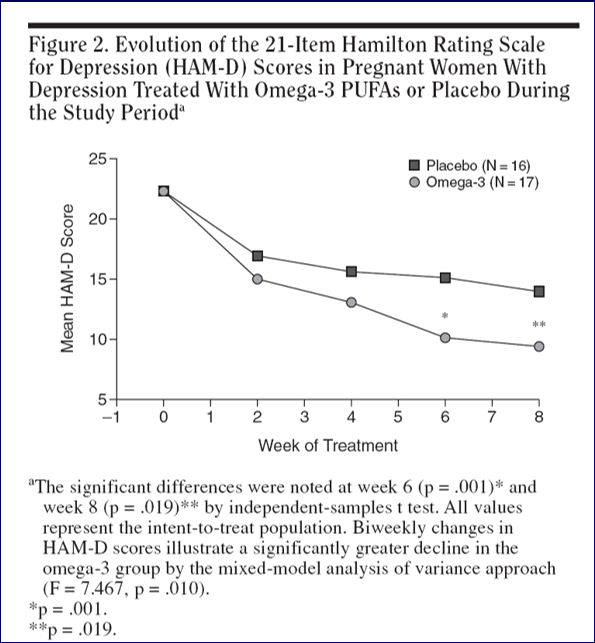
The mechanism behind omega-3’s effectiveness lies in its ability to address depression at multiple levels simultaneously. Unlike standard antidepressants that often focus on single neurotransmitter systems, omega-3 fatty acids work holistically by improving cell membrane function, reducing neuroinflammation, and enhancing neural communication. For the introverted brain—which typically processes information more deeply and may be more sensitive to biochemical imbalances—these comprehensive effects can be particularly beneficial. Studies have demonstrated that daily supplementation with 4g of omega-3s not only improves depressive symptoms but also enhances cognitive functions related to motivation, such as energy and alertness—areas where introverted men with depression often struggle most.
The Depression-Introversion Connection
Introversion isn’t a pathology—it’s a normal personality variation affecting roughly 30-50% of the population. However, introverted men face unique challenges that can increase vulnerability to depression. The introvert’s brain processes information differently, with neural pathways that favor deep internal processing over external stimulation. This tendency toward internal focus can become problematic during depression, as negative thought patterns may intensify without the natural interruption that more externally-oriented individuals experience. Additionally, society’s expectations of masculine expression often clash with introverted tendencies, creating additional stress. Omega-3s appear to work particularly well for this population because they support the neurobiological systems that introverts rely on most heavily—including thoughtful reflection and emotional processing—while reducing the inflammation that can distort these normally healthy processes.
Why Standard Depression Treatments Often Fall Short
Conventional antidepressants can be effective for many, but they frequently miss the mark for introverted men. Traditional SSRIs and SNRIs primarily target serotonin and norepinephrine systems without addressing the inflammatory components now known to drive many cases of depression. For introverts, whose nervous systems may already be more sensitive to medication effects, the side effects of conventional treatments can sometimes outweigh the benefits. Many report feeling “numbed” or disconnected from their authentic selves—particularly troubling for individuals whose internal world is central to their identity. For more insights, consider exploring common antidepressant myths that affect introverted men.
In contrast, omega-3 supplementation offers a gentler approach that works with the body’s natural systems rather than forcing neurotransmitter changes. Clinical trials comparing omega-3 fatty acids to traditional antidepressants have shown promising results, with some studies finding omega-3s equally effective but with significantly fewer adverse effects. For introverted men who value their internal experiences and cognitive clarity, this presents a compelling alternative or complementary approach. For more insights on mental health, explore antidepressant myths for introverted men.
The Science Behind Omega-3s and Brain Health
“Omega-3 Fatty Acids: Key to Boosting …” from lonestarneurology.net
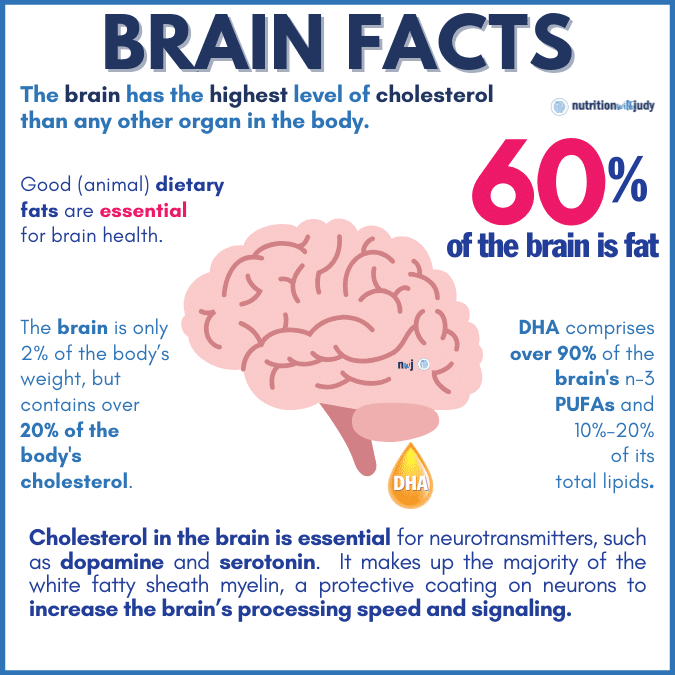
The human brain is approximately 60% fat, with omega-3 fatty acids comprising a significant portion of its structure. These essential fats cannot be manufactured by the body and must be obtained through diet or supplementation. When omega-3 levels are insufficient, brain cell membranes become less fluid, neurotransmission suffers, and inflammatory processes can accelerate—all factors that contribute to depressive symptoms.
Research has consistently demonstrated connections between omega-3 deficiency and increased depression risk. Population studies reveal that cultures consuming more omega-3-rich seafood show significantly lower rates of depression. The Ryukyus Child Health Study demonstrated a clear inverse relationship between fish intake and depression prevalence, supporting the notion that omega-3s play a protective role in mood regulation. For introverted men, whose brains may be particularly sensitive to subtle biochemical shifts, maintaining optimal omega-3 levels appears especially crucial for emotional resilience and stability.
EPA vs. DHA: Which Fights Depression Better?
Not all omega-3s are created equal when it comes to depression. The two primary omega-3 fatty acids studied for mental health—eicosapentaenoic acid (EPA) and docosahexaenoic acid (DHA)—appear to affect mood through different mechanisms. While DHA is more abundant in brain tissue and crucial for structural development, EPA has demonstrated superior effectiveness in alleviating depressive symptoms.
EPA vs. DHA: Which Fights Depression Better?
Clinical trials have consistently found that supplements with higher EPA-to-DHA ratios produce better outcomes for depression. Meta-analyses suggest that preparations containing at least 60% EPA (relative to DHA) and providing 1-2 grams of EPA daily yield the most significant antidepressant effects. For introverted men, who may process emotions more internally and deeply, this precise biological targeting can be particularly beneficial, as it addresses the neurochemical imbalances without the sometimes overwhelming side effects of conventional medications.
Research from Harvard University has shown that EPA appears to work primarily by reducing inflammation and supporting healthy neurotransmitter function, while DHA contributes more to structural brain health. When selecting supplements, look for products that clearly state the EPA/DHA ratio and prioritize those with higher EPA content specifically for depression management. The molecular structure of EPA allows it to influence signaling pathways related to mood regulation more effectively than DHA, making it the preferred omega-3 type for addressing depressive symptoms.
How Inflammation Creates Depression
“The role of inflammation in depression …” from www.nature.com
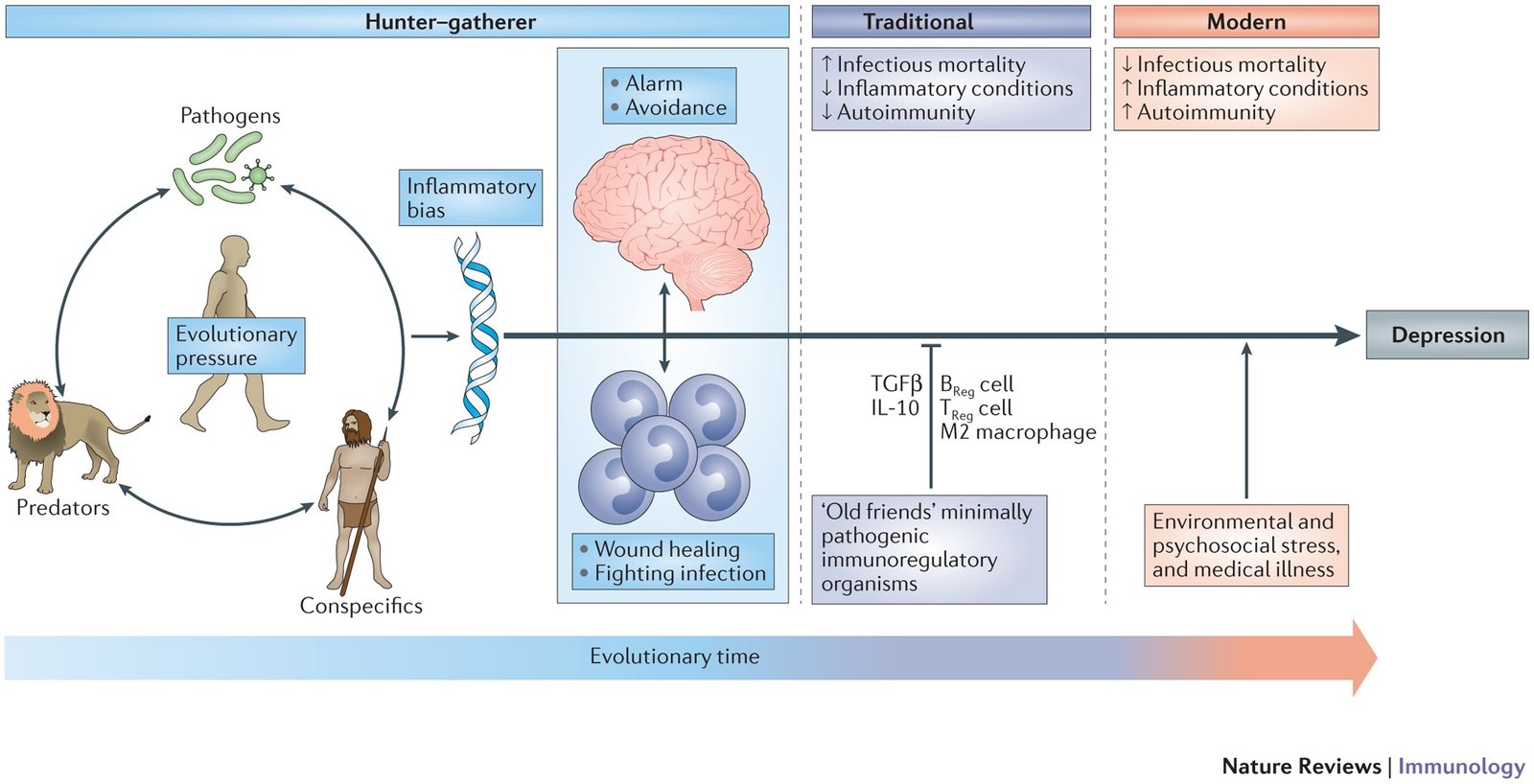
The connection between inflammation and depression represents one of the most important breakthroughs in our understanding of mood disorders. Chronic, low-grade inflammation disrupts normal brain function through multiple pathways—altering neurotransmitter metabolism, activating stress systems, and reducing neuroplasticity. Recent studies have observed that introverted individuals often show different inflammatory responses to stress compared to extroverts, with some evidence suggesting that introverts may experience more prolonged inflammatory reactions.
Omega-3 fatty acids, particularly EPA, are powerful natural anti-inflammatories. They reduce the production of inflammatory cytokines and promote resolution of inflammatory processes in brain tissue. Studies measuring inflammatory markers like C-reactive protein (CRP) and interleukin-6 (IL-6) have found that omega-3 supplementation can normalize these values in depressed patients. For introverted men, whose depression may be more strongly linked to inflammatory processes, this anti-inflammatory action represents a key mechanism behind omega-3’s effectiveness.
Why Introverts May Have Different Omega-3 Needs
Emerging research suggests that personality traits may influence both omega-3 metabolism and requirements. Introverts typically show different patterns of brain activity, with greater blood flow to areas involved in internal processing and self-reflection. These regions are particularly rich in omega-3 fatty acids and may therefore have higher maintenance requirements. Additionally, introverts often exhibit heightened sensitivity to neurotransmitter fluctuations, making optimal omega-3 levels even more critical for stable mood regulation.
Some studies have observed that introverts may process certain dietary components differently than extroverts due to variations in gut microbiome composition and enzyme activity. While research specifically examining omega-3 metabolism in relation to introversion is still emerging, these biological differences suggest that personalized approaches to dosing may eventually be possible. For now, introverted men may benefit from paying particularly close attention to their response to omega-3 supplementation and adjusting accordingly.
5 Ways Omega-3s Change Brain Chemistry
“DHA for Brain Health | Nutrition with …” from www.nutritionwithjudy.com
Omega-3 fatty acids influence brain function through multiple complementary mechanisms, creating a synergistic effect that can significantly improve mood regulation. Understanding these pathways helps explain why these essential fats can be particularly valuable for introverted men struggling with depression. The comprehensive nature of omega-3’s effects addresses many of the biological factors underlying depression without the narrow focus of conventional medications.
1. Reduce Inflammatory Markers
Perhaps the most well-documented mechanism of omega-3s is their potent anti-inflammatory action. EPA and DHA metabolize into specialized compounds called resolvins and protectins, which actively terminate inflammatory processes in brain tissue. Studies have demonstrated that consistent omega-3 supplementation can reduce levels of inflammatory cytokines by 10-20%, comparable to some anti-inflammatory medications but without their side effects. For introverted men, whose depression may have stronger inflammatory components due to internalized stress responses, this anti-inflammatory effect can be particularly therapeutic.
2. Improve Cell Membrane Function
Omega-3s become incorporated into cell membranes throughout the brain, increasing membrane fluidity and optimizing cell signaling. This enhanced membrane function allows for more efficient neurotransmitter binding and receptor activity, essentially “tuning” the system for better performance. Research has shown that when omega-3 levels increase in neuronal membranes, signaling pathways related to mood regulation become more responsive. The introverted brain, which may rely more heavily on subtle internal signaling rather than external stimulation, can particularly benefit from this improved cellular communication.
3. Boost Neurotransmitter Production
Beyond improving receptor function, omega-3s also support the actual production and release of key neurotransmitters involved in mood regulation. Studies have found that EPA supplementation can increase serotonin and dopamine availability in brain regions critical for emotional processing. Unlike SSRIs, which block serotonin reuptake but don’t address production issues, omega-3s support the entire neurotransmitter lifecycle. For introverted men, who may experience depression differently than extroverts due to variations in baseline neurotransmitter activity, this comprehensive support for neurotransmitter systems can help restore natural emotional balance.
4. Support Brain Plasticity
Neuroplasticity—the brain’s ability to form new connections and adapt to challenges—is frequently compromised in depression. Omega-3 fatty acids, particularly DHA, are essential building blocks for the growth and maintenance of neural connections. Research has shown that adequate omega-3 levels increase production of brain-derived neurotrophic factor (BDNF), a protein that functions like fertilizer for brain cells, promoting growth and protecting against stress-related damage.
This enhanced plasticity helps the brain establish healthier thought patterns and break free from the rigid negative thinking characteristic of depression. For introverted men, whose rich inner world depends on complex neural networks, supporting optimal brain plasticity can be particularly valuable in recovery from depression. For more insights, check out these antidepressant myths that often surround introverted men.
- Increases BDNF production by 20-30% in some studies
- Promotes dendritic branching and synapse formation
- Supports neurogenesis (creation of new neurons) in the hippocampus
- Enhances cognitive flexibility and adaptive thinking
- Facilitates the formation of new, more positive mental habits
The brain’s remarkable ability to rewire itself represents one of our greatest allies in overcoming depression. By supporting neuroplasticity, omega-3 fatty acids help create the neurobiological conditions necessary for sustainable improvement in mood and outlook.
5. Enhance Stress Response
Introverted men often experience and process stress differently, with a tendency toward prolonged internal rumination that can exacerbate depressive symptoms. Omega-3 fatty acids help regulate the body’s stress response by dampening excessive cortisol production and supporting healthy hypothalamic-pituitary-adrenal (HPA) axis function. Research shows that individuals with higher omega-3 levels typically demonstrate more resilient stress responses, with faster recovery from stressful events and lower overall anxiety.
For introverted men, whose nervous systems may be more sensitive to overstimulation, this improved stress regulation can be particularly beneficial. By creating a more balanced physiological response to stressors, omega-3s help prevent the chronic stress patterns that often precede and maintain depressive episodes. For those interested in enhancing their fitness routine, multi-grip pull-up bars can be an effective addition to home workouts, supporting overall well-being.
Best Omega-3 Sources for Depression Relief
Getting the right amount and type of omega-3s is crucial for maximizing their antidepressant effects. While both dietary sources and supplements can be effective, the specific needs of introverted men with depression may require a strategic approach to omega-3 intake.
Fish Oil Supplements: Dosage and Quality Matters
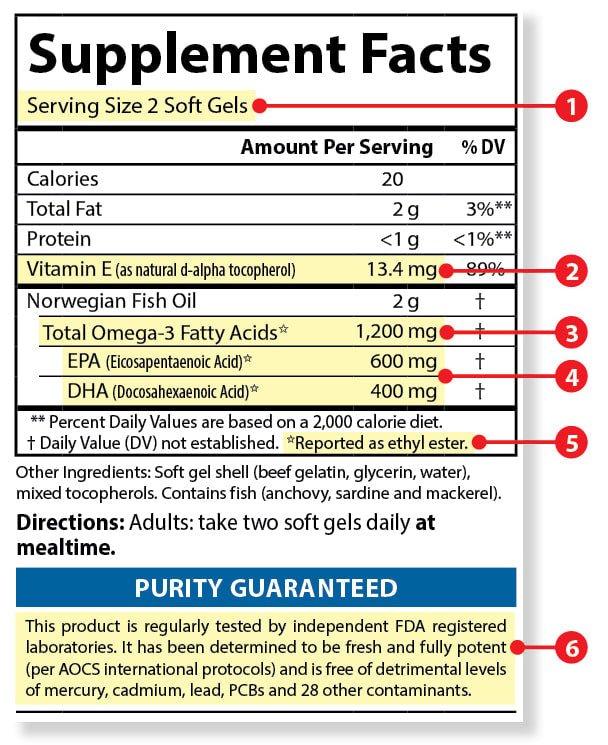
“How to Read a Fish Oil Label for Better …” from www.carlsonlabs.com
When selecting fish oil supplements for depression management, quality and potency are paramount. Look for pharmaceutical-grade products that clearly state their EPA and DHA content, with preference given to formulations containing at least 1000-2000mg of EPA daily. Third-party testing certifications (such as IFOS, USP, or NSF) help ensure that products are free from contaminants like mercury and PCBs, which could potentially counteract the mental health benefits.
The molecular form of the omega-3s also matters significantly. Triglyceride forms show better absorption than ethyl esters, with some studies indicating up to 70% better bioavailability. For introverted men who may be more sensitive to subtle physiological changes, this improved absorption can make a meaningful difference in effectiveness. Consider taking supplements with a fatty meal to further enhance absorption, and maintain consistent daily dosing to maintain stable omega-3 levels in brain tissue.
Top Food Sources for Sustainable Intake
While supplements offer precise dosing, incorporating natural food sources of omega-3s provides additional nutrients that may work synergistically to improve mood. Cold-water fatty fish like wild salmon, mackerel, sardines, and herring provide the most bioavailable forms of EPA and DHA. Aim for 2-3 servings weekly to maintain healthy omega-3 levels, prioritizing smaller fish species that typically contain fewer environmental contaminants. For those interested in a holistic approach to fitness, consider exploring compact home gym kits to complement your dietary efforts.
For introverted men who value routine and consistency, establishing regular “omega-3 meals” can be both psychologically comforting and physiologically beneficial. Consider creating simple, repeatable meal plans that incorporate these foods in enjoyable ways that respect sensitivity to strong tastes and textures that some introverts experience.
Plant-Based Options for Vegetarian Introverts
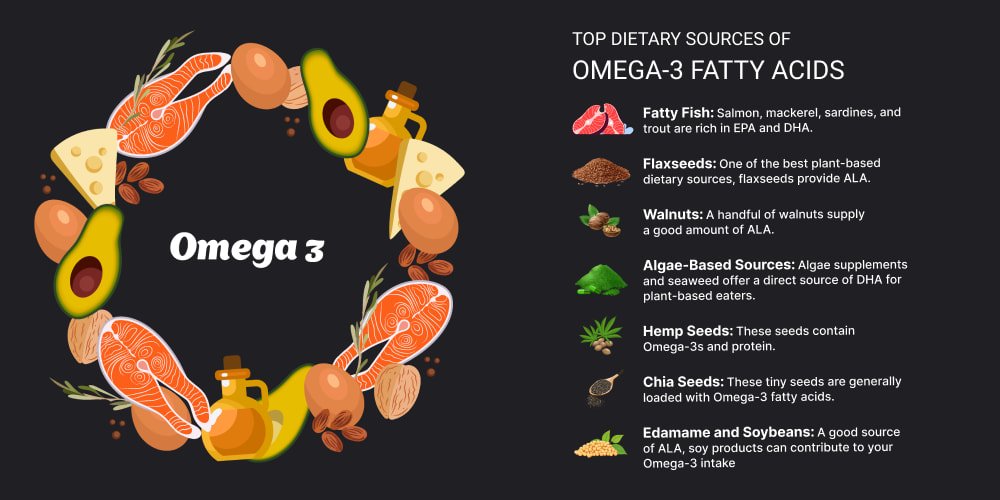
Plant sources provide alpha-linolenic acid (ALA), which the body must convert to EPA and DHA. While this conversion is relatively inefficient (typically less than 10%), consistent intake of high-quality plant sources can contribute meaningfully to overall omega-3 status. Flaxseeds, chia seeds, hemp seeds, and walnuts contain significant amounts of ALA and can be incorporated into daily meals.
Vegetarian and vegan introverted men should consider algae-based DHA/EPA supplements, which provide the same forms found in fish but from the original source in the marine food chain. These supplements bypass the inefficient ALA conversion process and offer a direct source of the omega-3s most beneficial for brain health.
The Introvert-Friendly Omega-3 Protocol
Managing depression effectively for introverted men requires more than just taking supplements—it means creating a comprehensive approach that respects introverted tendencies and leverages them as strengths rather than limitations. A well-designed omega-3 protocol considers timing, complementary practices, and integration with existing habits. For further reading on how omega-3 fatty acids can aid in managing mood disorders, explore this insightful article.
Morning vs. Evening Supplementation
The timing of omega-3 supplementation can influence both absorption and effectiveness. Taking omega-3s with breakfast provides a foundation of anti-inflammatory support throughout the day, potentially helping manage stress responses during social and work interactions that many introverted men find energetically demanding. However, some individuals report that evening supplementation supports better sleep quality, which is often a challenge in depression.
Consider your unique circadian rhythms and daily patterns when deciding on timing. If morning social demands typically trigger stress and anxiety, morning supplementation may be preferable. If racing thoughts and rumination at night contribute more significantly to your depression, evening dosing might yield better results. For optimal absorption, always take omega-3s with a meal containing some healthy fats.
Combining Omega-3s With Quiet Self-Care Practices
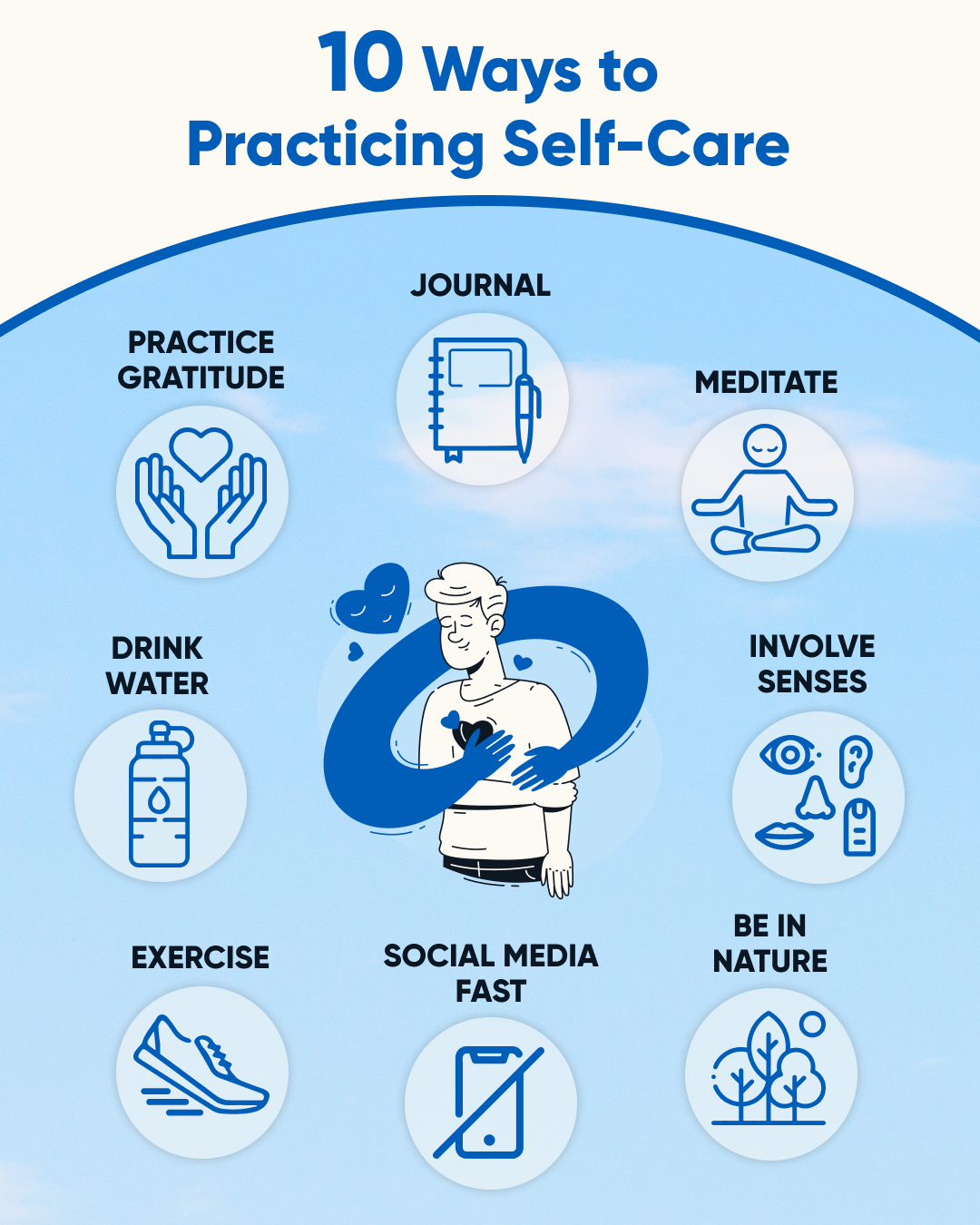
“Practicing Self-Care – Nutricost” from nutricost.com
The effectiveness of omega-3 supplementation can be amplified when paired with introvert-friendly self-care practices that further reduce inflammation and support brain health. Activities like mindful meditation, forest bathing, or gentle yoga provide complementary benefits that work synergistically with omega-3’s biochemical effects. These practices activate the parasympathetic nervous system, reducing stress hormones that can otherwise counteract omega-3’s anti-inflammatory benefits.
Creating rituals around supplement taking—perhaps a moment of mindfulness while swallowing your omega-3s, or taking them after a short meditation—can enhance the psychological benefits through positive association and consistent practice. For introverted men who thrive on meaningful routines and internal awareness, these combined approaches can be particularly powerful for depression management.
Creating a Low-Stimulation Nutritional Routine
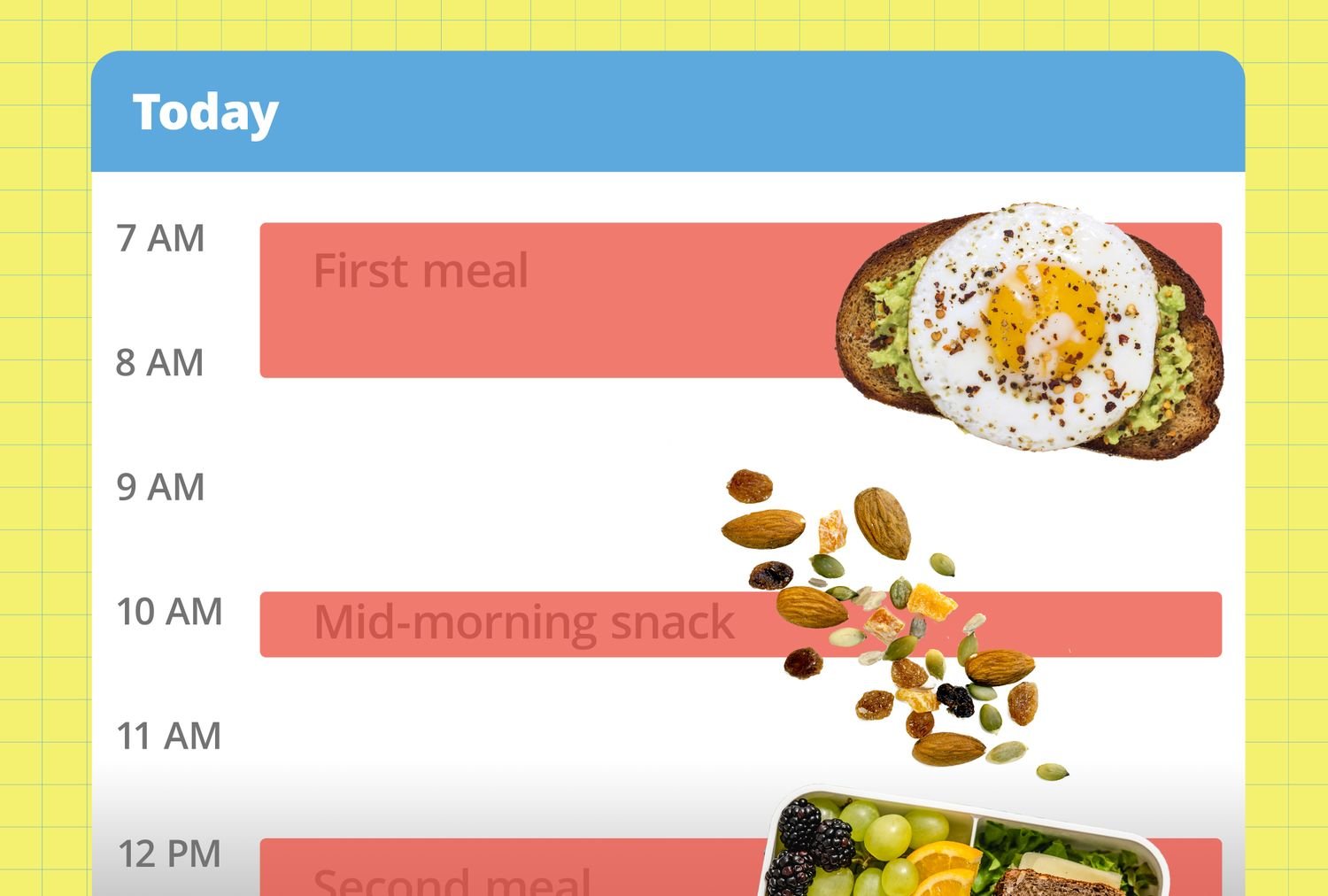
“Best Eating Schedule for Energy, Per …” from www.eatingwell.com
Beyond omega-3s, the broader nutritional environment significantly impacts depression recovery. Introverted men often benefit from creating predictable, low-decision food routines that provide consistent brain nutrition without overwhelming sensory or decision fatigue. Consider developing a rotating meal plan rich in additional brain-supporting nutrients like magnesium, zinc, B vitamins, and antioxidants, which work synergistically with omega-3s to support optimal brain function.
The Mediterranean diet pattern, which naturally includes higher omega-3 intake along with anti-inflammatory plant compounds, has shown impressive results in depression studies. Adapting this eating pattern to personal preferences and sensitivities creates a sustainable foundation for long-term brain health that respects introverted tendencies toward thoughtful, consistent choices rather than novelty-seeking eating patterns.
What to Expect: Timeline for Improvement
Understanding the typical timeline for omega-3 benefits helps maintain motivation during treatment. Unlike some pharmaceutical approaches, omega-3s work gradually by addressing underlying physiological imbalances rather than forcing immediate chemical changes. This gentler approach often results in more sustainable improvements with fewer side effects—particularly valuable for sensitive introverted systems.
First 2 Weeks: Subtle Shifts in Energy
“5 Ways to Shift Your Energy — My Girl …” from www.mygirlwellness.com
The initial effects of omega-3 supplementation are typically subtle and physical. Many notice small improvements in energy levels, morning alertness, and physical recovery before mood changes become apparent. Some report reduced inflammatory symptoms like joint stiffness or improved digestion, signaling that the anti-inflammatory effects are beginning to take hold. For introverted men, who are often highly attuned to internal bodily sensations, these early physical changes can provide encouraging feedback that the intervention is working. For more insights, read about omega-3 fatty acids for mood disorders.
During this initial phase, maintaining consistent supplementation is crucial even if mood benefits aren’t yet apparent. The incorporation of omega-3s into cell membranes throughout the brain and body requires time, with initial changes happening at the peripheral level before significant brain changes occur. Tracking energy levels, sleep quality, and physical comfort can help document these early shifts that precede more noticeable mood improvements.
1-3 Months: Mood Stabilization Effects
“Rumination: The #1 Reason for Stress …” from www.ccl.org
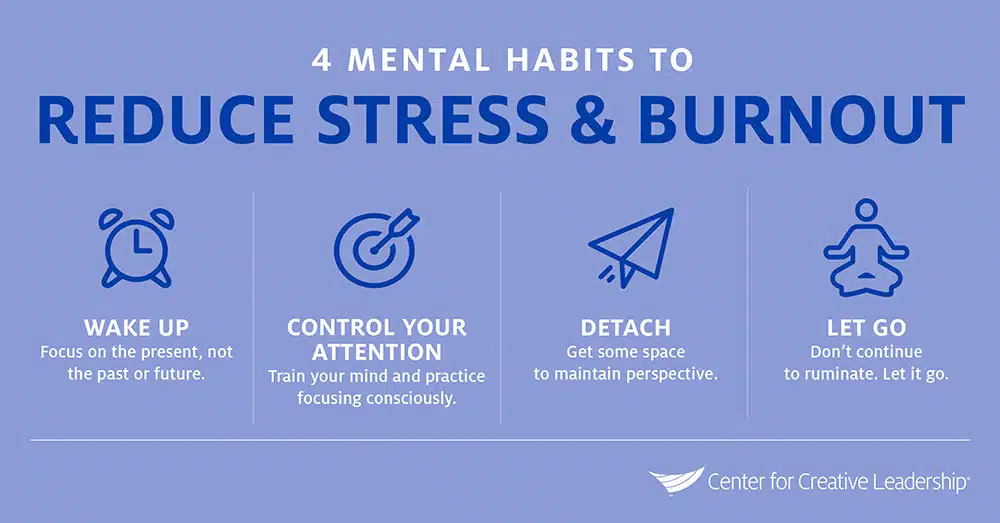
The most significant mood benefits typically emerge between 4-12 weeks after beginning consistent omega-3 supplementation. Research indicates that this timeframe aligns with the period needed for substantial remodeling of brain cell membranes and normalized inflammatory responses. Many notice gradually increasing emotional resilience, with negative thoughts becoming less sticky and overwhelming. For introverted men, the change often manifests as more balanced internal dialogue and reduced rumination intensity rather than dramatic mood elevation.
This period often brings improvements in cognitive symptoms of depression that particularly trouble introverted men—brain fog lifts, concentration improves, and the ability to enjoy complex internal experiences returns. Studies measuring cognitive function during omega-3 treatment for depression consistently show enhancements in executive function, working memory, and cognitive flexibility during this phase, supporting the subjective experience of mental clarity that many report.
Long-Term Benefits for Introverted Brains
With continued supplementation beyond three months, omega-3s offer neuroprotective effects that can help prevent depression recurrence and support long-term brain health. Research indicates that consistent omega-3 intake helps maintain healthy brain volume in regions vulnerable to stress-related atrophy, potentially providing particular benefits for introverted men who may experience stress differently than their extroverted counterparts. As the quality of internal experience holds special importance for introverts, these lasting improvements in brain function and protection against cognitive decline represent particularly valuable benefits of long-term omega-3 maintenance.
When Omega-3s Aren’t Enough: Next Steps
While omega-3s offer significant benefits for many introverted men with depression, they aren’t always sufficient as a standalone treatment for everyone. Recognizing when additional support is needed represents an important aspect of responsible self-care. The progressive approach typically involves optimizing omega-3 intake first, then strategically adding complementary approaches that respect introverted needs rather than immediately defaulting to conventional treatments that may cause uncomfortable side effects.
Signs You Need Additional Support
Several indicators suggest when omega-3s alone may not be providing sufficient relief. Persistent suicidal thoughts, inability to maintain basic self-care, progressive social withdrawal beyond typical introverted preferences, or depression that significantly worsens despite 2-3 months of optimal omega-3 supplementation all warrant additional intervention. Changes in sleep architecture—particularly early morning waking that wasn’t previously present—or new onset of physical symptoms like significant weight changes may also indicate more complex depression requiring comprehensive treatment. For more information on related topics, consider reading about antidepressant myths for introverted men.
Complementary Therapies That Respect Introvert Needs
When expanding beyond omega-3s, several approaches align particularly well with introverted temperaments. Cognitive-behavioral therapy modified for introverts (focusing more on written exercises and contemplative practices rather than rapid verbal exchanges) shows excellent outcomes while respecting processing style differences. Similarly, acceptance and commitment therapy (ACT) often resonates with introverted men’s tendency toward deep internal exploration and meaning-making.
On the supplemental front, S-adenosylmethionine (SAMe), methylated B vitamins, and vitamin D have shown promise when combined with omega-3s, supporting different aspects of neurotransmitter metabolism and anti-inflammatory function. If medication becomes necessary, working with providers familiar with introvert-extrovert differences helps ensure appropriate selection and dosing that preserves authentic personality while alleviating depression.
Frequently Asked Questions
Navigating the complex world of omega-3 supplementation for depression can raise many questions. The following answers address the most common concerns specifically from the perspective of introverted men seeking relief from depressive symptoms.
“Adding omega-3 supplements to my routine was different from other treatments I’d tried. The changes were subtle at first, but by the second month, I noticed my thought patterns weren’t getting stuck in the same dark loops. As someone who lives largely in my head, that internal shift has been life-changing.” — Michael, 42, Software Engineer
Personal experiences like Michael’s highlight the unique way omega-3s can support the internal thought processes that are so important to introverted men. While individual results vary, many report similar improvements in cognitive flexibility and emotional resilience with consistent supplementation.
How much omega-3 do introverted men need daily to fight depression?
Research indicates that for depression management, introverted men typically benefit from 1000-2000mg of EPA daily, with total omega-3 intake (EPA+DHA) of 2000-4000mg. Higher doses may be beneficial for those with significant inflammation markers or more severe depression symptoms. This dosage typically requires dedicated supplementation, as even omega-3-rich diets rarely provide therapeutic levels for depression management. When selecting supplements, prioritize products that clearly state their EPA content rather than just “total omega-3s,” as the EPA:DHA ratio significantly impacts antidepressant effectiveness.
| Severity of Depression | Recommended EPA Daily | Total Omega-3s (EPA+DHA) |
|---|---|---|
| Mild/Prevention | 1000mg | 2000mg |
| Moderate | 1500mg | 2500-3000mg |
| Severe | 2000mg | 3000-4000mg |
These dosages refer specifically to omega-3s used for depression management and exceed general health maintenance recommendations. Working with a healthcare provider knowledgeable about nutritional approaches to mental health can help personalize dosing based on individual needs and response. For more insights, explore antidepressant myths that particularly affect introverted men.
Can omega-3s replace antidepressant medications completely?
For some individuals with mild to moderate depression, particularly those with inflammatory markers, omega-3s may provide sufficient relief without conventional antidepressants. Multiple clinical trials have demonstrated that high-dose EPA can match the effectiveness of some antidepressants, especially in cases where inflammation drives depressive symptoms. However, this varies significantly between individuals, and those with severe depression, bipolar disorder, or suicidal ideation should not attempt to manage their condition with omega-3s alone. The most evidence-supported approach for moderate to severe depression involves using omega-3s as part of a comprehensive treatment plan, potentially allowing for lower medication doses or enhanced effectiveness of existing medications.
Are there side effects from taking high doses of omega-3s?
Omega-3 supplements are generally well-tolerated, but some side effects can occur at therapeutic doses. The most common include mild gastrointestinal issues (fishy aftertaste, burping, or loose stools), which can often be minimized by taking enteric-coated supplements with meals or freezing capsules before consumption. At very high doses (above 5000mg daily), omega-3s may affect blood clotting, so individuals on blood thinners should consult their healthcare providers. Quality matters significantly—low-quality or oxidized fish oils can cause more side effects and potentially introduce contaminants, making pharmaceutical-grade supplements worth the investment for therapeutic use in depression management.
How do I know if I’m getting enough omega-3s from my diet alone?
Without testing, it’s difficult to determine precise omega-3 status, but dietary patterns provide important clues. Without regular consumption (2-3 servings weekly) of fatty fish like salmon, mackerel, or sardines, most Western diets provide insufficient omega-3s for optimal brain health, let alone therapeutic levels for depression management. Plant sources alone rarely provide adequate EPA/DHA due to inefficient conversion from ALA. For a definitive assessment, specialized blood tests measuring the Omega-3 Index (percentage of EPA+DHA in red blood cell membranes) provide the most accurate measurement—with levels above 8% associated with optimal brain health and potential depression protection. For introverted men looking to optimize brain function, this testing can provide valuable personalization of supplementation strategies.
Do omega-3s work differently in introverts versus extroverts?
While research specifically comparing omega-3 responses between personality types remains limited, biological differences between introverts and extroverts suggest potential variations in response. Introverts typically show different patterns of neurotransmitter sensitivity (particularly to dopamine) and often process information through different neural pathways than extroverts. These neurobiological differences may influence how omega-3s affect mood and cognition. Anecdotally, many introverted men report that omega-3s help restore their natural thinking patterns and internal clarity rather than dramatically changing mood, while extroverts might notice more obvious shifts in sociability and outward emotional expression. As research in nutritional psychiatry advances, these personality-based response differences may become an important factor in personalizing treatment approaches.
If you’re interested in exploring how omega-3s and other natural approaches can help manage depression while honoring your introverted nature, Mindful Nutrition Wellness specializes in evidence-based nutritional psychiatry for sensitive individuals. Our protocols are designed to work with rather than against your natural neurological patterns.
Remember that depression recovery isn’t just about eliminating symptoms—it’s about reclaiming the rich internal life that makes introversion a strength rather than a limitation. With the right nutritional support, that journey becomes significantly more manageable. For introverted men seeking additional ways to enhance their personal growth, exploring singles group travel options might provide a unique opportunity to connect and grow.
Omega-3 fatty acids have been shown to play a significant role in managing depression, particularly among introverted men. These essential fats are not only beneficial for heart health but also for mental well-being. According to recent studies, omega-3s can improve mood and cognitive function, making them a valuable addition to the diet of those struggling with depression. For more detailed insights, you can explore the benefits of omega-3s for mood disorders as discussed by Harvard Health Publishing.
BestProductsForMen.org participates in affiliate programs, which means we may earn a commission if you click on a link and make a purchase. This comes at no additional cost to you. We only recommend products we personally trust, use, or believe will provide value to our readers.
Our goal is to provide honest, helpful reviews and recommendations so you can make informed decisions.
Leave a Reply to Halo Neurostimulation: Global Impact & Benefits Cancel reply