
BestProductsForMen.org participates in affiliate programs, which means we may earn a commission if you click on a link and make a purchase. This comes at no additional cost to you. We only recommend products we personally trust, use, or believe will provide value to our readers.
Our goal is to provide honest, helpful reviews and recommendations so you can make informed decisions.
- Multi-grip pull-up bars target specific muscle groups with precision that standard bars can’t match
- Varying your grip can reduce workout plateaus and prevent overuse injuries common with traditional pull-up bars
- The neutral grip option decreases shoulder strain by up to 30% compared to traditional pronated grip pull-ups
- PRX Performance multi-grip bars offer space-saving solutions that fold away when not in use
- Regular training with multiple grip variations can increase overall pulling strength by 15-20% compared to single-grip training
Pull-ups transform upper body development in ways few exercises can match. But standard straight bars limit your potential and can lead to overuse injuries or imbalances over time. Multi-grip pull-up bars change this equation dramatically by offering varied hand positions that target different muscle groups while reducing joint strain.
When you incorporate a multi-grip bar into your training regimen, you’re not just buying another piece of equipment – you’re investing in a complete upper body training system. PRX Performance has pioneered space-efficient multi-grip options that deliver professional gym quality in home settings, making comprehensive upper body development accessible to everyone regardless of space constraints.
Article-at-a-Glance
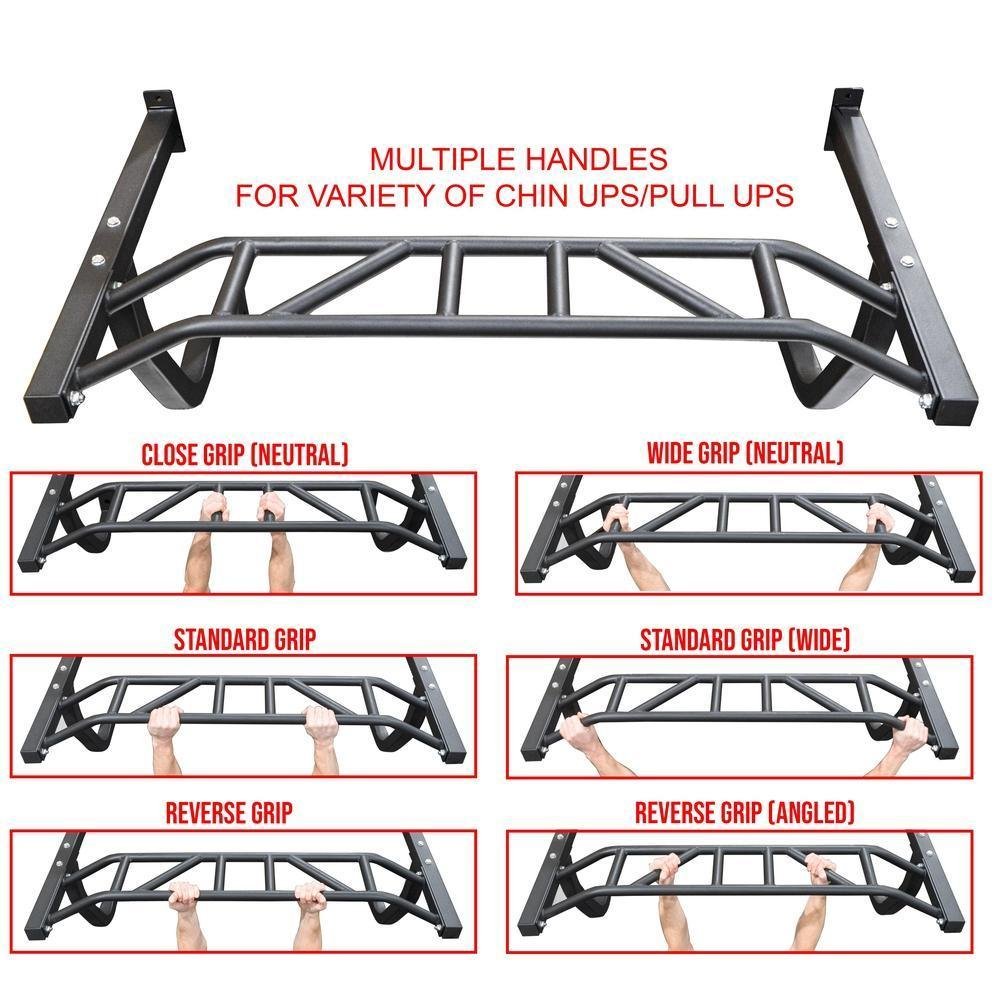
Multi-grip pull-up bars represent the evolution of one of fitness’s most fundamental movements. By offering various grip positions – pronated, supinated, neutral, wide, and angled – these versatile training stations allow users to target specific muscle groups with precision while minimizing joint strain. Unlike their single-position counterparts, multi-grip bars enable progressive training approaches that can break plateaus, prevent overuse injuries, and create balanced development across the entire posterior chain.
Why
“Multi-Grip Pull Up Bar – Valor Fitness” from valorfitness.com
Multi-Grip Pull-Up Bars Transform Your Upper Body Training
“The multi-grip pull-up bar is arguably the most versatile single piece of equipment you can add to any training space. With one installation, you gain access to dozens of upper body training variations that would otherwise require multiple specialized machines.”
Standard pull-up bars force your body into a limited range of positions, creating repetitive stress patterns that can lead to joint fatigue and plateaued results. Multi-grip designs eliminate this problem by allowing you to shift stress points across different muscle groups and joint angles. This variation stimulates new muscle fiber recruitment patterns that continuously challenge your body to adapt and grow.
The ergonomic advantages of multi-grip bars cannot be overstated. Traditional straight bars force wrists and shoulders into positions that may not align with your individual biomechanics. Multi-grip options allow you to find the perfect position for your specific body structure, dramatically improving comfort during high-volume training sessions and reducing injury risk factors that might otherwise limit your training longevity.
Beyond physical advantages, multi-grip bars introduce psychological benefits through training variety. The mental staleness that comes from performing identical movements for months or years disappears when you have multiple grip options at your disposal. This variety maintains mental engagement with your training – a crucial factor for consistency and progression that’s often overlooked in equipment discussions.
Different Grip Options and Their Muscle Impact
The true power of multi-grip pull-up bars lies in how each grip variation shifts muscle recruitment patterns in subtle but significant ways. Understanding these differences allows you to precisely target training adaptations based on your specific goals or weak points.
Standard Pronated Grip: Back Width Development
The classic overhand (pronated) grip remains the foundation of pull-up training for good reason. This position maximizes latissimus dorsi engagement while demanding significant trapezius and rhomboid activation. When performed on a multi-grip bar, you can fine-tune hand spacing to match your shoulder width perfectly, creating optimal biomechanical efficiency that standard bars can’t provide.
What makes the pronated grip particularly effective is how it restricts bicep involvement, forcing your back to handle more of the workload. For those specifically targeting back width development, the standard pronated position should remain a cornerstone of your pulling regimen – but the ability to slightly modify hand position on a multi-grip bar can significantly increase comfort during high-volume training.
“The Supinated Pulldown – A Back …” from www.missionjacked.com
Supinated Grip: Bicep and Lower Lat Activation
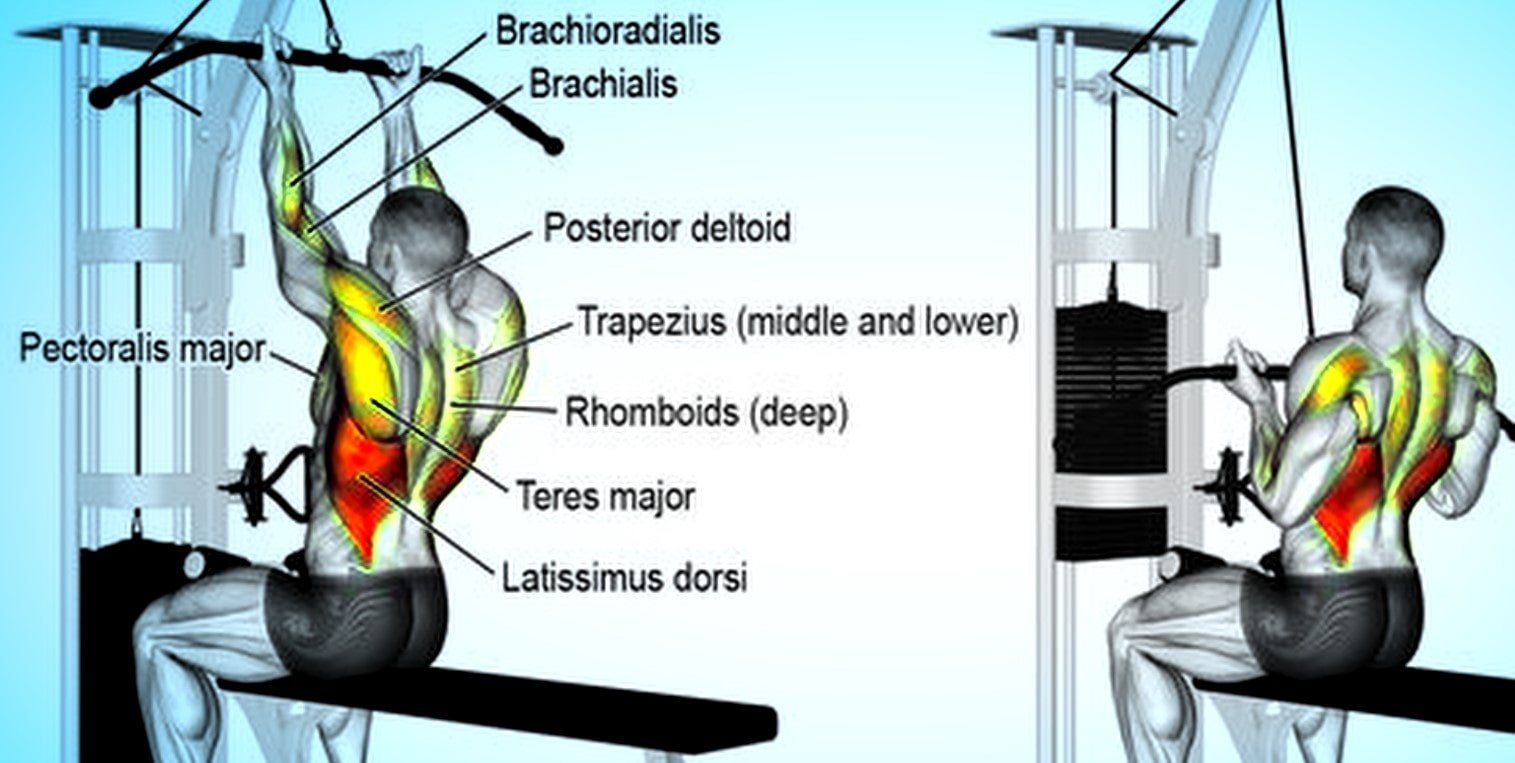
Flipping your grip to a palms-facing (supinated) position dramatically shifts muscle recruitment patterns. This position maximizes biceps brachii involvement while emphasizing the lower fibers of the latissimus dorsi. The supinated grip also creates greater range of motion at the bottom position of the movement, allowing for enhanced stretch and contraction through the full pulling pattern. For more insights on optimizing your workout equipment, check out this guide on stackable plyometric boxes.
For those struggling with standard pull-ups, the supinated grip often serves as an excellent progression tool due to the increased bicep recruitment. The enhanced mechanical advantage allows most trainees to perform more repetitions or handle additional resistance compared to pronated variations. This makes supinated pulls ideal for accumulating training volume while developing the strength needed for more challenging grip variations.
Neutral Grip: Reduced Shoulder Strain with Maximum Back Engagement
Perhaps the most shoulder-friendly position available, the neutral grip (palms facing each other) significantly reduces rotational stress through the shoulder joint. This grip creates a natural arm position that aligns perfectly with human anatomy while still allowing full recruitment of the upper back musculature. For those with any history of shoulder impingement or discomfort, neutral grip pulls should become your primary variation.
What makes neutral grip truly exceptional is the balance it creates between comfort and effectiveness. Unlike other “joint-friendly” exercise modifications that often reduce training stimulus, neutral grip pulls maintain nearly complete back activation while dramatically decreasing joint strain. This makes them ideal for high-frequency training protocols where recovery between sessions becomes a limiting factor.
The neutral grip also produces unique forearm and grip strength adaptations due to the thumb-wrapped position it encourages. Over time, this translates to improved gripping power for other exercises like deadlifts, rows, and carries – creating transfer benefits that extend well beyond pull-up performance.
Wide Grip: Upper Back and Trap Development
Taking your hands to a wide position dramatically increases upper back recruitment, particularly in the trapezius, rhomboids, and rear deltoids. This grip variation creates a shorter range of motion but significantly increases the horizontal pulling component of the exercise. For physique development, wide grip pulls create the visual width across the upper back that many trainees seek.
The mechanical disadvantage created by wide hand placement makes this grip variation considerably more challenging than standard positions. While total repetitions will likely decrease, the targeted stimulus to the upper back fibers makes this an invaluable addition to comprehensive back development. Quality multi-grip bars provide perfectly angled wide grip positions that maintain wrist comfort even in this mechanically disadvantaged position.
For those specializing in activities requiring upper back strength and stability – from Olympic weightlifting to rock climbing – wide grip variations develop the specific regional strength that transfers directly to performance. This specificity makes wide grip pulls less of an accessory exercise and more of a sport-specific training tool.
Commando Grip: Rotational Strength and Core Stability
The often-overlooked commando or angled grip creates rotational forces that develop anti-rotational core strength alongside pulling power. By gripping the bar with one hand in front of the other, you create asymmetrical loading that must be controlled throughout the movement. This variation builds tremendous core stability while still developing primary pulling muscles. For a comprehensive guide on enhancing your workout space, consider exploring compact home gym kits to complement your training regimen.
Commando grips shine in their ability to identify and correct strength imbalances between your left and right sides. Many trainees discover significant discrepancies when first attempting this variation – revelations that might go unnoticed with bilateral exercises. By methodically incorporating commando pulls, you can address these imbalances before they lead to compensation patterns or injuries. For those interested in enhancing their workout routine, consider exploring smart compact rowing machines as a complementary exercise tool.
The unique motor control demands of commando grip pulls make them excellent for developing the neurological efficiency that translates to improved performance across all pulling movements. This neural training effect often produces strength gains that exceed what would be expected from the physiological stimulus alone.
Physical Benefits Beyond Muscle Growth
While aesthetic improvements are often the most visible outcome of multi-grip pull-up training, the functional benefits extend far beyond muscle hypertrophy. These versatile training tools develop fundamental physical capacities that enhance performance across virtually all activities, similar to how stackable plyometric boxes can improve agility and strength.
Improved Grip Strength for Everyday Activities
The varied hand positions offered by multi-grip bars create comprehensive grip development that transfers directly to daily activities. From carrying groceries to opening jars, the practical applications of enhanced grip strength improve quality of life in ways that extend well beyond the gym. Research consistently shows that grip strength correlates strongly with overall health outcomes and longevity.
Each grip variation challenges different aspects of hand strength. Pronated grips build finger flexor endurance, neutral grips develop pinch strength, while wide grips enhance wrist stability. This comprehensive approach creates functional hand strength that single-position training simply cannot match. For those in professions requiring manual dexterity or grip strength, these improvements translate directly to professional performance.
The progressive nature of pull-up training means grip strength develops organically alongside pulling power. Unlike isolated grip training, which many find tedious, pull-up variations build hand strength as a natural byproduct of engaging whole-body movements – making adherence and consistency far more likely.
Better Shoulder Mobility and Joint Health
Regular training across multiple grip positions creates balanced shoulder development that improves mobility while reducing injury risk. By strengthening the rotator cuff and scapular stabilizers through varied movement patterns, multi-grip pull-ups build the foundation for shoulder health that static stretching alone cannot provide. This “active mobility” approach produces shoulders that are both strong and supple.
The controlled hanging position inherent in all pull-up variations creates beneficial traction through the shoulder joint, potentially decompressing structures that become compressed during daily activities. For desk workers especially, this decompressive effect can counteract the forward shoulder position that often leads to impingement syndromes and chronic pain.
By regularly cycling between different grip positions, you ensure complete development of the complex musculature surrounding the shoulder girdle. This comprehensive approach prevents the strength imbalances that often precede shoulder injuries, creating resilient joints that withstand the demands of both athletic endeavors and daily life.
“Back Postural Stresses | Back Postural …” from www.orchardhealthclinic.com
Postural Improvements from Balanced Back Development
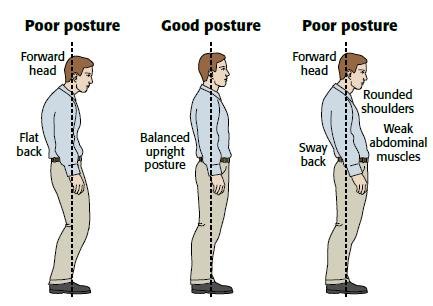
Perhaps no benefit is more visually apparent than the postural improvements that result from regular pull-up training. By strengthening the posterior chain – particularly the mid and upper back – multi-grip pulls directly counteract the hunched posture that plagues modern society. This improved alignment not only enhances appearance but potentially reduces chronic pain associated with poor posture.
The balanced development created by training multiple grip variations ensures that no region of the back becomes disproportionately developed. This symmetrical approach prevents the compensatory patterns that can actually worsen posture when training is improperly balanced. The result is natural, upright posture that reflects both strength and skeletal alignment.
For those concerned with aesthetic outcomes, the postural improvements from comprehensive back training create visual enhancements that extend beyond muscle size alone. The appearance of standing taller, with shoulders properly positioned and spine optimally aligned, creates a commanding physical presence that transcends specific body composition metrics.
Increased Functional Strength for Athletic Performance
The carryover from multi-grip pull-up strength to athletic performance is both immediate and profound. Whether throwing, climbing, swimming, or grappling, the posterior chain development from varied pull-up training translates directly to improved performance. This transfer effect makes multi-grip pulls among the highest ROI exercises for athletic development.
Beyond simple strength improvements, the body control developed through pull-up variations enhances proprioception and kinesthetic awareness. This improved body sense allows athletes to more efficiently express their strength in sport-specific movements, creating performance enhancements that exceed what would be expected from the strength gains alone.
The grip strength developed through varied pull-up training provides a frequently overlooked competitive advantage in many sports. From racquet sports to martial arts, the ability to maintain control through the hands often becomes a performance differentiator at higher competitive levels. This advantage makes multi-grip pull-up training valuable even for athletes in sports not typically associated with pulling strength.
Working Around Shoulder Impingement
Multi-grip pull-up bars provide invaluable options for those dealing with shoulder impingement syndrome. The neutral grip position significantly reduces the internal rotation that often aggravates this condition, allowing continued upper body training without exacerbating symptoms. By shifting to handles that position your palms facing each other, you create a shoulder-friendly environment that maintains training stimulus while supporting the healing process.
For acute impingement cases, start with partial range of motion hangs using the neutral grip. Focus initially on scapular depression and retraction without full elbow flexion to strengthen the stabilizing muscles without compromising the subacromial space. As symptoms improve, gradually increase range of motion while maintaining strict form and avoiding positions that create pain or discomfort.
Elbow Tendonitis Management
Both medial (golfer’s elbow) and lateral (tennis elbow) epicondylitis can make traditional pulling movements challenging. The varied grip positions on multi-grip bars allow you to find hand placements that minimize stress on affected tendons while maintaining training consistency. Typically, the neutral grip creates the least stress on elbow tendons due to the neutral forearm position it creates.
Grip width also plays a crucial role in tendonitis management. Wider grips generally decrease elbow flexion demands while increasing shoulder abduction, which may shift stress away from irritated elbow tendons. Experiment methodically with different positions, noting which create the least discomfort while still allowing productive training.
Implementing a gradual warm-up protocol becomes especially important when managing elbow tendonitis. Begin with hanging progressions before attempting full pull-ups, allowing tendon structures to gradually accommodate to loading patterns. This progressive approach often allows continued training that would otherwise be impossible with limited grip options, such as those found in compact home gym kits.
Gradual Progression After Injuries
Returning to training following upper body injuries requires a methodical approach that multi-grip bars facilitate perfectly. Begin with the grip variation that creates the least stress on previously injured structures, even if this means starting with assisted variations or partial movements. The key is maintaining perfect technique while gradually introducing more challenging positions as healing progresses. For those interested in setting up a versatile workout space at home, consider exploring compact home gym kits vs. complete systems to support your recovery journey.
Isometric holds at various points in the range of motion serve as excellent rehabilitation tools during early recovery phases. By holding static positions at angles that don’t create pain, you can maintain neuromuscular connections and prevent detraining while tissues heal. The multiple grip options allow precise control over which structures receive stress during these isometric phases.
Volume management becomes particularly important during rehabilitation. Rather than performing sets to failure, implement multiple sets of low repetitions with perfect form across different grip variations. This approach maintains total training volume while distributing stress across different tissue structures, preventing any single area from becoming overloaded during the recovery process.
When reintroducing full range of motion following injury, use tempo manipulation to control stress application. Slow eccentric lowering (4-5 second descents) with different grip variations builds tissue resilience while allowing precise control over movement quality. This controlled approach rebuilds not just strength but movement confidence that often suffers following injuries.
“The rehabilitation potential of multi-grip pull-up bars extends beyond physical recovery to include the psychological confidence rebuilding that’s equally vital after injuries. Finding positions where movement feels secure and pain-free accelerates the return to full training capacity in ways that transcend physiological healing alone.”
Create a Complete Upper Body Workout Using Only a Multi-Grip Bar
The versatility of multi-grip pull-up bars allows the creation of comprehensive upper body training sessions using just this single piece of equipment. By systematically rotating through different grip positions, hand placements, and movement patterns, you can target every major muscle group in your upper body while creating sufficient variation to prevent adaptation plateaus.
For optimal results, structure workouts to progress from most challenging movements when fresh to less demanding variations as fatigue accumulates. This approach maximizes training stimulus on priority movement patterns while still allowing sufficient volume across all grip variations. The sample workouts below demonstrate how to implement this principle for different experience levels.
Pull-Up Variations for Every Upper Body Muscle
A properly designed multi-grip pull-up sequence creates complete upper body development by systematically rotating through movement patterns that shift emphasis across different muscle groups. Begin with wide grip pulls for upper back width, progress to standard pronated pulls for mid-back development, incorporate supinated pulls for bicep and lower lat engagement, and finish with neutral grip variations for deep back thickness and forearm development. This systematic rotation ensures comprehensive development while preventing overuse patterns that might occur with single-grip training.
Hanging Core Exercises for Integrated Strength
Extend your multi-grip bar training beyond pulling movements to incorporate hanging core work that develops integrated strength through your entire anterior chain. L-sits, knee raises, windshield wipers, and around-the-world variations all leverage the hanging position to create core challenges that develop both strength and stability simultaneously.
For advanced trainees, the multi-grip options facilitate asymmetrical core training by allowing single-arm hangs with various lower body movements. These unilateral variations develop rotational control and anti-lateral flexion strength that traditional core exercises often miss, creating functional strength that transfers directly to athletic movements and daily activities. For those interested in enhancing their home workout setup, exploring compact home gym kits can provide versatile equipment options.
Isometric Holds for Strength Development
Integrate strategic isometric holds at different points in the pull-up range of motion to overcome sticking points and develop position-specific strength. Focus particularly on the mid-range hold (arms at 90-degree angle) and the top position hold (chin over bar) using different grip variations to build both mechanical strength and neuromuscular control throughout the pulling pattern. These isometric phases create unique training stimuli that dynamic repetitions alone cannot provide.
Weekly Training Schedule Example
|
Day |
Focus |
Primary Movements |
Volume |
|---|---|---|---|
|
Monday |
Strength |
Weighted neutral grip pulls, Wide grip max effort sets |
5 sets of 3-5 reps |
|
Wednesday |
Volume |
Supinated grip pulls, Commando pulls (alternating) |
4 sets of 8-12 reps |
|
Friday |
Endurance |
Circuit all grip variations, Hanging core work |
3 rounds of 6-8 reps each |
|
Weekend |
Active Recovery |
Dead hangs, Scapular depressions |
3-5 sets of 30-60 seconds |
This balanced approach ensures complete development while providing sufficient recovery between similar movement patterns. For beginners, reduce volume by 40-50% and incorporate band assistance as needed while maintaining the same basic structure.
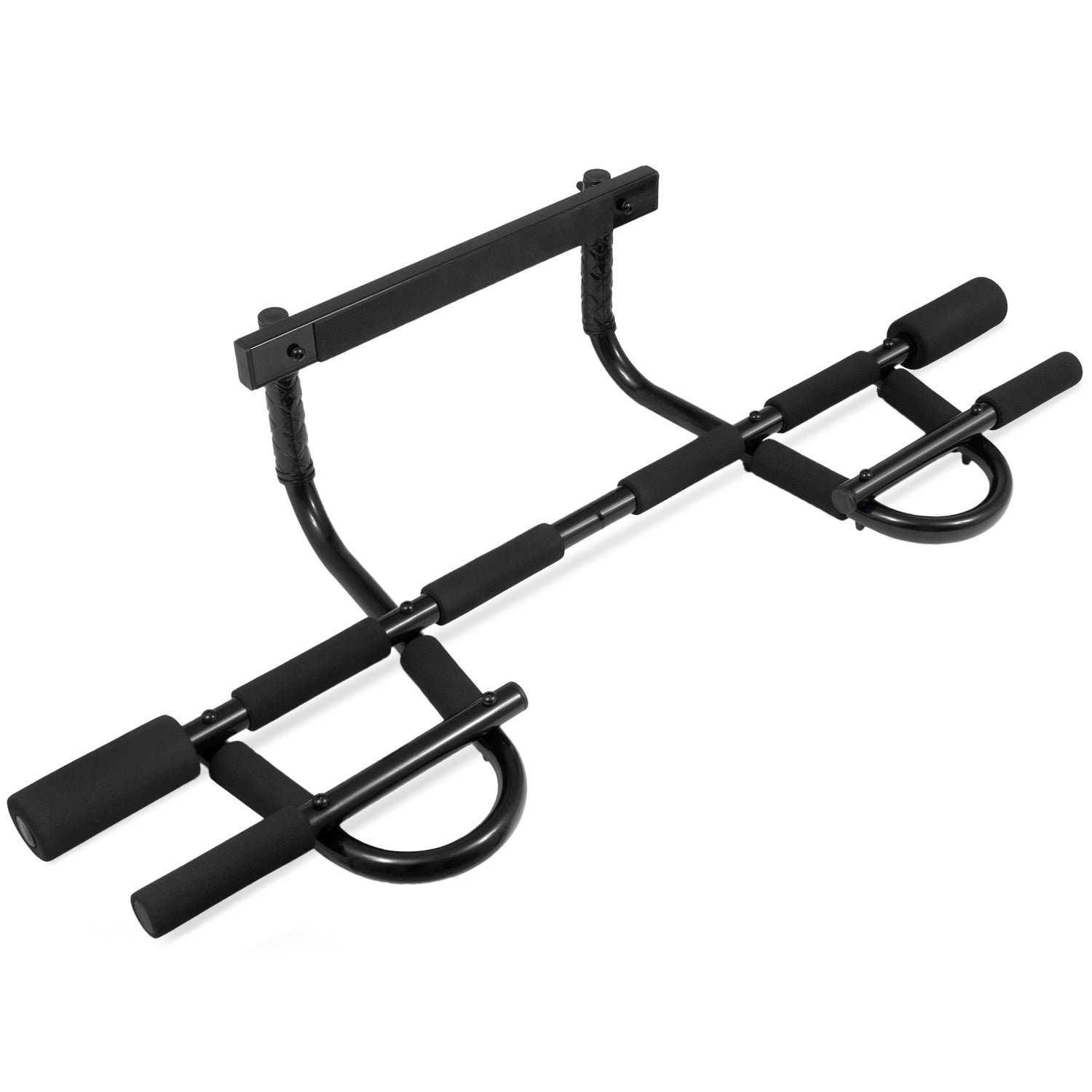
“Multi-Grip Pull-Up Bar – ProsourceFit” from www.prosourcefit.com and used with no modifications.
Multi-Grip Bars: The Ultimate Home Gym Investment
Dollar for dollar, no piece of home gym equipment delivers more functional training value than a quality multi-grip pull-up bar. While other equipment often addresses limited movement patterns or becomes obsolete as you progress, a well-constructed multi-grip bar remains challenging and effective regardless of your strength level. From beginners using assistance bands to advanced athletes adding external loads, this single installation provides progressive training options that grow with your capabilities for years or even decades.
Frequently Asked Questions
The following questions address the most common concerns and confusion points regarding multi-grip pull-up training. These practical answers will help optimize your training approach regardless of your current ability level or specific goals.
What’s the best multi-grip pull-up bar for beginners?
Look for multi-grip bars that offer both neutral and supinated grip options, as these positions typically allow beginners to perform more repetitions while building foundational strength. The neutral grip particularly reduces shoulder strain during the learning process. Wall-mounted options from companies like PRX Performance offer excellent stability for beginners while providing multiple grip positions that accommodate progressive skill development.
Also prioritize models that allow easy attachment of assistance bands for progression. Many quality multi-grip bars feature design elements specifically for securing bands, making the progression from assisted to unassisted pull-ups more seamless. This feature becomes invaluable during the early stages when building the strength needed for unassisted repetitions. For additional equipment to enhance your workout, consider exploring our guide on stackable plyometric boxes.
How many times per week should I train with a multi-grip pull-up bar?
For optimal results, most trainees should direct pull-up training 2-3 times weekly with at least 48 hours between sessions focusing on similar grip positions. This frequency provides sufficient stimulus for adaptation while allowing adequate recovery for the demanding nature of bodyweight pulling movements. Advanced trainees can increase frequency to 4-5 sessions weekly by rotating different grip variations that shift stress to different muscle groups, effectively creating a daily undulating approach that prevents overtraining specific movement patterns.
Can multi-grip pull-up bars help with lower back pain?
The hanging position inherent in pull-up training creates beneficial spinal decompression that may alleviate certain types of lower back discomfort, particularly pain associated with compression-based issues. Additionally, the core stabilization required during proper pull-up execution strengthens the deep core musculature that supports optimal spine positioning, potentially addressing one common contributor to lower back discomfort. For those interested in enhancing their workout routine, consider exploring stackable plyometric boxes to complement your pull-up training.
However, proper progression is crucial. Begin with supported hanging positions and focus on maintaining neutral spine alignment throughout all movements. The neutral grip position typically creates the most stable environment for those with back concerns due to the natural arm position it facilitates. As always, consult with healthcare providers before using exercise as a pain management strategy.
What grip should I use if I’m trying to target my biceps more?
The supinated (underhand) grip maximizes biceps brachii recruitment during pull-up movements by placing these muscles in an optimal position to contribute to elbow flexion throughout the range of motion. For even greater biceps emphasis, try a slightly narrower than shoulder-width supinated grip, which increases the relative contribution of the biceps compared to the latissimus dorsi. This grip variation effectively transforms the pull-up into a compound movement with significant biceps emphasis.
Are multi-grip pull-up bars worth the extra cost over standard straight bars?
For anyone planning regular, long-term upper body training, the additional investment in a multi-grip bar delivers exceptional value through training longevity alone. The varied positions significantly reduce repetitive stress patterns that often lead to overuse injuries with standard bars, potentially extending your training career by years or even decades. This injury prevention aspect alone justifies the incremental cost difference.
Beyond injury prevention, the training variety created by multiple grip options accelerates progress by preventing adaptation plateaus that often occur with single-position training. This continued progress translates to greater strength development and muscle growth over time compared to standard bar training, creating superior long-term outcomes despite the higher initial investment.
Quality multi-grip bars also typically feature superior construction compared to basic models, with weight capacities and stability that accommodate advanced training techniques like weighted pulls or gymnastic movements. This extended performance envelope ensures the equipment remains challenging regardless of how your capabilities develop over time. For those interested in versatile fitness options, exploring compact home gym kits can provide additional insights into optimizing your workout space.
BestProductsForMen.org participates in affiliate programs, which means we may earn a commission if you click on a link and make a purchase. This comes at no additional cost to you. We only recommend products we personally trust, use, or believe will provide value to our readers.
Our goal is to provide honest, helpful reviews and recommendations so you can make informed decisions.
Leave a Reply to Omega-3 Fatty Acids for Depression in Introverted Men Cancel reply