
BestProductsForMen.org participates in affiliate programs, which means we may earn a commission if you click on a link and make a purchase. This comes at no additional cost to you. We only recommend products we personally trust, use, or believe will provide value to our readers.
Our goal is to provide honest, helpful reviews and recommendations so you can make informed decisions.
Key Takeaways
Mood tracking apps for men offer a private, low-pressure way to understand emotions, recognize patterns, and build self-awareness over time.
- Mood-tracking apps provide introverted men with private spaces to process emotions without the pressure of social interaction
- These digital tools transform emotional data into actionable insights, helping identify specific triggers and patterns
- Apps like Daylio, MoodKit, and Stoic are specifically designed with features that cater to introverted personalities
- Regular mood tracking can help build emotional intelligence and self-awareness with minimal social battery depletion
- FocusKeeper offers specialized tools that complement mood tracking for a comprehensive mental wellness approach
Finding the right mental health tools when you prefer your own company isn’t just convenient—it’s essential. Mood-tracking apps have emerged as powerful allies for introverted men who process their thoughts internally rather than through conversation.
The digital landscape has transformed how we approach mental wellness, with specialized applications now providing sanctuary for those who find traditional talk therapy draining or uncomfortable. For introverted men who value privacy and self-reflection, these tools offer a judgment-free zone to explore emotional patterns without depleting their social batteries. FocusKeeper stands at the forefront of this movement, understanding that mental wellness begins with self-awareness and private reflection opportunities.
The stigma around men’s mental health creates additional barriers that these digital solutions elegantly bypass. Rather than forcing uncomfortable verbal expressions of feelings, mood-tracking apps translate emotional experiences into data—speaking the language many analytical minds prefer. For introverts, mood tracking apps for men create space for reflection without social pressure.
Why Mood-Tracking Apps Are Game-Changers for Introverted Men
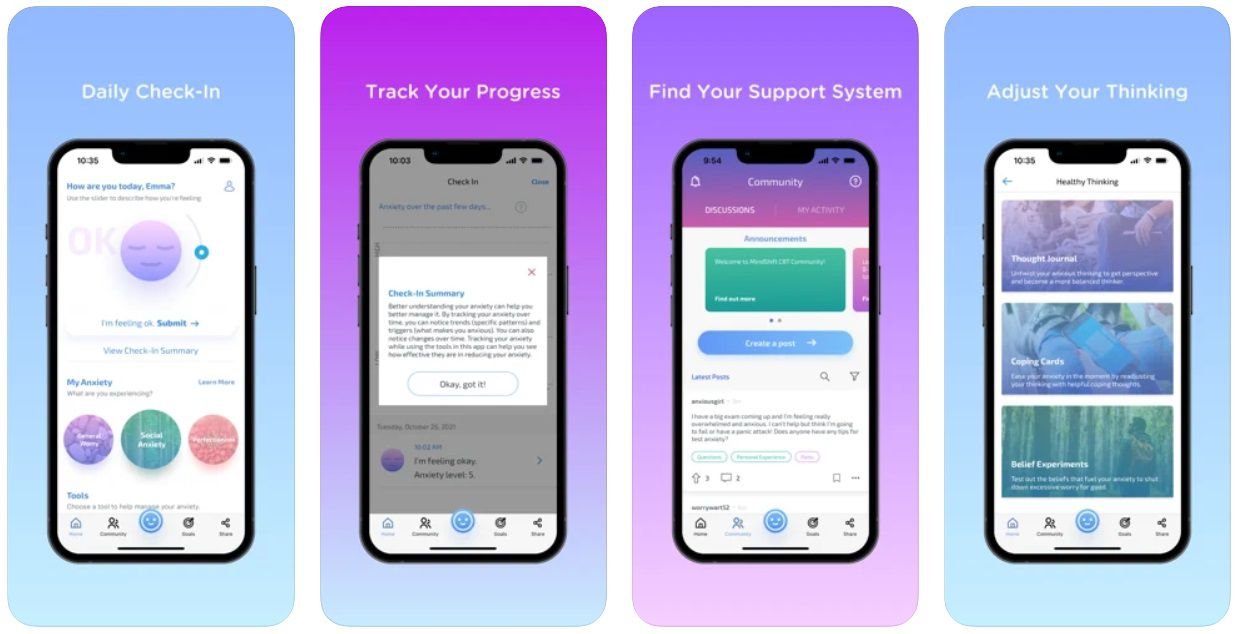
“Best Mood Tracker Apps” from www.verywellmind.com and used with no modifications.
Traditional mental health approaches often center around verbal expression and social interaction—precisely what many introverted men find draining rather than healing. Mood-tracking apps flip this model, offering a sanctuary where introspection becomes a strength rather than a barrier to wellness.
These digital tools transform the naturally observant nature of introverts into a superpower. The quiet attention to detail that characterizes many introverted men becomes the foundation for meaningful pattern recognition when consistently tracking emotional states. Unlike group therapy or even traditional one-on-one sessions, these apps don’t require immediate verbalization of complex feelings—they allow processing at your own pace, in your own space. For more insights, check out this article on antidepressant myths for introverted men.
Perhaps most significantly, they eliminate the performance aspect of mental health work. Many men report feeling pressured to respond “correctly” in therapeutic settings or to demonstrate immediate progress. Mood trackers remove this audience effect, creating space for authentic emotional processing without the energy drain of managing others’ perceptions.
5 Ways Mood-Tracking Benefits Men Who Prefer Privacy
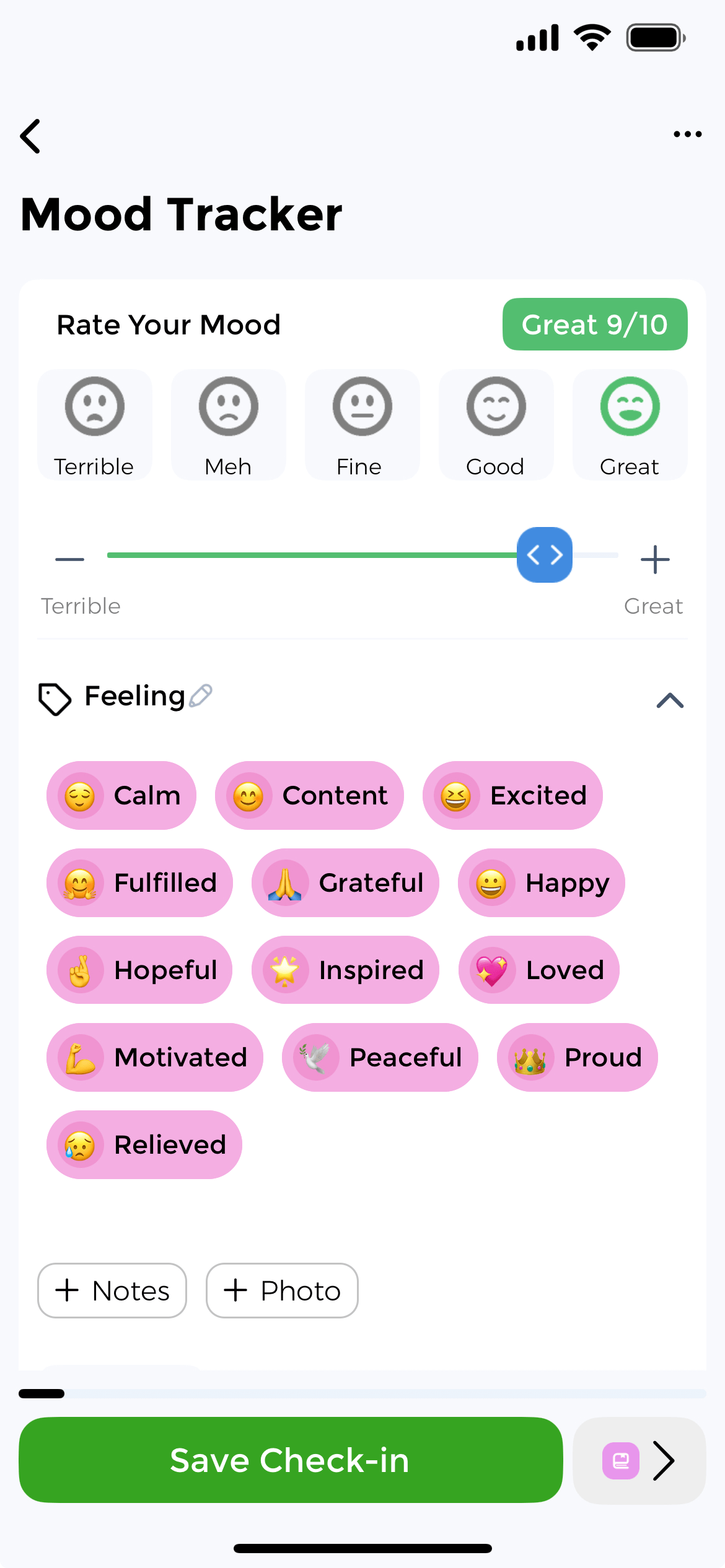
“Mood Tracker App To Log and Reflect” from careclinic.io
The intersection between introversion and mental health management reveals unique advantages when digital tracking tools enter the equation. Unlike methods that demand social energy, mood-tracking apps harness introverted strengths while respecting boundaries.
- Creates data-driven insights without requiring verbal processing
- Eliminates judgment and social pressure during vulnerable moments
- Builds self-awareness through private reflection opportunities
- Provides structure for emotional processing on your own timeline
- Connects physical and emotional patterns without invasive questioning
These benefits directly address the challenges many introverted men face when attempting to prioritize their mental health without compromising their need for solitude and energy conservation.
Private Space to Process Emotions Without Social Pressure
The cornerstone advantage of mood-tracking apps lies in their fundamental privacy. Unlike therapy sessions or conversations with friends, these digital tools create an environment completely free from social observation and judgment. This privacy proves particularly valuable for introverted men who may feel the weight of masculine expectations around emotional expression.
Within these digital sanctuaries, men can name and process emotions they might otherwise suppress or ignore. The act of acknowledging feelings becomes separated from the performance of discussing them, removing layers of social complexity that often prevent authentic reflection. For many introverts, this private processing space becomes the first environment where true emotional honesty feels possible and sustainable.
The absence of social pressure also removes time constraints from the emotional processing journey. Unlike conversations that demand immediate responses, tracking applications allow for extended contemplation and revisiting of emotions—perfect for the thoughtful, deliberate processing style many introverted men prefer.
Data-Driven Insights Replace Uncomfortable Verbal Expression
For men who struggle with articulating emotions through conversation, mood-tracking apps offer an alternative language: data. These applications transform subjective feelings into objective patterns, creating distance that makes emotional processing more approachable for analytical minds.
Youper: AI-Powered Conversations for Emotional Insights
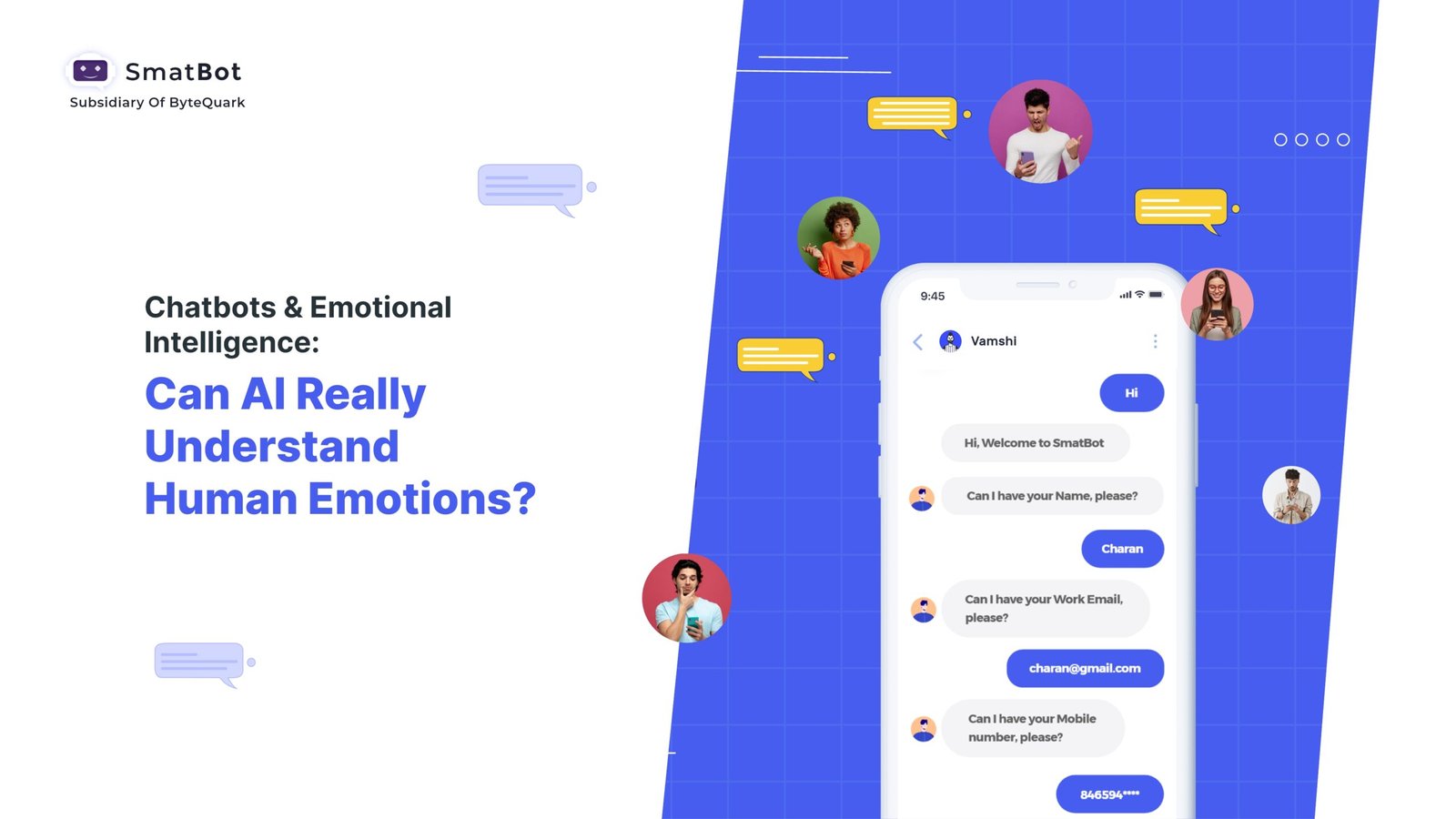
“AI: Chatbots with Emotional Intelligence” from www.smatbot.com
Youper stands out as a particularly valuable tool for introverted men who appreciate thoughtful interactions without social drain. The app’s AI assistant conducts brief, structured conversations about your emotional state, asking follow-up questions that help clarify feelings without judgment or social pressure.
- Quick check-ins take just 30 seconds to 2 minutes
- AI learns your patterns over time, making conversations increasingly relevant
- Insights connect emotional states with activities, sleep, and other factors
- Visual mood charts show progress over time without requiring extensive writing
What makes Youper exceptional for introverted personalities is the conversation-like interface that provides the benefits of dialogue without the energy expenditure of human interaction. The AI remembers previous discussions, creating continuity without requiring you to re-explain your history as you might with a new therapist or friend.
Many users report that articulating thoughts to an AI feels safer than human conversations, allowing for more honest reflection. “I can tell Youper things I wouldn’t feel comfortable sharing with anyone else,” explains one user. “There’s no fear of being judged or having to manage someone else’s reaction to my feelings.”
The app’s ability to spot connections between daily activities and mood states proves particularly valuable for introverts who may already be observant of their environments but need help organizing these observations into actionable patterns.
MoodMission: Problem-Solving Focus with Specific “Missions”
MoodMission takes a distinctly action-oriented approach that appeals to men who prefer concrete solutions over extended emotional exploration. When you report feeling anxious or depressed, the app immediately suggests five personalized “missions” designed to improve your mental state through evidence-based activities tailored to your preferences and previous feedback.
How to Choose the Right App for Your Personality Type
The most effective mood-tracking app isn’t necessarily the one with the most features—it’s the one you’ll actually use consistently. For introverted men, this means finding an interface and approach that aligns with your natural thinking style and communication preferences. Additionally, understanding the role of omega-3 fatty acids in managing depression can also be beneficial.
Consider how you naturally process information in other areas of life. Do you prefer visuals over text? Short inputs over extended writing? Statistical analysis over free-form reflection? The answers to these questions can guide you toward apps that will feel intuitive rather than burdensome, increasing the likelihood you’ll maintain the tracking habit long enough to see meaningful patterns emerge.
Apps for Analytical Thinkers Who Want Data Visualization
“Data Visualization Tools …” from www.toptal.com
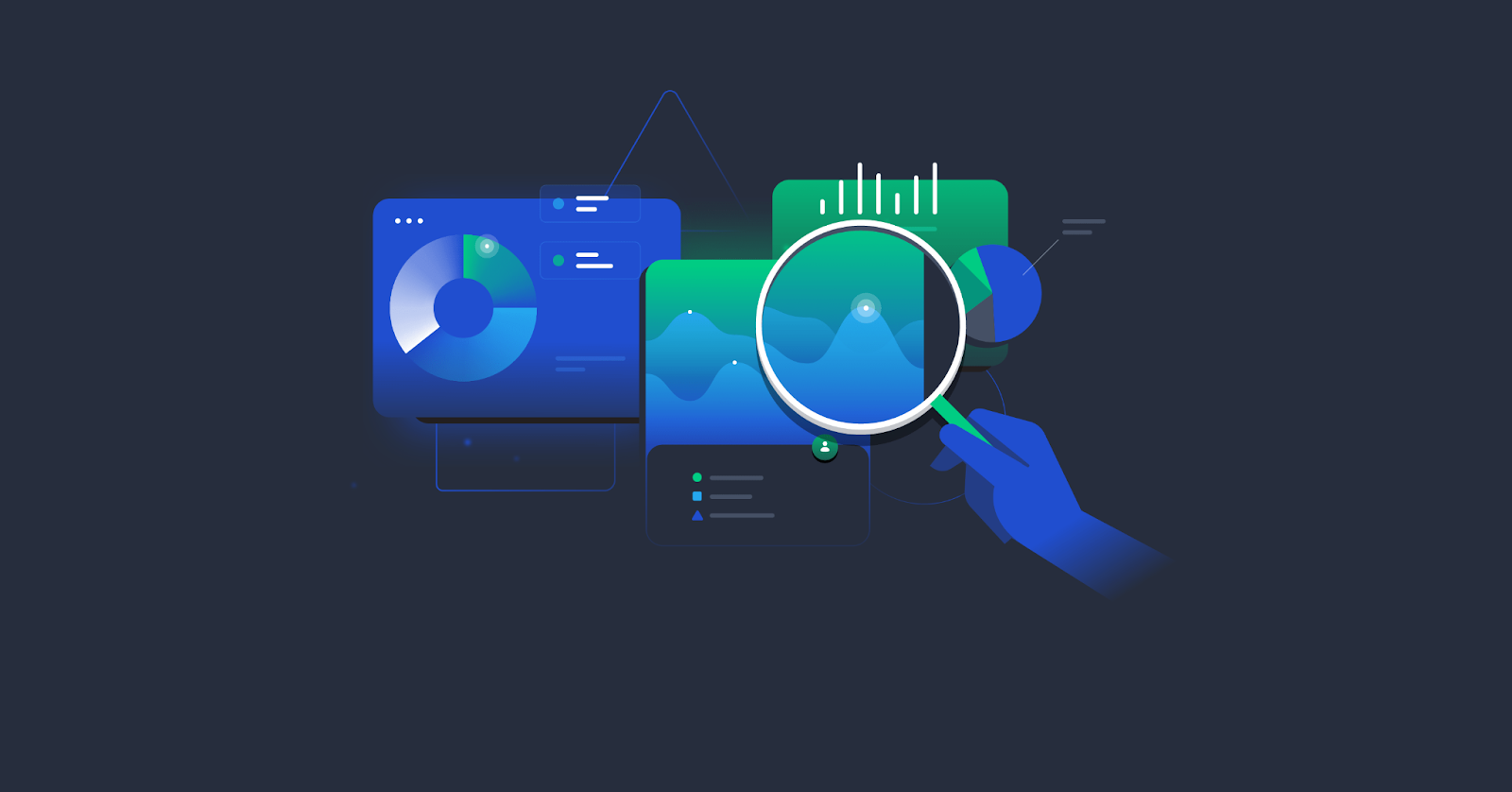
If you find yourself drawn to spreadsheets, graphs, and quantifiable metrics in other areas of life, you’ll likely appreciate mood trackers that transform emotional states into visual data. Apps like Daylio and MindDoc excel in this area, converting daily inputs into color-coded charts that reveal patterns at a glance without requiring extensive verbal processing.
These apps appeal particularly to men in technical or analytical fields who appreciate seeing correlations between variables. For example, you might discover that sleep quality directly impacts your stress resilience, or that specific work projects consistently affect your mood in predictable ways. This data-centered approach creates emotional distance that makes self-reflection feel more objective and less overwhelming for those who prefer analytical thinking.
Options for Creative Types Who Prefer Journaling
“10 Benefits Of Creative Journaling …” from medium.com
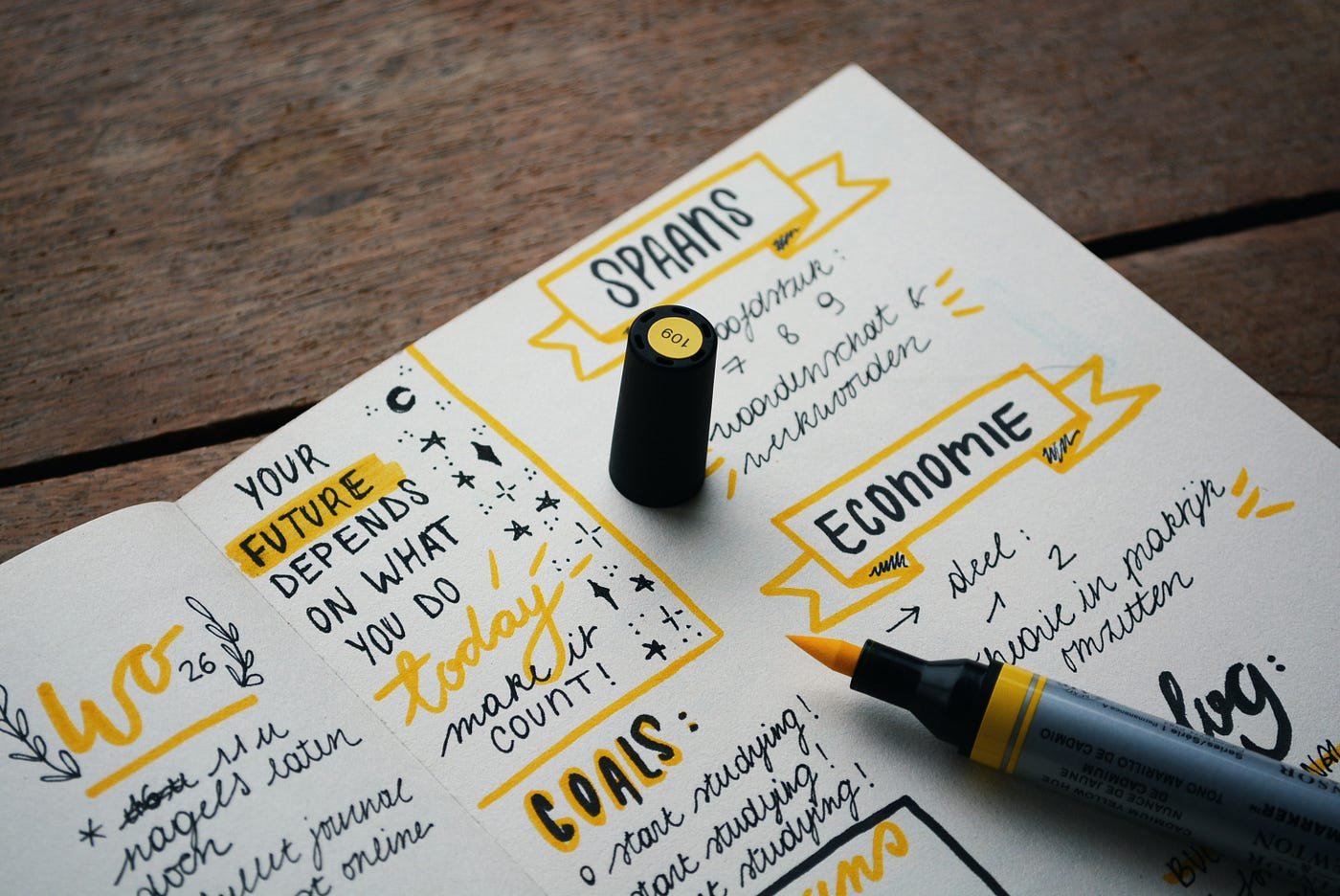
For introverts with more creative or narrative-focused minds, apps like Moodnotes and Reflectly offer rich journaling features that encourage written exploration alongside mood tracking. These platforms provide thoughtful prompts and questions that guide reflection without requiring you to start from a blank page—perfect for processing complex emotions through writing rather than conversation.
Solutions for Goal-Oriented Men Who Need Structure
If you thrive with clear objectives and measurable progress, consider structured apps like MoodMission or Woebot that frame emotional management as a skill-building process with concrete milestones. These platforms transform mental health work into achievable “missions” or learning modules that satisfy the need for tangible progress.
These goal-oriented options particularly benefit introverted men who feel uncomfortable with open-ended emotional exploration but respond well to clear frameworks. By transforming mood management into a systematic process with measurable outcomes, these apps create a sense of control that can make vulnerability feel safer.
Getting Started: A 3-Step Process to Build Your Tracking Habit
The effectiveness of any mood-tracking app depends entirely on consistent use. For introverted men, building this habit means finding a sustainable approach that doesn’t create additional mental burden or feel like yet another social performance.
The key lies in starting small and focusing on the aspects that provide immediate value rather than trying to utilize every feature immediately. Most abandoned mood-tracking attempts fail because users try to record too much information too frequently before establishing the basic habit. For those interested in the role of supplements in mental health, exploring the impact of omega-3 fatty acids can be beneficial.
Remember that consistency trumps comprehensiveness, especially in the beginning. A simple record maintained for months will reveal far more useful patterns than an elaborate tracking system abandoned after two weeks. For those interested in enhancing their personal growth journey, exploring solo adventure travel experiences can be a rewarding addition to the process.
Start with Just One Daily Check-in
“Amazon.com: The Daily Check-In Journal …” from www.amazon.com
Begin with the minimal viable tracking habit: a single daily mood check-in at the same time each day. Choose a moment that naturally offers a few seconds of transition, such as right after brushing your teeth at night or during your morning coffee. This single data point, collected consistently, forms the foundation of your tracking practice.
After establishing this baseline habit for at least two weeks, you can gradually expand to include more detailed information about sleep, activities, or triggers. The progressive approach prevents overwhelm while building a sustainable practice that feels manageable rather than burdensome. For those interested in further exploring mental health topics, you might find our discussion on antidepressant myths for introverted men insightful.
Use Reminders That Work With Your Schedule
The default notification settings in most apps rarely align with individual lifestyles. Take time to customize when and how your app requests input, ensuring these moments work with your natural rhythms rather than against them.
Effective Reminder Strategy for Introverts
Morning check-in: Schedule during solo time (coffee, commute)
Evening reflection: After social interactions end, before relaxation
Notification style: Text-based rather than sounds or vibrations
Frequency: Start with one daily, increase only after consistent use
For many introverted men, notifications that feel like social intrusions will quickly lead to app abandonment. Choose reminder formats that feel like helpful tools rather than demanding presences—perhaps a silent banner notification rather than an alert with sound.
Consider temporarily disabling other app notifications during your early habit-formation period. This prevents your mood tracker from becoming just another ignored alert in an overwhelming digital landscape.
Review Weekly to Find Actionable Patterns
The true value of mood tracking emerges not from individual entries but from the patterns they reveal over time. Schedule a weekly review session—ideally during a naturally reflective time, such as Sunday evening—to look for correlations between activities, environments, social interactions and emotional states. Understanding these patterns can be as impactful as recognizing the role of omega-3 fatty acids in managing depression.
Common Patterns Introverted Men Discover Through Tracking
Consistent mood tracking often reveals patterns that would otherwise remain invisible, especially for introverted men who may have learned to dismiss or ignore emotional signals. These discovered connections between external factors and internal states create powerful opportunities for targeted adjustments that significantly improve quality of life.
Social Battery Depletion Timelines
One of the most valuable insights introverted men discover through tracking is their precise social battery depletion rate across different contexts. Many find that certain social situations—like large networking events with strangers—drain energy dramatically faster than smaller gatherings with familiar faces. Others discover that specific individuals consistently impact their emotional state in predictable ways, either energizing or depleting them regardless of activity.
Connection Between Physical Activity and Mental Clarity
“Boosting Mental Health Through Physical …” from workscounselingcenter.com
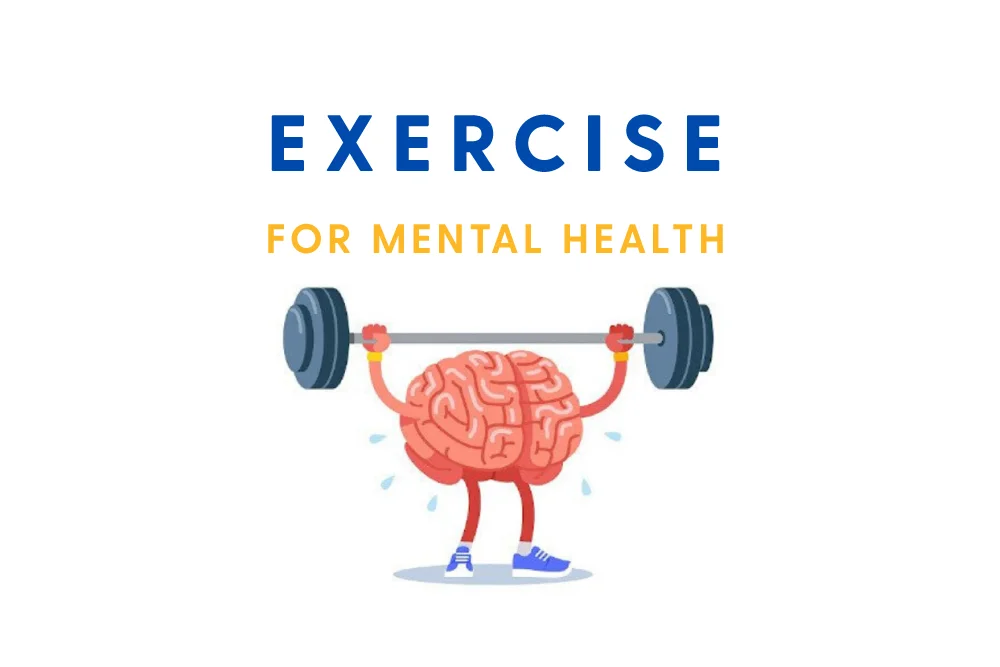
Tracking frequently reveals the powerful but often overlooked relationship between movement and mental state. Many introverted men discover that even brief physical activity—particularly solo activities like running, cycling, or strength training—serves as a reliable reset button for mental clarity. The data often shows that outdoor activity specifically provides stronger benefits than similar movements indoors, creating a clear cause-and-effect relationship that can be strategically employed during difficult periods.
Impact of Digital Consumption on Mood Fluctuations
Tracking consistently reveals surprising connections between screen time and emotional states, often in ways that contradict conventional wisdom. Many introverted men discover that not all digital consumption affects them equally—while social media often correlates with decreased mood scores, certain gaming experiences or educational content might actually show positive emotional impacts. The key insight typically isn’t about eliminating digital interaction but about identifying which specific digital activities serve as genuine recharge time versus those that masquerade as relaxation while actually increasing stress or anxiety.
Sleep Quality Correlation with Emotional Resilience
“poor sleep quality …” from link.springer.com
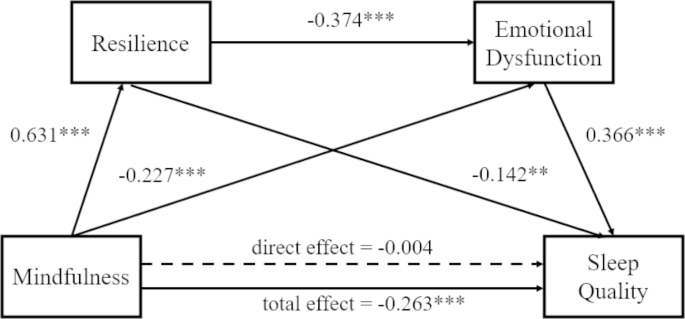
Perhaps no pattern appears more consistently in mood tracking data than the relationship between sleep quality and emotional regulation capacity. Many introverted men discover through tracking that their sensitivity to social stressors increases dramatically following poor sleep, while their ability to find enjoyment in solitary activities decreases. This data often reveals that sleep quality matters significantly more than quantity—six hours of uninterrupted sleep frequently produces better mood outcomes than eight hours of fragmented rest. For many, this connection creates a clear priority: protecting sleep quality becomes the foundation of emotional resilience rather than an afterthought.
When to Share Your Tracking Insights with Professionals
While mood-tracking apps provide powerful self-insight tools, they work best as companions to professional support rather than replacements—particularly when tracking reveals concerning patterns. Understanding when and how to share this data with mental health professionals can significantly improve treatment outcomes and communication efficiency.
The digital nature of these tracking tools creates unique opportunities for therapeutic partnerships. Rather than relying on memory during occasional sessions, comprehensive data provides therapists with objective information about your daily experiences between appointments. This shifts the therapeutic conversation from reconstruction of past events to strategic planning based on established patterns.
For introverted men who find verbal emotional expression challenging, sharing tracking data offers an alternative communication channel that often feels more comfortable than spontaneous discussion. Many report that having concrete information to share reduces session anxiety and creates natural conversation starting points. For more insights, explore the antidepressant myths related to introverted men.
- Share consistently low mood ratings lasting more than two weeks
- Bring data showing significant mood variability without clear triggers
- Present tracking that reveals correlation between specific events and severe mood drops
- Discuss patterns showing deterioration in sleep, appetite, or energy levels
- Review data before appointments to identify specific questions or concerns
Red Flags That Indicate Need for Additional Support
Mood tracking data sometimes reveals patterns that warrant professional attention, even for those not currently in therapy. Pay particular attention to consistent downward trends that don’t respond to your usual coping strategies, especially when accompanied by changes in sleep, appetite, or interest in previously enjoyable activities. Another concerning pattern is extreme mood volatility without clear external triggers, which might indicate underlying issues beyond typical introvert energy management. Perhaps most importantly, any tracking that shows thoughts of self-harm or hopelessness represents an immediate signal to connect with professional support, regardless of whether these thoughts feel actionable or theoretical. For more information on tools that can assist in monitoring these patterns, explore mood tracker apps that support mental health.
How to Present App Data to Make Therapy More Effective
When sharing mood tracking insights with mental health professionals, organization dramatically improves usefulness. Rather than simply handing over your phone, consider exporting relevant data periods and highlighting specific patterns you’ve noticed or questions they raise. Many therapists appreciate receiving this information before sessions, allowing them to review trends thoughtfully rather than scanning during limited appointment time. Frame your tracking as a collaborative tool rather than conclusive evidence—”I’ve noticed this pattern and wonder what you think” opens more productive conversations than presenting data as definitive proof of specific issues. This approach respects both your observations and the therapist’s expertise, creating partnership rather than potential defensiveness. For further understanding, consider reading about antidepressant myths for introverted men.
Finding Therapists Who Embrace Digital Mental Health Tools
Not all mental health professionals have equivalent comfort with digital tracking tools, making compatibility in this area worth considering when selecting a therapist. During initial consultations, ask directly about their experience incorporating app-based tracking into treatment approaches. Therapists with cognitive-behavioral orientations often have more experience integrating data tracking, while those from psychodynamic backgrounds might place less emphasis on these tools. Many practices now specifically advertise “tech-integrated therapy” or similar approaches that welcome digital tools as part of the therapeutic alliance. For introverted men already investing in tracking habits, finding a professional who values this work rather than ignoring it creates significantly better treatment alignment and validates the self-insight work already underway.
Remember that your tracking data belongs to you—if a therapist seems dismissive of insights you’ve gathered through consistent monitoring, this might indicate a mismatch in treatment philosophy rather than a problem with the tracking approach itself. The ideal therapeutic partnership treats your digital insights as valuable information while adding professional context and suggesting additional areas for observation. For more information on maintaining a balanced lifestyle, consider exploring omega-3 fatty acids’ role in managing mental health.
Your Mental Health Journey Starts with a Single Tap
“Mental Health Apps for Stress, Anxiety …” from www.verywellmind.com and used with no modifications.
The path to better understanding your unique emotional patterns doesn’t require dramatic lifestyle changes or uncomfortable social exposure. For introverted men, the digital nature of mood-tracking apps creates a private, accessible entry point to mental health awareness that works with rather than against natural preferences for reflection and solitude. The insights gained through consistent tracking often reveal simple but powerful adjustments that significantly improve quality of life without requiring personality overhauls or exhausting social performances.
The most valuable aspect of mood tracking for many introverted men isn’t the app itself but the permission it provides to prioritize emotional awareness without judgment. In a culture that often expects men to ignore emotional data or process it through conversation, these digital tools create alternative pathways that respect different processing styles while still supporting genuine growth. FocusKeeper and similar applications continue developing specialized tools that complement mood tracking for comprehensive mental wellness approaches tailored to individual needs.
Frequently Asked Questions
As you consider incorporating mood tracking into your mental wellness routine, several common questions arise—particularly for introverted men concerned about privacy, effectiveness, and practical implementation. The following answers address these concerns based on both research evidence and user experiences.
Can mood-tracking apps replace therapy for introverted men?
Mood-tracking apps serve as valuable companions to therapy rather than replacements. While these digital tools excel at pattern identification, they cannot provide the professional interpretation, personalized strategies, and accountability that trained therapists offer. For introverted men specifically, apps may actually create a more comfortable pathway to traditional therapy by providing concrete data that facilitates focused discussions rather than open-ended emotional exploration.
That said, tracking apps often provide significant benefit even without concurrent therapy, especially for those with mild to moderate concerns or those in therapy waiting periods. Many users report increased self-awareness and improved coping strategy selection through app use alone, particularly when their challenges center around managing introversion-related energy rather than clinical conditions.
The ideal approach combines digital tracking with periodic professional consultation—using apps for daily insight while bringing patterns to a therapist for deeper understanding and strategy development. This hybrid model often feels particularly comfortable for introverted men who prefer preparation before verbal processing.
If professional therapy remains inaccessible due to financial or logistical barriers, mood-tracking apps still offer significant value as stand-alone tools, especially when combined with evidence-based self-help resources that provide context for observed patterns.
Finding the Right Support Balance
Mild concerns: App tracking + self-education resources
Moderate issues: App tracking + periodic therapy consultations
Severe symptoms: App tracking + regular therapy + possibly medication
Crisis situations: Immediate professional help + app data to share context
How long does it take to see meaningful patterns in mood-tracking data?
Most users begin noticing simple correlations between activities and mood states within two weeks of consistent tracking. However, more subtle patterns—particularly those related to cyclical factors like work stress, hormonal fluctuations, or seasonal changes—typically require at least a month of data to emerge clearly. For introverted men specifically, the relationship between social interaction and energy depletion often becomes visible quite quickly, while more complex patterns connecting mood to physical factors like sleep quality or nutrition might take longer to establish. The key variable isn’t just time but consistency—tracking that captures the full range of your typical experiences will reveal patterns more quickly than sporadic recording.
Are these apps secure enough for sharing sensitive personal information?
Security measures vary significantly between mood-tracking applications, making this an essential consideration before choosing a platform. Look specifically for apps that offer password protection, data encryption, and clear privacy policies that explain exactly how your information is stored and whether it’s shared with third parties. Many quality apps now offer local storage options that keep your data exclusively on your device rather than cloud servers. For maximum security, consider apps that don’t require account creation or email registration, allowing completely anonymous use. Remember that even with secured apps, your device’s overall security matters—ensure your phone has strong password protection and updated operating systems to prevent unauthorized access.
What should I do if tracking my mood makes me feel more anxious?
Increased anxiety from mood tracking usually stems from one of several addressable causes. Often, it results from tracking too many variables simultaneously or setting unrealistic consistency expectations—simplifying to just basic mood ratings often helps. For others, seeing negative patterns without having strategies to address them creates helplessness; pairing tracking with specific coping skills or professional support can transform this anxiety into empowerment. Some find that certain visualization formats (like seeing several “red” days in a row) triggers unnecessary concern; many apps allow customization of how data displays. If anxiety persists despite adjustments, consider a tracking schedule that feels manageable—perhaps alternate-day recording or weekly instead of daily check-ins—while still providing enough data for meaningful patterns.
Can I share my mood tracking data with friends or family instead of a therapist?
Sharing tracking insights with trusted individuals can provide valuable support, particularly for introverted men who maintain a small circle of deep connections rather than broad social networks. However, this approach works best with careful boundaries and expectations. Choose confidants who demonstrate non-judgmental listening and respect for emotional complexity rather than those who rush to problem-solve or dismiss feelings. Consider sharing specific insights or patterns rather than providing complete access to your tracking data, maintaining privacy while still receiving support. Remember that even the most well-intentioned friends lack professional training in interpreting psychological data; their value lies in emotional support rather than clinical analysis.
For many introverted men, selective sharing with one trusted person creates a beneficial accountability structure without the drain of wider social disclosure. This middle path between complete privacy and professional support often provides motivation to continue tracking while still maintaining the sense of emotional safety that comes from controlled vulnerability.
The digital nature of mood tracking creates opportunities for connection that might feel more comfortable than traditional verbal processing. Some apps include optional sharing features that allow limited visibility into specific metrics without exposing your complete emotional landscape—perfect for introverts who prefer partial rather than total disclosure.
BestProductsForMen.org participates in affiliate programs, which means we may earn a commission if you click on a link and make a purchase. This comes at no additional cost to you. We only recommend products we personally trust, use, or believe will provide value to our readers.
Our goal is to provide honest, helpful reviews and recommendations so you can make informed decisions.
Leave a Reply to Personalized Aromatherapy Self-Care Kits Program Guide – Best Products for Men Cancel reply