
BestProductsForMen.org participates in affiliate programs, which means we may earn a commission if you click on a link and make a purchase. This comes at no additional cost to you. We only recommend products we personally trust, use, or believe will provide value to our readers.
Our goal is to provide honest, helpful reviews and recommendations so you can make informed decisions.
- Halo Neurostimulation uses transcranial direct current stimulation (tDCS) to prime the motor cortex, accelerating neuroplasticity and skill acquisition during training sessions.
- Originally adopted by US military programs and Olympic athletes, Halo Sport has since found a passionate following in the global biohacking community.
- Real-world users report improvements in focus, faster motor skill learning, and shifts in mental resilience — though results vary significantly by protocol and individual.
- The science behind tDCS is promising but still developing — understanding where the evidence is strong (and where it isn’t) is critical before you invest.
- Biohackers are stacking Halo neurostimulation with cold exposure, exercise protocols, and specific supplement stacks — keep reading to see what combinations are generating the most buzz.
Key Takeaways: What the Global Biohacking Community Has Discovered About Halo Neurostimulation
Neurostimulation is no longer reserved for research labs — it’s sitting on the desks and in the gym bags of biohackers around the world.
Halo Neurostimulation Is Quietly Changing How Biohackers Train Their Brains
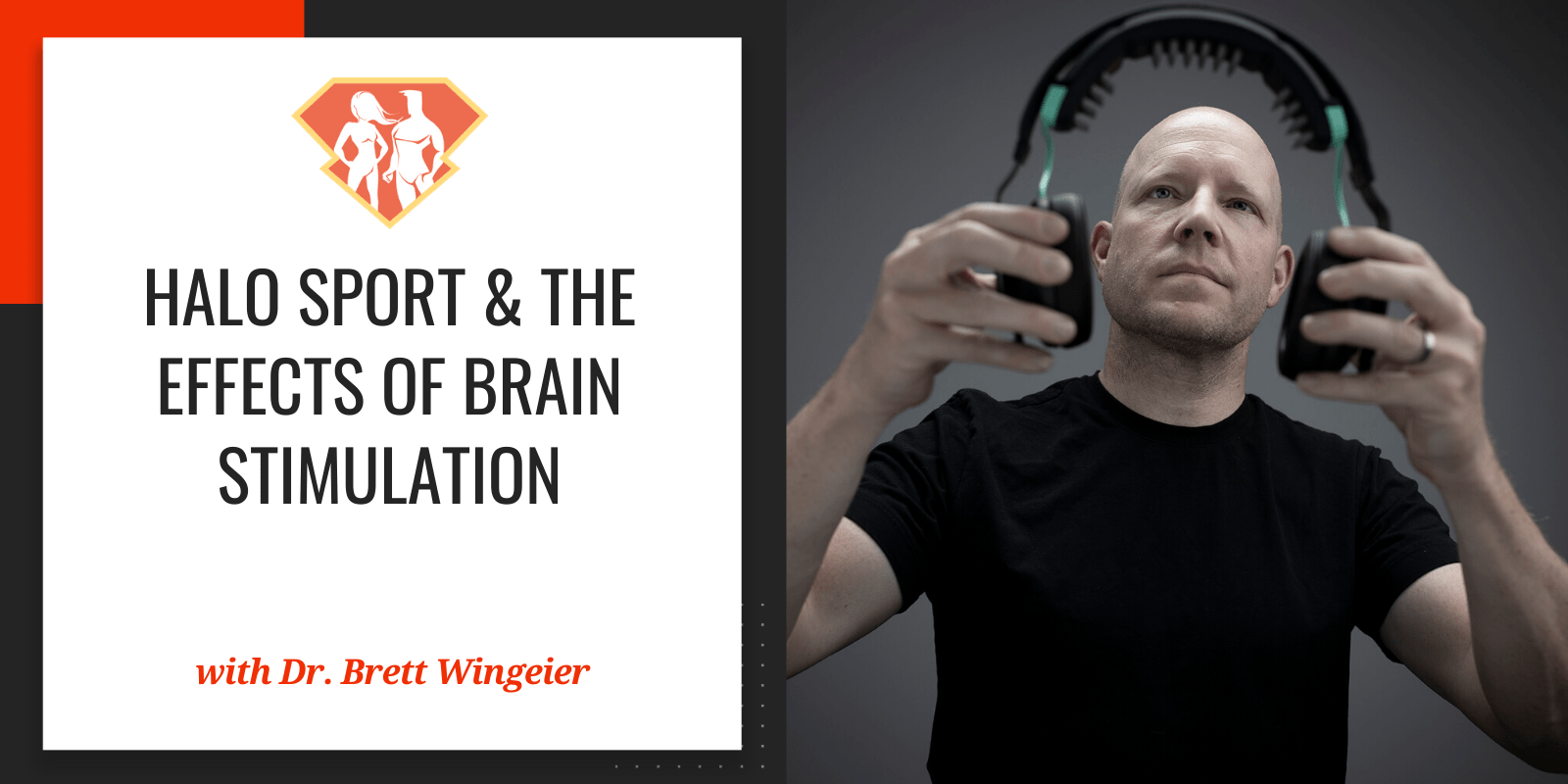
“Dr. Brett Wingeier On Halo Sport & The …” from superhumanacademy.com
There’s a growing divide in the biohacking world between people who experiment with supplements and sleep tracking, and those pushing further into hardware-based brain optimization. Halo neurostimulation sits firmly in that second category. The Halo Sport headset, developed by Halo Neurotechnology, uses low-level electrical current to stimulate the motor cortex — the region of your brain responsible for movement, coordination, and skill learning.
What makes this particularly interesting to the biohacking community is the mechanism: Halo doesn’t claim to make you smarter in a general sense. It claims to make your brain more receptive to learning specific physical and cognitive skills during a targeted training window. That specificity is exactly what serious biohackers are drawn to. For those looking to explore this technology, Halo Neurostimulation represents one of the most focused brain-priming tools available outside of a clinical setting.
What Halo Neurostimulation Actually Does to Your Brain
The core idea is elegant. Before or during a training session, the Halo Sport headset delivers a mild electrical current — typically in the 1–2 milliamp range — directly to the motor cortex via soft foam primers embedded in the headband. This process is called transcranial direct current stimulation, or tDCS. The current doesn’t force neurons to fire. Instead, it lowers the threshold required for neurons to activate, essentially putting your motor cortex into a heightened state of readiness that Halo calls “hyperplasticity.”
What Happens During a Halo Session:
Phase
What’s Happening in the Brain
Duration
Pre-Stimulation
Baseline neuronal activity in motor cortex
0 min
Active Stimulation
tDCS lowers neuronal firing threshold; hyperplasticity window opens
20 min
Training Window
Skill practice during elevated neuroplasticity state
Up to 60 min post-stim
Consolidation
Brain encodes practiced skills with greater efficiency
Post-session
The timing of your training matters enormously here. The hyperplasticity window — the period during which your brain is most receptive to encoding new motor patterns — opens during stimulation and extends for roughly 60 minutes afterward. This is why Halo’s protocol emphasizes using the device immediately before or during skill-specific practice, not as a standalone passive treatment. For those interested in enhancing their mental and physical health, resistance bands can be a complementary tool alongside neurostimulation.
Think of it like warming up your brain the same way you warm up your muscles. Except instead of just increasing blood flow, you’re temporarily rewiring the sensitivity of the neurons responsible for learning movement and coordination. For those interested in enhancing brain function further, exploring morning rituals with brain supplements can be beneficial.
Transcranial Direct Current Stimulation (tDCS): The Core Mechanism
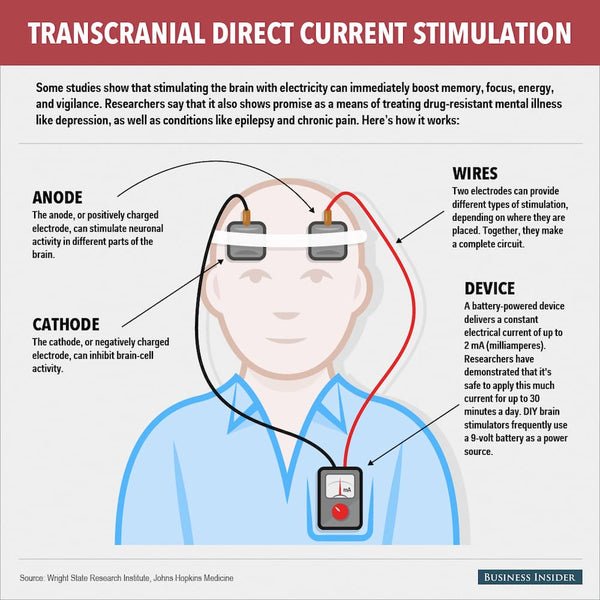
tDCS works by delivering anodal (positive) stimulation to the target area — in Halo’s case, the motor cortex. Anodal stimulation increases the resting membrane potential of neurons, making them more likely to fire when recruited during activity. This is distinct from cathodal (negative) stimulation, which has the opposite inhibitory effect. Halo Sport specifically uses anodal stimulation, positioned to maximize motor cortex coverage based on the standard 10-20 EEG system landmark known as the Cz position.
How Motor Cortex Stimulation Accelerates Skill Acquisition
“motor cortex and striatum …” from www.sciencedirect.com
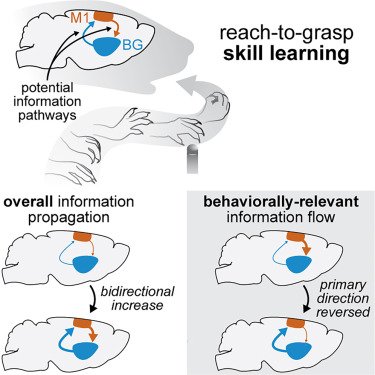
Motor skills — whether that’s a clean snatch in Olympic weightlifting, a precise guitar chord transition, or a first-person shooter reaction time — are encoded through repeated neural pathway activation. When the motor cortex is in a hyperplastic state, those pathways form and strengthen faster. Studies cited in Halo Neurotechnology’s research have shown that athletes using tDCS during skill training demonstrated measurably faster acquisition of targeted movements compared to control groups — not because of increased effort, but because the brain was encoding the movement patterns more efficiently.
Neuroplasticity: Why It Matters for Both Athletes and Everyday Performers
Neuroplasticity is your brain’s ability to reorganize itself by forming new neural connections. It’s the foundation of every skill you’ve ever learned. What most people don’t realize is that neuroplasticity isn’t fixed — it can be influenced. Age, stress, sleep deprivation, and sedentary lifestyles all reduce it. Conversely, exercise, quality sleep, and — according to Halo’s research — targeted tDCS can amplify it. For biohackers, this is the critical insight: neuroplasticity isn’t just something that happens to you, it’s something you can actively manage.
From Elite Military to Global Biohackers: The Adoption Timeline
Halo Neurotechnology didn’t launch directly into the consumer market. The technology followed a path that gave it serious credibility before most biohackers even heard of it.
Early Use in US Military and Olympic Athletic Programs
Before Halo Sport reached retail, Halo Neurotechnology was working directly with elite performance programs. US Special Operations units explored neurostimulation as a tool for accelerating skill acquisition in high-stakes training environments — where the cost of slow learning isn’t a missed PR, it’s mission failure. Around the same period, leading up to the 2016 Rio Olympics, Halo Neuroscience revealed that Olympic athletes across multiple disciplines were using the device as part of their preparation protocols.
Dan Chao, co-founder and CEO of Halo Neuroscience, publicly stated that the company’s data showed elite athletes who wore the stimulator during training showed measurable improvements in targeted skills. That public-facing validation — backed by military and Olympic-level adoption — gave the technology a credibility foundation that few consumer biohacking products ever achieve before launch.
How the Biohacking Community Discovered Halo Sport
Word spread through the channels biohackers actually use — podcasts, Reddit threads in communities like r/Nootropics and r/biohacking, and performance-focused YouTube channels. The combination of real-world military use, Olympic adoption, and a plausible neuroscientific mechanism made Halo Sport stand out from the crowded nootropics market. Unlike a supplement with a proprietary blend, this was a device with a defined mechanism, a targeted application, and a credibility trail that went all the way back to special operations training.
What the Global Biohacking Community Reports From Real-World Use
Self-reported data from biohacking communities isn’t peer-reviewed, but it is directionally valuable — especially when patterns emerge consistently across thousands of independent users spanning different countries, training styles, and goals. And with Halo neurostimulation, several consistent themes have emerged.
Focus and Mental Clarity Improvements
Among non-athlete biohackers, the most frequently reported benefit isn’t faster muscle learning — it’s sharper mental focus during work sessions. Users across Reddit’s biohacking communities and various self-quantification forums report that pairing a 20-minute Halo stimulation session before deep work creates a noticeable narrowing of attention. Tasks that normally require effort to start feel easier to enter. This aligns with the broader tDCS research showing that prefrontal cortex stimulation — even when the device targets the motor cortex — can have secondary effects on executive function and attentional control.
Faster Motor Skill Learning in Musicians, Athletes, and Gamers
The most well-documented community use cases come from people with very specific, measurable skill targets. Guitarists report faster chord transition accuracy. Olympic weightlifters describe cleaner technique retention session-to-session. Competitive gamers — particularly in the esports space — report improved reaction time consistency and faster adaptation to new movement patterns. What’s notable across all these groups is that the improvement isn’t described as feeling stronger or more energized. It’s described as skills clicking faster — the subjective experience of a neural pathway solidifying sooner than it normally would.
Mood and Mental Resilience Shifts Reported by Users
This is where user reports get more nuanced and where caution is warranted. Some biohackers — particularly those dealing with low mood, mental fatigue, or lack of drive — report that consistent Halo use alongside exercise produces noticeable improvements in baseline mood and stress tolerance. The proposed mechanism ties back to motor cortex stimulation influencing dopaminergic pathways indirectly through movement and reward circuitry. However, these reports are anecdotal, and Halo Neurostimulation is not a clinical treatment for mood disorders. Anyone using it for mental health support should be doing so under medical guidance.
What the Science Says About tDCS and Halo’s Approach
The scientific picture around tDCS is more complex than the biohacking community sometimes presents it. There is genuine, peer-reviewed research supporting the core mechanism — and there are also areas where the evidence remains early-stage or contested. Understanding the difference matters if you’re making purchasing and protocol decisions based on the data.
Peer-Reviewed Research Supporting Motor Cortex Stimulation
The foundational science of tDCS targeting the motor cortex is well-established. Research published in peer-reviewed neuroscience journals has consistently demonstrated that anodal tDCS over the primary motor cortex (M1) enhances motor cortex excitability and improves motor learning outcomes in both healthy adults and rehabilitation populations. Halo Neurotechnology commissioned and published internal research showing that athletes using Halo Sport during strength and endurance training demonstrated measurable performance gains compared to sham stimulation controls — including a study with US Ski and Snowboard team athletes that showed a 13% greater improvement in muscular endurance in the stimulation group versus the control group.
Where the Evidence Is Strong and Where It Is Still Developing
The evidence is strongest for motor skill acquisition in targeted, repetitive training contexts. The research consistently supports the idea that tDCS during deliberate skill practice accelerates the encoding of motor patterns. Where the evidence is thinner is in generalized cognitive enhancement, mood improvement, and long-term cumulative benefits beyond the training window. Several independent meta-analyses have noted high variability in tDCS outcomes across individuals, driven by factors including skull thickness, electrode placement precision, and baseline neurological state. The honest takeaway: Halo works best when you use it exactly as designed — as a motor learning accelerator during specific skill training — and the further you move from that core use case, the weaker the evidence base becomes.
How Halo’s Device Differs From DIY tDCS Setups
“What is tDCS? | Caputron” from caputron.com and used with no modifications.
The DIY tDCS community has existed for over a decade, with hobbyists building their own devices using 9-volt batteries, resistors, and sponge electrodes sourced from electronics suppliers. The appeal is obvious — the cost drops from hundreds of dollars to under $20. But the gap between a DIY rig and the Halo Sport is significant and goes beyond just build quality.
Halo Sport uses foam primers that are specifically engineered to deliver consistent current density across the motor cortex coverage area, mapped to the Cz EEG landmark. DIY setups typically use inconsistent sponge electrodes that create uneven current distribution, which can shift stimulation away from the intended target entirely. More critically, DIY devices have no built-in current regulation, meaning the user is manually controlling amperage with no fail-safes. Halo’s device delivers a controlled 2.0 mA with automatic cutoffs. For biohackers weighing the DIY route: the cost saving is real, but so is the precision tradeoff.
How Biohackers Stack Halo Neurostimulation With Other Protocols
One of the defining characteristics of serious biohackers is that they rarely use a single intervention in isolation. Halo neurostimulation has become a component in multi-protocol stacks — and some of the most interesting community-reported results come from how it’s being combined with other evidence-backed practices.
Pairing Neurostimulation With Cold Exposure and Exercise
Cold exposure — particularly cold water immersion and cold showers — is known to increase norepinephrine levels, sharpen focus, and prime the nervous system for high-output activity. A growing number of biohackers are sequencing cold exposure immediately before their Halo stimulation session, using the norepinephrine spike as a neurochemical primer before the tDCS window opens. The logic is layered: cold sharpens attentional readiness, tDCS lowers motor cortex firing thresholds, and the training session that follows benefits from both inputs simultaneously.
Exercise itself is also being used strategically in combination with Halo. Rather than treating neurostimulation as a pre-workout add-on, experienced biohackers are structuring sessions where the Halo stimulation overlaps with the first portion of their skill-focused training — whether that’s technical lifting, sport-specific drills, or instrument practice. The goal is to ensure the hyperplasticity window is fully open during the highest-quality, most deliberate portion of the session.
- Cold shower or brief cold immersion (2–5 minutes) — used to spike norepinephrine and prime attentional focus before stimulation begins
- 20-minute Halo Sport stimulation session — worn during the warm-up or early phase of skill-focused training
- 45–60 minutes of deliberate skill practice — timed to fall within the hyperplasticity window while motor cortex excitability is elevated
- Post-session breathwork or meditation (10 minutes) — used by some biohackers to support memory consolidation and nervous system recovery
- Sleep optimization the same night — prioritizing 7–9 hours, as slow-wave sleep is where motor memory consolidation occurs most intensively
The sequencing here is deliberate and reflects a systems-thinking approach to performance. Each element amplifies the effectiveness of the next. Cold exposure isn’t just a recovery tool in this stack — it’s an activation primer. And sleep isn’t passive recovery — it’s the consolidation mechanism that determines how much of what you practiced during the hyperplasticity window actually gets encoded long-term.
What’s emerging from the global biohacking community is a consistent finding: Halo neurostimulation used in isolation produces modest results. Halo neurostimulation used as part of a structured, sequenced protocol — where every surrounding variable is also optimized — produces the kind of results that keep users coming back and expanding their protocols.
Supplement Stacks That Biohackers Combine With tDCS Sessions
The supplement stacks biohackers are pairing with Halo sessions tend to follow a clear logic: support the neurochemical conditions that make tDCS most effective, then support the consolidation process afterward. Pre-session, the most commonly reported compounds are those that increase acetylcholine availability and cerebral blood flow. Alpha-GPC at 300–600mg is a frequent choice, as acetylcholine is the primary neurotransmitter involved in motor learning and synaptic strengthening. Lion’s Mane mushroom extract — standardized to hericenones and erinacines — is another popular addition, used for its well-documented role in stimulating nerve growth factor (NGF), which supports the structural changes neuroplasticity demands.
Post-session, biohackers tend to shift toward consolidation-supporting compounds. Magnesium L-threonate, one of the few magnesium forms that crosses the blood-brain barrier effectively, is used to support synaptic density and overnight memory consolidation. Some users also add low-dose melatonin (0.5mg) alongside their sleep protocol on training days, specifically to protect slow-wave sleep — the phase where motor memories are processed and stored. The emerging consensus in biohacking circles is that what you do after the Halo session matters as much as the session itself, and supplement choices that reinforce consolidation are being prioritized accordingly.
Important Limits: What Halo Neurostimulation Cannot Do
Before investing in any neurostimulation protocol, it’s critical to be clear-eyed about what the technology actually is and is not capable of delivering. The biohacking community’s enthusiasm for Halo is well-founded in many areas — but there’s a real risk of overstating the evidence and ending up with misaligned expectations.
- It is not a cognitive enhancer in the broad sense — Halo targets the motor cortex specifically. It does not demonstrably increase general intelligence, working memory, or verbal processing the way some biohackers imply.
- It is not a treatment for depression or anxiety — While some users report mood benefits as a secondary effect of enhanced training performance, Halo is not a clinical intervention for any mental health condition and should never replace professional treatment.
- It is not a substitute for deliberate practice — The hyperplasticity window is only valuable if you fill it with high-quality, focused skill training. Passive rest during stimulation does not produce the same results.
- It does not work the same for everyone — Individual variability in tDCS response is well-documented in the research. Skull thickness, cortical anatomy, and baseline neurological state all influence how much effect a given stimulation protocol produces.
- It is not risk-free at non-standard settings — At the controlled 2.0 mA that Halo Sport delivers, the safety profile is well-established. DIY modifications or extended session durations beyond manufacturer guidelines introduce risks that the existing safety data does not cover.
Managing these expectations isn’t pessimism — it’s the foundation of effective biohacking. The most successful practitioners in this space are the ones who understand a tool’s actual mechanism well enough to deploy it precisely, rather than hoping for broad effects that the science doesn’t support.
Used correctly — as a motor learning accelerator during targeted skill training, stacked intelligently with complementary protocols, and supported by optimized sleep and nutrition — Halo neurostimulation delivers real, measurable value. Used as a general wellness device or a passive mood booster, it will likely disappoint. The distinction matters enormously, and it’s one the biohacking community is still actively working through as adoption continues to grow globally.
Halo Neurostimulation Has Earned Its Place in the Serious Biohacker’s Toolkit
What sets Halo apart from the crowded landscape of biohacking gadgets is the credibility of its origin story. This technology wasn’t born in a marketing department — it was validated in US military training programs, adopted by Olympic-level athletes, and backed by peer-reviewed research on the fundamental mechanism before it ever reached a consumer. That trail of evidence is rare in this space, and it matters when you’re making decisions about what to put on your head and run current through.
For the serious biohacker — the person who approaches self-optimization with the same rigor they’d apply to any high-stakes performance domain — Halo neurostimulation represents a genuinely differentiated tool. Not because it does everything, but because it does one specific thing exceptionally well: it creates a temporary window where your brain encodes motor skills faster and more efficiently than it would under normal conditions. Stack that with deliberate practice, intelligent supplementation, cold exposure priming, and optimized sleep, and you have a protocol that compounds. That compounding effect, applied consistently over weeks and months, is where the most significant transformations in the global biohacking community are being reported.
Frequently Asked Questions
Halo neurostimulation generates a lot of questions — particularly from biohackers who are rigorous about understanding a tool before committing to a protocol. The following covers the most common questions asked across biohacking communities, forums, and performance optimization spaces.
Is Halo Neurostimulation Safe for Everyday Use?
At the manufacturer-specified settings of 2.0 mA delivered over a 20-minute session, the safety profile of Halo Sport is well-supported by the existing tDCS research literature. Studies involving repeated tDCS sessions have not found evidence of cumulative neurological harm in healthy adults using standard parameters. The most commonly reported side effects are mild and transient — a slight tingling or itching sensation under the primers during stimulation, and occasional mild headache in a small percentage of users.
That said, daily use is not necessarily optimal from a neurological standpoint either. The brain’s adaptive response to repeated stimulation can diminish over time if no variation is introduced. Most experienced biohackers use Halo on training days only — typically 4–5 sessions per week maximum — rather than every single day. Anyone with a history of epilepsy, implanted electrical devices, or active neurological conditions should consult a physician before use. Halo Neurostimulation is designed for healthy adults, and that boundary is worth respecting. For those interested in exploring other ways to support mental health, consider the benefits of omega-3 fatty acids.
How Long Does It Take to Notice Results From Halo Neurostimulation?
Most users in the biohacking community report noticing something within the first 2–3 sessions — not dramatic transformation, but a qualitative shift in how quickly skills feel like they’re clicking into place during training. Measurable, objective improvements in targeted motor skills typically emerge over 2–4 weeks of consistent use paired with deliberate practice. The key variable is how specific and deliberate your training is during the hyperplasticity window. Vague, unfocused practice during stimulation produces vague results. Precise, targeted skill work produces precise, measurable gains.
Can Halo Neurostimulation Help With Depression or Low Mood?
This question comes up frequently in biohacking communities, and the honest answer is nuanced. Halo Neurostimulation is not a depression treatment, and it has not been clinically validated for that purpose. However, some users do report secondary mood benefits — and there’s a plausible indirect mechanism worth understanding. Motor cortex stimulation during exercise activates dopaminergic reward pathways more intensely than exercise alone, and the subjective experience of faster skill acquisition generates its own motivational and mood-reinforcing feedback loop.
The mood improvements some users report are most likely a downstream effect of enhanced training performance, increased exercise engagement, and the psychological reward of measurable progress — not a direct antidepressant mechanism from the tDCS itself. For anyone experiencing clinical depression or mood disorders, this is not a substitute for professional treatment. It may be a useful adjunct tool, but only under the guidance of a qualified healthcare provider.
Halo Neurostimulation and Mood: What the Evidence Actually Supports
Claimed Benefit
Evidence Level
Mechanism
Faster motor skill acquisition
Strong — supported by peer-reviewed research and internal Halo studies
Direct: anodal tDCS increases motor cortex excitability
Improved training focus
Moderate — consistent community reports, plausible neurological basis
Indirect: secondary effects on attentional networks
Mood improvement
Weak — anecdotal, no direct clinical validation for Halo specifically
Indirect: downstream from enhanced exercise engagement and dopaminergic reward
Depression treatment
Not supported — outside clinical validation scope of device
Not established
The table above reflects the current state of evidence honestly. Biohackers who use Halo expecting motor learning benefits are working with the strongest evidence base. Those exploring it for mood support are operating in anecdotal territory and should calibrate their expectations accordingly.
What Is the Difference Between Halo Sport and DIY tDCS Devices?
The core electrical principle is the same — both deliver low-level direct current to the scalp to influence cortical excitability. The difference lies in precision, safety, and consistency. Halo Sport is engineered with foam primers specifically designed to deliver uniform current density across the motor cortex target zone, mapped to the standard Cz EEG landmark. The device automatically regulates output at 2.0 mA with built-in cutoffs and contact quality monitoring. You don’t have to guess whether the stimulation is reaching the right area at the right intensity. Additionally, maintaining good mental health is crucial, and incorporating supplements like omega-3 fatty acids can help support cognitive function and mood.
DIY tDCS setups — the most common being battery-and-resistor rigs with saline-soaked sponge electrodes — introduce significant variability at every point in that chain. Electrode placement is eyeballed rather than precision-mapped. Current regulation depends on the builder’s electrical knowledge. Sponge electrodes create uneven current distribution that can shift the stimulation target unintentionally. The upfront cost savings are real, but so is the precision tradeoff.
For biohackers who are serious about getting the outcomes the research actually demonstrates, the consistency and safety architecture of a purpose-built device is not a luxury — it’s foundational to getting reliable results. The research that supports tDCS efficacy was conducted with controlled, consistent stimulation parameters. Replicating those parameters with DIY equipment is genuinely difficult.
Halo Sport vs. DIY tDCS: Side-by-Side Comparison
Feature
Halo Sport
DIY tDCS
Current regulation
Automatic 2.0 mA with cutoffs
Manual — user-dependent accuracy
Electrode precision
Engineered foam primers mapped to Cz landmark
Sponge electrodes — placement variable
Current distribution
Uniform across motor cortex coverage area
Uneven — hotspots possible
Safety architecture
Built-in contact quality monitoring and auto-shutoff
None — user assumes full responsibility
Cost
Higher upfront investment
Low — typically under $20 in components
Research alignment
Parameters match clinical research protocols
Varies significantly — hard to replicate study conditions
If you are serious about using tDCS as a performance tool rather than a curiosity experiment, the investment in a properly engineered device is the more rational choice — not because DIY can’t work in principle, but because the variability it introduces makes it much harder to know whether you’re actually replicating the conditions that produced the research outcomes you’re chasing. Additionally, understanding the role of omega-3 fatty acids in brain health can complement your tDCS efforts.
Do Biohackers Use Halo Neurostimulation Every Day or Only Before Training?
The dominant pattern in experienced biohacking communities is session-specific use — meaning Halo is deployed on training days only, immediately before or during the skill-focused portion of a session, not as a daily passive practice. This approach aligns with the underlying mechanism: the device creates a temporary hyperplasticity window that is only productive if filled with deliberate, targeted practice. Using it on rest days or during non-skill-focused activity produces limited benefit because there’s no meaningful motor learning stimulus for the enhanced neural state to act on.
Some biohackers do experiment with daily use for cognitive work — pairing the stimulation with deep focus sessions for writing, coding, or complex analytical tasks. The evidence base for this application is thinner than for motor learning, but the community reports are consistent enough that it remains a popular protocol variant. The key principle remains the same regardless of application: the stimulation window needs to be filled with high-quality, focused activity to justify its use, much like how morning rituals with supplements can enhance focus and productivity.
Most experienced practitioners land on 3–5 sessions per week as the practical sweet spot — frequent enough to drive consistent skill adaptation, with sufficient recovery intervals to allow the neurological adaptations to consolidate between sessions. Daily use for extended periods without variation is generally not recommended, both because of diminishing returns and because the research on long-term daily tDCS exposure in healthy adults is less comprehensive than the data on session-specific, training-paired protocols.
BestProductsForMen.org participates in affiliate programs, which means we may earn a commission if you click on a link and make a purchase. This comes at no additional cost to you. We only recommend products we personally trust, use, or believe will provide value to our readers.
Our goal is to provide honest, helpful reviews and recommendations so you can make informed decisions.
Leave a Reply to BioBalance Device Challenges, Solutions & Biohacking Tips – Best Products for Men Cancel reply