
BestProductsForMen.org participates in affiliate programs, which means we may earn a commission if you click on a link and make a purchase. This comes at no additional cost to you. We only recommend products we personally trust, use, or believe will provide value to our readers.
Our goal is to provide honest, helpful reviews and recommendations so you can make informed decisions.
Fisher Wallace Stimulator Review: Is It Worth It?
In this Fisher Wallace Stimulator review, we compare the device with several affordable alternatives designed to support relaxation, focus, and better sleep.
- The Fisher Wallace Stimulator is an FDA-cleared cranial electrotherapy stimulation (CES) device shown in clinical studies to reduce anxiety, depression, and insomnia without medication.
- It works by delivering low-level electrical pulses to the brain through temple electrodes, targeting neurotransmitter regulation in just 20 minutes per session.
- Clinical backing separates it from budget wellness gadgets — multiple peer-reviewed studies support its effectiveness for mental health conditions.
- The price tag is significant, often exceeding $500, which leads many people to explore cheaper alternatives — but the comparison isn’t straightforward.
- Keep reading to find out whether the Fisher Wallace Stimulator is genuinely worth the investment, or if a more affordable CES device could deliver similar results for your needs.
Mental health technology has quietly crossed a threshold where wearable devices are no longer just wellness gadgets — some are backed by real clinical science. The Fisher Wallace Stimulator sits at the top of that category, and for good reason.
Cranial electrotherapy stimulation has been studied for decades, and resources like Fisher Wallace have helped bring this technology into mainstream mental health conversations, giving people a non-pharmaceutical option for managing anxiety, depression, and sleep disorders.
The Fisher Wallace Stimulator Delivers Real Results for Mental Health
This isn’t a device that promises vague “wellness benefits.” The Fisher Wallace Stimulator has been prescribed by physicians and used in clinical settings specifically to address diagnosable mental health conditions. That distinction matters enormously when evaluating whether any brain stimulation device is worth your time and money.
The device targets three of the most common and debilitating mental health challenges people face today: anxiety, depression, and insomnia. These conditions are deeply connected — poor sleep worsens anxiety, anxiety fuels depression, and depression disrupts sleep. A device that can meaningfully interrupt that cycle is worth examining closely, especially when considering the benefits of wearable brain stimulators for mental clarity.
What the Device Actually Does to Your Brain
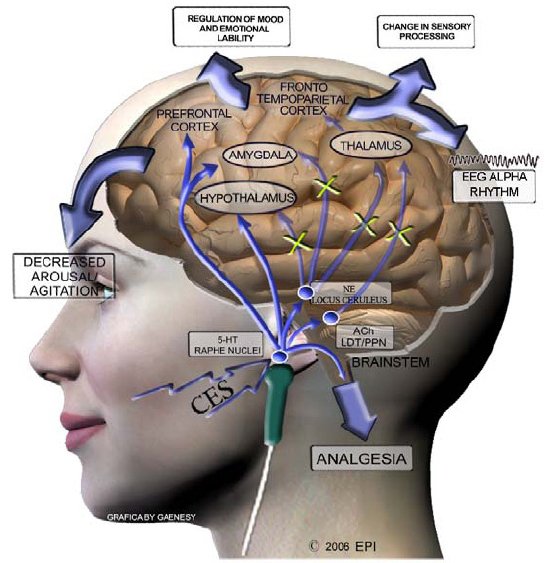
The Fisher Wallace Stimulator delivers low-level alternating current through electrodes placed on the temples. These electrical signals penetrate the skull and stimulate the brain’s limbic system — the region responsible for emotional regulation and stress response. The stimulation is thought to increase the production of serotonin and melatonin while reducing cortisol, the body’s primary stress hormone.
This isn’t guesswork. The mechanism aligns with well-established neuroscience around how electrical stimulation affects neurotransmitter activity. When cortisol drops and serotonin rises, users typically experience a calmer baseline mood, better sleep onset, and reduced anxious thinking over time with consistent use.
Who It Was Designed For
The Fisher Wallace Stimulator was designed for adults dealing with clinical-level anxiety, major depressive disorder, and chronic insomnia. It’s been prescribed by psychiatrists, neurologists, and primary care physicians as part of a broader treatment plan — not as a replacement for therapy or medication in every case, but as a powerful complementary tool. It’s also used by people who want to reduce their reliance on prescription medications under medical supervision.
Why Men Are Turning to CES Technology
Men are statistically less likely to seek traditional mental health support, yet anxiety and depression rates among men continue to rise. CES technology appeals to this group because it’s discreet, self-administered, and results-oriented — no therapy waiting rooms, no stigma, no daily pills. A 20-minute session at home fits into a morning routine without disruption, which lowers the barrier to consistent mental health maintenance significantly.
How Cranial Electrotherapy Stimulation Works
“Cranial Electrotherapy Stimulation (CES …” from alleviahealth.com
CES is not a new concept. The technology has been studied since the 1960s, originally developed in the Soviet Union and later adopted by researchers in the United States. What makes modern CES devices like the Fisher Wallace Stimulator more effective than early versions is the precision of the waveform delivery and the targeting of specific brain regions involved in mood and sleep regulation.
The Science Behind Electrical Brain Stimulation
The brain communicates through electrical signals. When those signals become dysregulated — as happens in anxiety, depression, and sleep disorders — the result is a nervous system stuck in overdrive. CES works by introducing a gentle, external electrical current that nudges the brain’s own signaling patterns back toward balance. Specifically, the Fisher Wallace Stimulator uses a patented waveform that operates at low frequencies designed to stimulate alpha wave activity, the brain state associated with calm, focused alertness.
Research published in peer-reviewed journals has shown that CES can significantly reduce scores on standardized anxiety and depression assessments. The effect isn’t sedation — it’s regulation. Users report feeling more emotionally stable and mentally clear, not foggy or medicated.
How CES Differs from Other Brain Stimulation Methods
It helps to understand where CES sits relative to other electrical brain stimulation technologies:
- TMS (Transcranial Magnetic Stimulation): Uses magnetic fields, requires clinic visits, and targets specific brain regions with much higher intensity. Primarily used for treatment-resistant depression.
- tDCS (Transcranial Direct Current Stimulation): Uses direct current rather than alternating current. More commonly used in cognitive enhancement research than clinical mental health treatment.
- ECT (Electroconvulsive Therapy): High-intensity electrical stimulation used for severe psychiatric conditions under full anesthesia. Not remotely comparable to CES.
- CES (Cranial Electrotherapy Stimulation): Low-level alternating current, self-administered at home, FDA-cleared for anxiety, depression, and insomnia.
CES occupies a unique space — it’s clinically validated but accessible enough to use daily without medical supervision after an initial consultation. You can explore more about its applications in this Fisher Wallace video.
What Happens During a Session
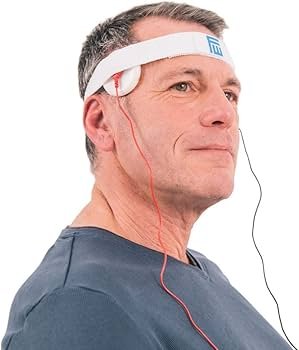
A typical Fisher Wallace Stimulator session lasts 20 minutes. The user attaches moistened electrode sponges to the temples using a headband-style device, turns on the stimulator, and sets the current level to a comfortable intensity. Most users feel a mild tingling sensation or nothing at all. Many use the session time to meditate, read, or simply sit quietly. After the session, the device is turned off and stored — the entire process is straightforward enough to complete before breakfast.
Fisher Wallace Stimulator Features and Specs
“Fisher Wallace CES Stimulator …” from www.medi-stim.com and used with no modifications.
Understanding the technical details of the Fisher Wallace Stimulator helps explain why it commands a premium price and why it’s considered a clinical-grade device rather than a consumer wellness toy.
Device Design and Wearability
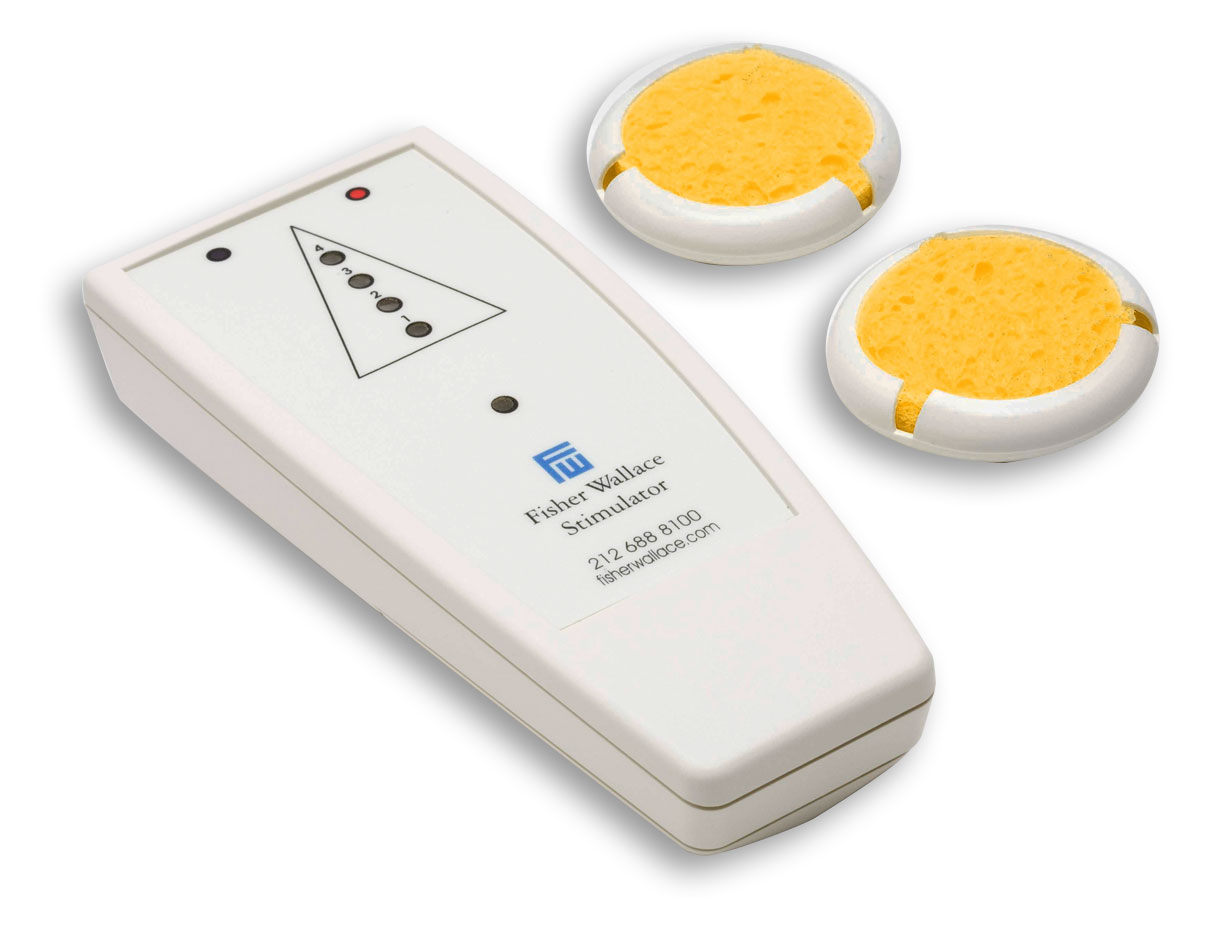
The Fisher Wallace Stimulator is compact and lightweight. The main unit is a small handheld controller that connects via leads to two electrode sponge pads held against the temples. The design prioritizes function over aesthetics — it’s not meant to be worn while commuting, but rather used intentionally during a dedicated session at home. The build quality is solid, with a straightforward interface that doesn’t require technical knowledge to operate correctly.
Electrode Placement and Signal Delivery
The electrodes on the Fisher Wallace Stimulator are placed on the temporal region of the skull — specifically, the areas just above and slightly forward of the ears. This placement is deliberate. The temporal lobes sit directly over the limbic system structures most involved in emotional processing, including the amygdala and hippocampus. Moistened sponge pads improve conductivity, ensuring the electrical signal passes efficiently through the skin and skull rather than dissipating at the surface.
Session Length and Frequency Recommendations
Fisher Wallace recommends one 20-minute session per day, though some clinical protocols call for twice-daily sessions during the first two weeks of use when targeting acute anxiety or depression symptoms. Most users report noticing initial changes in sleep quality within the first week, with more substantial mood improvements emerging after two to four weeks of consistent daily use. The device operates at current levels between 1 and 4 milliamps, which is well below the threshold for discomfort in most users.
FDA Clearance Status
The Fisher Wallace Stimulator holds FDA clearance for the treatment of anxiety, depression, and insomnia. This is a critical distinction — FDA clearance means the device has been evaluated for safety and efficacy for its intended use. It is not merely a wellness device making general health claims. This clearance also means it can be legally prescribed by physicians, which is why it appears in clinical settings alongside pharmaceutical and psychotherapy treatment options.
Clinical Evidence Behind the Fisher Wallace Stimulator
The clinical foundation behind the Fisher Wallace Stimulator is one of its strongest differentiators from the crowded wellness device market. Most consumer brain stimulation gadgets rely on vague claims and anecdotal testimonials. The Fisher Wallace Stimulator, by contrast, has been evaluated in peer-reviewed studies published in recognized medical and psychiatric journals, with measurable outcomes tracked using standardized clinical assessment tools.
Researchers have used validated scales like the Hamilton Anxiety Scale (HAM-A), the Hamilton Depression Scale (HAM-D), and the Pittsburgh Sleep Quality Index (PSQI) to measure outcomes in CES clinical trials. These aren’t self-reported wellness surveys — they’re the same instruments used to evaluate pharmaceutical drug effectiveness in FDA drug trials. For those interested in natural alternatives, exploring ashwagandha benefits for stress might provide additional insights. That context makes the positive findings significantly more meaningful.
Studies on Anxiety and Depression Outcomes
A double-blind, placebo-controlled study published in the Journal of Clinical Psychiatry found that CES produced statistically significant reductions in anxiety compared to sham treatment. Participants using active CES showed meaningful improvement on the HAM-A scale after just three weeks of daily use. The placebo group showed minimal change, which strengthens the conclusion that the electrical stimulation itself — not expectation or routine — was driving the results.
Depression outcomes have shown similarly encouraging patterns. Studies evaluating CES for depressive symptoms found reductions in HAM-D scores among participants receiving active treatment. What’s particularly notable is that these improvements were achieved without the side effect profiles associated with antidepressant medications — no weight gain, no sexual dysfunction, no withdrawal effects when use was discontinued.
The consistency of findings across multiple independent studies adds credibility to the device’s clinical use. When different research teams using different populations reach similar conclusions, the signal becomes harder to dismiss as coincidence or bias.
- Anxiety: Significant reductions on the Hamilton Anxiety Scale observed in active CES groups vs. placebo in multiple controlled trials.
- Depression: Clinically meaningful HAM-D score improvements reported in peer-reviewed CES research.
- Treatment tolerance: Dropout rates in CES studies are consistently low, indicating users can maintain the protocol without significant discomfort.
- Onset of effect: Some studies noted measurable improvement as early as week one, with cumulative benefits building over four to six weeks.
- Combination therapy: Several studies suggest CES enhances outcomes when used alongside cognitive behavioral therapy or medication management.
Research on Sleep and Insomnia Relief
Sleep disruption is both a symptom and a driver of mental health deterioration. The Fisher Wallace Stimulator’s effect on insomnia has been studied using the Pittsburgh Sleep Quality Index, with results showing significant improvements in sleep onset, duration, and quality among users receiving active CES treatment. The mechanism is logical — by increasing melatonin production and reducing nighttime cortisol, the device helps shift the nervous system into a state more conducive to sleep.
Unlike sleep medications that induce unconsciousness through chemical sedation, CES-assisted sleep appears to support the brain’s natural sleep architecture, meaning users move through normal sleep cycles rather than experiencing the blunted, non-restorative sleep often associated with pharmaceutical sleep aids. This distinction has significant long-term implications for cognitive function, emotional regulation, and overall mental health resilience.
Real-World Mental Clarity and Focus Benefits
Beyond the clinical trial data, the day-to-day experience of Fisher Wallace Stimulator users reveals a pattern worth discussing. People using the device consistently report feeling mentally sharper, emotionally steadier, and more capable of sustained focus — particularly in the hours following a morning session. These aren’t dramatic transformations, but incremental improvements that compound meaningfully over weeks of consistent use.
How Regular Use Affects Daily Cognitive Performance
Chronic anxiety and poor sleep are two of the most powerful destroyers of cognitive performance. Working memory, processing speed, decision-making accuracy, and creative thinking all suffer when the brain is running on stress hormones and sleep debt. By addressing both anxiety and sleep simultaneously, the Fisher Wallace Stimulator creates conditions in which cognitive performance can actually recover and improve.
Users in high-performance environments — executives, clinicians, military personnel — have reported using the device as part of a structured morning routine to establish mental clarity before high-stakes work. The 20-minute session essentially functions as a neurological reset, particularly useful for people who wake up already feeling the weight of the day’s demands before they’ve had their first coffee.
The alpha wave stimulation generated during a session promotes a brain state that researchers describe as relaxed alertness — the same state associated with peak focus and flow. This isn’t sedation. It’s the opposite: a quiet, clear mental baseline from which concentration and problem-solving become easier rather than effortful.
- Improved working memory: Users report better recall and mental organization after consistent use.
- Reduced mental fatigue: Less cognitive exhaustion during demanding tasks, particularly in the afternoon.
- Enhanced focus duration: Longer periods of sustained attention without the anxiety-driven distraction loop.
- Faster emotional recovery: Quicker return to baseline after stressful events, rather than prolonged rumination.
Managing Stress and Emotional Regulation
Emotional dysregulation — the inability to modulate emotional responses appropriately — is one of the most functionally disabling aspects of anxiety and depression. Regular Fisher Wallace Stimulator use appears to lower the nervous system’s overall reactivity, meaning stressful situations produce a more proportionate response rather than a full-scale threat reaction. Over time, this recalibration can meaningfully change how a person navigates conflict, pressure, and uncertainty in daily life.
Fisher Wallace Stimulator Review: Pros and Cons
Pros
• FDA-cleared CES technology
• Drug-free mental health support
• Clinically studied treatment
Cons
• Expensive compared to alternatives
• Requires consistent use
• Not ideal for everyone
Fisher Wallace Stimulator vs Affordable CES Alternatives
The Fisher Wallace Stimulator typically retails in the $500 to $600 range, which puts it well above the dozens of brain stimulation and relaxation devices available on Amazon for $30 to $150. That price gap raises a legitimate question: what exactly are you paying for, and does it matter for your specific situation?
Key Differences in Technology and Clinical Backing
The most important differentiator isn’t the hardware design — it’s the clinical evidence stack behind the Fisher Wallace Stimulator. Budget CES devices may use similar-sounding technology, but they lack the peer-reviewed research, FDA clearance for specific medical conditions, and physician-prescribed treatment protocols that define the Fisher Wallace product. When you’re addressing a diagnosed mental health condition, that evidence gap is not a minor detail. For a deeper understanding of how these devices can impact mental clarity, you might explore wearable brain stimulators.
Price Comparison and Value Assessment
At roughly $500 to $600, the Fisher Wallace Stimulator is a significant purchase. Budget CES alternatives on Amazon typically fall between $30 and $150, making the price difference substantial. However, the comparison isn’t as straightforward as it looks on a spec sheet. For those interested in exploring other options, check out this guide on wearable brain stimulators for mental clarity.
Consider what the premium actually buys: a patented waveform with documented clinical outcomes, FDA clearance for three specific medical conditions, physician prescribability, and decades of supporting research. Budget devices may use similar terminology — “cranial stimulation,” “alpha wave therapy,” “electrical pulse technology” — but they operate without that clinical infrastructure. For general stress relief or casual wellness experimentation, a budget device may be adequate. For managing a diagnosed condition like major depressive disorder or generalized anxiety disorder, the evidence gap between these two categories is too large to ignore.
When a Budget Device Makes Sense Instead
If you’re new to electrical stimulation technology and simply curious about how your body responds, starting with a lower-cost device is a reasonable first step. Someone dealing with mild, situational stress — rather than a clinical mental health condition — may find adequate relief from a $50 to $100 relaxation device without needing the clinical-grade specifications of the Fisher Wallace Stimulator. The key is honest self-assessment about the severity and nature of what you’re trying to address.
Potential Side Effects and Safety Considerations
The Fisher Wallace Stimulator has a strong safety profile, which is one reason it has maintained FDA clearance across multiple decades of use. The most commonly reported side effects are mild and temporary: a slight tingling sensation at the electrode sites, occasional mild headache after initial sessions, and in rare cases, dizziness at higher current settings. These effects typically resolve within minutes of ending a session and tend to diminish as the body adjusts to the stimulation over the first week of use. Reducing the current intensity to a lower setting almost always resolves any discomfort.
There are specific populations for whom the Fisher Wallace Stimulator is not recommended. People with implanted electronic devices such as pacemakers or cochlear implants should not use CES devices. The device is also not cleared for use in individuals under 18, during pregnancy, or by people with active seizure disorders. Anyone with a serious or complex medical history should consult a physician before beginning use — which is consistent with how the device is intended to be integrated into care, as a physician-recommended tool rather than a self-directed medical intervention.
Is the Fisher Wallace Stimulator Worth the Price?
For anyone dealing with clinically significant anxiety, depression, or chronic insomnia — and looking for a non-pharmaceutical option with real scientific backing — the Fisher Wallace Stimulator is one of the most credible tools available outside a clinical setting. The peer-reviewed research is real, the FDA clearance is meaningful, and the daily-use format makes consistent treatment practical in a way that clinic-based options simply aren’t. The price is steep, but measured against the long-term cost of untreated mental health conditions — in productivity, relationships, and quality of life — the investment calculus shifts considerably. This is not a gadget. It’s a medical device with genuine clinical utility, and for the right person, it delivers.
Frequently Asked Questions
Here are the most common questions people have before investing in the Fisher Wallace Stimulator, answered directly based on clinical guidelines and verified user experience.
Does the Fisher Wallace Stimulator Require a Prescription?
In the United States, the Fisher Wallace Stimulator is technically available without a prescription, but it is strongly recommended to use it under physician guidance — particularly when addressing a diagnosed mental health condition. Many insurance plans will only cover or partially reimburse the device when it is prescribed by a licensed healthcare provider. A growing number of psychiatrists, neurologists, and integrative medicine physicians actively recommend and prescribe it as part of structured treatment plans for anxiety, depression, and insomnia.
How Long Does It Take to Notice Results?
Most users report the first noticeable changes in sleep quality within the first five to seven days of daily use. Mood-related improvements — reduced anxiety, greater emotional stability, less depressive thinking — typically emerge more gradually, with meaningful changes appearing after two to four weeks of consistent daily sessions. Clinical studies align with this timeline, showing statistically significant outcomes at the three to four week mark in most controlled trials. Individual response varies based on the severity of symptoms, consistency of use, and whether the device is being used alongside other treatments.
Can the Fisher Wallace Stimulator Be Used Every Day?
Yes — daily use is not only permitted but recommended by Fisher Wallace’s clinical protocol. The standard recommendation is one 20-minute session per day, ideally in the morning to support daytime mood regulation and evening sleep onset. Some clinical protocols suggest twice-daily sessions during the first two weeks for individuals with more acute symptoms, tapering to once daily as stabilization occurs.
Long-term daily use is considered safe within the current clinical evidence base. Unlike pharmaceutical treatments, there is no documented tolerance buildup with CES — meaning the device does not become less effective over time with consistent use. Many users maintain a daily routine for months or years without diminishing returns, particularly when managing chronic anxiety or recurrent depressive episodes. For those interested in alternative treatments, wearable brain stimulators offer a promising solution.
The 20-minute session length is specifically calibrated to deliver sufficient stimulation without overstimulating the brain’s electrical environment. Longer sessions are not necessarily more effective and are not recommended without medical supervision. The simplicity of the once-daily protocol is one of the key reasons adherence rates in CES studies are consistently high — it fits into a morning routine without requiring significant lifestyle restructuring.
If a session is missed, simply resume the next day. Unlike medications, there is no rebound effect or withdrawal associated with skipping a CES session. Consistency over time is what drives cumulative benefit, but flexibility in the day-to-day routine doesn’t undermine the overall treatment trajectory the way medication gaps sometimes can. For more on the benefits of wearable devices, check out our article on wearable brain stimulators.
- Standard protocol: One 20-minute session daily, preferably in the morning.
- Acute symptom protocol: Twice daily for the first two weeks, then tapering to once daily.
- No tolerance buildup: Effectiveness does not diminish with long-term daily use.
- Missed sessions: Simply resume the next day — no rebound or withdrawal effects.
- Session length: Stick to 20 minutes; longer sessions are not more effective and are not clinically recommended.
Is CES Technology Safe for Long-Term Use?
Based on the available clinical evidence and decades of documented use, CES technology is considered safe for long-term daily use in healthy adults without the contraindications mentioned earlier. The Fisher Wallace Stimulator operates at current levels well below those associated with tissue damage or adverse neurological effects. No significant long-term risks have emerged in the published literature to date, though ongoing research continues to expand the evidence base. As with any medical device, periodic check-ins with a prescribing physician are advisable, particularly if symptoms change or new health conditions develop.
How Does the Fisher Wallace Stimulator Compare to Meditation or Therapy?
The Fisher Wallace Stimulator and practices like meditation or cognitive behavioral therapy (CBT) are not competing approaches — they work through different mechanisms and are most powerful when used together. Meditation builds conscious awareness and voluntary regulation of thought patterns over time. CBT restructures maladaptive cognitive frameworks through active psychological work. The Fisher Wallace Stimulator operates at the neurological level, directly influencing the brain’s electrical and neurochemical environment to create a more stable baseline from which those practices become more effective.
Think of it this way: trying to meditate effectively when your nervous system is locked in a high-cortisol, hypervigilant state is like trying to write clearly while someone is shouting in your ear. The Fisher Wallace Stimulator helps quiet the neurological noise so that therapeutic and mindfulness practices can actually land. Users who combine CES with therapy frequently report that their sessions feel more productive and that insights are easier to integrate into behavior. For those interested in natural ways to manage stress, exploring the benefits of Ashwagandha might be worthwhile.
Therapy addresses the psychological content of mental health conditions — the thought patterns, relational dynamics, and life experiences that shape emotional suffering. The Fisher Wallace Stimulator addresses the biological substrate — the dysregulated neurochemistry and electrical signaling that makes psychological healing harder. Neither approach alone covers everything. Together, they address mental health from two complementary directions simultaneously, enhancing mental clarity.
Final Thoughts on the Fisher Wallace Stimulator
This Fisher Wallace Stimulator review shows that while the device has strong clinical support, many users still explore affordable alternatives depending on their needs.
BestProductsForMen.org participates in affiliate programs, which means we may earn a commission if you click on a link and make a purchase. This comes at no additional cost to you. We only recommend products we personally trust, use, or believe will provide value to our readers.
Our goal is to provide honest, helpful reviews and recommendations so you can make informed decisions.
Leave a Reply to Mood-Tracking Apps Empower Introverted Men: Mental Health Benefits & Journey – Best Products for Men Cancel reply