
BestProductsForMen.org participates in affiliate programs, which means we may earn a commission if you click on a link and make a purchase. This comes at no additional cost to you. We only recommend products we personally trust, use, or believe will provide value to our readers.
Our goal is to provide honest, helpful reviews and recommendations so you can make informed decisions.
Key Takeaways
- Silicones in commercial beard products create an illusion of health while causing buildup that leads to dryness and irritation.
- Natural oils like jojoba, argan, and sweet almond provide authentic beard nourishment without allergenic ingredients.
- DIY silicone-free beard serums are cost-effective and can be customized to address specific beard issues like itchiness, growth, or damage repair.
- Proper application techniques, including the warm oil method, maximize the benefits of natural beard serums.
- Baraka Shea Butter offers pure, ethically-sourced ingredients ideal for creating your own silicone-free beard care products.
That scratchy feeling under your beard isn’t something you have to live with. If your commercial beard products are leaving your skin irritated and your beard looking lifeless, the culprit might be hiding in plain sight on the ingredient label.
Most men don’t realize that the immediate smoothness they feel after applying commercial beard serums comes from silicones – synthetic polymers that merely coat the hair shaft without providing genuine nourishment. At Baraka Shea Butter, we’ve helped countless men transition to natural beard care alternatives that deliver authentic nourishment without the chemical drawbacks.
In this comprehensive guide, you’ll discover why silicones could be sabotaging your beard goals and how to create powerful silicone-free alternatives with ingredients that truly improve beard health from the roots up.
Article-at-a-Glance
This guide walks you through the problems with silicone-based beard products, provides detailed recipes for creating your own silicone-free beard serums, and shares application techniques to maximize benefits. By the end, you’ll have everything needed to transform your beard care routine from synthetic to natural, addressing common issues like itchiness, dryness, and stunted growth without exposing your skin to potential irritants.
Why Your Beard Deserves a Silicone-Free Treatment
“Beard Brush Set w/Argan & Jojoba Oils …” from www.amazon.com
The beard deserves special care – it’s exposed to food, drinks, environmental pollutants, and constantly touched throughout the day. Unlike the hair on your head, beard hair grows from follicles surrounded by sensitive facial skin that can react strongly to synthetic ingredients. The unique challenges of beard care demand thoughtfully chosen ingredients. For those interested in a holistic approach to personal care, exploring niche health solutions can be beneficial.
Commercial beard products often prioritize immediate results over long-term health, using silicones to deliver instant gratification through artificial smoothness and shine. This approach might work for a quick photo opportunity, but creates long-term issues including product buildup, clogged pores, and increasing dependency on more products to manage symptoms rather than addressing root causes.
Hidden Allergens in Commercial Beard Products
Beyond silicones, most mainstream beard serums harbor a surprising array of potential irritants. Synthetic fragrances might smell appealing at first sniff, but they’re among the most common causes of contact dermatitis – that persistent rash some men mistake for normal “beard itch.” Parabens, sulfates, and phthalates are frequent additions that serve the manufacturer more than your beard by extending shelf life at the potential cost of skin health.
Petroleum derivatives like mineral oil and petrolatum appear in countless beard products due to their low cost and ability to create a protective barrier. However, this barrier traps bacteria against the skin while preventing natural oils from doing their job. The result? A breeding ground for irritation, ingrown hairs, and the dreaded “beardruff” that leaves flakes on your shirt. For a healthier alternative, consider trying a DIY beard oil for sensitive skin.
Alcohol-based ingredients often appear in quick-drying formulations but strip away natural oils, creating a vicious cycle of dryness followed by overproduction of sebum. Your beard responds to this imbalance by becoming either excessively oily or frustratingly brittle – sometimes alternating between these states throughout the day.
Signs Your Beard Is Reacting to Silicones
“Silicones in Beard Products!? – YouTube” from www.youtube.com
Recognizing silicone sensitivity isn’t always straightforward. The initial application of silicone-based products typically feels wonderful – your beard is suddenly smoother, appears shinier, and feels more manageable. This honeymoon phase leads many men to assume they’ve found their perfect product, only to experience confusion when problems develop weeks later.
The first subtle sign often manifests as decreased effectiveness – needing more product to achieve the same results. As silicones build up, you might notice your beard feeling simultaneously dry yet oddly coated, with individual hairs sticking together in unnatural ways. The skin underneath may develop small bumps or redness, particularly after washing, as your natural moisture balance becomes increasingly disrupted. For those experiencing these symptoms, exploring myths about skincare and beard care can offer additional insights.
More obvious symptoms include flaking skin beneath your beard, itchiness that intensifies after applying products, and a dull appearance despite using “shine-enhancing” serums. If washing your beard brings temporary relief before products are reapplied, this pattern strongly suggests silicone sensitivity rather than simple dryness.
The Problem with Silicones in Beard Care
Silicones in beard products create an immediate but deceptive improvement through their coating action. This synthetic film makes each hair strand temporarily smoother, reflecting more light for artificial shine while masking underlying damage rather than repairing it. While this might seem beneficial, it’s comparable to painting over a rusting metal surface – it looks better momentarily but accelerates the underlying deterioration. For those looking for alternatives, consider exploring DIY beard oil for sensitive skin that avoids silicones.
How Silicones Create the Illusion of Health
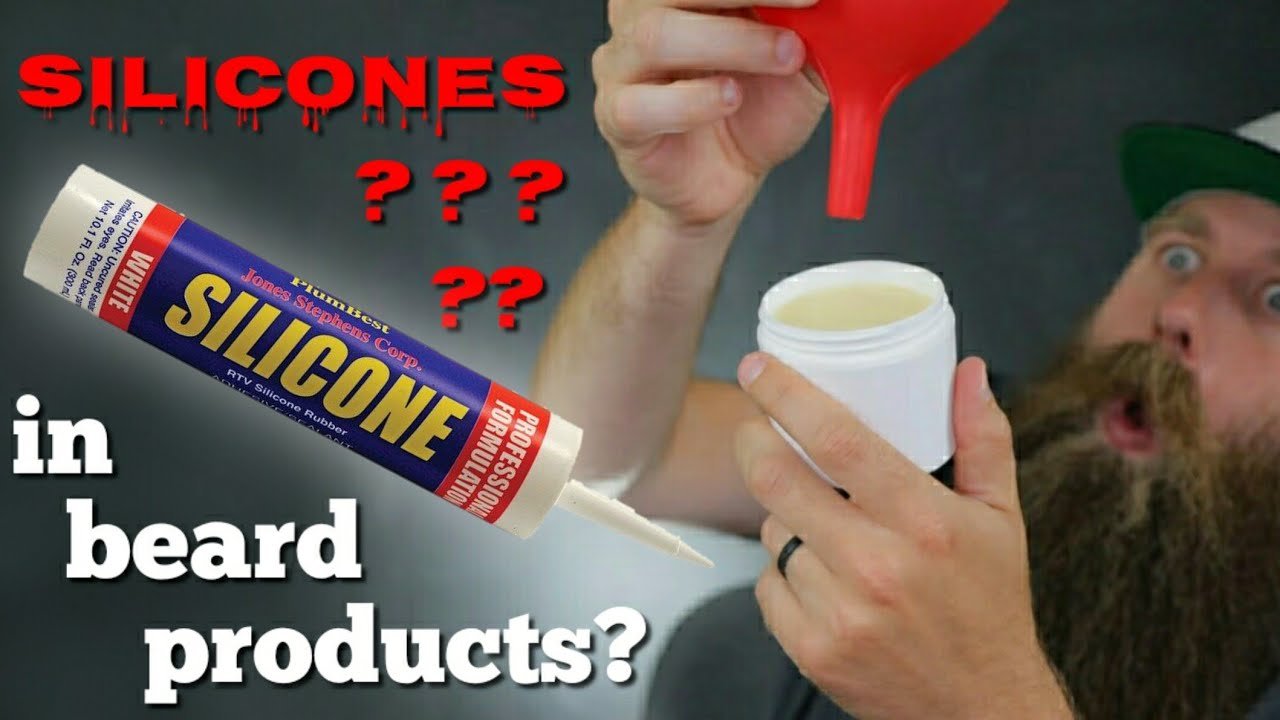
The science behind silicones explains their popularity despite their drawbacks. These synthetic polymers – commonly listed as dimethicone, cyclomethicone, or any ingredient ending with “-cone” – form water-resistant barriers around each hair shaft. This barrier temporarily fills in damaged cuticles and creates a slippery surface that reduces friction, making your beard initially feel softer and appear more manageable.
This sleight of hand works beautifully for photographs or first impressions but creates long-term issues because the coating prevents genuine moisturizing ingredients from penetrating the hair shaft. Natural conditioning agents simply sit atop the silicone barrier, rendering them largely ineffective while creating the false impression that your beard is “resistant” to conditioning treatments.
Most concerning is how silicones interfere with your beard’s natural moisture balance. Your skin produces sebum – its own conditioning oil – which should travel down each hair shaft providing natural protection. Silicones disrupt this process, often triggering either excessive oil production as your skin attempts to compensate or leaving your beard increasingly dependent on products as natural moisturizing mechanisms become suppressed.
The Buildup Effect: When Silicones Suffocate Your Beard
“I Stopped Using Minoxidil on my Beard …” from www.youtube.com
The most damaging aspect of silicones becomes apparent over time as they accumulate on hair shafts. Unlike natural oils that absorb or wear off, silicones are designed for longevity and water resistance – properties that make them difficult to remove with regular washing. Each application deposits another layer, creating progressive buildup that weighs down your beard and prevents proper cleaning.
This buildup traps bacteria, dead skin cells, and environmental pollutants against both your beard and the underlying skin. The resulting environment becomes ideal for fungal growth and inflammation, particularly in the dense forest of a full beard where airflow and sunlight – natural antibacterial agents – are already limited. Men often mistake this irritation for dryness and apply more product, inadvertently worsening the condition.
Even more problematic is how silicone buildup affects the beard growth cycle. Healthy follicles require clean pores and proper circulation, both of which become compromised under layers of silicone coating. This interference can lead to weaker, thinner growth and even contribute to patches or premature shedding – precisely the opposite of most men’s beard goals.
Why Men with Sensitive Skin Should Avoid Silicones
For men with existing skin sensitivities, silicones present particular risks. While silicones themselves are generally considered non-irritating initially, their occlusive properties create conditions that exacerbate underlying skin conditions. By trapping heat, moisture, and irritants against the skin, silicones can transform mild sensitivity into full-blown dermatitis for susceptible individuals.
Sensitive skin requires breathability and regular cellular turnover – both hindered by silicone-based products. The skin beneath your beard already faces challenges with exfoliation and proper cleansing; adding silicones to this equation significantly increases the likelihood of ingrown hairs, folliculitis, and persistent inflammation that can be difficult to resolve without completely overhauling your beard care routine.
The paradox is that many products marketed specifically for “sensitive skin” contain silicones precisely because they temporarily mask symptoms of irritation. This short-term relief creates confusion when long-term use leads to worsening conditions, leaving many men cycling through products without addressing the underlying issue – the silicones themselves.
7 Natural Ingredients That Outperform Silicones
“Top natural and efficient silicone …” from www.seppic.com
Nature provides superior alternatives to synthetic silicones – ingredients that deliver genuine nourishment instead of superficial coating. These natural components work with your beard’s biology rather than against it, penetrating the hair shaft and nurturing the skin beneath while remaining breathable and non-accumulative. The difference becomes evident not just in how your beard looks, but in how it grows and feels between applications.
1. Jojoba Oil: The Sebum Mimicker
“Amazon.com: Jojoba Oil for Hair Growth …” from www.amazon.com
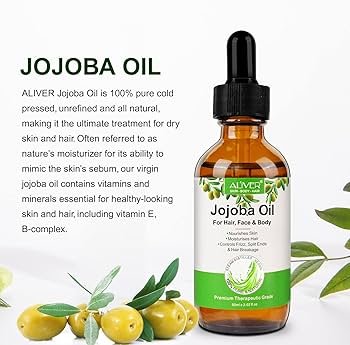
Jojoba stands alone among beard oils for its remarkable similarity to human sebum – the natural oil your skin produces. This molecular resemblance allows jojoba to integrate seamlessly with your skin’s natural moisture systems, regulating oil production rather than disrupting it. For men whose beards fluctuate between oily and dry, jojoba provides balanced hydration without heaviness. Discover more about DIY beard oil for sensitive skin to further explore the benefits of jojoba oil.
Beyond moisture regulation, jojoba carries impressive healing properties. Its natural iodine content makes it mildly antimicrobial, helping manage the microbiome of your beard ecosystem while its vitamin E content supports skin cell regeneration. Most importantly, jojoba penetrates the hair shaft instead of coating it, strengthening your beard from within rather than masking damage.
2. Argan Oil: The Protein Shield
Often called “liquid gold,” argan oil deserves its reputation in beard care for its exceptional protein content. Your beard hair consists primarily of keratin protein, which becomes damaged through environmental exposure and styling. Argan oil’s compatible protein structure helps repair these compromised areas, restoring structural integrity to each strand.
Argan delivers this protein alongside omega fatty acids and vitamin E, creating comprehensive nourishment that improves elasticity and prevents breakage. Unlike silicones that simply smooth the cuticle temporarily, argan oil’s small molecular structure penetrates deeply, creating resilience that remains even after washing. This makes it particularly valuable for men with brittle or damaged beards recovering from chemical treatments or environmental stress.
3. Sweet Almond Oil: The Lightweight Conditioner
Sweet almond oil provides the perfect balance of conditioning power without heaviness – making it ideal for finer beard types or hotter climates. Its light consistency delivers vitamins A, B, D and E directly to hair follicles, supporting healthy growth cycles while maintaining manageability. Men who find most beard oils too greasy often discover sweet almond provides the elusive middle ground between hydration and weightlessness.
Beyond its pleasant texture, sweet almond contains high levels of magnesium – a mineral essential for reducing inflammation in hair follicles. This anti-inflammatory action helps prevent ingrown hairs and soothes existing irritation, particularly beneficial during the awkward early growth stages when sharp hair tips can cause considerable discomfort. For more information on beard care, check out these DIY beard oil recipes for sensitive skin.
4. Shea Butter: The Deep Moisturizer
For severe dryness or coarse beard textures, shea butter delivers intensive moisture that penetrates both hair and skin. Unlike petroleum-based moisturizers that create occlusive barriers, shea butter contains plant lipids compatible with cellular membranes, allowing it to absorb deeply rather than sitting on the surface. This natural compatibility explains why shea butter relieves dryness without the greasy afterfeel of synthetic alternatives.
Shea butter’s rich content of vitamins A, E, and F supports not just moisture but overall beard vitality. Vitamin F (essential fatty acids) is particularly beneficial for encouraging proper growth cycles and reducing flakiness in the skin beneath your beard. When incorporated into beard serums, even small amounts of shea butter provide lasting hydration without the buildup associated with silicone-based products.
5. Vitamin E: The Damage Repair Specialist
Pure vitamin E oil functions as both an ingredient and a natural preservative in homemade beard serums. Its primary value lies in its exceptional ability to repair damaged cuticles and protect against oxidative stress from UV exposure, pollution, and heat styling. For beards regularly exposed to harsh environments, vitamin E provides critical protection that silicones only mimic temporarily.
Beyond repair, vitamin E supports microcirculation in the skin beneath your beard, ensuring follicles receive optimal blood flow and nutrients. This improved circulation contributes to stronger growth and helps prevent the thinning that often occurs as men age. When combined with carrier oils, vitamin E extends their shelf life while enhancing their therapeutic properties – a dual benefit unmatched by synthetic preservatives.
The Ultimate Silicone-Free Beard Serum Recipe
“Free Men’s Beard Oil Recipe …” from www.schoolofnaturalskincare.com
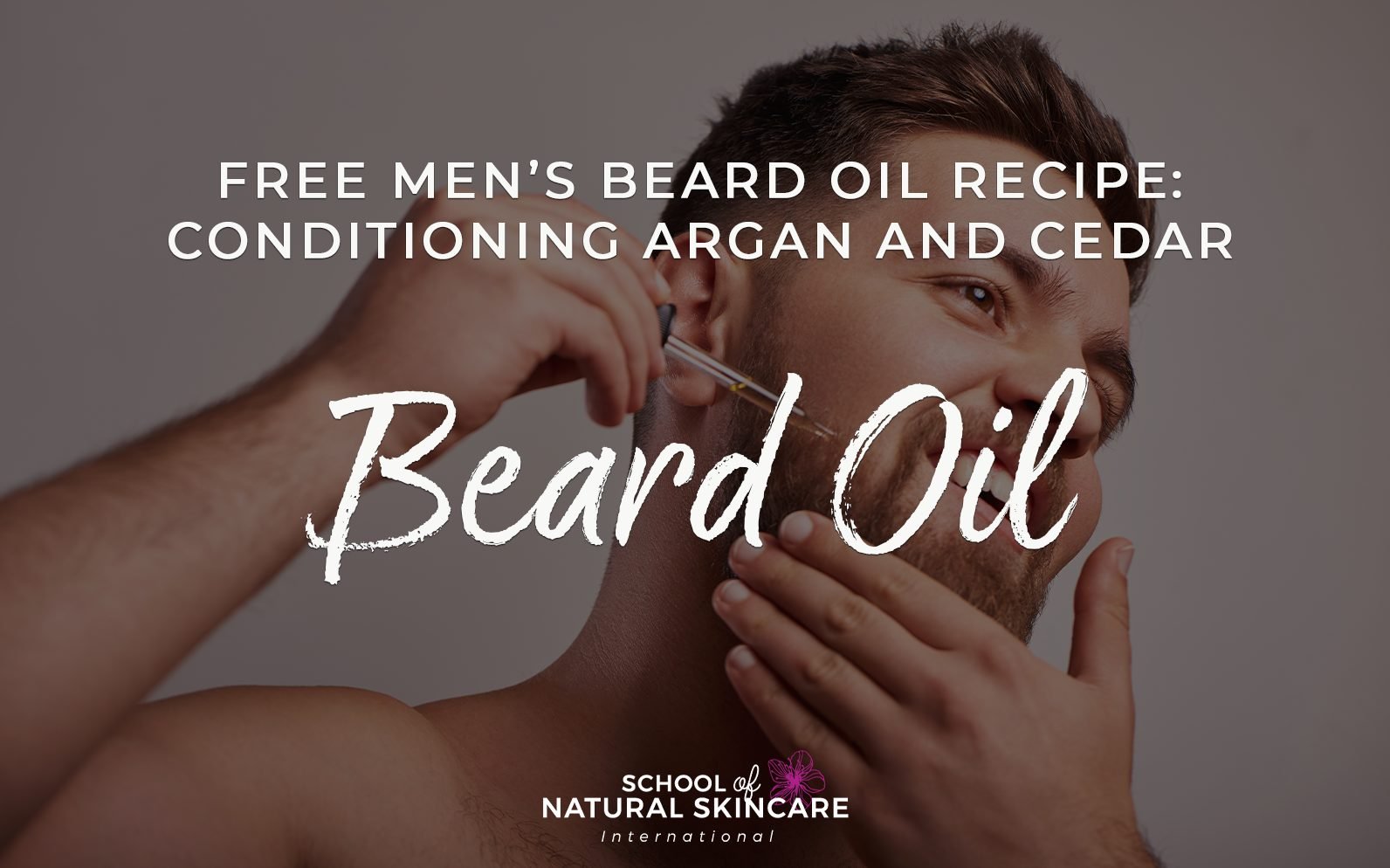
Creating your own silicone-free beard serum eliminates mystery ingredients while allowing customization for your specific beard needs. The following base recipe provides the foundation for truly effective beard care, delivering genuine nourishment without synthetic fillers or potential irritants. With just a few natural ingredients, you’ll create a serum that outperforms commercial alternatives at a fraction of the cost.
Base Oil Selection Guide
The foundation of any effective beard serum begins with selecting the right combination of carrier oils. For optimal results, combine 2-3 oils from this list in a 1-ounce (30ml) glass dropper bottle: 40% jojoba oil as your primary base, 30% argan oil for protein support, 20% sweet almond oil for lightweight conditioning, and 10% vitamin E oil for preservation and repair. This balanced formulation works for most beard types, but you can adjust ratios based on your beard’s specific needs – increasing jojoba for oily skin or argan for damaged hair.
Consider your beard’s unique characteristics when customizing your blend. Coarse, wiry beards benefit from adding a small amount of melted shea butter (5-10%) to your oil mixture while it’s still warm, creating a slightly heavier serum with intensive moisturizing properties. For finer beards prone to looking greasy, replace some of the heavier oils with lightweight alternatives like grapeseed or camellia seed oil, which provide nourishment without excessive shine.
Essential Oil Combinations for Different Needs
Essential oils transform your base serum into targeted treatments while providing natural fragrance without synthetic perfumes. For a basic woodsy scent that also supports hair health, add 5 drops cedarwood and 3 drops sandalwood essential oil per ounce of carrier oil base. Men struggling with beard itch will find relief by incorporating 4 drops tea tree and 3 drops lavender essential oils, which provide anti-inflammatory and antimicrobial benefits alongside their pleasing aroma. For those exploring natural solutions for anxiety, essential oils can offer calming effects.
For growth stimulation, create a circulation-enhancing blend with 3 drops peppermint, 3 drops rosemary, and 2 drops black pepper essential oils. This combination creates a gentle warming sensation that increases blood flow to follicles while smelling invigoratingly masculine. Those concerned about sensitivity should perform a patch test first, as these stimulating oils occasionally cause mild reactions in very sensitive individuals.
Step-by-Step Mixing Instructions
Begin with absolutely clean equipment – a small glass measuring cup, dropper, funnel, and your storage bottle should be sterilized with boiling water or high-percentage alcohol. Measure your carrier oils carefully, starting with the highest percentage ingredient (typically jojoba) and adding each subsequent oil. If incorporating melted shea butter, allow it to cool slightly before combining with other oils to prevent heat damage to delicate components.
Add essential oils last, counting drops precisely as these concentrated plant essences are potent. Secure the dropper cap and roll the bottle gently between your palms for 30 seconds to blend without introducing air bubbles. Allow your serum to rest for 24 hours before first use, giving the ingredients time to marry fully for optimal effectiveness. This patient approach results in a more harmonious final product with improved scent stability.
Shelf Life and Storage Tips
Natural beard serums typically remain stable for 6-12 months when properly stored in amber or cobalt blue glass bottles that protect against light degradation. Keep your creation in a cool, dark cabinet – not the humid bathroom environment that accelerates oxidation. The inclusion of vitamin E oil extends shelf life naturally, but watch for any changes in smell (turning rancid), appearance (clouding), or performance, which indicate it’s time to make a fresh batch. For more on maintaining your beard care products, consider reading about antidepressant myths that might affect your grooming routine.
Consider making smaller quantities more frequently rather than large batches, particularly when first experimenting with formulations. This approach allows you to refine your perfect recipe while ensuring you’re always using fresh, potent ingredients. Dating your bottles with a simple label helps track freshness, a practice particularly important when creating multiple specialized serums for different beard needs.
3 Specialized Beard Serums for Specific Problems
While the base recipe works wonderfully for general beard care, specific challenges benefit from targeted formulations. These specialized recipes address common beard issues with carefully selected ingredients that work synergistically, providing solutions where commercial products often fall short. Each formula builds on the fundamental principles of silicone-free care while incorporating additional therapeutic elements.
1. Anti-Itch Beard Relief Serum
For persistent beard itch and irritation, this soothing blend provides immediate relief while addressing underlying causes. Combine 15ml jojoba oil, 10ml calendula-infused oil (excellent for inflammation), 5ml evening primrose oil (rich in gamma-linolenic acid that calms irritation), and 5 drops each of chamomile and lavender essential oils. This formulation reduces inflammatory responses while supporting skin barrier function, creating a more comfortable environment for both beard and underlying skin.
Apply this specialized serum after showering while your beard is still slightly damp, massaging thoroughly into the skin beneath. For severe itching episodes, store a small amount in the refrigerator – the cooling effect combined with the anti-inflammatory ingredients provides dramatic relief during flare-ups. Consistent use typically resolves chronic irritation within 7-14 days as the skin’s natural balance is restored. For more about maintaining a healthy lifestyle, consider exploring compact home gym kits to complement your grooming routine.
2. Beard Growth Stimulation Blend
For enhancing beard fullness and addressing patchy areas, this circulation-boosting formula encourages optimal follicle function. Create a base of 15ml jojoba oil, 10ml castor oil (known for growth stimulation), 5ml argan oil, then add 4 drops rosemary essential oil, 3 drops peppermint essential oil, and 2 drops black pepper essential oil. This potent combination increases microcirculation while providing nutrients essential for robust hair production.
Apply this growth serum with particular attention to areas of slower growth, using fingertips to work the oil directly into the skin with small circular motions. For enhanced effectiveness, perform this application after washing your face with warm water when pores are most receptive. Consistency is crucial – results typically become noticeable after 4-6 weeks of twice-daily application as the beard growth cycle responds to improved follicle conditions.
3. Overnight Repair Treatment for Damaged Beards
Beards damaged by harsh products, heat styling, or environmental stressors require intensive restoration that works while you sleep. This reparative overnight treatment combines 10ml argan oil, 10ml avocado oil (exceptionally penetrating), 5ml rosehip seed oil (rich in regenerative fatty acids), 5ml sea buckthorn oil (loaded with rare omega-7), and 5 drops frankincense essential oil. The heavier consistency delivers deep conditioning that would be too intense for daytime use.
Apply a generous amount to your clean, dry beard before bed, using a wooden beard comb to distribute evenly through to the ends. Place a small towel over your pillowcase to prevent staining, then allow the treatment to work throughout the night when your body’s natural repair mechanisms are most active. Use twice weekly for severely damaged beards, reducing to weekly maintenance once condition improves. The transformation in beard texture becomes apparent after just 2-3 treatments.
Beyond Serums: Complete Your Allergen-Free Beard Care Routine
“Ultimate Guide to Beard Growth: Tips …” from onesociety.co.uk
A truly effective beard care regimen extends beyond serums to create a comprehensive approach free from problematic ingredients. These complementary formulations work together with your silicone-free serum to maintain optimal beard health throughout every stage of care – from cleansing through styling. By ensuring each product in your routine maintains the same natural standards, you prevent undermining your results with hidden irritants.
DIY Silicone-Free Beard Wash Formula
Commercial beard washes often contain harsh sulfates that strip natural oils, creating the very dryness their conditioning ingredients then claim to fix. This gentle, sulfate-free cleanser effectively removes dirt without disrupting your beard’s moisture balance. Mix 1/4 cup liquid castile soap, 2 tablespoons vegetable glycerin, 1 tablespoon apple cider vinegar (balances pH), and 5 drops each of cedarwood and tea tree essential oils. Store in a foam pump bottle, diluting slightly with water if the consistency is too thick. For more beard care recipes, check out this DIY men’s grooming guide.
Use this natural cleanser 2-3 times weekly rather than daily, allowing your beard’s beneficial natural oils to remain present between washes. Focus application primarily on the skin beneath your beard where oil buildup occurs, working through to the ends with gentle massage. This approach maintains cleanliness while preserving the protective lipid layer that keeps beard hair supple and resistant to environmental damage.
Natural Beard Balm Without Petroleum Products
For styling hold without synthetic ingredients, this natural balm combines the conditioning benefits of butter with just enough wax for control. Melt together 2 tablespoons shea butter, 2 tablespoons coconut oil, 1 tablespoon beeswax pellets, and 1 tablespoon castor oil using a double-boiler method. Remove from heat once fully melted, add 10 drops of preferred essential oils, then pour into a small tin container and allow to cool completely before capping. For more recipes and tips, check out this guide on DIY beard oil for sensitive skin.
Apply a small amount warmed between palms to slightly damp beard hair, working from roots to ends with special attention to shaping the perimeter. This natural alternative to petroleum-based styling products provides light to medium hold while continuing to condition throughout the day. The absence of silicones ensures your beard remains receptive to moisture and won’t develop the buildup common with conventional products.
Weekly Beard Scrub for Exfoliation
Proper exfoliation prevents ingrown hairs and removes dead skin cells that contribute to beardruff. This gentle weekly scrub combines mechanical and enzymatic exfoliation for optimal results without irritation. Mix 2 tablespoons brown sugar, 1 tablespoon finely ground coffee, 2 tablespoons honey, and 1 tablespoon yogurt to create a paste with both grit and natural alpha-hydroxy acids that dissolve debris.
Massage this scrub into damp beard hair with focus on the skin beneath, using gentle circular motions for 1-2 minutes before thoroughly rinsing. Follow immediately with your silicone-free serum while skin is still slightly damp to maximize absorption. This weekly ritual prevents the buildup that leads to irritation and poor beard appearance, creating the clean foundation necessary for all other products to work effectively.
Application Techniques That Maximize Benefits
Even the most perfectly formulated beard serum falls short without proper application. The methods you use significantly impact how effectively natural ingredients penetrate beard hair and nourish the underlying skin. Mastering these techniques transforms your silicone-free serum from a simple product into a powerful treatment that delivers its full potential with every use.
The Warm Oil Method for Deep Penetration
Heat temporarily opens the cuticle of beard hair, allowing oils to penetrate more deeply than with room-temperature application. Place your sealed serum bottle in a cup of hot water for 2-3 minutes before application – the oil should feel warm but not hot against your wrist. This simple step dramatically improves absorption, particularly for coarser beard types that resist conditioning. The enhanced penetration means you’ll need less product while achieving better results, as natural oils reach the cortex of each hair rather than merely coating the surface.
Combine this warming technique with proper massage, using fingertips to work warmed oil in circular motions into the skin beneath your beard. This stimulates blood flow while ensuring the nourishing ingredients reach follicles where new growth begins. For particularly dry or damaged beards, cover with a warm, damp towel for 5 minutes after application to extend the heat’s penetration-enhancing effects – creating a salon-quality treatment at home.
Correct Amount Based on Beard Length
Using the right amount of serum prevents both underconditioning and greasy overuse. For stubble to short beards (under 1 inch), 2-4 drops distributed across your palms provides sufficient coverage without excess. Medium-length beards (1-3 inches) typically require 4-6 drops, focusing application first on skin and then working outward through the length. Long or particularly thick beards benefit from 6-10 drops, applied in sections to ensure even distribution from roots to ends.
Adjust these guidelines based on your beard’s specific absorption characteristics – some coarser textures drink in oils quickly and may need slightly more, while finer beards often require less. The ideal application leaves your beard feeling soft and conditioned within 5 minutes as oils absorb, without lingering greasiness. If your beard still feels oily after this time, you’ve likely applied too much and should reduce the amount next time. For more on maintaining your mental well-being, you might find our article on antidepressant myths for introverted men insightful.
Nighttime vs. Morning Application Benefits
The timing of your serum application offers different advantages worth understanding. Evening application allows oils to work overnight when your body’s natural repair processes peak, making this ideal for intensive conditioning and growth stimulation. The extended contact time without environmental interference maximizes therapeutic benefits, particularly for damaged or slow-growing beards that need extra support. This approach works exceptionally well with slightly heavier formulations that might be too rich for daytime use.
Morning application focuses on protection and styling benefits throughout the day. A lighter application after showering creates a barrier against environmental stressors while improving manageability. For optimal results, many men adopt a dual approach – using a richer repair formula at night and a lighter protective serum in the morning. This strategic timing ensures your beard receives both intensive treatment and daily protection without compromising your professional appearance.
Real Results You Can Expect
Transitioning to silicone-free beard care delivers genuine improvements rather than the temporary illusion created by synthetic products. The transformation occurs progressively as natural oils restore your beard’s inherent health instead of masking problems. Understanding this timeline helps maintain realistic expectations while recognizing the significant long-term advantages of choosing authentic ingredients over quick cosmetic fixes.
The journey typically begins with a detox phase as your beard sheds built-up silicones from previous products. During this 1-2 week period, your beard might initially feel less manageable as it returns to its natural state. This temporary adjustment phase sometimes discourages men from continuing, but perseverance through this brief transition reveals your beard’s true potential once free from synthetic coatings.
Timeline for Beard Improvement
“How to Grow a Beard Faster and …” from cremocompany.com
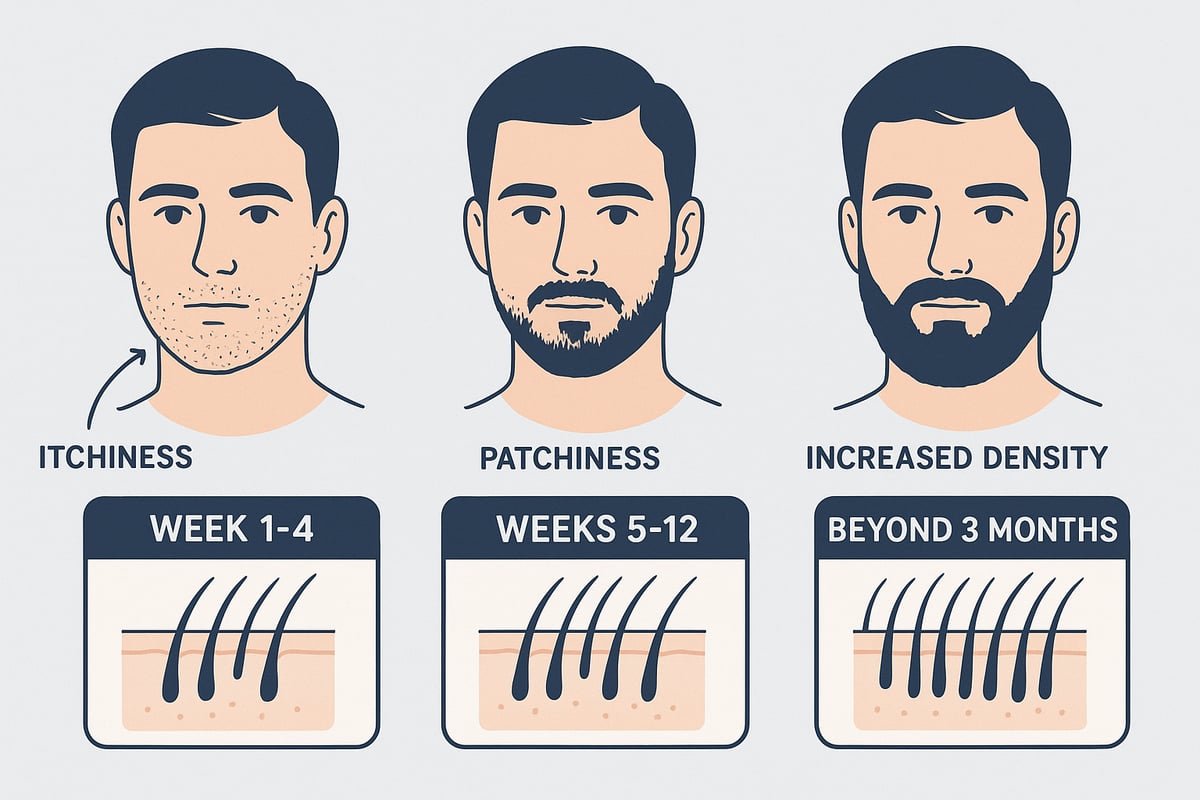
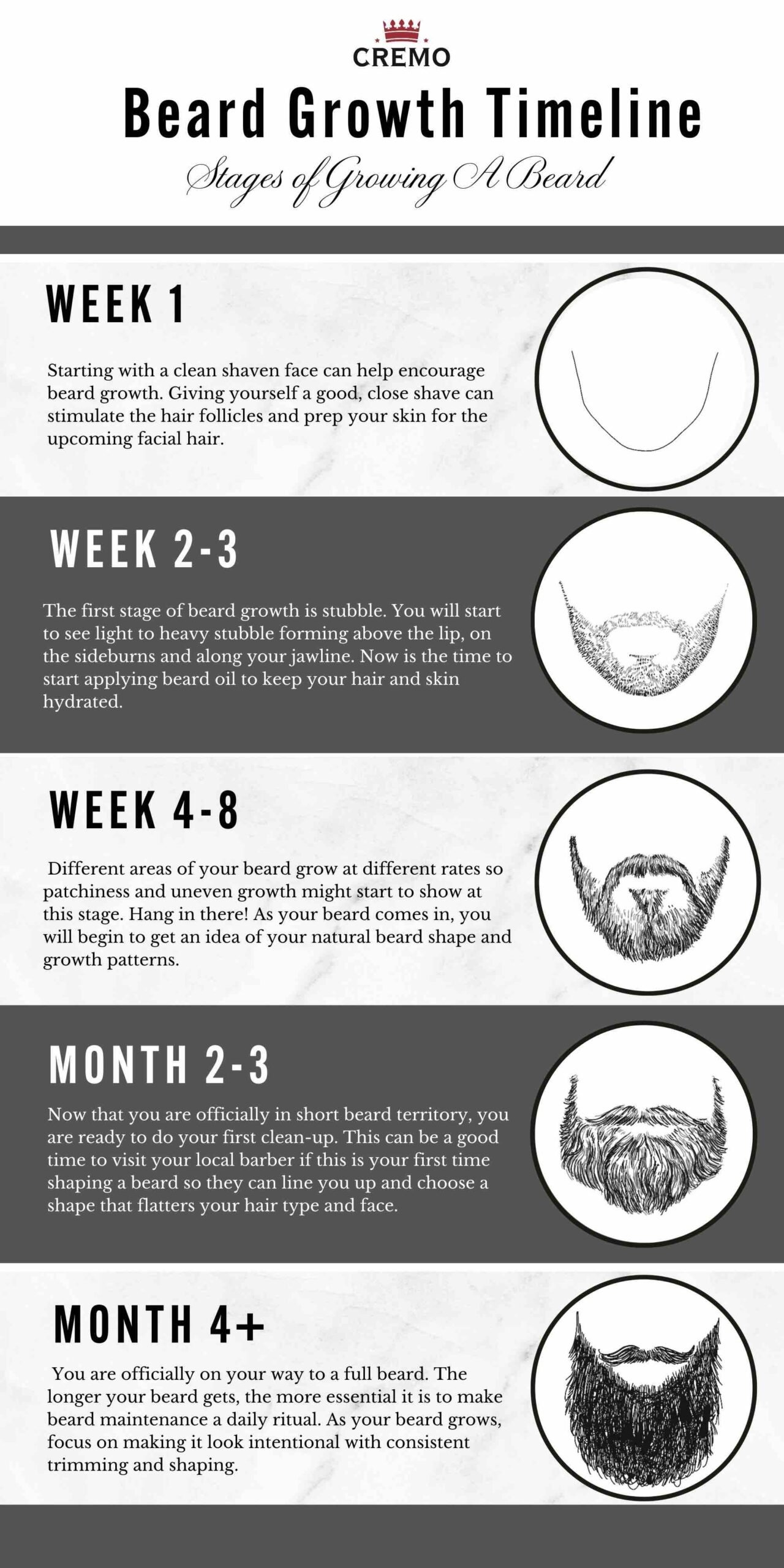
The evolution of your beard health follows a predictable pattern when using natural serums consistently. Within the first 3-7 days, the most noticeable change occurs in the skin beneath your beard as irritation subsides and flakiness diminishes. The beard itself begins responding between days 7-14, developing improved softness and more natural shine as hair shafts absorb nourishing oils instead of being coated by them. By the one-month mark, many men report significant improvements in manageability, reduced breakage, and more consistent growth patterns.
- Week 1: Reduced skin irritation, decreased flaking, initial softening of beard texture
- Week 2-3: Improved shine without greasiness, enhanced manageability, less frizz and flyaways
- Week 4-6: More consistent growth patterns, decreased breakage, fuller appearance
- Month 2-3: Significantly improved texture throughout, more even color, resilience to environmental damage
- Month 4+: Optimized growth cycle, elimination of most common beard problems, established healthy maintenance routine
The full transformation becomes most evident around the three-month mark, coinciding with your beard’s natural growth cycle. New hairs emerging during this period benefit from improved follicle health, creating a progressively better beard as older hairs are replaced. Patience through this process rewards you with a beard that not only looks better but genuinely is healthier at the structural level.
Maintaining Your Healthier Beard Long-Term
Once your beard reaches its optimal condition, maintaining results requires less effort than the initial transformation. Most men find they need less product overall as their beard’s natural balance is restored, often reducing application to once daily or even every other day for those with naturally balanced skin. This decreased dependency contrasts sharply with silicone-based regimens that typically demand increasing product use over time as artificial coatings build up and natural functions become suppressed.
Seasonal adjustments help maintain your beard’s health through changing environmental conditions. Slightly richer formulations during winter protect against harsh weather and indoor heating, while lighter blends prevent overconditioning during humid summer months. This responsive approach to beard care acknowledges that your needs change throughout the year – a flexibility that stock commercial products rarely accommodate but custom formulations easily address.
Frequently Asked Questions
As men transition to natural beard care, certain questions consistently arise about the practicalities of silicone-free serums. These represent the most common concerns along with evidence-based answers drawn from both scientific understanding of ingredients and practical experience. Addressing these questions helps overcome the hesitations that sometimes prevent men from making the switch to healthier beard care options.
Understanding these nuances empowers you to make informed decisions about your personal beard care routine, adapting general principles to your specific circumstances. This knowledge-based approach replaces the trial-and-error process that often leads to frustration when experimenting with commercial products containing undisclosed or poorly understood ingredients.
How often should I apply a silicone-free beard serum?
Application frequency depends primarily on your beard’s natural oil production and environmental exposure. Most men achieve optimal results applying once daily, typically after morning showering when hair is slightly damp and most receptive to conditioning. Those with particularly dry beards or who live in harsh climates may benefit from twice-daily application – morning for protection and evening for repair. Conversely, men with naturally oilier skin might find application every other day provides sufficient conditioning without overloading their beard.
Pay attention to your beard’s response rather than adhering to rigid schedules. If your beard feels dry or brittle by evening, you likely need more frequent application or a richer formulation. If it appears greasy hours after application, reduce frequency or adjust your formula to include more quickly-absorbing oils like grapeseed or camellia. This responsive approach acknowledges that beard needs fluctuate with seasons, stress levels, and even dietary changes.
Can I make these recipes in bulk and store them?
Natural beard serums remain stable for extended periods when properly formulated and stored, making bulk preparation practical with certain precautions. The inclusion of vitamin E oil significantly extends shelf life by preventing oxidation, while amber or blue glass bottles protect against light degradation. For maximum longevity, prepare quantities you’ll use within 3-6 months rather than extremely large batches, and always use absolutely clean equipment during preparation.
Storage Longevity Guidelines
Optimal Conditions: Cool, dark storage in properly sealed glass bottles
Basic Carrier Oil Blends: 6-12 months
Blends with Essential Oils: 3-6 months (scents degrade before therapeutic properties)
Formulations with Butters: 2-3 months (monitor for texture changes)
Signs of Deterioration: Rancid smell, cloudy appearance, separation, reduced effectivenessConsider creating concentrated “master blends” of your favorite essential oil combinations (stored separately from carrier oils) to streamline future batching. This approach allows you to quickly customize fresh carrier oil bases without repeatedly measuring small quantities of essential oils. Label all formulations with preparation dates and ingredients to track effectiveness and shelf life for future reference. For more on effective batching and preparation, check out this guide on stackable solutions.
For those concerned about preservation, refrigeration extends the shelf life of most natural oil blends by approximately 30-50% by slowing oxidation processes. Allow refrigerated oils to reach room temperature before application for optimal absorption and comfortable use. This slight inconvenience trades off against the benefit of maintaining peak potency throughout the product’s life.
Will natural ingredients provide the same shine as silicone products?
Natural oils create a different quality of shine that many men prefer once they adjust their expectations. While silicones produce an immediate, sometimes artificial-looking surface reflection, natural oils develop a deeper, more authentic luster that comes from improved hair health rather than external coating. This genuine shine typically develops over 2-3 weeks of consistent use as hair shafts become properly hydrated from within. The resulting appearance reflects light more naturally and maintains its attractive appearance throughout the day instead of diminishing as silicone coating wears off.
Are these recipes suitable for all beard types and textures?
The foundational recipes work effectively across different beard types when adjusted for specific needs. Coarser, curlier beards benefit from richer formulations with higher percentages of penetrating oils like argan and avocado, while straight, finer beards respond better to lighter blends emphasizing jojoba and grapeseed oils. African-American beards typically require more intensive moisturizing ingredients to prevent brittleness, while East Asian beards often need less overall oil but benefit from growth-stimulating components. The customizable nature of homemade formulations allows fine-tuning impossible with mass-produced products, making them uniquely adaptable to individual beard characteristics regardless of ethnicity or texture. For more insights, check out these DIY beard oil recipes for sensitive skin.
How can I tell if other ingredients in beard products are causing allergies?
Identifying specific allergens requires systematic observation and elimination. Begin by discontinuing all beard products for 5-7 days, using only pure jojoba oil (the least allergenic natural oil) for basic conditioning. Once irritation subsides, reintroduce single ingredients one at a time at 3-day intervals, noting any reactions. This methodical approach identifies problematic components more precisely than randomly switching between multi-ingredient commercial products. Common triggers include certain essential oils (particularly citrus varieties), preservatives, and fragrances, though individual sensitivities vary widely. When creating your own formulations, this knowledge allows you to exclude personal triggers while retaining beneficial ingredients.
For ongoing beard health that rises above the limitations of commercial products, continue exploring natural alternatives that work with your body’s systems rather than against them. Your beard deserves ingredients that nourish rather than coat, genuinely improving condition instead of creating the illusion of health. With these silicone-free recipes and application techniques, you’re equipped to achieve results that synthetic products simply cannot match.
The journey to a healthier beard is ultimately about more than just appearance – it’s about making conscious choices that respect your body’s natural processes. By choosing authentic, plant-based ingredients over synthetic shortcuts, you create both immediate benefits and long-term improvements that enhance not just how your beard looks, but how it feels and grows day after day.
BestProductsForMen.org participates in affiliate programs, which means we may earn a commission if you click on a link and make a purchase. This comes at no additional cost to you. We only recommend products we personally trust, use, or believe will provide value to our readers.
Our goal is to provide honest, helpful reviews and recommendations so you can make informed decisions.
Leave a Reply to Best Beard Grooming Kits for Beginners Under $50 (2026 Guide) Cancel reply