
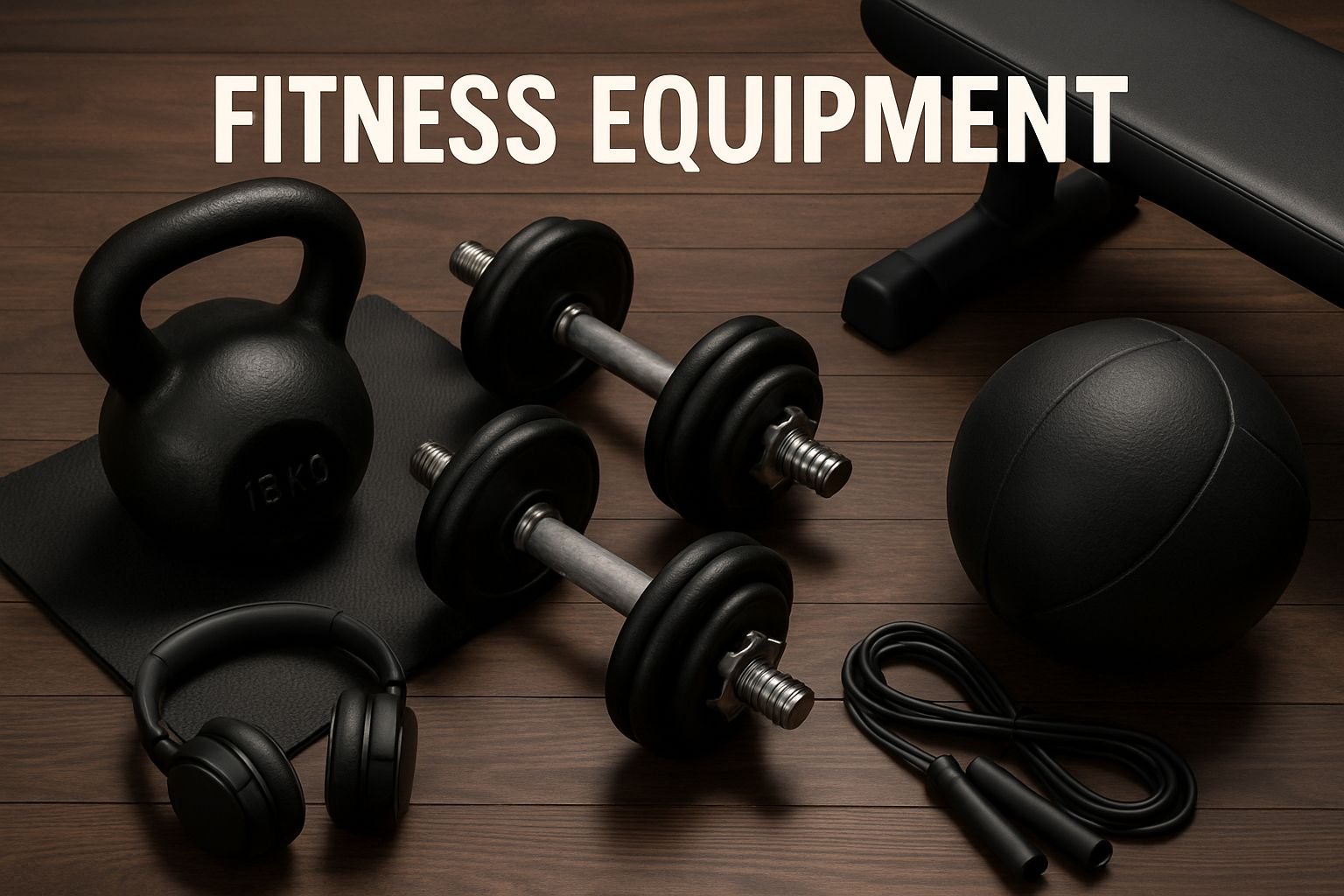
This guide breaks down the best compact home gym equipment for men who want to build strength without needing a full gym.
- The REP Fitness Ares 2.0 is the best overall home gym for men in 2026, combining heavy-duty construction with versatile training options that rival commercial gym setups.
- You don’t need a massive space or budget — options like the PRx Profile ONE Squat Rack fold flat against the wall and cost under $700, making serious training accessible in almost any room.
- Smart gym technology has matured — the Tonal 2 uses electromagnetic resistance and AI coaching to deliver a genuinely effective strength training experience, but it comes at a $4,295 premium that isn’t right for everyone.
- All-in-one trainers like the Force USA C10 eliminate the need for multiple machines, but knowing which type of equipment matches your actual training goals is what separates a gym you use from one you ignore.
- Keep reading to find out which budget tier gets you the most functional setup — and which single piece of equipment covers every major muscle group if you can only buy one thing.
Building a home gym is one of the smartest investments a fitness-minded man can make — but only if you buy the right equipment from the start.
Fitness experts and equipment reviewers consistently point to the same core mistake: men spend money on equipment that looks impressive but doesn’t match how they actually train. The result is a garage full of gear collecting dust instead of helping them hit their goals.
The Only Home Gym Guide You Need in 2026
The home gym market has exploded. Between all-in-one cable machines, smart trainers, foldable squat racks, and commercial-grade power racks, the options are genuinely overwhelming. This guide cuts through all of it — tested picks, clear price points, and honest trade-offs so you can build a setup that actually works for your space, goals, and budget.
Why Most Men Fail to Build a Home Gym (And How to Avoid It)
Most home gym failures come down to one of three things: buying equipment that doesn’t match their training style, underestimating space requirements, or going either too cheap or too expensive without understanding what each price tier actually delivers. The fix is simple — get clear on your goals before you spend a single dollar.
What Separates a Good Home Gym From a Wasted Investment
A good home gym is one you actually use consistently. That means the equipment has to fit your space without feeling cramped, match your training goals whether that’s strength, cardio, or full-body conditioning, and hold up over years of regular use. Versatility matters more than variety — one machine that does ten things beats ten machines that each do one. For example, consider investing in an adjustable kettlebell that can be used for multiple exercises.
Best Home Gym Equipment for Men in 2026
Every pick on this list has been evaluated for build quality, training versatility, space efficiency, and value at its price point. Whether you’re outfitting a two-car garage or a spare bedroom, there’s a setup here that fits.
Here’s a quick overview of the top picks before diving into each one in detail. For those interested in strength training, check out our portable bench press reviews for compact options that fit any home gym.
1. REP Fitness Ares 2.0 – Best Home Gym Overall
The REP Fitness Ares 2.0 is the gold standard for men who want a single setup that handles everything — squats, bench press, pull-ups, cable work, and more — without needing to buy separate machines. Priced at $2,999.99, it’s a serious investment, but it delivers commercial-gym functionality in a form factor designed for residential spaces. The build quality is exceptional, with heavy-gauge steel construction that can handle years of heavy lifting without wobbling or wearing down. If you have the budget and the space, this is the one to get.
2. Tonal 2 – Best Smart Home Gym
The Tonal 2 is in a category of its own. It mounts directly to your wall and uses electromagnetic resistance — not weight plates or cables — to generate up to 200 pounds of digitally controlled resistance. The system includes AI-powered coaching that adjusts weight, tracks your reps, and monitors your form in real time. At $4,295, it’s the most expensive pick on this list, but it’s also the most technologically advanced home gym available right now.
- Wall-mounted design takes up almost no floor space
- Up to 200 lbs of electromagnetic resistance — no plates required
- AI coaching adjusts weight and tracks performance automatically
- Includes a built-in HD screen for guided workouts and progress tracking
- Requires a monthly subscription to access full coaching features
The Tonal 2 is purpose-built for men who want the convenience of a personal trainer and a full gym in one wall-mounted unit. It’s not for powerlifters chasing max barbell loads, but for strength training, hypertrophy, and guided programming it’s genuinely hard to beat. If you’re also interested in maintaining a well-groomed appearance, check out our men’s beard care guide for tips.
One important consideration — the subscription cost adds up over time, so factor that into your total budget when comparing it against traditional equipment options.
3. Force USA C10 All-In-One Trainer – Best All-In-One Home Gym
The Force USA C10 All-In-One Trainer packs a power rack, functional trainer, lat pulldown, low row, chin-up station, and more into a single footprint. At $4,499, it’s priced at the premium end, but replacing each of those components individually would cost significantly more. It’s the best option for men who want maximum training variety without filling an entire room with separate machines.
4. Force USA G3 – Best Cable Machine for Home Gym
If cable work is central to your training — and it should be — the Force USA G3 is the best standalone cable machine for a home setup. Priced at $1,499, it functions as a full all-in-one trainer with dual adjustable pulleys, a chin-up bar, and enough attachment versatility to hit every muscle group from every angle.
Cable machines are often overlooked in home gyms in favor of barbells and dumbbells, but the constant tension they provide is uniquely effective for muscle hypertrophy. The G3 fills that gap without eating up as much floor space as a full power rack system.
5. PRx Profile ONE Squat Rack – Best Home Gym for Small Spaces
The PRx Profile ONE is the smartest space-saving solution in the home gym market. When not in use, it folds completely flat against the wall — taking up just 4 inches of depth. When deployed, it functions as a full squat rack with J-cups, safety arms, and pull-up bar capability. At $649.99, it’s also one of the most affordable quality racks available.
- Folds to 4 inches from the wall when not in use
- Supports standard barbell training including squats, bench press, and overhead press
- Includes a pull-up bar integrated into the frame
- Compatible with optional attachments like dip bars and spotter arms
- Ideal for apartments, spare bedrooms, and single-car garages
For men working with tight square footage, the PRx Profile ONE lets you have a legitimate squat rack without permanently sacrificing your living space. It’s one of the few pieces of equipment that solves the space problem without compromising on function.
6. Ironmaster Super Bench – Best Budget Home Gym
The Ironmaster Super Bench Adjustable Utility Bench is the best budget entry point for building a functional home gym at $399. It adjusts to multiple angles, handles heavy loads without wobbling, and pairs cleanly with a squat rack or dumbbells for a complete training setup. It’s not flashy, but it’s built to last and it handles the basics exceptionally well. For those looking to diversify their workout, consider adding an adjustable kettlebell to your home gym setup.
Equipment Price Best For Space Required REP Fitness Ares 2.0 $2,999.99 Overall Best Large (garage) Tonal 2 $4,295 Smart Training Minimal (wall-mounted) Force USA C10 $4,499 All-In-One Large Force USA G3 $1,499 Cable Work Medium PRx Profile ONE $649.99 Small Spaces Minimal (foldable) Ironmaster Super Bench $399 Budget Pick Small
The Ironmaster Super Bench earns its budget title not by cutting corners but by doing exactly what a bench needs to do — provide a stable, adjustable surface for pressing, rowing, and seated exercises — without unnecessary extras driving up the price.
7. Bowflex Xtreme 2 SE – Best for Full-Body Workouts
The Bowflex Xtreme 2 SE uses Power Rod resistance technology to deliver over 70 possible exercises from a single machine footprint, priced at $1,499. It covers chest, back, shoulders, arms, and legs without requiring plates or a rack, making it one of the most self-contained full-body training systems available for home use. It’s especially well-suited for men who want structured, consistent training without the complexity of building a multi-component setup. For more options, check out this list of best home gyms.
8. NordicTrack Commercial 1750 – Best Home Gym Treadmill
The NordicTrack Commercial 1750 is the treadmill to buy if you’re serious about cardio as part of your overall fitness program. At $2,499, it delivers a 10-inch HD touchscreen, incline up to 15%, and decline down to -3% — features that dramatically expand the range and intensity of treadmill training beyond basic flat running.
The incline and decline capability alone sets it apart from most home treadmills in its price range. Walking at a steep incline is one of the most effective low-impact fat-burning strategies available, and the Commercial 1750 handles that exceptionally well.
It also integrates with iFIT, NordicTrack’s interactive training platform, which provides access to live and on-demand workout classes led by certified trainers. That subscription adds recurring cost, but for men who need external motivation and programming structure to stay consistent with cardio, it’s genuinely useful.
9. Aviron Strong Go Rower – Best Home Gym Rowing Machine
The Aviron Strong Go Rower earns its spot at $2,549 by combining genuine rowing performance with game-based and competitive training modes that make cardio sessions something you actually look forward to. The resistance system is smooth and consistent, the seat rail is built for tall athletes, and the display delivers real-time metrics including split time, stroke rate, and output wattage — everything you need to train with precision.
Rowing is one of the most complete forms of cardio available because it engages both the upper and lower body simultaneously while keeping joint impact low. For men who want a cardio solution that also contributes to back thickness and pulling strength, a quality rower like the Strong Go belongs in the conversation alongside treadmills and bikes.
10. Major Fitness All-In-One Power Rack F22 – Best for Bodybuilding
The Major Fitness All-In-One Home Gym Power Rack F22 is built specifically for men who train with bodybuilding goals in mind — isolation work, high-volume sets, and muscle-specific targeting across every major muscle group. Priced at $929.99, it punches well above its price point, integrating a functional trainer, lat pulldown, low row, and power rack into one structure without the five-figure price tag of competitors like the Force USA C10.
What makes the F22 particularly effective for bodybuilding is the dual weight stack cable system, which allows independent arm movement and unilateral training — both essential for correcting muscle imbalances and maximizing hypertrophy. It’s one of the most complete bodybuilding-focused setups available under $1,000, and for men focused on aesthetics and muscle development over pure powerlifting performance, it’s the smartest buy on this list.
11. Fringe Sport Squat Rack with Pull-Up Bar – Best for CrossFit
- Price: $499 — the most affordable full rack option on this list
- Pull-up bar integrated into the top of the frame for bodyweight and kipping work
- Open design allows full range of motion for Olympic lifts and dynamic movements
- Compatible with standard barbells and bumper plates for cleans, snatches, and thrusters
- Footprint is minimal compared to enclosed power racks, ideal for WOD-style training
CrossFit-style training demands equipment that can handle explosive, varied, high-intensity movements — and the Fringe Sport Squat Rack with Pull-Up Bar is built exactly for that. The open frame design gives you the freedom to move the way CrossFit programming requires, without the cage walls of a traditional power rack getting in the way of cleans, jerks, or overhead squats.
At $499, it’s one of the most accessible entry points into legitimate barbell training for men who want to follow CrossFit or functional fitness programming at home. Pair it with a set of bumper plates and a quality barbell and you have everything you need to run full WODs from your garage.
It’s worth noting that the open rack design does mean you’re without spotter arms in the traditional sense, so training to failure on heavy back squats solo requires either a bail-out technique or the addition of safety straps. For CrossFit-style workouts where weights are typically submaximal and movement is prioritized over maximum loads, this is rarely a limiting factor.
How to Choose the Right Home Gym Equipment
With eleven solid options in front of you, the next challenge is figuring out which one — or which combination — actually makes sense for your situation. The decision comes down to three factors that most buying guides skip over: your specific training goals, your available space, and what each budget tier realistically delivers in terms of equipment quality and training variety.
Getting this right the first time saves you from the cycle of buying, selling, and re-buying equipment that doesn’t fit your life. It’s a trap a lot of men fall into, and it’s entirely avoidable with a little upfront clarity.
Match Equipment to Your Fitness Goals
Your training goal should be the first filter you apply. If building maximum muscle mass is the priority, a power rack with cable attachments like the Major Fitness F22 or the Force USA C10 gives you the volume and isolation capability that bodybuilding requires. If fat loss and conditioning are the focus, a combination of the NordicTrack Commercial 1750 and a functional trainer covers your bases. Pure strength athletes need a rack, a barbell, and plates — full stop. Be honest about how you actually train, not how you think you should train, and let that drive the decision.
Space Requirements You Need to Plan For
Most home gym guides underestimate space requirements. A power rack needs a minimum 10×10 foot footprint when you account for bar clearance, loading room on each side, and safe movement around the equipment. All-in-one trainers like the Force USA C10 require similar footprints. If you’re working with less than that, foldable options like the PRx Profile ONE or wall-mounted systems like the Tonal 2 are the only realistic choices that don’t compromise your training.
Ceiling height matters just as much as floor space. Pull-up bars, overhead pressing, and even some cable exercises require at least 8 feet of ceiling clearance — and ideally more if you’re above 6 feet tall. Measure your space in all three dimensions before you buy anything. For more tips on creating the perfect workout space, check out this guide on the best home gyms.
Budget Tiers: What You Get at Each Price Point
The home gym market breaks cleanly into three tiers. Under $1,000 you get solid single-function equipment — a quality bench, a foldable rack, or a functional cable machine — that covers the fundamentals without frills. Between $1,000 and $3,000 you enter the territory of genuine multi-function systems with commercial-grade durability, where options like the Force USA G3 and REP Fitness Ares 2.0 live. Above $3,000, you’re buying into premium all-in-one systems and smart gym technology that replaces the need for multiple machines entirely.
None of these tiers is wrong — the right one depends entirely on how seriously you train and how long you plan to use the equipment. A man who trains five days a week for decades should be looking at the $2,000 to $4,000 range. Someone just getting started building consistent habits is better served starting lean and scaling up.
Must-Have Features in Any Compact Home Gym
- Multi-angle adjustability — benches and cable systems should offer multiple positions to hit muscles from different angles
- High weight capacity — minimum 300 lbs for racks, 200 lbs for cable stacks if you plan to progress over time
- Steel gauge thickness — look for 11-gauge or thicker steel on racks and frames for long-term structural integrity
- Bolt-down or floor anchor compatibility — stability under heavy load is non-negotiable for safety
- Attachment compatibility — equipment that accepts third-party attachments grows with your training rather than limiting it
The biggest mistake men make when spec-checking home gym equipment is focusing on the headline numbers — total weight capacity, number of exercises listed — and ignoring the structural details that determine whether a machine holds up after two years of hard use. Steel gauge, weld quality, and frame design are what separate equipment that lasts a decade from equipment that starts wobbling in year two.
Adjustability is the other underrated factor. A bench that only lies flat or sits at 90 degrees cuts your exercise options dramatically compared to one with multiple incline positions. Cable systems with fixed pulley heights limit movement variety in ways you won’t notice until you’ve been training on them for a few months. Prioritize flexibility in the equipment you buy and your training options stay open as your goals evolve.
Safety features deserve their own consideration, especially if you’re training alone. Spotter arms, safety straps, and bolt-down anchor points aren’t optional extras — they’re what allow you to train hard without a training partner present. Any rack or bench that doesn’t offer some form of safety catch system is a liability, not an asset.
Multi-Function Capability Saves Space and Money
The best home gym equipment does more than one thing well. The Force USA C10 replaces what would otherwise be six or seven separate machines. The REP Fitness Ares 2.0 handles barbell work, cable exercises, and bodyweight training from a single structure. When you’re working within the square footage of a garage or spare room, every piece of equipment needs to justify its floor space by delivering multiple training modalities — not just one.
The math on multi-function equipment is compelling. Buying a dedicated lat pulldown machine ($400-$800), a functional trainer ($1,000-$2,000), a squat rack ($500-$1,500), and a cable row station ($300-$600) separately adds up to far more than the cost of an all-in-one system that covers all of it. Multi-function equipment isn’t a compromise — when built well, it’s the smarter financial and spatial decision.
Weight Capacity and Durability Standards to Look For
For power racks and squat stands, a minimum weight capacity of 700 lbs is the baseline worth targeting — even if you’re not lifting anywhere near that right now, structural margins matter for long-term safety and frame longevity. Cable machines should offer a minimum stack weight of 150 lbs for meaningful progressive overload on pulling movements, with 200 lbs or more being ideal for experienced lifters. Steel gauge of 11-gauge or thicker on the main frame is the construction standard that separates commercial-quality equipment from budget equipment that looks similar but degrades far faster under load. For those interested in versatile home gym equipment, consider exploring adjustable kettlebell options for additional strength training.
The Minimum Equipment Setup That Actually Works
You don’t need a $10,000 setup to build a genuinely effective home gym. The minimum viable home gym — one that covers every major movement pattern and allows for consistent progressive overload — can be assembled for well under $2,000 and fits in a single-car garage.
The three components that cover the most ground with the least equipment are a quality adjustable barbell and weight plate set, a foldable or compact squat rack, and an adjustable bench. Together, these three pieces enable squats, deadlifts, bench press, overhead press, barbell rows, and more — the foundational movements that build the most muscle and strength across the entire body.
Movement Pattern Equipment Needed Example Exercise Push (horizontal) Bench + Barbell Bench Press Push (vertical) Rack + Barbell Overhead Press Pull (horizontal) Barbell + Bench Barbell Row Pull (vertical) Pull-Up Bar Pull-Up / Chin-Up Squat (bilateral) Rack + Barbell Back Squat Hinge Barbell + Floor Deadlift Carry / Core Barbell or Plates Farmers Carry / Loaded Carry
Every movement pattern in the table above can be trained with the three-component minimum setup. That’s not a compromise — that’s the same programming framework used by some of the most effective strength coaches in the world. The complexity of a setup doesn’t determine its effectiveness; the consistency of training does.
The Push, Pull, Squat Rule for Compact Gyms
When space and budget are tight, use the push-pull-squat rule as your equipment filter: before buying any piece of equipment, ask whether it contributes to a pushing movement, a pulling movement, or a squat pattern. If a machine only covers one of the three and takes up significant floor space, it’s probably not the right buy for a compact setup. Equipment that enables all three — like a power rack with a pull-up bar — earns its place. Equipment that covers only one, like a dedicated pec deck or leg extension machine, should wait until you have space and budget to spare.
How to Get a Full-Body Workout in Under 100 Square Feet
A 10×10 foot space is all you need to run a complete, effective full-body training program — if you choose your equipment strategically. The PRx Profile ONE Squat Rack folds flat against the wall when not in use, freeing up the entire floor space for dynamic movements, stretching, or cardio work. Pair it with an adjustable bench that slides under the rack when stored and a 300 lb barbell and plate set, and you have a training environment that covers every major movement pattern without permanently occupying your living space.
Equipment Combinations That Cover Every Muscle Group
The most efficient combinations for a compact home gym are built around equipment that shares a footprint rather than each requiring their own dedicated space. A squat rack with an integrated pull-up bar handles all vertical and horizontal pushing and pulling patterns when combined with a barbell. Adding a set of adjustable dumbbells — like the Bowflex SelectTech 552s, which adjust from 5 to 52.5 lbs in 2.5 lb increments — fills in the isolation and unilateral work that barbells can’t cover as efficiently. That three-piece combination covers chest, back, shoulders, arms, legs, and core without requiring more than 80 square feet of active floor space.
Smart Home Gym Technology Worth Paying For
Smart gym technology isn’t a gimmick anymore. The gap between what a well-designed smart trainer can deliver and what most men actually do with traditional equipment has narrowed significantly — and in some cases, the smart option genuinely wins. The key is knowing which features translate to real training improvements and which are marketing features you’ll ignore after the first month. For instance, integrating biometrics tracking can provide valuable insights into your workouts.
The technology worth paying for comes down to two things: adaptive resistance that adjusts in real time to match your output, and performance tracking that actually changes how you train. Everything else — screens, animations, leaderboard features — is supplementary. The Tonal 2 delivers on both of the criteria that matter, which is why it commands its price point in a way that most smart fitness products don’t.
What Tonal 2 Offers That Traditional Equipment Cannot
The Tonal 2’s electromagnetic resistance system adjusts weight in 1 lb increments up to 200 lbs, responds in real time to your speed and effort, and can apply eccentric overload — meaning it actually increases resistance on the lowering phase of a lift, a training stimulus that is nearly impossible to replicate with traditional free weights without a training partner manually adding resistance. The built-in load cells measure your force output on every rep, giving you data on strength asymmetries between sides of your body that most men never discover until they have a chronic injury. That level of feedback doesn’t exist in any barbell or cable machine setup at any price.
When a Smart Gym Is Worth the Premium Price
The Tonal 2 makes financial and practical sense for men who would otherwise pay for a personal trainer, a gym membership, and multiple pieces of equipment separately. If you’re spending $150 to $300 per month on a gym membership plus personal training sessions, the Tonal 2 pays for itself within two to three years while delivering a more convenient and data-rich training experience. It
How to Get a Full-Body Workout in Under 100 Square Feet
A 10×10 foot space is genuinely enough to run a complete, effective full-body training program — if you choose your equipment strategically. The PRx Profile ONE Squat Rack folds flat against the wall when not in use, freeing up the entire floor for dynamic movements, stretching, or cardio work. Pair it with an adjustable bench that slides under the rack when stored and a 300 lb barbell and plate set, and you have a training environment that covers every major movement pattern without permanently consuming your living space.
The key is thinking vertically as much as horizontally. Wall-mounted storage for plates and barbells, ceiling-mounted pull-up bars, and foldable equipment are the three tools that let you pack commercial gym functionality into a space most people dismiss as too small. Men who train in 100 square feet consistently outperform men who plan to train once they find a bigger space — because that bigger space rarely materializes, and waiting is just another word for not training.
Equipment Combinations That Cover Every Muscle Group
The most efficient combinations for a compact home gym are built around equipment that shares a footprint rather than each requiring its own dedicated space. A squat rack with an integrated pull-up bar handles all vertical and horizontal pushing and pulling patterns when paired with a barbell. That single combination covers squats, deadlifts, bench press, overhead press, pull-ups, and barbell rows — the six foundational movements that build the most total muscle mass.
Adding a set of adjustable dumbbells fills in the isolation and unilateral work that barbells don’t cover as cleanly. The Bowflex SelectTech 552s adjust from 5 to 52.5 lbs in 2.5 lb increments and replace 15 pairs of fixed dumbbells in a single compact footprint. That three-piece combination — rack, barbell set, and adjustable dumbbells — covers chest, back, shoulders, arms, legs, and core without requiring more than 80 square feet of active floor space.
If you can add one more component, a set of resistance bands or a set of gymnastic rings hung from the pull-up bar dramatically expands your exercise library without adding any floor footprint at all. Rings in particular allow for ring dips, ring rows, ring push-ups, and bodyweight bicep curls — movements that challenge stabilizer muscles in ways that fixed machines simply cannot replicate.
Smart Home Gym Technology Worth Paying For
Smart gym technology has crossed the line from novelty to genuinely useful — but only a small subset of what’s being marketed actually changes training outcomes. The features worth paying for are adaptive resistance that responds to your real-time output and performance tracking that gives you data you can act on. Everything else is a screen you’ll eventually stop watching.
What Tonal 2 Offers That Traditional Equipment Cannot
The Tonal 2’s electromagnetic resistance system adjusts weight in 1 lb increments up to 200 lbs and can apply eccentric overload — increasing resistance specifically on the lowering phase of a lift. This is a training stimulus that’s nearly impossible to replicate with free weights without a dedicated training partner manually adding resistance on every rep. The built-in load cells measure force output on every single rep, surfacing strength asymmetries between the left and right sides of your body that most men never discover until they’ve developed a chronic injury from compensating for them. For those interested in similar strength training options, check out these portable bench press reviews.
- Eccentric overload capability — resistance increases on the lowering phase for accelerated muscle growth
- 1 lb increment adjustments up to 200 lbs for precise progressive overload
- Real-time force measurement via built-in load cells on every rep
- Left-right asymmetry tracking to catch and correct muscle imbalances before they cause injury
- AI spotter mode that reduces resistance automatically when form breaks down under fatigue
- Wall-mounted design with a footprint of approximately 21.5 inches deep when in use
No barbell, cable machine, or traditional resistance system can match the data density the Tonal 2 delivers on a set-by-set basis. For men who respond to numbers and want to optimize their training with the same precision a professional athlete applies, it’s a legitimately different category of tool.
The subscription cost — currently required to access the full coaching and tracking platform — is the one ongoing expense to account for. Factor that into your total annual cost when comparing the Tonal 2 against traditional equipment setups to get an accurate picture of the real price difference over time.
When a Smart Gym Is Worth the Premium Price
The Tonal 2 makes clear financial sense for men who are currently paying for both a gym membership and personal training sessions. If you’re spending $150 to $300 per month on those two combined, the Tonal 2 pays for itself within two to three years while delivering a more convenient, data-rich, and privacy-forward training experience. The elimination of commute time alone recovers enough hours per month to add one to two additional training sessions per week for most men with full schedules.
It’s less compelling for men who train primarily with heavy barbell movements — powerlifting, Olympic weightlifting, or strength sport competition — because the 200 lb resistance ceiling and the absence of a true barbell are genuine limitations for those specific goals. For hypertrophy, general strength, and conditioning, however, the ceiling is rarely a real constraint.
- Best fit: Men who want guided, data-driven strength training without a gym or personal trainer
- Best fit: Home gym setups with minimal floor space where a traditional rack isn’t viable
- Best fit: Men currently spending $150+ per month on gym and training combined
- Poor fit: Competitive powerlifters or Olympic lifters who need a loaded barbell
- Poor fit: Men who prefer training autonomy without subscription-gated features
The smart gym category will only grow from here. The Tonal 2 is the current best-in-class option, but the underlying technology — adaptive resistance, real-time biometric feedback, AI coaching — is becoming the new baseline expectation for premium home training equipment. Getting in now means getting ahead of where the industry is heading.
The Right Home Gym Setup Comes Down to Consistency
The best home gym equipment is the equipment you actually use. A $4,500 all-in-one trainer collecting dust in your garage is a worse investment than a $500 squat rack you hit five days a week. Get clear on your goals, be honest about your space, match your budget to how seriously you train, and build a setup that removes every excuse between you and your next workout — that’s the formula that works every time. If you’re considering versatile options, check out this adjustable kettlebell assembly guide to enhance your home gym.
Frequently Asked Questions
Choosing home gym equipment raises a lot of practical questions — especially when you’re trying to balance budget, space, and long-term training goals. The questions below address the most common decision points men run into when building a home setup for the first time or upgrading an existing one.
The answers here are based on the same evaluation criteria applied throughout this guide: real-world usability, verified specs, and honest trade-offs — not manufacturer claims or sponsored recommendations.
What is the best home gym equipment for men with limited space?
The best option for limited space is the PRx Profile ONE Squat Rack at $649.99, which folds to just 4 inches from the wall when not in use. Pair it with a 300 lb barbell and plate set and an adjustable bench, and you have a complete strength training setup that disappears against the wall between sessions. For men with even tighter constraints, the Tonal 2’s wall-mounted design with a 21.5-inch active depth is the most space-efficient full-training solution available at any price.
How much should a man spend on a home gym in 2026?
For a genuinely functional setup that supports consistent strength training, plan to spend a minimum of $800 to $1,200. That budget covers a quality barbell, a set of weight plates, a foldable rack or squat stand, and an adjustable bench — everything you need to run a complete strength program. Below that threshold, you start making compromises on structural integrity and weight capacity that limit your training ceiling within the first year. For more ideas on setting up your gym, check out the best home gyms available.
Men who train seriously five or more days per week and have a dedicated garage or basement space should be targeting the $2,000 to $4,500 range. At that level, options like the REP Fitness Ares 2.0 or Force USA C10 deliver multi-function capability that eliminates the need to upgrade individual components as your training progresses. Think of it as a one-time infrastructure investment rather than a product purchase.
Can you build muscle with home gym equipment alone?
Absolutely — and the evidence is straightforward. Muscle growth requires progressive overload, adequate volume, and sufficient recovery. Every single one of those variables can be controlled and optimized with a home gym setup built around a barbell, a rack, and an adjustable bench. The equipment in a commercial gym doesn’t build muscle; the training stimulus does. Home gym equipment delivers that stimulus just as effectively when used with a well-designed program.
Advanced lifters chasing elite-level hypertrophy will benefit from adding cable machines for constant-tension isolation work — the Force USA G3 or the Major Fitness F22’s dual cable system are ideal for that. But for the vast majority of men, a barbell and a rack are all the equipment they’ll ever need to build a physique they’re genuinely proud of. For those interested in versatile workout options, consider exploring an adjustable kettlebell as a compact alternative.
What is the difference between an all-in-one home gym and a power rack?
A power rack is a steel cage structure designed to hold a barbell safely for free-weight exercises like squats, bench press, and overhead press. It requires separate machines for cable work, lat pulldowns, and isolation exercises. An all-in-one home gym — like the Force USA C10 or the Major Fitness F22 — integrates a power rack with a functional trainer, cable system, and additional attachments into a single structure, eliminating the need to buy and house separate machines. All-in-one systems cost more and require more floor space, but they dramatically expand your exercise library without multiplying your equipment footprint. For those interested in free-weight exercises, consider reading our portable bench press reviews to find the best equipment for your needs.
Is the Tonal 2 worth the price for a home gym?
The Tonal 2 is worth its $4,295 price for men who would otherwise be spending $150 or more per month on a gym membership and personal training combined. Over two to three years, those recurring costs exceed the Tonal 2’s one-time price — and the Tonal delivers a more convenient, data-rich experience than most commercial gym setups can match. The wall-mounted design also makes it the most practical premium option for men without a dedicated gym room.
It is not the right choice for men who train primarily with heavy barbells or who need resistance beyond 200 lbs. Competitive powerlifters and Olympic weightlifters will find the Tonal 2 limiting for their specific sport-performance needs. But for strength training, hypertrophy programming, and general conditioning, the Tonal 2 is a legitimate training tool backed by serious technology — not a glorified cardio machine with a screen attached.
The ongoing subscription cost is a real consideration. Accessing the full AI coaching and tracking platform requires a monthly fee, which adds to the total cost of ownership over time. Men who prefer training autonomy without a platform subscription may find better long-term value in a traditional multi-function setup like the Force USA C10, which delivers comparable training versatility without recurring software costs tied to its core functionality.
If you’re serious about building a home gym that actually delivers results, explore the full range of expert-tested equipment recommendations and training resources available through our fitness platform to make the smartest investment for your goals.
Leave a Reply to Noiseless Compact Apartment Workout Equipment for Men: Best Fitness Gear & Essentials – Best Products for Men Cancel reply