
BestProductsForMen.org participates in affiliate programs, which means we may earn a commission if you click on a link and make a purchase. This comes at no additional cost to you. We only recommend products we personally trust, use, or believe will provide value to our readers.
Our goal is to provide honest, helpful reviews and recommendations so you can make informed decisions.
Key Takeaways
- Solo travelers make up 40-60% of Iceland tour groups, creating natural opportunities for social connections without feeling out of place
- Iceland’s safety ranking as one of the world’s safest countries makes it ideal for singles traveling alone who want security without sacrificing adventure
- The Ring Road route offers the perfect balance of structured activities and free time for singles to connect with like-minded travelers
- Many tour operators offer single room accommodations without hefty supplement fees that typically burden solo travelers
- Iceland’s unique landscape creates natural bonding opportunities through shared experiences like Northern Lights viewing, glacier hiking, and geothermal spa visits
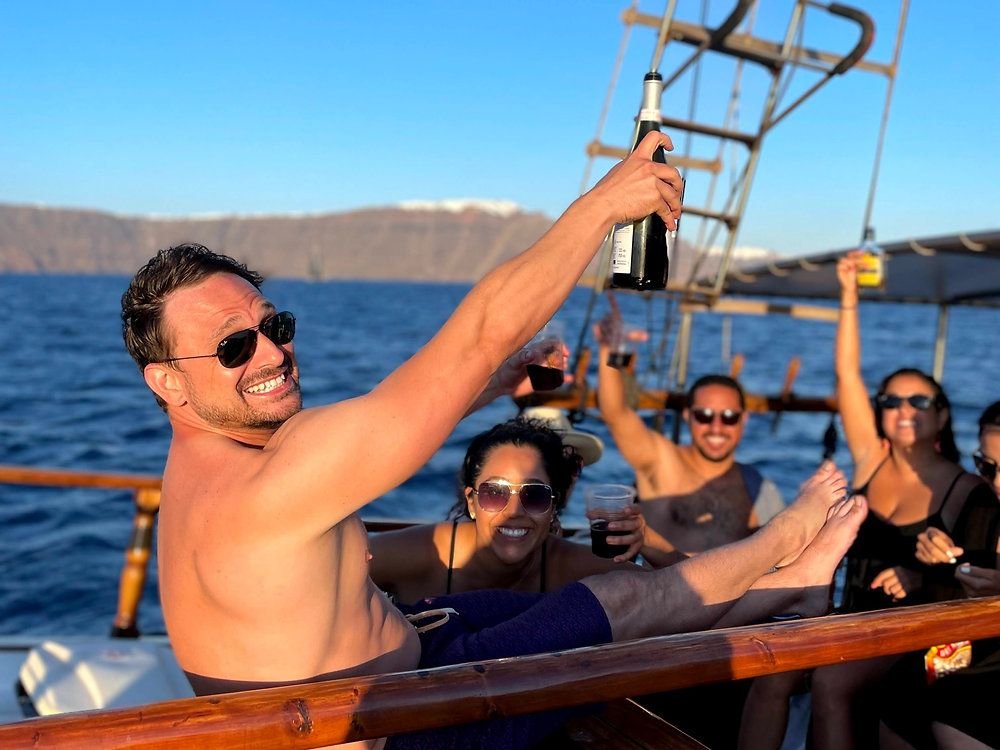
Traveling solo doesn’t mean traveling alone. Nowhere is this more evident than in Iceland, where nearly half of all visitors join group tours as single travelers. This Nordic island nation has emerged as the ultimate playground for those seeking both independence and connection, creating a perfect storm of adventure, safety, and social opportunity.
Approximately 40-60% of participants on Iceland tour groups are traveling solo, according to leading operators like Adventure Life, which specializes in connecting single travelers with unforgettable experiences. This remarkable statistic transforms what could be a solitary journey into a shared adventure, where lasting friendships form against the backdrop of waterfalls, geysers, and volcanic landscapes.
The natural setup of Iceland’s tourism infrastructure encourages social connections through shared activities, communal dining, and group accommodations. From horseback riding across ancient lava fields to toasting newfound friendships in steaming geothermal pools, the experiences create bonds that often extend beyond the trip itself.
Why Iceland Is Perfect for Singles Group Travel
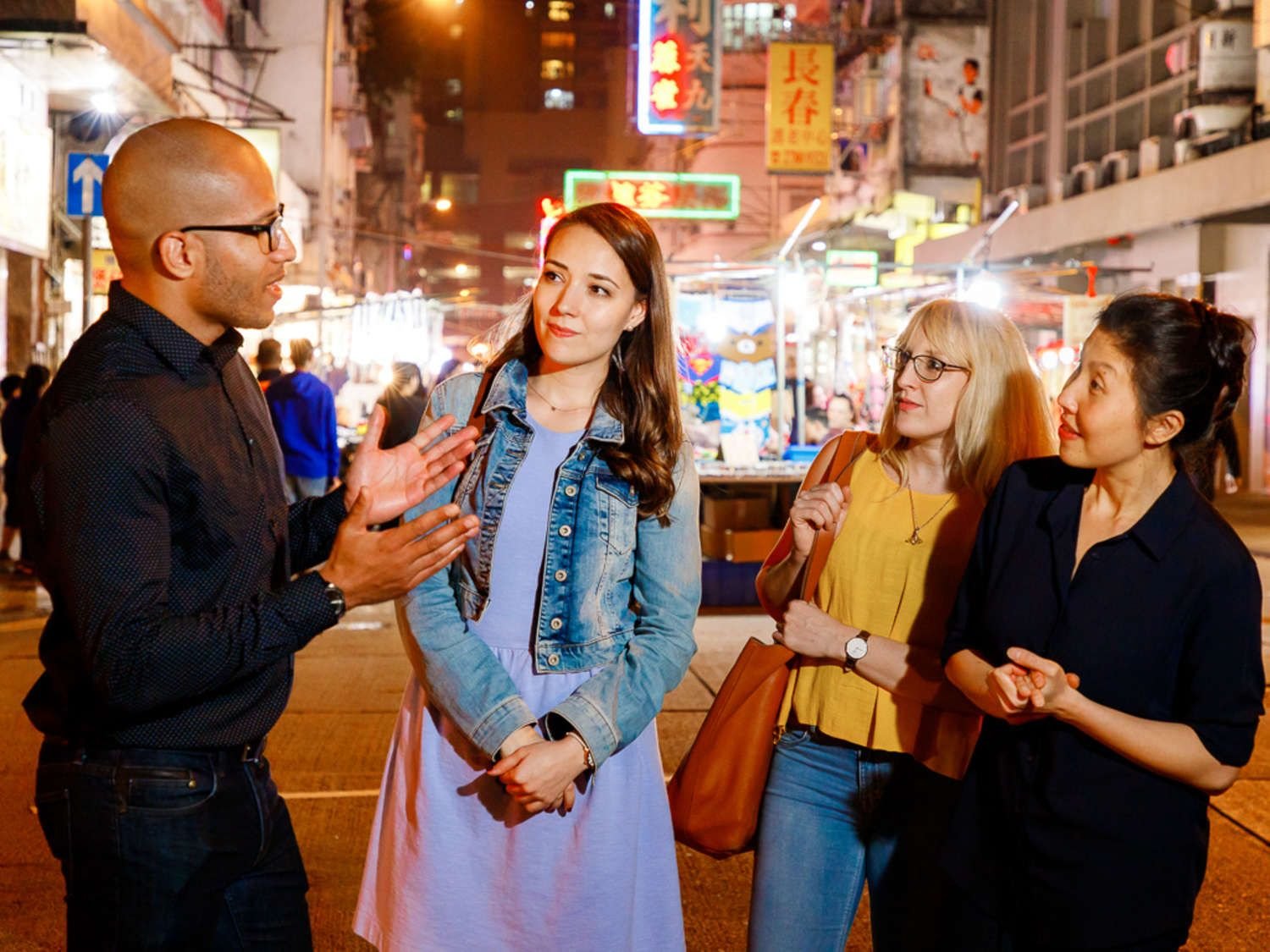
Iceland consistently ranks among the world’s safest countries, making it particularly appealing for solo adventurers. The combination of low crime rates, excellent infrastructure, and English-speaking locals removes many of the traditional barriers solo travelers face. This safety net allows singles to focus on what matters most – immersing themselves in the experience rather than worrying about logistics or security. For those interested in planning a trip, consider exploring various singles group travel meetups to make the most out of your Iceland adventure.
The country’s compact size and well-developed Ring Road route mean that even a week-long trip can showcase incredible diversity – from Reykjavík’s vibrant cultural scene to the otherworldly landscapes of Vatnajökull National Park. Tour participants regularly cite this variety as a key factor in creating natural conversation starters and shared moments of awe that break down social barriers quickly.
Iceland’s tourism industry has responded to the growing singles market by creating infrastructure that supports solo travelers without penalizing them financially. Many operators now offer single room accommodations without the hefty supplements that typically follow solo travelers everywhere else. Hotels like Fosshotel Baron in Reykjavík have become known for their solo-friendly policies and communal spaces designed for casual socializing.
“The structured format lets you enjoy Iceland’s breathtaking scenery without worrying about planning details or driving in challenging conditions,” explains a TourRadar travel expert who specializes in Iceland adventures. “This freedom from logistics creates space for genuine connections with fellow travelers that often become the highlight of the journey.”
Top Social Adventures in Iceland’s Otherworldly Landscapes
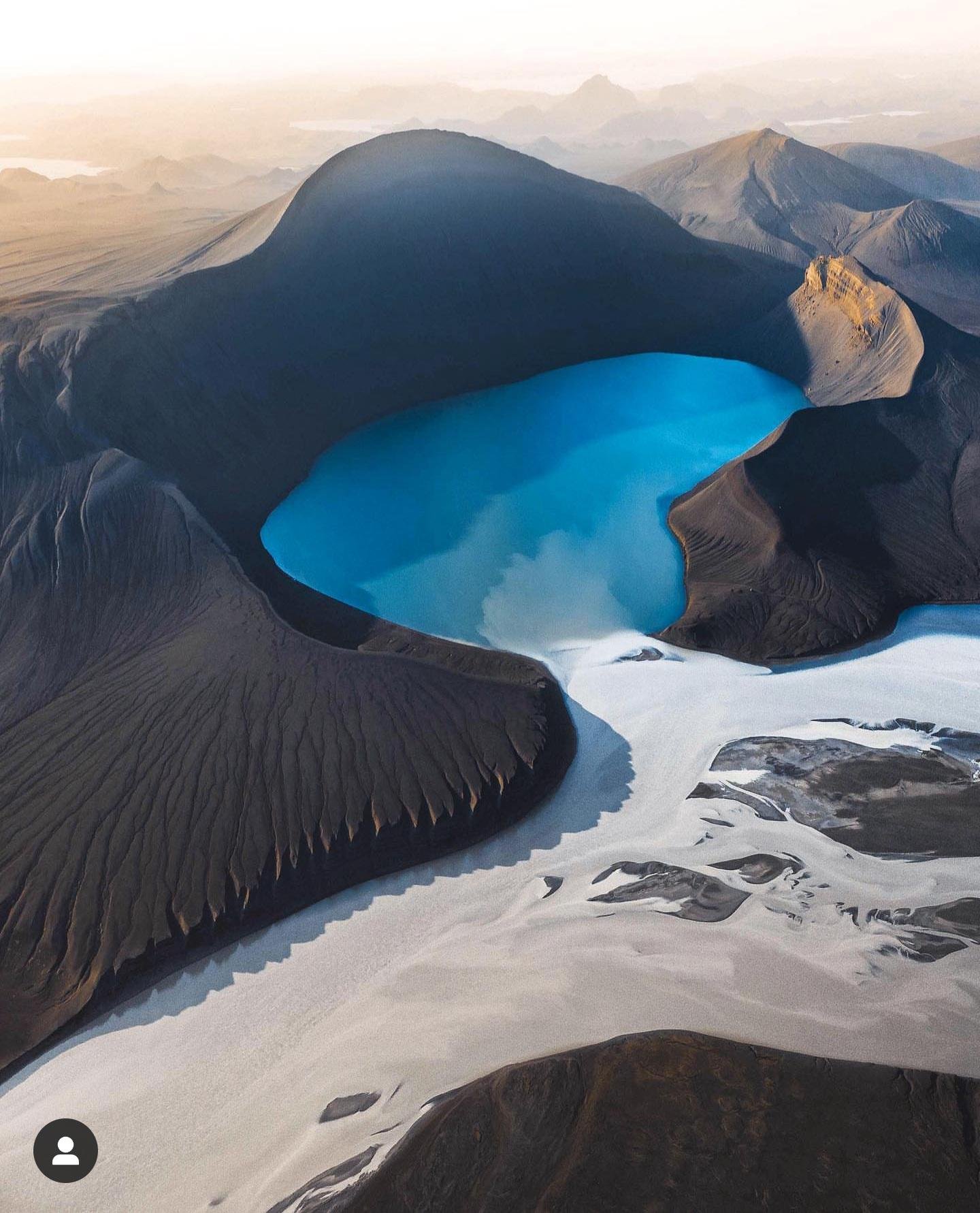
“otherworldly landscape in Iceland …” from www.reddit.com
Iceland’s dramatic terrain doesn’t just serve as a backdrop for your journey – it actively facilitates connections between travelers. The shared experience of witnessing something truly extraordinary creates an instant bond that transcends backgrounds, ages, and nationalities. From collective gasps as a geyser erupts to the supportive encouragement during challenging glacier hikes, these moments build community almost effortlessly.
The country’s most popular routes have evolved to maximize both the natural splendor and the social potential. Groups typically range from 8-18 people – large enough for diverse interactions but small enough to foster genuine connections. This sweet spot in group sizing has proven particularly effective for singles who want the security of traveling with others without feeling lost in a crowd.
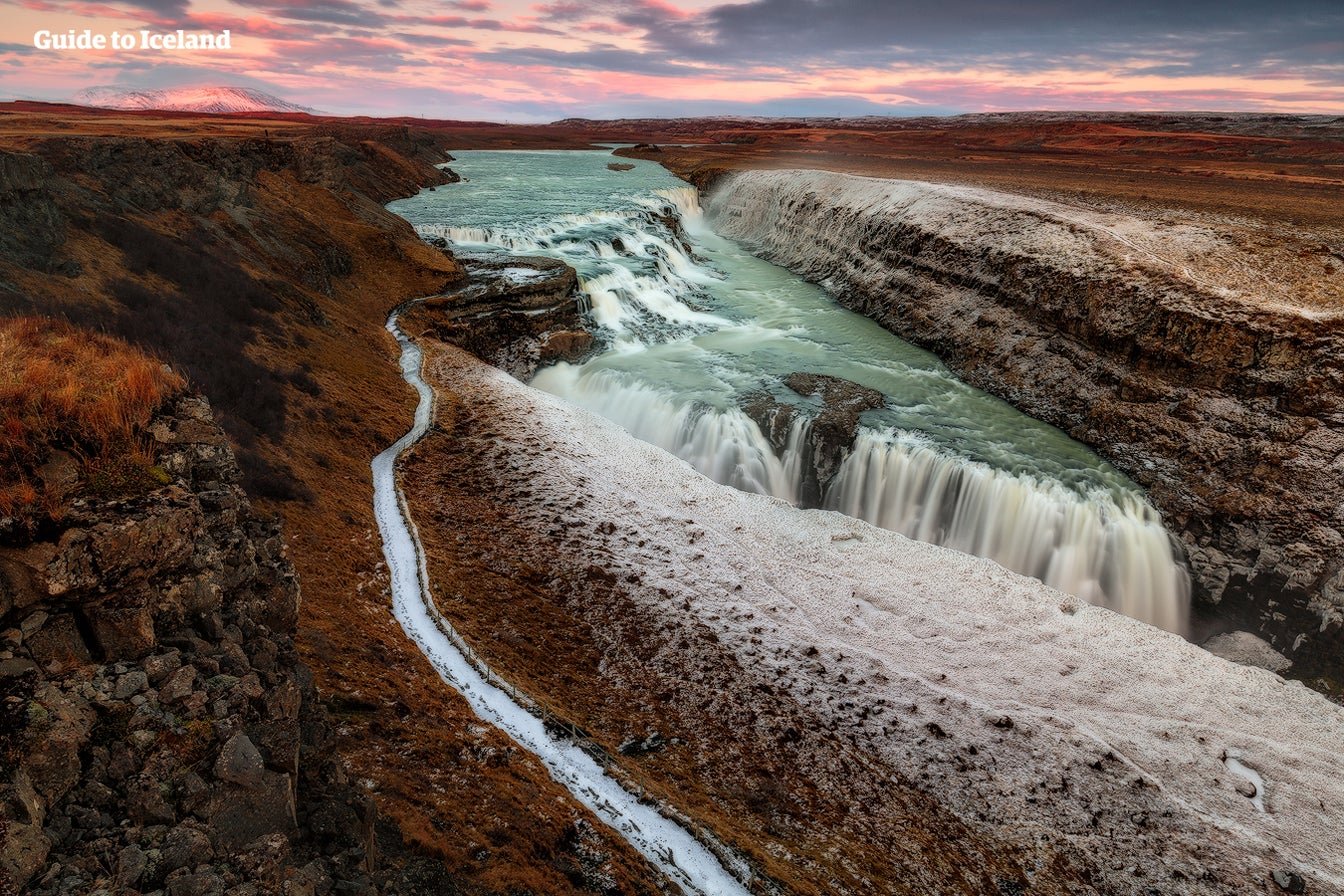
“The Golden Circle Travel Guide | Guide …” from guidetoiceland.is
The Golden Circle: Shared Wonders and New Connections
The Golden Circle represents Iceland’s most accessible adventure – a perfect introduction that combines spectacular sights with plenty of social opportunities. This popular route includes Þingvellir National Park, where you can literally stand between continental plates while learning about the world’s oldest parliament. The shared experience of watching the powerful Gullfoss waterfall or waiting for Strokkur geyser’s dramatic eruption naturally creates conversation and connection among group members.
What makes this route particularly suited to singles is the gentle pace and frequent stops, allowing natural small groups to form and reform throughout the day. By evening, when groups typically gather for dinner in Reykjavík, the day’s shared experiences have already laid the groundwork for flowing conversation and budding friendships that often extend beyond the tour.
South Coast Expeditions That Bring Solo Travelers Together
The South Coast route delivers some of Iceland’s most dramatic scenery and, consequently, some of its most powerful bonding experiences. Walking behind the thundering curtain of Seljalandsfoss waterfall or feeling the mist of Skógafoss creates the kind of shared adventure that quickly turns strangers into friends. The black sand beaches of Reynisfjara, with their basalt columns and crashing Atlantic waves, provide both stunning photo opportunities and natural settings for group conversations.
A TourRadar traveler noted: “The South Coast tour was perfect for meeting people while experiencing Iceland’s most dramatic landscapes. By the time we reached Jökulsárlón Glacier Lagoon on day two, our group felt like old friends watching the icebergs together.” This progression from strangers to companions typically happens organically over just 2-3 days, making even short Iceland trips socially fulfilling for solo travelers.
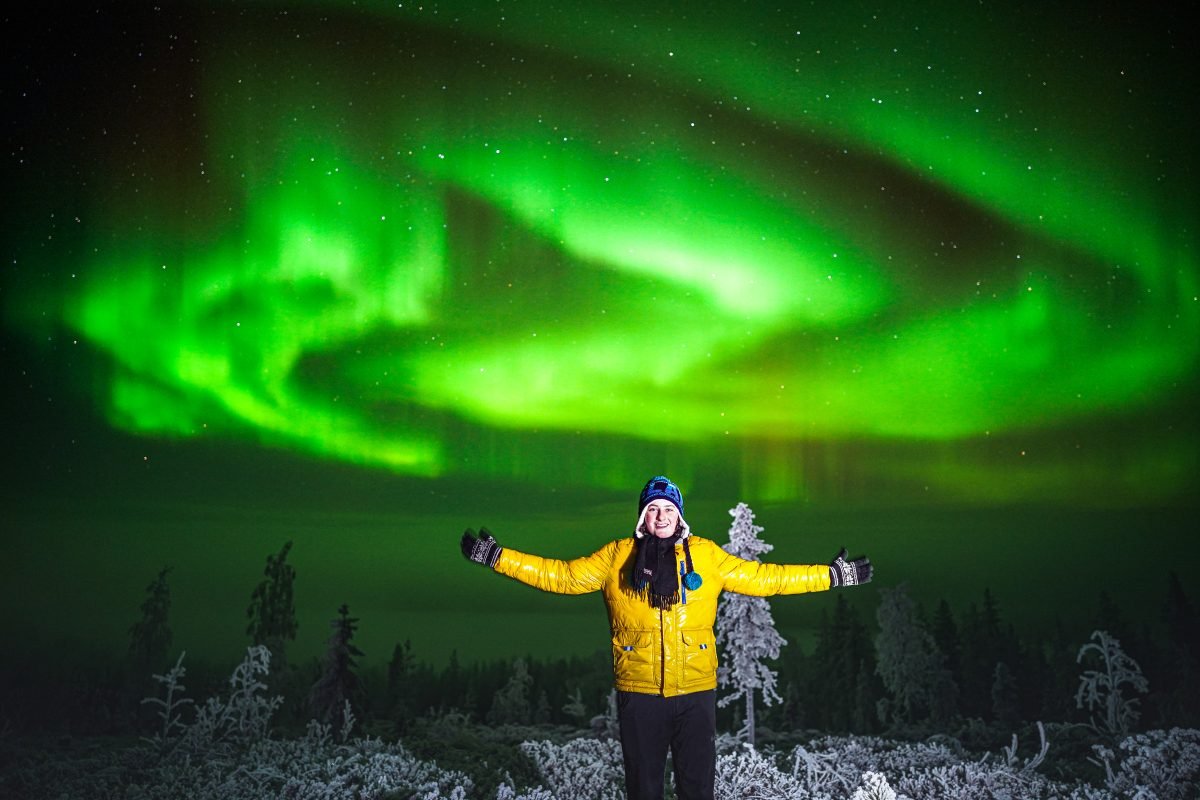
“Northern Lights Hunting Adventure …” from wildaboutlapland.com
Northern Lights Hunts: Bonding Under the Aurora
Few experiences create connection quite like hunting the Northern Lights together. The shared anticipation, the collective wait under star-filled skies, and the eventual celebration when the aurora appears create bonds that often last long after the journey ends. These excursions typically include hot chocolate breaks and photography tips, creating natural opportunities for conversation while waiting for nature’s light show.
- Group Northern Lights tours often include warm drinks and blankets, creating cozy social environments
- Guides frequently share Icelandic folklore about the aurora, sparking group discussions
- The shared experience of witnessing this natural phenomenon creates instant connections
- Post-aurora celebrations often continue at local restaurants or hotel lounges
The unpredictability of the aurora adds an element of shared adventure – groups often find themselves venturing to multiple locations in a single night, with the journey becoming as memorable as the destination. This “we’re all in this together” atmosphere helps solo travelers integrate quickly into the group dynamic.
Glacier Hiking and Ice Cave Tours
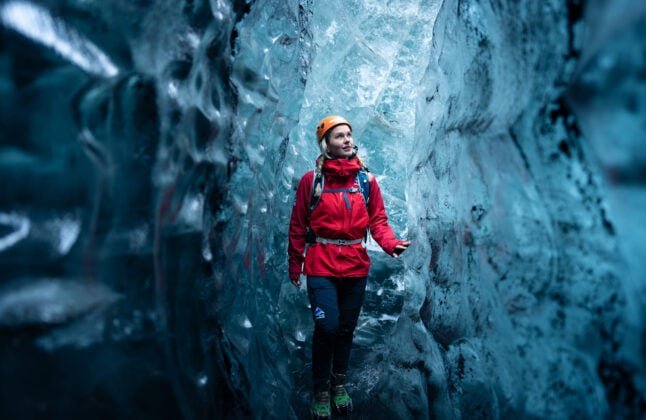
Glacier expeditions create some of the most powerful bonds between solo travelers in Iceland. The combination of mild physical challenge, breathtaking scenery, and necessary teamwork creates instant camaraderie. At locations like Sólheimajökull glacier, groups strap on crampons and follow expert guides across the ancient ice, creating a natural environment where helping hands and words of encouragement flow freely between previously unacquainted travelers.
What makes glacier experiences particularly valuable for singles is the shared sense of accomplishment. Many travelers report that conquering their first ice climb or navigating a crevasse bridge alongside new friends creates stronger connections than days of conventional tourism. The physical nature of these activities also breaks down social barriers more quickly as participants focus on the task rather than social anxiety.
Blue Lagoon and Hot Spring Soaks
The geothermal waters of Iceland provide perhaps the most relaxed social setting for singles to connect. The Blue Lagoon, with its milky blue waters and floating bars, creates a uniquely communal atmosphere where conversations start organically. Lesser-known but equally social spots like the Mývatn Nature Baths in North Iceland or the Secret Lagoon near the Golden Circle route offer more intimate settings where solo travelers often find themselves exchanging travel stories with like-minded adventurers.
The ritualistic nature of these experiences – applying silica masks together, sharing tips on the best spots in the lagoon, or comparing notes on other Icelandic adventures – creates natural conversation starters. Many tour operators build in substantial free time at these locations, recognizing their value not just as attractions but as social hubs where group bonds strengthen through shared relaxation.
“I was nervous about traveling alone, but by our second day in Iceland, I’d made friends with three other solo travelers during our Blue Lagoon visit. We ended up spending most evenings together in Reykjavík and even planned a Northern Lights chase as a group.” – Sarah, 34, TourRadar traveler
When to Visit Iceland as a Solo Traveler
Timing your Iceland adventure can significantly impact both the natural wonders you’ll experience and the social dynamics of your group. The seasonal variations create distinctly different social environments, each with unique advantages for solo travelers seeking connection.
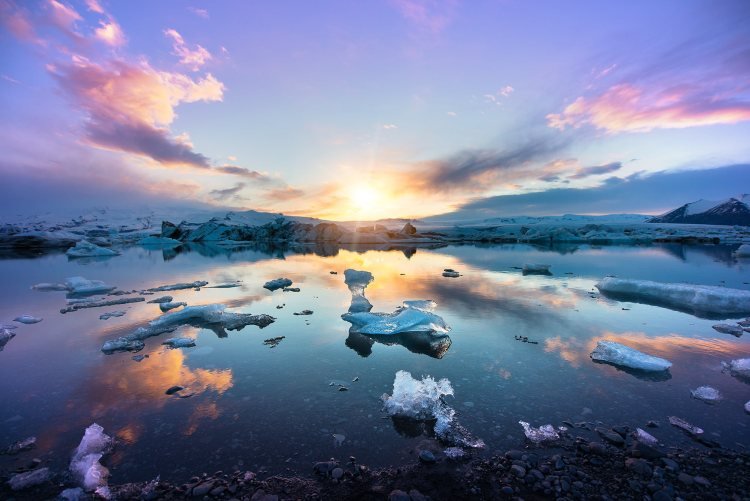
“Chasing the midnight sun during …” from hiddeniceland.is
Summer’s Midnight Sun: Peak Social Season
Summer (June-August) brings endless daylight and peak visitor numbers, creating the most socially vibrant atmosphere for singles. With temperatures hovering between 50-60°F (10-15°C), outdoor activities extend well into the evening, giving groups more time to bond over shared experiences. The midnight sun allows for extended exploration, with many tours offering evening hikes or photography excursions that naturally foster connection as you witness extraordinary light conditions together.
Summer groups tend to be larger and more diverse in age range, with travelers from 18-70+ united by their desire to experience Iceland’s greenest season. The festive atmosphere of summer festivals in Reykjavík creates additional opportunities for social interaction beyond your tour group. Many summer travelers report that the extended daylight hours lead to longer group dinners and impromptu evening walks, accelerating the friendship-building process.
Winter’s Cozy Atmosphere and Northern Lights
Winter travel (November-March) creates a different but equally powerful social dynamic. The hunting of the Northern Lights creates natural bonding as groups huddle together under dark skies, sharing the anticipation and eventual awe of the aurora. The shorter daylight hours (4-6 hours in December) mean more time spent in cozy accommodations, sharing meals, and reflecting on the day’s adventures – creating deeper conversations than sometimes possible during busy summer schedules. For those interested in exploring group travel options, consider checking out singles group travel meetups to enhance your winter travel experience.
Winter groups tend to be slightly smaller and often attract more dedicated photographers and aurora enthusiasts, creating instant common ground among participants. The dramatic winter landscapes of ice caves and snow-covered lava fields provide stunning backdrops for group photos and shared moments of wonder. Many solo travelers report that winter’s challenges – from navigating icy paths to braving cold temperatures – create stronger group bonds through shared triumph over the elements.
Shoulder Seasons: Better Prices and Smaller Groups
The shoulder seasons of late spring (April-May) and early autumn (September-October) offer a sweet spot for solo travelers seeking both value and social connection. Groups are typically smaller (8-12 rather than 15-18 people), creating more intimate social dynamics and opportunities for meaningful conversation. The reduced tourist numbers during these periods also mean more authentic interactions with locals, adding cultural depth to your social experience. For those interested in exploring Iceland, consider Adventure Life’s solo travel tours for a unique travel experience.
These transitional seasons showcase Iceland’s dramatic weather shifts, with groups often experiencing both sunshine and snow flurries in a single day. This weather variability becomes a shared adventure that brings travelers together through adaptability and mutual support. Many solo travelers specifically choose these periods for the combination of reasonable prices, smaller groups, and the possibility of seeing both green landscapes and Northern Lights in a single trip.
Where You’ll Stay: Accommodations That Foster Friendships
Iceland’s accommodation options have evolved to recognize the needs of solo travelers, creating spaces that facilitate connection without sacrificing comfort or privacy. From strategically designed common areas to thoughtfully planned group meals, these stays become much more than just places to sleep – they’re social hubs that enhance the overall experience. For those interested in exploring more about solo travel opportunities, check out Adventure Life’s solo travel tours in Iceland.
Reykjavík’s Social Hostels and Boutique Hotels
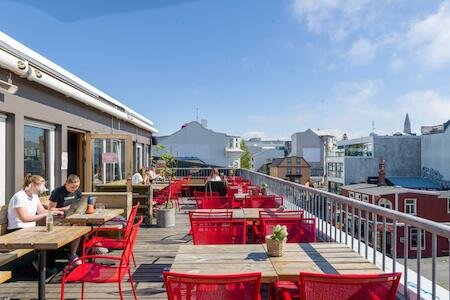
“Best SOCIAL Hostels in Reykjavík (New …” from www.hostelz.com
Reykjavík offers the greatest variety of socially-oriented accommodations, with properties like Kex Hostel and Loft Hostel establishing themselves as hubs for solo travelers. These spaces intentionally blur the line between hotel and social venue, with communal kitchens, bar areas, and regular events that bring guests together naturally. Even more upscale properties like Fosshotel Baron have recognized the solo travel trend, creating lobby spaces with communal tables and staffing them with locals eager to share insider tips. For those interested in exploring more about singles group travel, there are various meetups and trips available.
Many group tours begin and end with accommodation in these properties, creating natural bookends where participants can bond before the official tour starts and exchange contact information as it concludes. Solo travelers frequently report extending their stays in these Reykjavík properties specifically to maintain the social connections formed during their group tours. The strategic location of most social accommodations in the walkable downtown area makes it easy for new friends to continue exploring together.
Countryside Guesthouses and Farm Stays
Outside Reykjavík, the social dynamic shifts to more intimate settings that often create deeper connections. Farm stays and countryside guesthouses along the Ring Road foster natural interaction through shared dining tables, communal living rooms with panoramic views, and evening hot tub sessions under the stars. These properties, often family-run with 10-20 rooms, create an atmosphere where it’s almost impossible not to connect with fellow travelers.
Locations like guesthouses near Vík or farm stays in the Eastern Fjords naturally bring guests together through their isolation and spectacular settings. Many include family-style dinners featuring local ingredients, creating memorable shared experiences as travelers pass dishes and exchange stories. Solo travelers frequently cite these countryside stays as highlights of their Iceland experience, with the communal breakfast tables becoming planning hubs for the day’s adventures. For those interested in exploring more, there are singles group travel meetups that offer unique opportunities to connect with fellow adventurers.
Single Room Options Without the Premium
One of Iceland’s greatest advantages for solo travelers is the increasing availability of single rooms without prohibitive supplements. While single supplements remain standard in much of the travel industry, many Icelandic operators have recognized the growing solo market by offering more reasonable pricing structures. Companies like BusTravel Iceland and Adventure Life have developed tour packages specifically designed to minimize or eliminate these extra costs, making Iceland significantly more accessible for independent travelers.
Meeting People on Iceland Group Tours
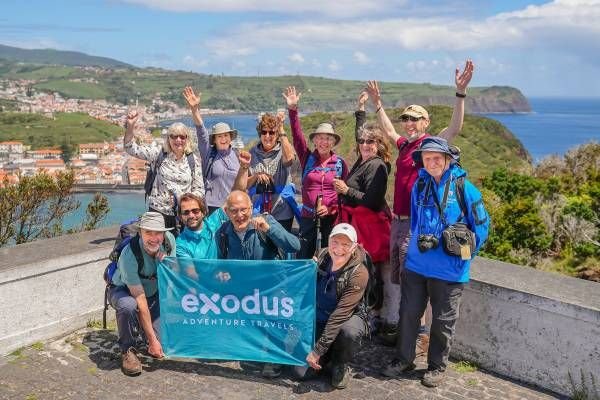
The natural structure of Iceland’s group tours creates endless opportunities for connection that unfold organically rather than feeling forced or awkward. From the initial tour briefing to the final farewell dinner, these experiences are designed to gradually build relationships through shared discovery and mutual support.
Typical Group Dynamics and Demographics
Iceland tours attract remarkably diverse participants, creating rich social environments where age, nationality, and background become conversation starters rather than barriers. With solo travelers making up 40-60% of most groups, single participants quickly find themselves in good company rather than feeling like the odd one out. The average age spans from late 20s to early 60s, with a slight concentration in the 30-45 range of professionals seeking meaningful travel experiences between career milestones. For those interested in exploring more options, check out these singles group travel meetups.
Groups typically include travelers from North America, Europe, Australia, and increasingly, Asia, creating international microcosms where cultural exchange becomes part of the experience. This diversity naturally creates curiosity and conversation as participants share not just their impressions of Iceland but perspectives from their home countries. Solo travelers frequently report that this international mix becomes one of the most enriching aspects of their journey. For those looking to explore the world by sea, Samboat’s boat rental and yacht charter review offers insights into another exciting travel option.
Communal Dining Experiences
Shared meals become central to the social experience in Iceland, with tour operators recognizing their power to foster connection. Many tours include welcome dinners in Reykjavík restaurants like Messinn or Apotek, where local specialties like Arctic char and lamb become conversation starters. The relative isolation of many countryside restaurants means that tour groups often dine together by necessity, creating nightly opportunities to reflect on the day’s adventures and forge deeper connections.
Iceland’s food culture, with its emphasis on fresh seafood, local lamb, and unique traditions like fermented shark, creates natural talking points that help break the ice between travelers. Many tours include special dining experiences like geothermally cooked bread at Fontana Spa or lobster soup at Sægreifinn in Reykjavík’s harbor area, creating memorable shared moments that strengthen group bonds.
Shared Activities That Break the Ice Naturally
Beyond meals, Iceland’s activities are perfectly suited to creating natural connections without forced socialization. The necessity of buddy systems during glacier walks, the shared anticipation of whale watching excursions, and the communal triumph of spotting the Northern Lights create bonds through experience rather than awkward icebreakers. Even bus journeys between destinations become social experiences as the group collectively spots wildlife or requests photo stops at particularly stunning vistas.
Many solo travelers report that Iceland’s weather challenges – from sudden rain showers to wind that makes standing difficult – become bonding experiences as the group faces the elements together. These shared trials, however minor, create a “we’re in this together” atmosphere that quickly transforms a group of strangers into a temporary family united by their Icelandic adventure.
Budget Breakdown for Singles in Iceland
Understanding the financial landscape helps solo travelers make informed choices that maximize both value and social opportunity. While Iceland has a reputation for being expensive, strategic planning can create remarkable experiences without breaking the bank.
Tour Costs and What They Include
Group tours specifically marketed to singles or solo travelers typically range from $1,800-$4,500 for 7-10 day experiences, depending on season and accommodation level. This investment typically covers all internal transportation, accommodation, entrance fees, and most meals – creating a predictable budget that eliminates the stress of constant financial decisions. The higher price points usually indicate smaller groups, more included experiences, or premium accommodations with guaranteed private rooms.
- Budget tours ($1,800-$2,500): Typically include shared accommodations, basic transportation, and essential sightseeing
- Mid-range tours ($2,500-$3,500): Usually offer private room options, more comprehensive itineraries, and most meals
- Premium experiences ($3,500+): Feature boutique accommodations, smaller groups, specialty guides, and exclusive activities
- Day tour combinations: Some solo travelers create custom experiences by booking individual day tours from Reykjavík ($100-$250 each) plus separate accommodation
Avoiding the Single Supplement Tax
The dreaded single supplement has traditionally been a major obstacle for solo travelers, sometimes adding 30-50% to the total trip cost. Iceland’s tourism industry has increasingly recognized this barrier, with many operators now offering single-friendly pricing structures. Companies like TourRadar specifically highlight “No Single Supplement” options that have proven extremely popular with independent travelers seeking both privacy and value.
Strategies for avoiding or minimizing single supplements include booking during shoulder seasons when demand is lower, opting for room-share programs with same-gender travelers, or choosing operators that specifically market to the solo demographic. Some companies have begun offering dedicated single rooms that are genuinely designed for one person rather than simply charging extra for standard doubles, creating better value for solo participants.
Daily Expenses Beyond Your Tour Package
Even on relatively inclusive tours, budgeting for additional expenses ensures a stress-free experience. Solo travelers should anticipate spending approximately $50-75 daily for additional meals, drinks, souvenirs, and optional activities not included in their package. The social nature of Iceland tours often leads to impromptu group dinners or bar visits, so having flexibility in your budget allows for spontaneous experiences that often become highlights.
Many solo travelers report that having a dedicated budget for group activities – whether splitting a taxi to see an additional waterfall or joining newfound friends for a special dinner – enhances their social experience. This flexibility allows you to say “yes” to the unexpected opportunities that often create the most meaningful connections. For those interested in exploring such experiences, check out these singles group travel meetups that offer unique adventures.
Best Tour Companies for Solo Travelers in Iceland
The explosion of interest in solo travel has led to specialization among tour operators, with some creating experiences specifically designed to foster connection between independent travelers. These companies have refined their approaches based on years of feedback, creating social environments that feel natural rather than forced.
Singles-Focused Adventure Companies
Operators like Adventure Life and G Adventures have developed Iceland itineraries specifically marketed to solo travelers, with features designed to facilitate connection. These specialized programs typically include welcome mixers, communal dining setups, and activities that naturally encourage teamwork and conversation. The guides for these tours receive additional training in group dynamics, skilled at drawing out quieter participants and ensuring everyone feels included without forced socialization.
The specialization extends to accommodation choices, with these operators selecting properties known for their communal spaces and social atmosphere. Many include special experiences like Icelandic cooking classes or local music performances that create shared memories beyond the standard sightseeing. Solo travelers consistently rate these specialized programs higher for their balance of structured activities and organic social opportunities.
Budget vs. Luxury Options
The spectrum of options ranges from backpacker-friendly adventures with shared accommodations to premium experiences with boutique hotels and gourmet dining, each creating different but equally valuable social dynamics. Budget options like BusTravel Iceland’s group tours attract younger, more adventure-focused travelers, while luxury operators like Tauck draw participants seeking more refined experiences with similarly sophisticated companions.
Packing Essentials for Social Adventures in Iceland
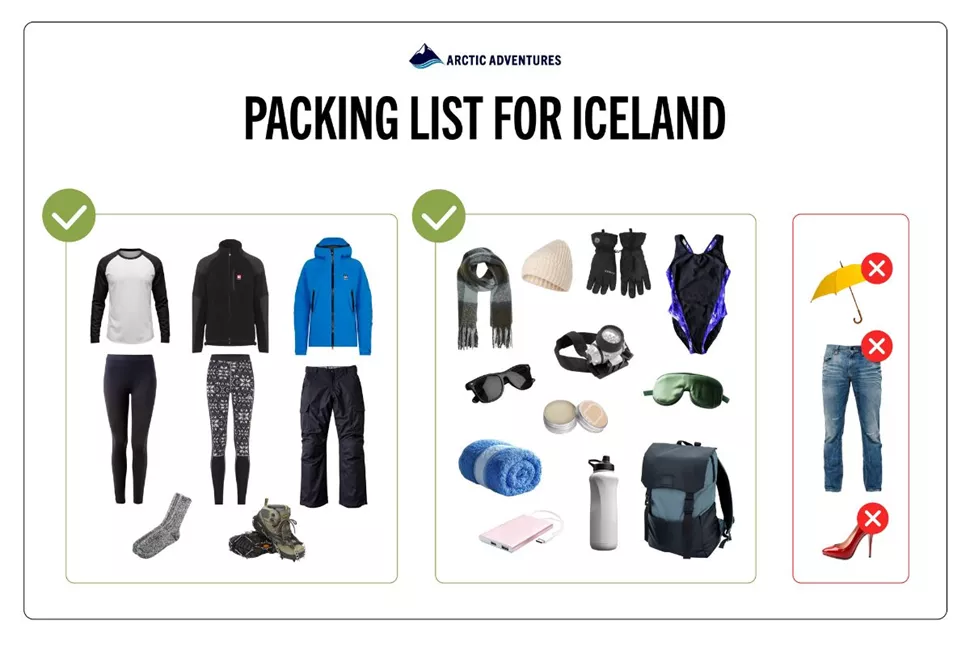
“Complete Iceland Packing List: Learn …” from adventures.is
Packing appropriately not only ensures physical comfort but also removes barriers to social connection by eliminating discomfort and distraction. Solo travelers in particular benefit from strategic packing that allows them to focus on experiences and connections rather than struggling with inadequate gear.
Weather-Appropriate Gear for Every Season
Iceland’s weather famously changes dramatically throughout the day, requiring a layering strategy that adapts to conditions. The essential outer layer is a waterproof and windproof jacket that protects against Iceland’s famous horizontal rain and powerful gusts, while underneath, moisture-wicking base layers and insulating mid-layers create adaptable warmth. Waterproof hiking boots with good ankle support prove essential for the uneven terrain of lava fields and glacier approaches, areas where group bonding often happens through mutual assistance.
Summer travelers should still pack gloves, a warm hat, and layers despite the milder temperatures, as wind chill factors can create surprisingly cold conditions even in July. Winter visitors need serious thermal layers, insulated waterproof boots, and ideally crampons or ice grips for their footwear to navigate icy conditions safely. The social aspect of helping each other with gear recommendations and weather adaptations becomes part of the group bonding experience.
Swimwear becomes essential regardless of season, as the geothermal bathing culture creates some of Iceland’s most natural social environments. Many travelers also pack quick-dry towels and flip-flops specifically for hot spring visits, making these communal experiences more comfortable and enjoyable.
Tech and Camera Equipment
Iceland’s photogenic landscapes make camera equipment a natural conversation starter among travelers. A weather-resistant camera or smartphone with extra battery power handles the extended shooting opportunities of midnight sun or Northern Lights hunts. Power banks become essential as rural accommodations sometimes have limited charging options, and photography-focused travelers often share these resources, creating natural cooperation.
While Iceland has excellent connectivity in populated areas, a downloaded offline map application ensures navigation during remote exploration. Many solo travelers report that becoming the unofficial “group photographer” creates a natural role that helps them integrate quickly into the social dynamic, capturing memories that are later shared through group chats or social media connections that extend the community beyond the trip itself.
Comfort Items for Long Bus Rides
The journey between Iceland’s spectacular sites often involves bus rides of 1-3 hours, creating natural spaces for conversation and connection with seatmates. Packing a small travel pillow, reusable water bottle, and snacks not only ensures personal comfort but creates opportunities for sharing and conversation during these transit periods. Many lasting friendships begin during these journeys as the shared landscape passing by the windows provides natural conversation starters.
Your Iceland Adventure Awaits: Taking the First Step
“Explore Iceland Like a Local: Ring Road …” from 57hours.com
The most challenging part of solo travel is often simply making the decision to go. Iceland’s combination of safety, structured tours, and solo-friendly atmosphere makes it the perfect destination for first-time independent travelers or those seeking deeper connections through shared experience. The statistics speak volumes – with nearly half of all participants traveling solo, you’ll find yourself in good company rather than feeling like the odd one out.
From the moment you step off the plane at Keflavík Airport to your final farewell dinner in Reykjavík, Iceland creates countless opportunities to transform a solo journey into a shared adventure. The landscapes may be what initially draw you to this island nation, but it’s the connections formed against this dramatic backdrop that often become the most treasured souvenirs. Your Iceland adventure waits – not just with extraordinary experiences, but with extraordinary people to share them with.
Frequently Asked Questions
Solo travelers considering Iceland often share common concerns about safety, language, and the social dynamics of group tours. Understanding these aspects helps create realistic expectations and greater confidence in taking the solo travel plunge.
The following questions represent the most commonly asked by first-time solo travelers to Iceland, with answers based on actual experiences rather than tourist brochures.
Is Iceland safe for solo female travelers?
“As a woman who’s traveled solo in over 30 countries, Iceland stands out as one of the safest and most comfortable destinations I’ve experienced. I never once felt unsafe walking alone, even late at night in Reykjavík.” – Emma, 42, Travel Blogger
Iceland consistently ranks as one of the world’s safest countries, with extremely low crime rates and a strong culture of gender equality. Female solo travelers report exceptionally positive experiences, with minimal street harassment and a general atmosphere of respect and safety. The structured nature of group tours adds an additional layer of security, with professional guides managing logistics and ensuring all participants are accounted for during activities.
Many accommodations specifically highlight their safety features for solo travelers, including well-lit entrances, 24-hour reception, and secure key card access. The high percentage of women traveling alone to Iceland has created a tourism infrastructure particularly attuned to their needs and concerns.
Perhaps most telling is that Iceland frequently tops polls of destinations where female travelers would feel comfortable walking alone at night – a powerful indicator of both actual safety and perceived security.
Do I need to speak Icelandic to get around?
English is widely spoken throughout Iceland, with studies showing over 98% of Icelanders speak English as a second language. This universal fluency extends beyond tourist areas to remote farms and villages, eliminating language barriers that often challenge solo travelers in other destinations. All signage at major attractions includes English translations, and tour guides pride themselves on their linguistic abilities, often speaking three or more languages to accommodate diverse groups.
What’s the average age range on singles group tours to Iceland?
While demographics vary by tour type and operator, most Iceland group tours attract participants ranging from late 20s to early 60s, with particular concentration in the 30-45 age bracket. Budget tours and adventure-focused itineraries tend to skew younger, while luxury tours and photography-centered experiences attract more mid-career and early retirement travelers. This diversity creates rich social environments where connections form based on shared interests rather than age demographics.
Many operators now provide demographic insights in their marketing materials, helping solo travelers choose experiences likely to include compatible companions. Reviews frequently mention the age mix as a positive aspect of Iceland tours, with the common interest in nature and adventure transcending generational differences.
How much free time will I have on a group tour?
Most Iceland group tours strike a thoughtful balance between structured activities and independent exploration, typically including 2-3 hours of free time daily plus at least one partially unstructured day during a week-long itinerary. This carefully calibrated approach provides the security and efficiency of guided experiences while allowing space for personal discovery and natural social connections to form during unscheduled periods. For those interested in exploring more about singles group travel meetups, there are numerous resources available online.
Can dietary restrictions be accommodated on Iceland group tours?
Iceland has embraced dietary inclusivity, with most restaurants and tour operators well-equipped to handle common restrictions including vegetarian, vegan, gluten-free, and dairy-free requirements. The country’s emphasis on simple, fresh ingredients makes adaptation relatively straightforward, though advance notification when booking ensures the best experience. Many tours now include dietary preference forms during registration, allowing operators to communicate specific needs to restaurants and accommodations before your arrival.
The seafood-rich Icelandic diet naturally accommodates many pescatarians, while the increasing international influence on Reykjavík’s dining scene has created excellent options for plant-based eaters. Solo travelers with dietary restrictions often report that their food needs become conversation starters within the group, creating connections through shared recommendations and restaurant discoveries.
While more complex or severe allergies require additional planning, tour guides are typically well-versed in communicating these needs to food service providers throughout the journey. The relatively small population and tourism-focused economy means that word travels fast about establishments that excel at accommodating special diets.
The communal dining experiences that feature prominently in Iceland tours create natural opportunities to discuss dietary needs with both guides and fellow travelers, ensuring that mealtime becomes a highlight rather than a stress point during your adventure.
Ready to experience the perfect blend of independence and connection? Adventure Life’s specialized Iceland tours for solo travelers offer the ideal way to explore this extraordinary island alongside like-minded adventurers.
BestProductsForMen.org participates in affiliate programs, which means we may earn a commission if you click on a link and make a purchase. This comes at no additional cost to you. We only recommend products we personally trust, use, or believe will provide value to our readers.
Our goal is to provide honest, helpful reviews and recommendations so you can make informed decisions.
Leave a Reply to Omega-3 Fatty Acids Role: Managing Depression in Introverted Men – Best Products for Men Cancel reply