
BestProductsForMen.org participates in affiliate programs, which means we may earn a commission if you click on a link and make a purchase. This comes at no additional cost to you. We only recommend products we personally trust, use, or believe will provide value to our readers.
Our goal is to provide honest, helpful reviews and recommendations so you can make informed decisions.
Key Takeaways
- Ashwagandha has been clinically proven to reduce cortisol levels by up to 30% in multiple studies, making it one of the most effective natural stress-relieving herbs available.
- For optimal stress relief benefits, a consistent regimen of 300-600mg of ashwagandha extract daily for 4-8 weeks is typically recommended by research.
- Beyond stress reduction, ashwagandha offers complementary benefits including improved sleep quality, enhanced cognitive function, and increased energy levels.
- Combining ashwagandha with other adaptogens like rhodiola or minerals like magnesium can create synergistic effects for more comprehensive stress management.
- While generally safe for most adults, ashwagandha may interact with certain medications and isn’t recommended during pregnancy or for those with autoimmune thyroid conditions.
In today’s high-pressure world, chronic stress has become an almost unavoidable part of daily life. Yet many people are seeking alternatives to prescription medications for managing their stress levels. Ashwagandha (Withania somnifera), an ancient medicinal herb, is emerging as one of the most well-researched natural solutions. The team at Healthline has compiled extensive research showing that this powerful adaptogen doesn’t just mask stress symptoms—it actually helps your body become more resilient to stressors at a biological level.
Why Ashwagandha Is Your Best Ally Against Modern Stress

“Ashwagandha: a valuable ally against stress” from www.yamamotonutrition.com
Stress isn’t just an emotional experience—it’s a physiological state that triggers a cascade of hormonal changes throughout your body. When chronic, these changes can lead to serious health consequences from insomnia to weight gain and compromised immunity. Unlike many quick-fix solutions, ashwagandha works holistically by targeting the root causes of stress responses in your body. This medicinal herb has been used in Ayurvedic medicine for over 3,000 years, but it’s only recently that modern science has begun to validate what ancient practitioners long understood about its remarkable stress-buffering capabilities.
What makes ashwagandha particularly valuable is its classification as an adaptogen—a natural substance that helps your body adapt to stress and exerts a normalizing effect on bodily processes. While many plants have beneficial properties, true adaptogens like ashwagandha are rare because they must meet specific criteria: they must be non-toxic, produce a non-specific response that improves resistance to multiple stressors (physical, chemical, or biological), and have a normalizing influence regardless of the direction of change from physiological norms. This makes ashwagandha uniquely suited to address the complex ways stress manifests in modern life.
The Science Behind Ashwagandha’s Stress-Fighting Power
“The Science Behind Ashwagandha …” from originsnutra.com
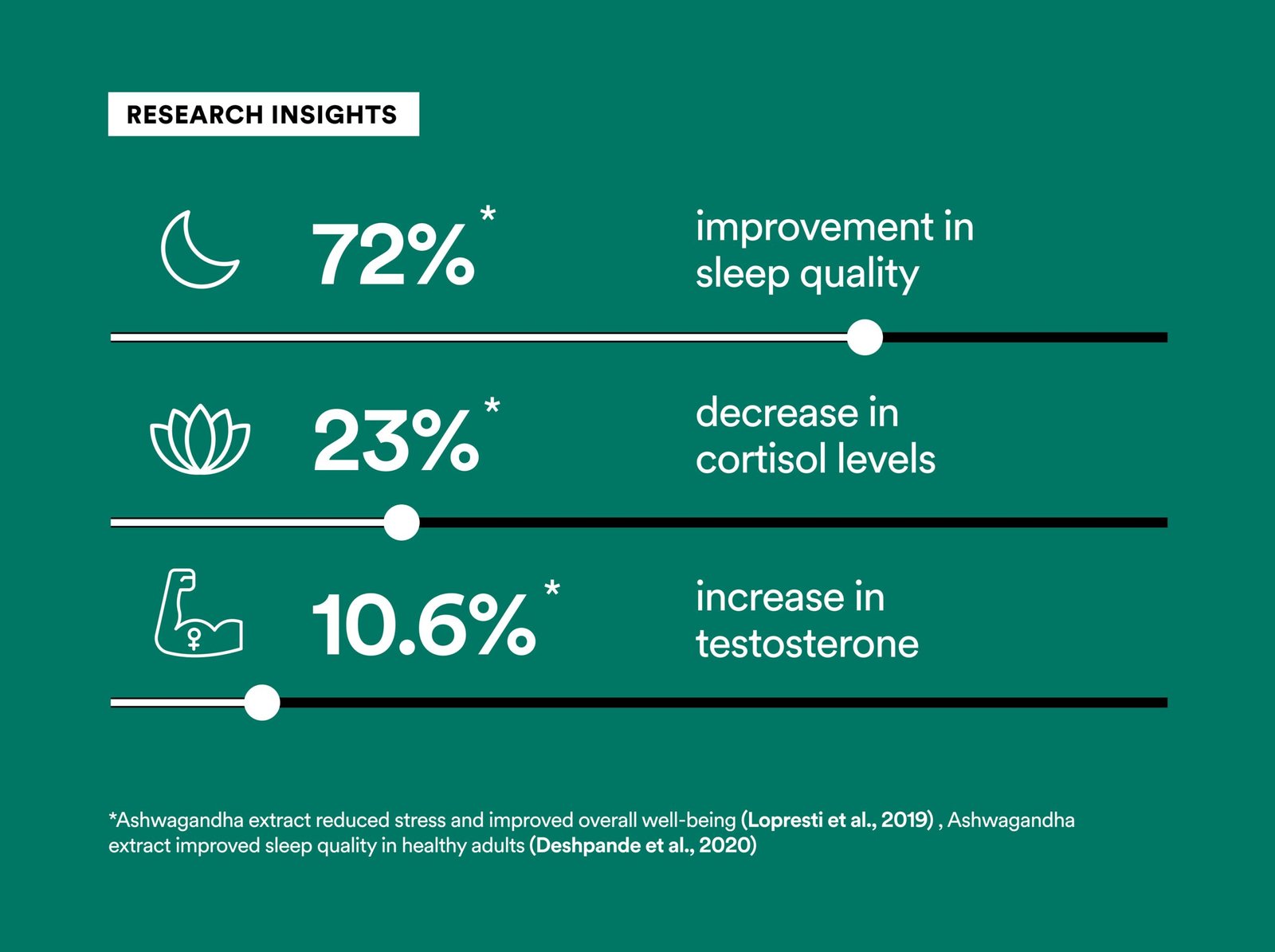
The effectiveness of ashwagandha isn’t just folklore—it’s backed by growing scientific evidence. Multiple randomized controlled trials have demonstrated significant reductions in stress markers among participants taking ashwagandha supplements. One particularly compelling study published in the Journal of Clinical Psychopharmacology found that participants taking 600mg of high-concentration ashwagandha extract daily experienced a 44% reduction in perceived stress levels compared to just 5.5% in the placebo group. These aren’t just subjective improvements—they’re accompanied by measurable biological changes.
What’s particularly impressive about ashwagandha research is that improvements in subjective well-being consistently correlate with objective biological markers. When participants report feeling less stressed, researchers typically observe corresponding reductions in cortisol levels, normalized blood pressure readings, and improved heart rate variability patterns—all indicating a more balanced nervous system response. This alignment between subjective experience and objective measurements gives scientists confidence that ashwagandha’s effects are genuine and not merely placebo responses.
The stress-relieving effects of ashwagandha appear to be dose-dependent and cumulative over time. While some users report subtle improvements in as little as two weeks, the most robust and consistent benefits typically emerge after 4-8 weeks of daily use. This timing aligns with the herb’s proposed mechanisms of action, which involve gradual recalibration of stress-response systems rather than immediate suppression of symptoms.
How Ashwagandha Regulates Cortisol Levels
“The Benefits of Ashwagandha for …” from evinature.com
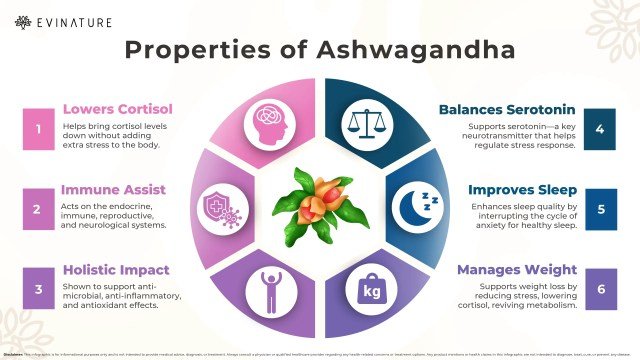
The relationship between ashwagandha and cortisol is at the heart of its stress-relieving properties. Cortisol, often called the “stress hormone,” is produced by your adrenal glands in response to stress signals from your brain. While cortisol is essential for survival, chronically elevated levels can devastate your health, contributing to everything from weight gain to cognitive decline. Multiple clinical studies have demonstrated ashwagandha’s remarkable ability to reduce serum cortisol levels by 15-30% with regular use.
What makes ashwagandha unique is that it doesn’t simply suppress cortisol production—it helps restore normal cortisol rhythm. This distinction is crucial because healthy stress response isn’t about eliminating cortisol entirely but rather maintaining appropriate levels that rise and fall according to your body’s natural daily rhythm. By supporting this balanced cortisol pattern, ashwagandha helps your body respond appropriately to genuine stressors while avoiding the exhausting cortisol floods triggered by minor daily hassles. This normalization effect explains why many users report feeling “normal” rather than sedated—their stress response becomes more appropriately calibrated to actual circumstances. Additionally, tracking your mood with mood tracking apps can further help in understanding and managing stress levels effectively.
The HPA Axis Connection: Restoring Balance Naturally
“Stress and the HPA Axis: Balancing …” from www.mdpi.com
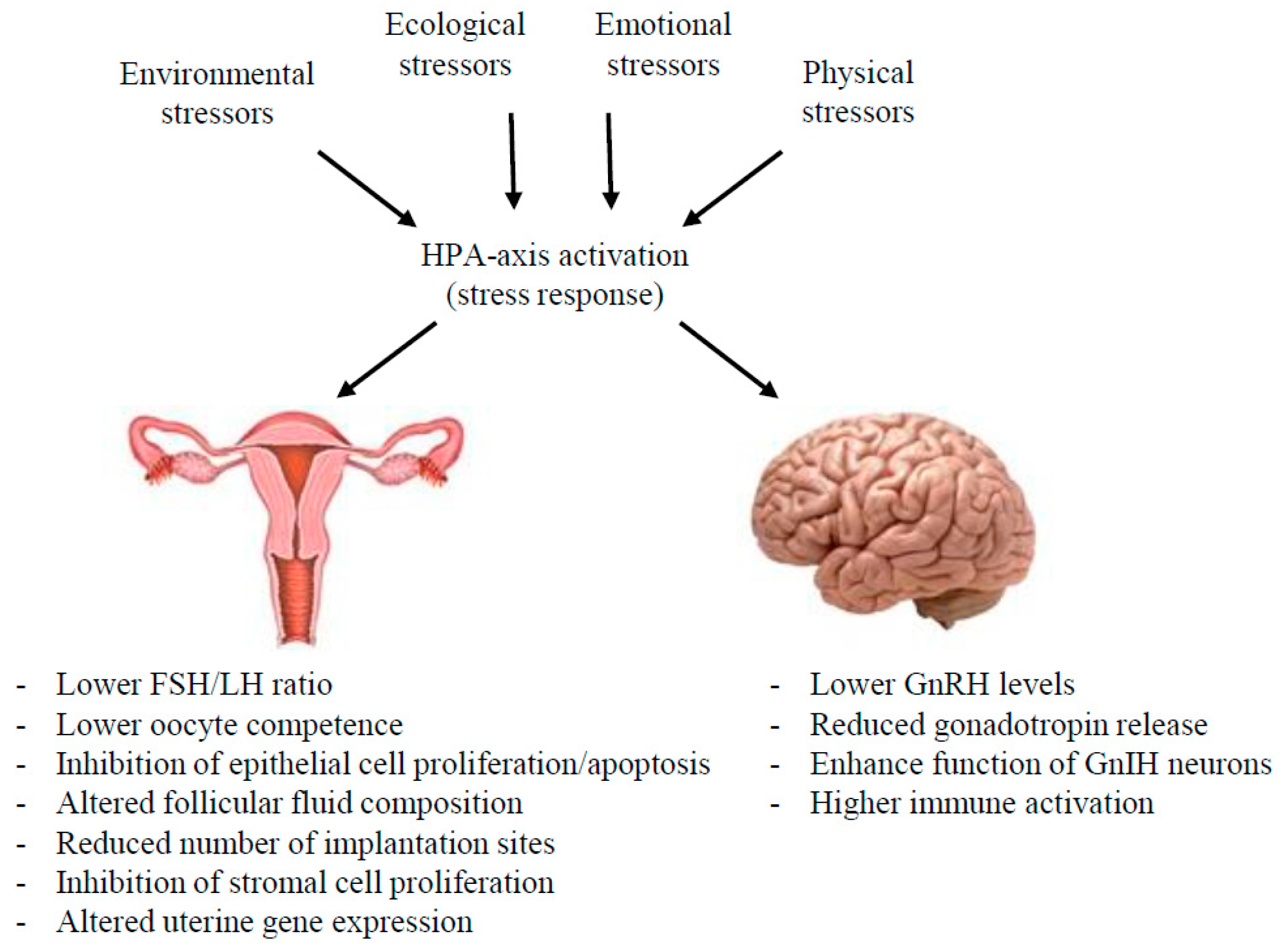
Ashwagandha’s influence extends beyond cortisol to the entire hypothalamic-pituitary-adrenal (HPA) axis—the central command system for stress response in your body. Chronic stress can dysregulate this delicate system, creating a self-perpetuating cycle of heightened stress reactivity. Research indicates that ashwagandha works at multiple points along this axis, helping to reset its sensitivity and responsiveness to more balanced levels. By modulating the release of stress-signaling hormones and neurotransmitters, ashwagandha essentially retrains your body’s stress response system to function more efficiently.
Active Compounds That Combat Stress Responses
The therapeutic properties of ashwagandha stem from a complex array of bioactive compounds, with withanolides being the most well-studied. These naturally occurring steroids appear to modulate neurotransmitter receptors, particularly GABA receptors that regulate anxiety responses in the brain. Additional compounds including sitoindosides and alkaloids work synergistically to provide ashwagandha’s comprehensive stress-protective effects. This complex phytochemical profile explains why whole-herb extracts typically outperform isolated compounds in research studies—the entire spectrum of constituents works together in ways that single molecules cannot replicate.
Standardized extracts typically contain a specified percentage of withanolides (usually 1.5-5%), providing a consistent dose of these key compounds. However, emerging research suggests that other compounds in the plant may be equally important for its overall effects. This biological complexity is why premium ashwagandha supplements often emphasize both standardization of key markers and preservation of the plant’s natural compound ratios. The most extensively researched form, KSM-66 ashwagandha, maintains a careful balance of standardization while preserving the full spectrum of beneficial compounds.
7 Proven Benefits of Ashwagandha for Stress Relief
The research-backed benefits of ashwagandha for stress management go far beyond simple relaxation. Clinical studies have identified multiple pathways through which this adaptogen helps create resilience against both acute and chronic stressors. Each benefit builds upon the others, creating a comprehensive approach to stress management that addresses both immediate symptoms and long-term resilience. Let’s explore the specific ways ashwagandha can transform your stress response.
1. Significant Reduction in Anxiety Symptoms
“Anxiety Treatment Plan: Goals, SMART …” from www.icanotes.com
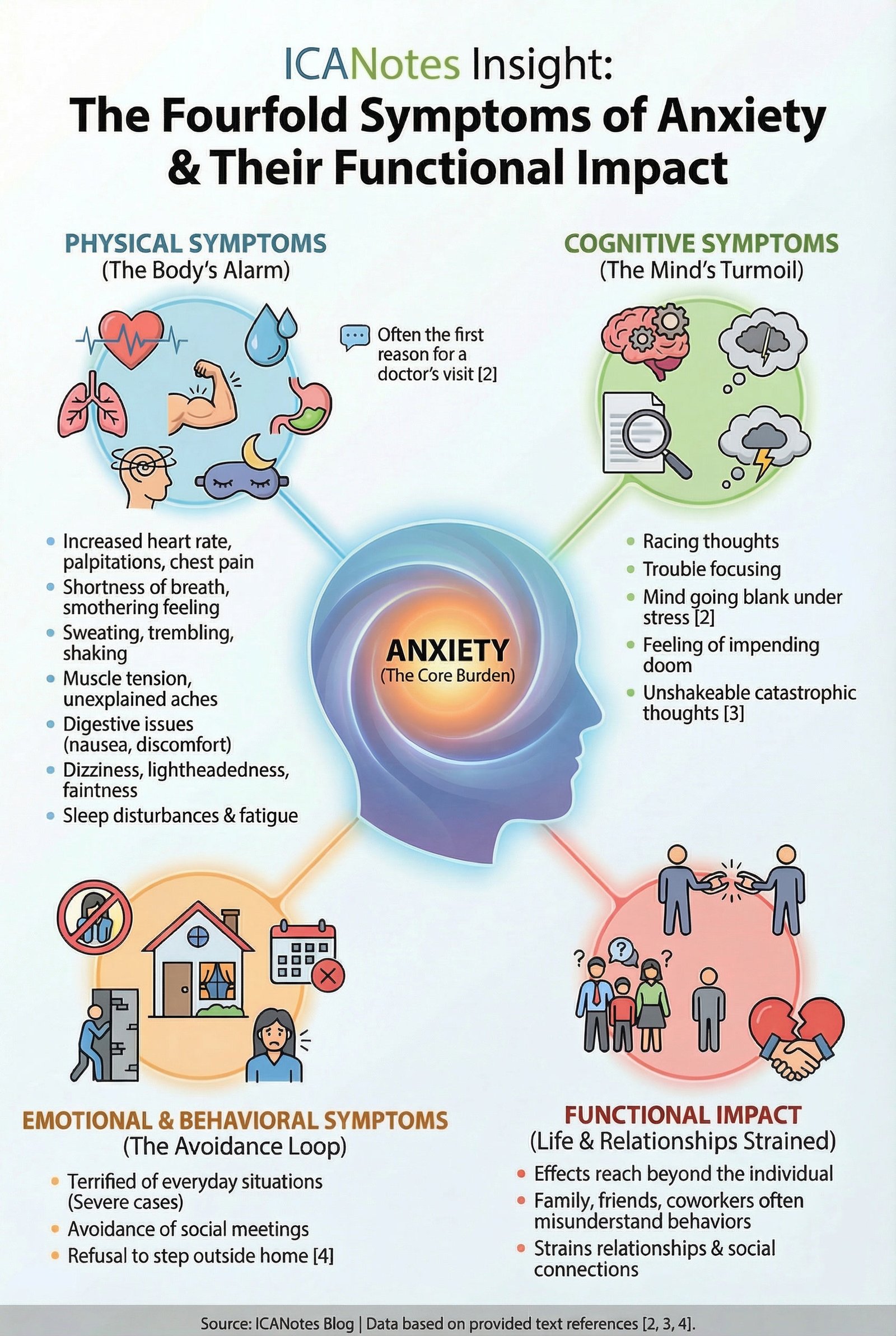
One of ashwagandha’s most consistent effects across multiple studies is its ability to reduce anxiety symptoms. In a randomized double-blind, placebo-controlled trial published in the Indian Journal of Psychological Medicine, participants taking 300mg of high-concentration ashwagandha extract twice daily showed a 56.5% decrease in anxiety scores compared to just 30.5% in the placebo group. These improvements weren’t limited to subjective feelings—they corresponded with measurable physiological changes including reduced heart rate, lower blood pressure, and decreased muscle tension. What makes this particularly valuable is that ashwagandha provides these anxiety-reducing effects without the sedation, cognitive impairment, or dependency risks associated with many conventional anti-anxiety medications.
2. Better Sleep Quality and Duration
Stress and sleep disturbances create a vicious cycle—stress disrupts sleep, and poor sleep increases stress reactivity. Ashwagandha helps break this cycle by promoting healthier sleep architecture without acting as a sedative. Research participants supplementing with ashwagandha report falling asleep more easily, experiencing fewer night awakenings, and waking feeling more refreshed. These improvements appear to result from ashwagandha’s ability to lower cortisol levels and support GABA signaling in the brain rather than directly inducing drowsiness. This distinction is important—rather than knocking you out like a sleeping pill, ashwagandha helps restore your body’s natural sleep-wake rhythms.
3. Enhanced Mental Clarity Under Pressure
Cognitive performance typically suffers under stress, but ashwagandha appears to provide significant protection against stress-induced cognitive impairment. Studies show improvements in reaction time, task accuracy, and attention span among stressed individuals taking ashwagandha supplements. This cognitive protection stems from multiple mechanisms including reduced cortisol-induced brain fog, enhanced acetylcholine signaling, and protection against stress-related oxidative damage in brain cells. For those facing high-pressure work environments or academic challenges, this cognitive resilience can be just as valuable as emotional stress relief.
4. Improved Physical Energy and Stamina
Chronic stress often leads to persistent fatigue that exercise and sleep alone can’t fix. Ashwagandha addresses this by supporting mitochondrial function and optimizing energy production at the cellular level. Several clinical trials have demonstrated improved endurance, faster recovery, and reduced exercise-induced stress markers in subjects taking ashwagandha supplements. These energy-enhancing effects aren’t stimulatory like caffeine but instead reflect improved metabolic efficiency and reduced energy drain from chronic stress responses. Many users report a paradoxical combination of feeling both more energized during the day and more relaxed in the evening—a sign of improved physiological balance rather than artificial stimulation.
5. Stabilized Mood and Emotional Resilience
Beyond anxiety reduction, ashwagandha appears to promote broader emotional resilience and mood stability. Research shows improvements in self-reported measures of general well-being, life satisfaction, and positive outlook among regular users. These mood-stabilizing effects likely stem from ashwagandha’s influence on neurotransmitter systems including serotonin, dopamine, and GABA—the same systems targeted by many conventional mood medications but without their side effects. By supporting balanced neurotransmitter function rather than artificially boosting specific chemicals, ashwagandha helps create sustainable mood improvement that doesn’t lead to dependence or diminishing returns over time.
6. Strengthened Immune Function During Stressful Periods
Stress is notorious for suppressing immune function, leaving you vulnerable to illnesses precisely when you need your health most. Ashwagandha helps counteract stress-induced immunosuppression by modulating inflammatory pathways, supporting natural killer cell activity, and enhancing antioxidant defense systems. Studies have observed increases in immunoglobulin production, T-cell activation, and overall white blood cell function among participants taking ashwagandha during periods of stress. This immune resilience helps explain why traditional Ayurvedic practice often prescribed ashwagandha during times of recovery or anticipated stress—it helps maintain your body’s natural defense systems when they might otherwise be compromised.
7. Natural Support for Hormonal Balance
“Hormonal Balance & Mood Support” from oshwellness.com a
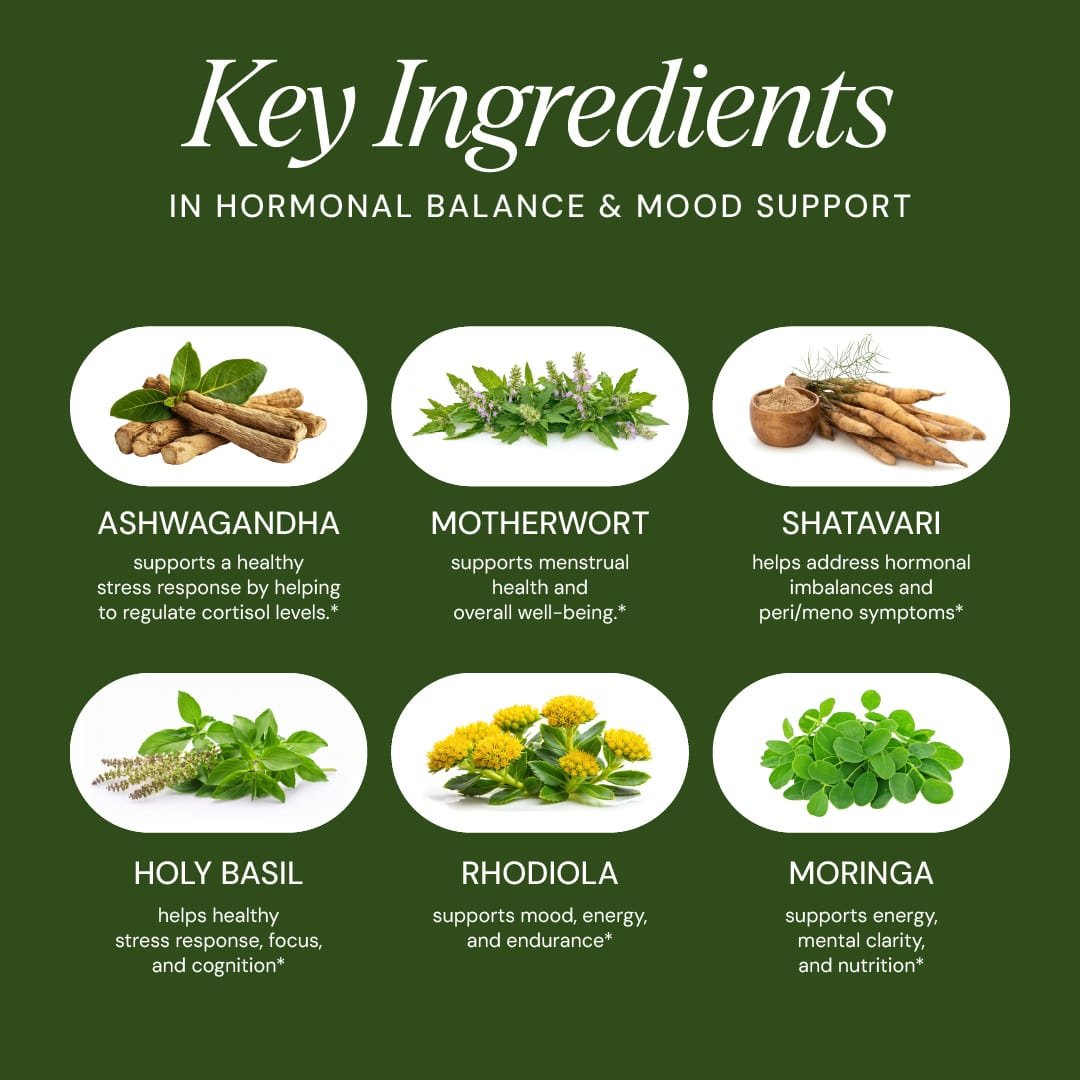
Stress doesn’t just affect cortisol—it creates ripple effects throughout your entire hormonal system. Ashwagandha appears to help restore balance across multiple hormonal pathways including thyroid function, reproductive hormones, and insulin sensitivity. Research has documented improvements in thyroid markers among subclinical hypothyroid patients, normalized testosterone levels in chronically stressed men, and improved hormonal profiles in women with stress-related reproductive issues. These hormonal balancing effects help explain ashwagandha’s traditional reputation as a rejuvenating tonic that supports vitality across multiple body systems, not just stress response.
How to Take Ashwagandha for Maximum Stress Relief
The way you incorporate ashwagandha into your routine significantly impacts its effectiveness for stress management. While simply adding any ashwagandha supplement will likely provide some benefit, optimizing your approach can dramatically enhance results. Everything from dosage to timing to the specific form you choose influences how your body responds to this powerful adaptogen.
Quality matters tremendously when selecting ashwagandha supplements. Look for products that specify the withanolide content (typically 1.5-5%), use root extract rather than leaf extract, and ideally provide information about their testing protocols for both potency and purity. Premium standardized extracts like KSM-66 and Sensoril have the most substantial research backing their effectiveness specifically for stress reduction. When possible, choose organic ashwagandha to minimize exposure to pesticides that could potentially counteract its beneficial effects.
Consistency is perhaps even more important than the specific product you choose. Ashwagandha works through cumulative effects on your stress response systems, gradually recalibrating their sensitivity and reactivity over time. Taking it sporadically when you feel stressed might provide minimal acute benefits, but you’ll miss out on the profound adaptive changes that regular use promotes. Think of ashwagandha as training your stress response system rather than sedating it—and like any training, consistent practice yields the best results.
Finding Your Optimal Dosage
Research studies showing significant stress reduction benefits typically use daily doses ranging from 300-600mg of high-concentration ashwagandha extract. Starting at the lower end of this range and gradually increasing if needed allows you to find your personal sweet spot while minimizing the risk of mild digestive discomfort that some people experience at higher doses. If you’re using a whole-root powder rather than an extract, the equivalent dose is typically 1-2 grams daily. Remember that more isn’t necessarily better—adapt the dose to your individual response rather than assuming maximum benefit comes from maximum intake.
Morning vs. Evening: Best Time to Take Ashwagandha
The ideal timing for ashwagandha depends partly on your primary goals and partly on your individual response. For overall stress adaptation and cortisol regulation, taking your full dose in the evening (1-2 hours before bed) often works best since it aligns with your body’s natural cortisol reduction in the evening and supports restorative sleep. This timing can be particularly effective if stress-related sleep disturbance is one of your primary concerns.
If your goals include improved daytime energy, cognitive function, and stress resilience, morning dosing or split dosing (half in morning, half in evening) may be more beneficial. Morning ashwagandha intake has been shown to support steadier energy levels throughout the day and improved performance under pressure. Some practitioners recommend aligning ashwagandha timing with cortisol’s natural daily rhythm—higher in morning, lower in evening—by using smaller morning doses and larger evening doses. Consider integrating aromatherapy kits to further enhance your stress resilience and overall well-being.
- Morning dosing: Best for daytime energy, focus and stress resilience
- Evening dosing: Optimal for sleep support and nighttime cortisol regulation
- Split dosing: Provides balanced benefits throughout the 24-hour cycle
- With food: Enhances absorption and reduces potential for mild digestive discomfort
Personal experimentation is valuable here—try different timing approaches for at least a week each and note differences in your energy levels, sleep quality, and overall stress resilience. Many find that their timing preferences change seasonally or during different life phases, so remain flexible and responsive to your body’s signals.
Different Forms: Capsules, Powder, and Tinctures Compared

“Best ashwagandha supplements 2026 | for …” from www.bbcgoodfood.com
Ashwagandha supplements come in various forms, each with distinct advantages. Capsules offer convenience, precise dosing, and minimal taste (important since ashwagandha has a distinctly bitter, earthy flavor that many find unpleasant). They’re ideal for busy individuals who need a consistent, no-fuss solution. Powdered ashwagandha provides more dosing flexibility and often costs less per dose than capsules, but requires measuring and masking the strong taste, typically by adding it to smoothies, yogurt, or warm milk with honey and spices (traditional Ayurvedic preparation). For those interested in complementary wellness approaches, exploring aromatherapy kits can enhance the relaxation experience alongside ashwagandha.
Liquid extracts and tinctures offer the fastest absorption, with effects sometimes noticeable within 30-60 minutes compared to 1-2 hours for capsules or powder. This makes them particularly useful for acute stress situations, though they typically cost more per dose and may have a stronger taste. Some practitioners believe that traditional preparations like ashwagandha steeped in ghee (clarified butter) provide enhanced bioavailability of fat-soluble compounds, though research comparing absorption between different forms remains limited.
How Long Before You’ll Notice Results
Typical Ashwagandha Timeline for Stress Relief
Many people turn to ashwagandha for its stress-relieving properties, but how long does it actually take to notice the effects? While individual experiences may vary, most users report feeling a difference within two to four weeks of consistent use. It’s important to combine ashwagandha with other healthy habits, such as regular exercise and a balanced diet, to enhance its benefits. For those interested in incorporating exercise, resistance band exercises can be a great addition to your routine.
1-2 weeks: Subtle improvements in sleep quality, mild reduction in stress reactivity
3-4 weeks: Noticeable improvements in general stress levels, energy stability, and sleep patterns
6-8 weeks: Significant reductions in perceived stress, measurable drops in cortisol, enhanced stress resilience
12+ weeks: Deeper adaptive changes in stress response systems, more consistent emotional balance, potentially aided by aromatherapy kits
Ashwagandha is not a quick fix—it works gradually to recalibrate your stress response systems rather than masking symptoms. Many people report subtle improvements in sleep quality and stress reactivity within the first 1-2 weeks, but the most significant benefits typically emerge after 4-8 weeks of consistent use. In clinical studies, the most dramatic reductions in stress markers usually appear at the 8-week measurement point. This timeline reflects ashwagandha’s mechanism of action—it’s modulating gene expression and receptor sensitivity related to stress response, changes that occur gradually rather than instantly. Additionally, incorporating mood tracking apps can help monitor these subtle changes over time.
For those seeking faster relief alongside the long-term benefits, combining ashwagandha with rapid-acting stress-management techniques can be effective. Breathing exercises, specific yoga practices like forward folds or gentle inversions, and mindfulness techniques can provide immediate stress relief while ashwagandha builds its long-term protective effects. This combined approach addresses both immediate symptoms and underlying patterns of stress reactivity.
Once you’ve achieved your desired stress reduction results, many practitioners recommend continuing ashwagandha for at least 3-6 months to solidify these changes before considering cycling off. Some people maintain continuous use at a lower maintenance dose, while others take periodic breaks (typically 1-4 weeks) before resuming. This cycling approach may help prevent adaptive resistance that occasionally develops with continuous adaptogen use, though research specifically examining cycling protocols remains limited.
Powerful Ashwagandha Combinations for Enhanced Effects
While ashwagandha is powerful on its own, certain synergistic combinations can amplify its stress-relieving effects. These strategic pairings target complementary aspects of stress physiology, creating more comprehensive protection against modern stressors. For example, incorporating omega-3 fatty acids can address specific stress-related concerns more effectively than ashwagandha alone, though it’s always wise to introduce new supplements one at a time to clearly observe your body’s response.
The Rhodiola + Ashwagandha Synergy

“Ashwagandha and Rhodiola: The Powerful …” from microbiohealth.co.uk
Combining ashwagandha with rhodiola rosea creates a particularly powerful adaptogenic duo that addresses both passive and active stress responses. While ashwagandha excels at calming overactive stress systems and promoting recovery, rhodiola provides more immediate energy, focus and mood enhancement during acute stress. This combination is especially beneficial for those dealing with both mental fatigue and anxiety—rhodiola lifts energy and mental clarity while ashwagandha prevents the “wired but tired” feeling that can come with stimulating herbs.
Research suggests this pairing may optimize neurotransmitter balance more effectively than either herb alone, supporting both serotonin and dopamine pathways that regulate mood and motivation. Many find this combination particularly valuable during high-demand periods like project deadlines, exams, or intense work phases, where both calm focus and stress resilience are needed simultaneously.
Adding Magnesium for Deeper Relaxation
Magnesium deficiency significantly amplifies stress responses, making even minor stressors feel overwhelming. When combined with ashwagandha, magnesium (particularly the highly bioavailable glycinate form) creates powerful support for both daytime calm and nighttime relaxation. This combination targets both the neurological and muscular manifestations of stress—ashwagandha balances stress hormones while magnesium relaxes physical tension and supports GABA function in the brain. For additional support, consider incorporating aromatherapy kits to enhance relaxation.
Clinical observations suggest this pairing may be particularly beneficial for those whose stress manifests physically through muscle tension, headaches, or disrupted sleep. The combination also appears to enhance sleep quality beyond what either supplement achieves alone, likely due to complementary effects on different aspects of the sleep-regulating nervous system. For optimal results, practitioners often recommend taking magnesium in the evening alongside ashwagandha, as both support the natural evening reduction in cortisol that prepares your body for restful sleep. For additional support, consider exploring aromatherapy kits that can further aid relaxation and improve sleep quality.
L-Theanine and Ashwagandha: The Focus Stack
For those seeking stress relief without sedation or reduced mental performance, combining ashwagandha with L-theanine (an amino acid found in green tea) offers unique benefits. This pairing promotes “alert calm”—a state of relaxed focus without drowsiness. L-theanine works quickly (typically within 30-45 minutes) to increase alpha brain waves associated with relaxed attention, while ashwagandha provides longer-lasting stress adaptation effects.
Research indicates this combination may be particularly effective for improving performance during stressful cognitive tasks. The L-theanine provides immediate stress-buffering effects while ashwagandha works in the background on longer-term stress resilience. Many find this combination ideal for high-pressure work environments, creative pursuits requiring focused flow states, or academic settings where calm concentration is essential for optimal performance. For those looking to enhance their relaxation techniques, exploring aromatherapy kits could be beneficial.
Safety Profile and Potential Side Effects
Ashwagandha has demonstrated an excellent safety profile in both traditional use and modern research, with relatively few side effects compared to synthetic anti-anxiety medications. Most clinical trials report similar adverse event rates between ashwagandha and placebo groups, suggesting that most people tolerate it well at standard doses. However, as with any bioactive substance, there are important considerations regarding individual variations in response, potential contraindications, and reasonable precautions.
The most commonly reported side effects include mild digestive discomfort, occasional headaches, and drowsiness in some individuals—particularly at higher doses. These effects are typically mild and often resolve after the first week of use as your body adjusts. Taking ashwagandha with meals rather than on an empty stomach can significantly reduce the likelihood of digestive discomfort. Starting with a lower dose and gradually increasing allows your system to adapt more comfortably and helps identify your personal threshold where benefits are maximized and side effects minimized.
Who Should Avoid Ashwagandha
Despite its general safety, ashwagandha isn’t appropriate for everyone. Pregnant women should avoid ashwagandha as it may have mild uterine stimulant properties that could theoretically increase miscarriage risk, though this effect has only been observed in very high doses in animal studies. People with autoimmune thyroid conditions (including Hashimoto’s thyroiditis) should use caution, as ashwagandha can increase thyroid hormone production which may exacerbate symptoms in some cases. Those with hormone-sensitive cancers should consult healthcare providers before use since ashwagandha may influence certain hormone pathways.
Individuals with acute gastrointestinal inflammation or ulcers may experience increased digestive discomfort due to ashwagandha’s slight warming and stimulating properties in the digestive tract. As with many herbs that support immune function, those who have received organ transplants should approach ashwagandha with caution as it could theoretically interfere with immunosuppressive medications, though clinical evidence of this interaction remains limited.
Common Side Effects and How to Minimize Them
When side effects occur, they typically fall into predictable patterns that can be easily addressed. Digestive symptoms like mild nausea, stomach discomfort, or occasional diarrhea are most common, particularly when taking ashwagandha on an empty stomach or at higher doses. Taking it with food, using a standardized extract rather than whole root powder, or temporarily reducing dosage usually resolves these issues. Morning drowsiness can occur in some individuals, especially with evening dosing—shifting to morning administration or reducing the dose typically addresses this effect.
A small percentage of users report mild stimulatory effects including slight insomnia or feeling “wired” when first starting ashwagandha. This paradoxical reaction appears more common in those with severe adrenal fatigue or long-standing stress patterns, possibly representing a normalization response as depleted stress-response systems begin to recover. Taking the dose earlier in the day and temporarily reducing the amount before gradually increasing again often resolves this response. In rare cases, allergic reactions including rash or itching have been reported—discontinuation is recommended if these occur.
Drug Interactions to Watch For
Ashwagandha may interact with certain medications due to its effects on thyroid function, glucose metabolism, and immunomodulatory properties. Those taking thyroid medications should monitor their thyroid function closely when adding ashwagandha, as dosage adjustments may be necessary. Similarly, people taking medications for diabetes may experience enhanced blood sugar-lowering effects when combining them with ashwagandha, potentially requiring dosage modifications. Due to its mild immunostimulant properties, theoretical interactions could occur with immunosuppressant drugs, though clinical reports of such interactions remain rare.
Building Your Complete Stress Resilience Protocol with Ashwagandha
While ashwagandha provides powerful support for stress management, creating true stress resilience requires a more comprehensive approach. The most successful strategies integrate ashwagandha into a broader framework that addresses multiple dimensions of stress physiology and psychology. This integrated approach not only enhances ashwagandha’s effectiveness but creates more sustainable improvements in your overall relationship with stress. Think of ashwagandha as a foundational support that makes other stress management practices more effective rather than a complete solution on its own.
Complementary Lifestyle Practices
“Complementary and Integrative Health …” from www.sciencedirect.com and used with no modifications.
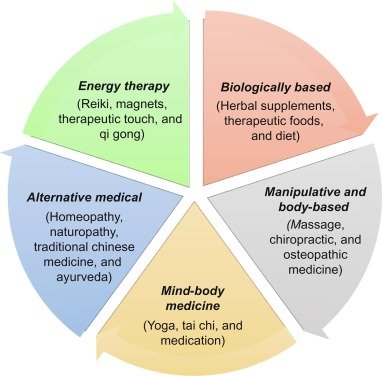
Certain lifestyle practices synergize particularly well with ashwagandha’s stress-protective effects. Regular moderate exercise amplifies ashwagandha’s cortisol-regulating benefits while improving stress resilience through complementary physiological pathways. Mindfulness practices like meditation, breathwork, or yoga appear to enhance ashwagandha’s effects on both subjective stress perception and objective stress markers. Even brief daily sessions (5-15 minutes) of these practices create measurable improvements when combined with adaptogenic support.
Nutritional factors significantly influence stress physiology and ashwagandha’s effectiveness. Reducing pro-inflammatory foods, stabilizing blood sugar through balanced meals, and ensuring adequate omega-3 fatty acid intake all support ashwagandha’s stress-protective effects. Proper hydration is particularly important, as even mild dehydration amplifies cortisol production and stress reactivity. Some practitioners recommend taking ashwagandha with warm milk and a small amount of honey or ghee, as traditional Ayurvedic wisdom suggests this combination enhances its calming properties through complementary nutritional pathways.
Creating a Sustainable Stress Management Routine
Consistency is crucial for lasting stress resilience, so designing a sustainable daily routine that includes ashwagandha alongside other stress-management practices creates the strongest foundation. Start by identifying your personal stress patterns and triggers—when is your stress typically highest? What specific manifestations cause the most disruption in your life? This awareness helps you time ashwagandha intake and complementary practices for maximum impact.
Building stress-management rituals around your ashwagandha supplementation can enhance its effectiveness through positive conditioning. For example, taking your evening dose while engaging in a relaxing wind-down ritual—perhaps gentle stretching, journaling, or a warm bath—creates stronger neurological associations that amplify the relaxation response. Similarly, morning doses can be paired with intention-setting or brief mindfulness practices to establish a calm, centered state for the day ahead. These paired practices create a more powerful effect than either component alone.
When to Expect Long-Term Resilience Benefits
True stress resilience develops in stages, with different benefits emerging along different timelines. While initial stress reduction may be noticeable within weeks, deeper neurological and physiological adaptations typically emerge over 3-6 months of consistent practice. These longer-term changes include recalibration of HPA axis sensitivity, optimization of stress-related gene expression, and neuroplastic changes in brain regions involved in stress processing. These fundamental adaptations create more sustainable stress resilience that doesn’t require constant management.
As these deeper changes develop, many people report a qualitative shift in their relationship with stress—not just experiencing less distress from the same stressors, but actually responding to potential stressors with greater flexibility, creativity, and emotional balance. This transition from stress reduction to stress resilience represents the ultimate goal of adaptogenic therapy with ashwagandha. At this stage, many find they can maintain benefits with lower maintenance doses or even periodic use rather than daily supplementation, though individual responses vary considerably.
Your Next Steps to Stress-Free Living
- Start with a high-quality ashwagandha supplement (300-600mg standardized extract daily)
- Track your stress levels, sleep quality, and energy for the first 8 weeks
- Combine with at least one daily stress-management practice (breathwork, meditation, or gentle movement)
- Ensure adequate sleep, hydration, and blood sugar stability to maximize benefits
- Consider strategic combinations with complementary adaptogens or nutrients based on your specific stress patterns
Reclaiming your calm in today’s high-stress world isn’t about eliminating stressors—it’s about transforming how your body and mind respond to them. Ashwagandha offers one of the most evidence-backed natural approaches to this transformation, helping your nervous system adapt rather than merely suppressing symptoms. By supporting your body’s innate capacity for homeostasis and resilience, ashwagandha helps create sustainable improvements in how you experience and process stress.
Remember that stress resilience is highly individualized—what works best for you may differ from standard recommendations. Pay attention to your body’s signals and be willing to adjust your approach based on your unique responses. Some people find dramatic benefits from ashwagandha alone, while others get optimal results from specific combinations or dosing strategies. This personalized approach, guided by both traditional wisdom and modern research, offers the most direct path to reclaiming your natural state of balanced well-being even amid life’s inevitable challenges.
If you’re struggling with chronic stress that significantly impacts your quality of life, consider working with a healthcare provider knowledgeable in both adaptogenic herbs and conventional approaches. Integrative practitioners can help design personalized protocols that address your specific stress patterns and monitor for optimal results. With the right approach, ashwagandha can be a powerful ally in your journey toward not just managing stress, but actually thriving amid life’s pressures and demands.
Frequently Asked Questions
As ashwagandha continues gaining popularity for stress management, certain questions consistently arise from those considering this adaptogen for their wellness routines. The following answers are based on both traditional knowledge and contemporary research, providing evidence-based guidance while acknowledging areas where scientific consensus remains developing.
These frequently asked questions address the most common practical concerns about incorporating ashwagandha into a stress management protocol. While general guidelines are valuable, remember that individual responses to adaptogens vary considerably, and personalizing your approach based on your specific stress patterns and health status creates the most reliable results.
How quickly does ashwagandha work for reducing stress?
Ashwagandha’s effects on stress typically develop gradually rather than immediately. Most people begin noticing subtle improvements in sleep quality and stress reactivity within 1-2 weeks of consistent use. More significant benefits including measurable reductions in cortisol levels and substantial improvements in perceived stress typically emerge after 4-8 weeks of daily supplementation. This timeline reflects ashwagandha’s mechanism of action—it works by gradually recalibrating stress response systems rather than simply masking symptoms.
Factors affecting your personal timeline include your baseline stress levels, overall health status, the quality of the ashwagandha supplement, and whether you’re addressing other stress-amplifying factors like sleep deprivation or poor nutrition. Some individuals with severe chronic stress may require longer treatment periods before experiencing maximum benefits, while those with milder stress may notice improvements more quickly. Taking ashwagandha with healthy fats may enhance absorption and potentially accelerate results, though research specifically examining absorption timing remains limited.
For those seeking more immediate stress relief while waiting for ashwagandha’s cumulative effects to develop, combining it with fast-acting stress management techniques like diaphragmatic breathing, brief meditation, or physical movement often provides the best approach. Some practitioners also recommend combining ashwagandha with faster-acting herbs like lemon balm or L-theanine during the initial weeks before ashwagandha’s effects fully develop.
Can I take ashwagandha with my prescription medications?
While ashwagandha is generally considered safe, it may interact with certain medications due to its effects on thyroid function, glucose metabolism, and immunomodulatory properties. If you’re taking prescription medications—particularly for thyroid conditions, diabetes, autoimmune disorders, or psychiatric conditions—consult with your healthcare provider before adding ashwagandha. Potential interactions are most likely with thyroid medications, immunosuppressants, sedatives, blood pressure medications, and drugs that lower blood glucose. Always disclose all supplements you’re taking to your healthcare providers to ensure comprehensive safety monitoring.
What’s the difference between KSM-66 and regular ashwagandha?
KSM-66 is a specific patented extract of ashwagandha that’s produced using a unique extraction process designed to preserve the natural ratio of the plant’s constituents while ensuring high withanolide content (typically 5%). This standardized extract has been used in multiple clinical trials demonstrating benefits for stress reduction, making it one of the most well-researched forms. The extraction process uses only the root (considered the most therapeutically valuable part in Ayurvedic tradition) and avoids chemical solvents, instead using milk in the traditional Ayurvedic method.
“Regular” ashwagandha supplements vary widely in quality, extraction methods, plant parts used, and standardization levels. Some use alcohol or other chemical solvents for extraction, may include both root and leaf material, and often don’t specify or guarantee withanolide content. This variability can make results less predictable. While high-quality traditional extracts can certainly be effective, standardized extracts like KSM-66 offer more consistent potency and better-documented effects specifically for stress management applications.
Is ashwagandha safe to take long-term for stress management?
Traditional Ayurvedic practice has used ashwagandha safely for thousands of years, often for extended periods, suggesting good long-term safety for most people. Modern research supports this traditional wisdom, with studies following participants for up to 12 months showing continued safety and effectiveness without significant adverse effects or diminishing returns. As an adaptogen, ashwagandha works by supporting normal physiological function rather than forcing artificial states, which contributes to its favorable long-term safety profile.
That said, some practitioners recommend periodic breaks from ashwagandha (typically 1-4 weeks after every 3-6 months of use) to prevent potential adaptation and maintain optimal responsiveness. This cycling approach is based more on clinical observation and traditional practice than on definitive research, as few studies have specifically examined continuous versus cycled protocols. Many people find they can reduce their dosage after 3-6 months of consistent use while maintaining benefits, transitioning from a “therapeutic” to a “maintenance” dose for long-term stress resilience.
For long-term use, quality becomes even more important—choose products tested for contaminants like heavy metals and confirm they contain effective levels of active compounds. Some individuals may develop mild sensitivity reactions with extended use, so continuing to monitor your response even after months of beneficial effects remains prudent. If you plan to use ashwagandha long-term, periodic check-ins with a knowledgeable healthcare provider can help ensure it remains appropriate for your evolving health status.
Can ashwagandha help with stress-related weight gain?
Ashwagandha shows promising potential for addressing stress-related weight issues, particularly around the midsection. This benefit appears connected to its ability to reduce cortisol levels—chronically elevated cortisol promotes abdominal fat storage, increases appetite (especially for comfort foods), and interferes with blood sugar regulation. By helping normalize cortisol patterns, ashwagandha may help remove a significant hormonal driver of weight gain without directly affecting metabolism like stimulant weight loss supplements.
Research specifically examining ashwagandha’s effects on weight management is still developing, but several studies have observed modest reductions in body mass index (BMI) and waist circumference among chronically stressed participants taking ashwagandha. These effects appear most pronounced in those with clear stress-related eating patterns and visible cortisol-mediated fat distribution (typically characterized by increased abdominal fat despite relatively normal weight elsewhere). Additionally, by improving sleep quality and reducing stress-driven emotional eating, ashwagandha may indirectly support healthier eating patterns.
It’s important to maintain realistic expectations—ashwagandha isn’t a weight loss supplement in the traditional sense. Its effects on weight appear to be secondary consequences of improved stress physiology rather than direct metabolic stimulation. For optimal results with stress-related weight concerns, combining ashwagandha with stress-conscious nutrition, appropriate physical activity, and adequate sleep creates a more comprehensive approach than relying on any single intervention.
For those struggling with stubborn weight issues despite healthy diet and exercise habits, investigating potential stress-related hormonal factors may be worthwhile. Working with practitioners who understand the connections between stress physiology and weight regulation can help determine whether adaptogens like ashwagandha might be a missing piece in your personal weight management puzzle. Healthline offers additional resources for understanding the complex relationships between stress hormones and weight management challenges.
Most guys hear “biohacking” and picture ice baths, red light therapy, or some billionaire’s morning routine. However, incorporating ashwagandha into your daily regimen can be a simple yet effective way to enhance your well-being. Known for its adaptogenic properties, ashwagandha helps reduce stress, improve sleep, and boost energy levels.
Ashwagandha Benefits for Stress Management
Exploring the ashwagandha benefits can provide valuable insights into its role in stress reduction.
Understanding the ashwagandha benefits is crucial for leveraging its full potential.
Recognizing the comprehensive ashwagandha benefits enhances your approach to stress management.
Recognizing the wide range of ashwagandha benefits is essential for informed decision-making.
Ultimately, understanding the ashwagandha benefits can empower you to take control of your stress management.
Integrating the knowledge of ashwagandha benefits into your lifestyle can yield significant improvements.
Many people are now recognizing the ashwagandha benefits in their daily routines.
Understanding the ashwagandha benefits can greatly enhance your approach to stress management.
BestProductsForMen.org participates in affiliate programs, which means we may earn a commission if you click on a link and make a purchase. This comes at no additional cost to you. We only recommend products we personally trust, use, or believe will provide value to our readers.
Our goal is to provide honest, helpful reviews and recommendations so you can make informed decisions.
Leave a Reply to Fisher Wallace Stimulator Review + Affordable Alternatives Cancel reply