
BestProductsForMen.org participates in affiliate programs, which means we may earn a commission if you click on a link and make a purchase. This comes at no additional cost to you. We only recommend products we personally trust, use, or believe will provide value to our readers.
Our goal is to provide honest, helpful reviews and recommendations so you can make informed decisions.
Affordable Aromatherapy Kits for Men
“Benefits of Aromatherapy | Maplewood …” from www.maplewoodseniorliving.com
Article-at-a-Glance
- Personalized aromatherapy kits combine essential oils for specific wellness goals, letting you target stress, energy, sleep, focus, and emotional balance.
- Mountain Rose Herbs offers specialized collections including Classic, Citrus, and Lovers essential oil kits that serve as perfect foundations for creating your personalized self-care routine.
- A complete aromatherapy self-care kit should include high-quality oils, appropriate carriers, diffusion tools, and portable application methods.
- Creating a custom routine with morning energizing practices, midday resets, and evening wind-down rituals maximizes aromatherapy benefits.
- Understanding proper dilution rates and safety guidelines is essential before beginning your aromatherapy journey.
The subtle power of scent can transform your mood in seconds. Personalized aromatherapy self-care kits harness this power, putting wellness literally at your fingertips. By selecting essential oils tailored to your specific needs, you can create a customized approach to managing stress, improving sleep, boosting energy, or finding emotional balance. Mountain Rose Herbs’ carefully curated essential oil collections provide an excellent foundation for those seeking to enhance their wellbeing through aromatherapy, with each kit designed to address different aspects of self-care.
The beauty of personalization lies in matching aromatic profiles with your body’s unique responses and preferences. Rather than following one-size-fits-all recommendations, custom kits allow you to discover which scents resonate most deeply with your system. Some people find lavender calming while others might experience more relaxation with cedarwood or vetiver. Your personal kit becomes a reflection of your wellness journey, evolving as you learn more about how different essential oils affect your mind and body.
Transform Your Well-Being With Custom Aromatherapy Kits
Aromatherapy isn’t just about pleasant scents—it’s a therapeutic practice with roots stretching back thousands of years. When you create a personalized aromatherapy self-care kit, you’re tapping into ancient wisdom while applying modern understanding of how aromatic compounds interact with our nervous system. These custom collections serve as portable wellness centers, ready to support you whether you’re dealing with workplace stress, travel fatigue, or simply need a moment of tranquility in a chaotic day.
The transformative potential lies in consistency and intentionality. Having your personally selected oils organized and accessible means you’ll actually use them when needed. Unlike generic commercial products loaded with synthetic fragrances, pure essential oils offer authentic plant energetics and genuine therapeutic benefits. Your kit becomes a trusted companion in self-care practice, a tangible reminder to prioritize your wellbeing even during the busiest days.
For beginners, starter kits like Mountain Rose Herbs’ Classic Essential Oil Kit provide perfect entry points, featuring versatile oils like lavender, tea tree, lemon, peppermint, and atlas cedarwood that form the backbone of countless blends. These five oils alone can address dozens of common concerns from headache relief to natural cleaning. As your knowledge deepens, you might expand into specialized collections focused on emotional support, seasonal wellness, or specific therapeutic goals.
5 Essential Oil Combinations for Different Wellness Goals
“Calming Essential Oil Blend – For calm …” from earthley.com
The heart of any personalized aromatherapy kit lies in thoughtful combinations that target specific wellness objectives. Each essential oil carries unique properties that, when blended synergistically, create powerful tools for self-care. Understanding these complementary relationships allows you to design precisely calibrated formulas for whatever life throws your way.
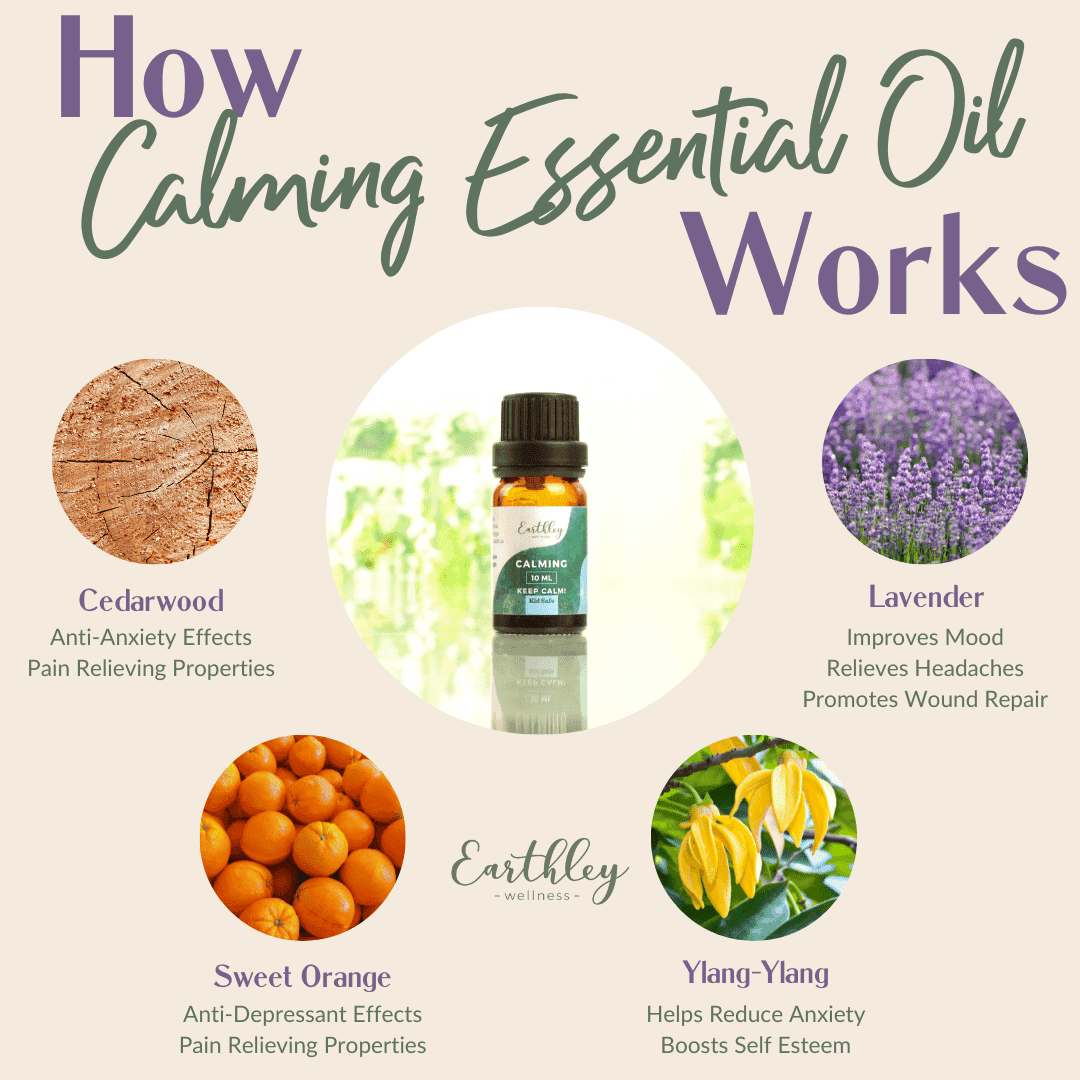
Stress Relief Blend: Lavender, Bergamot, and Ylang Ylang
When tension builds and your shoulders creep toward your ears, reach for this calming trio. Lavender works as the cornerstone of relaxation, with research supporting its ability to reduce cortisol levels and ease nervous system activation. Bergamot adds a unique citrus brightness that lifts mood while still promoting relaxation—a rare combination found in few other oils. Ylang ylang rounds out the blend with deep floral notes that slow racing thoughts and invite present-moment awareness.
This combination works beautifully in an evening bath, adding 3-4 drops of each oil to 2 tablespoons of unscented castile soap before pouring into warm water. For a quick on-the-go solution, create a personal inhaler with 5 drops each, allowing you to access stress relief anywhere. The synergy between these three oils creates a response greater than any could achieve individually. For those interested in tracking their mood changes and stress levels, consider exploring mood tracking apps that can complement your aromatherapy routine.
Energy Boost Blend: Peppermint, Lemon, and Rosemary
When afternoon fatigue hits or morning motivation lags, this vibrant blend delivers natural stimulation without the crash of caffeine. Peppermint immediately awakens the senses with its mentholated punch, triggering increased alertness and opening respiratory passages. Lemon contributes bright, uplifting notes that studies show can enhance mood and cognitive performance. Rosemary completes the trio with herbaceous depth, traditionally used to improve memory and concentration—modern research confirms its ability to enhance cognitive function.
This energizing blend works best in a personal diffuser during mid-afternoon slumps or as a morning shower boost, placing 2 drops of each on a washcloth placed away from direct water contact. For driving alertness, create a terracotta pendant diffuser with 2 drops of each oil, hanging it from your rear-view mirror. The combination delivers both immediate and sustained energy enhancement.
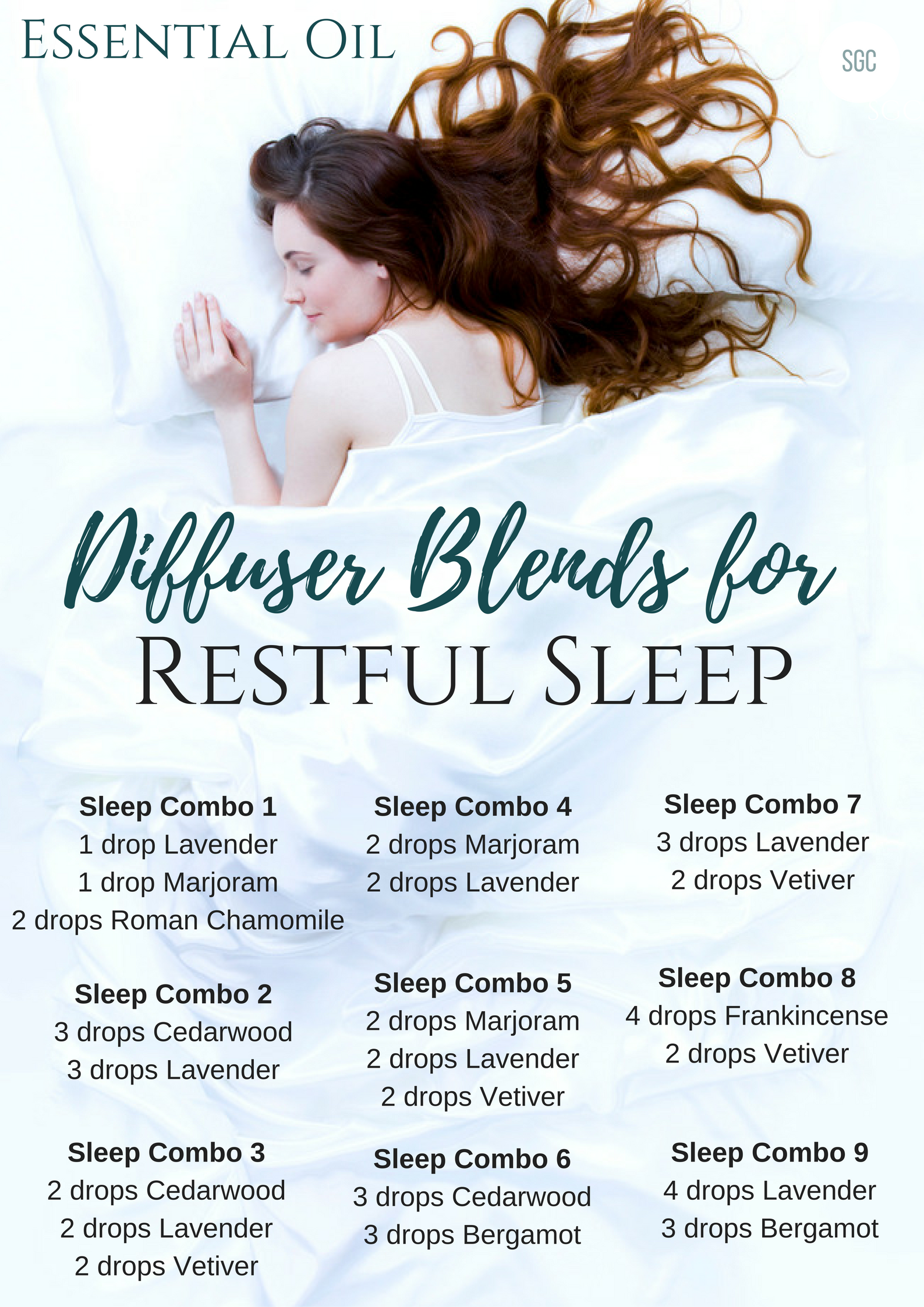
Sleep Support Blend: Chamomile, Cedarwood, and Vetiver
“Sleep Essential Oil Blend For Diffusers …” from www.colinmannschool.org.za
Quality sleep forms the foundation of overall wellness, yet remains elusive for many. This grounding blend helps signal your body that it’s time to transition into rest. Roman chamomile brings gentle, apple-like sweetness with powerful nervous system calming effects. Cedarwood adds woody, warm undertones that research shows can increase serotonin conversion to melatonin, the sleep hormone. Vetiver anchors the blend with its earthy, smoky depth, slowing racing thoughts and creating profound relaxation. For those interested in additional ways to enhance relaxation, consider exploring solo adventure travel experiences as a means to unwind and reset.
“The sleep support blend transformed my bedtime routine. After years of restless nights, diffusing this combination an hour before bed has helped me fall asleep faster and wake less frequently. It’s become as essential as turning down the lights.” — Actual customer feedback on Mountain Rose Herbs’ sleep-focused essential oil kit
Mental Clarity Blend: Eucalyptus, Rosemary, and Frankincense
When brain fog descends or focus becomes elusive, this cerebral blend helps clear mental pathways and sharpen concentration. Eucalyptus acts as an immediate clarifier, its crisp, medicinal aroma cutting through mental clutter while supporting respiratory function. Rosemary enhances cognitive performance with its herbaceous notes, known to improve memory recall and processing speed in multiple studies. Frankincense adds an ancient, resinous depth that promotes deep breathing and mindful awareness.
This blend shines in a desktop diffuser during work sessions, using 2-3 drops of each oil for a 30-minute diffusion period. For study environments, place 3 drops of each oil on a cotton ball near your workspace for sustained mental support. The combination creates what aromatherapists often call “brain-friendly air,” fostering an environment conducive to clear thinking and problem-solving.
Emotional Balance Blend: Geranium, Clary Sage, and Sweet Orange
Emotional regulation forms a cornerstone of effective self-care, and this harmonizing blend helps smooth the jagged edges of mood fluctuations. Geranium acts as an emotional equalizer, its rosy-sweet aroma creating a feeling of comfort and balance that helps stabilize both low and high emotional states. Clary sage offers euphoric, soothing qualities particularly effective for hormone-related mood changes. Sweet orange contributes sunny brightness that reliably elevates spirits while reducing anxious feelings.
This blend excels in personal inhalers for emotional first-aid during challenging moments. It also makes an exceptional massage oil when diluted properly, applying to the heart area during times of emotional distress. The combination works together to create emotional resilience, helping you navigate life’s ups and downs with greater equanimity.
Must-Have Components for Your DIY Aromatherapy Kit: Why Aromatherapy Kits for Men Actually Help
Creating a truly effective personalized aromatherapy self-care kit requires more than just essential oils. A well-designed kit includes application tools, dilution mediums, and storage solutions that maximize therapeutic benefits while ensuring safety and convenience. Mountain Rose Herbs offers all the necessary components to build a comprehensive kit that serves multiple wellness needs.
High-Quality Essential Oil Selection
The foundation of any effective aromatherapy practice begins with pure, unadulterated essential oils. Quality matters tremendously—synthetic fragrances or adulterated oils not only lack therapeutic benefits but may cause adverse reactions. Look for suppliers like Mountain Rose Herbs that prioritize testing methods such as GC/MS analysis, which verifies an oil’s chemical composition and purity. Organic certification provides additional assurance that plants were grown without pesticides, which can concentrate in the extraction process.
Start with versatile oils that address multiple concerns: lavender for relaxation and skin care, tea tree for immune support and cleansing, peppermint for energy and digestive comfort, lemon for mood lifting and cleaning applications, and eucalyptus for respiratory support. These five oils form a solid foundation that you can expand with specialized oils as you identify specific needs.
Carrier Oils for Safe Application
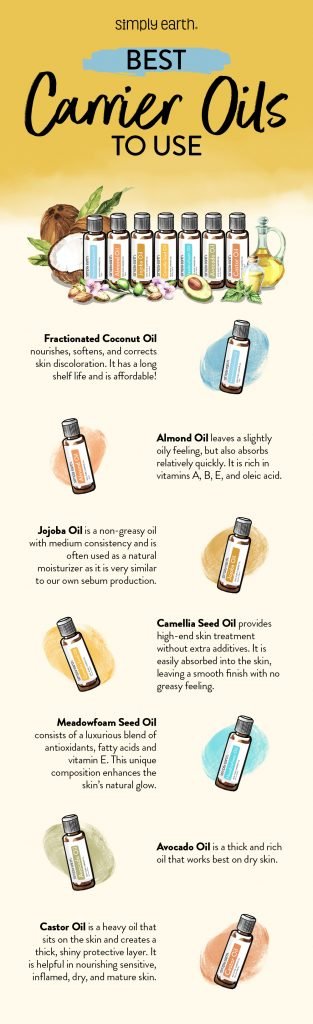
“What are Carrier Oils: All You Need to …” from blog.simplyearth.com
Essential oils are highly concentrated plant extracts that require proper dilution before skin application. High-quality carrier oils not only make essential oils safe to use but also contribute their own skin-nourishing properties. Jojoba closely resembles human sebum, making it ideal for facial applications, while sweet almond provides excellent glide for massage blends. Fractionated coconut oil offers a long shelf-life and quick absorption for everyday use. For those looking to enhance their fitness routine, consider incorporating new resistance band exercises to break through exercise plateaus.
Include at least two carrier options in your kit—one lightweight oil like fractionated coconut for daily use and one richer oil like sweet almond for deeper nourishment. Store carriers in dark glass bottles with orifice reducers for convenient dispensing without contamination. A quality carrier oil should be cold-pressed, unrefined, and free of synthetic additives for maximum benefit. For those interested in grooming, consider exploring DIY silicone-free beard serum recipes that can complement your aromatherapy kit.
Diffusers: Ultrasonic vs. Nebulizing
Diffusion represents one of the simplest and most effective ways to experience aromatherapy benefits. Ultrasonic diffusers use water and electronic vibration to create a fine mist of water and essential oil particles—ideal for continuous low-level diffusion in living spaces and bedrooms. They double as humidifiers, making them excellent choices for dry environments or respiratory support.
Nebulizing diffusers, by contrast, use pressurized air to atomize pure essential oils without water or heat. These deliver much higher concentrations of oils to the air, making them potent therapeutic tools for acute situations like respiratory congestion or immediate mood support. While more expensive and louder than ultrasonic models, nebulizers provide the most powerful aromatic experience and require smaller amounts of oil for significant effects.
Roller Bottles and Glass Containers
Portable application tools transform your aromatherapy practice from a home-bound ritual to an anytime, anywhere resource. Roller bottles pre-filled with properly diluted blends allow for quick application to pulse points during stressful meetings, travel, or social situations. Use amber or cobalt glass bottles to protect oil integrity, and stainless steel roller balls that won’t degrade with citrus oils.
Beyond rollers, include a variety of glass containers: small amber bottles with orifice reducers for custom blends, spray bottles for room and linen mists, and sample-sized vials for sharing or travel. Label each container clearly with contents and creation date using water-resistant labels. The Mountain Rose Herbs collection of glass containers provides excellent options for building a versatile, organized kit.
Inhalation Tools: Personal Inhalers and Aromasticks
Direct inhalation represents the fastest route for essential oils to affect the brain and emotional responses. Personal inhalers—small tubes with absorbent wicks—provide discreet, immediate aromatherapy access without affecting others nearby. These pocket-sized tools prove invaluable during travel, at work, or in public spaces where diffusion isn’t appropriate.
Aromasticks offer another portable option, particularly helpful for respiratory support or motion sickness. Simply place 15-20 drops of your chosen blend on a cotton wick inside a sealed container, opening only when needed. For more immediate relief, create aromatic steam bowls by adding 3-5 drops to hot water and inhaling the vapor with a towel draped over your head—especially effective for congestion or sinus pressure.
- Personal inhalers: Ideal for emotional support, focus, or energy on-the-go
- Cotton balls: Simple option for car diffusion or desktop aromatherapy
- Aromatic jewelry: Diffuser necklaces, bracelets, and earrings for all-day benefits
- Shower steamers: For morning energy or evening relaxation during bathing
- Terracotta pendants: Long-lasting diffusion for spaces without electricity
How to Create a Personalized Self-Care Routine
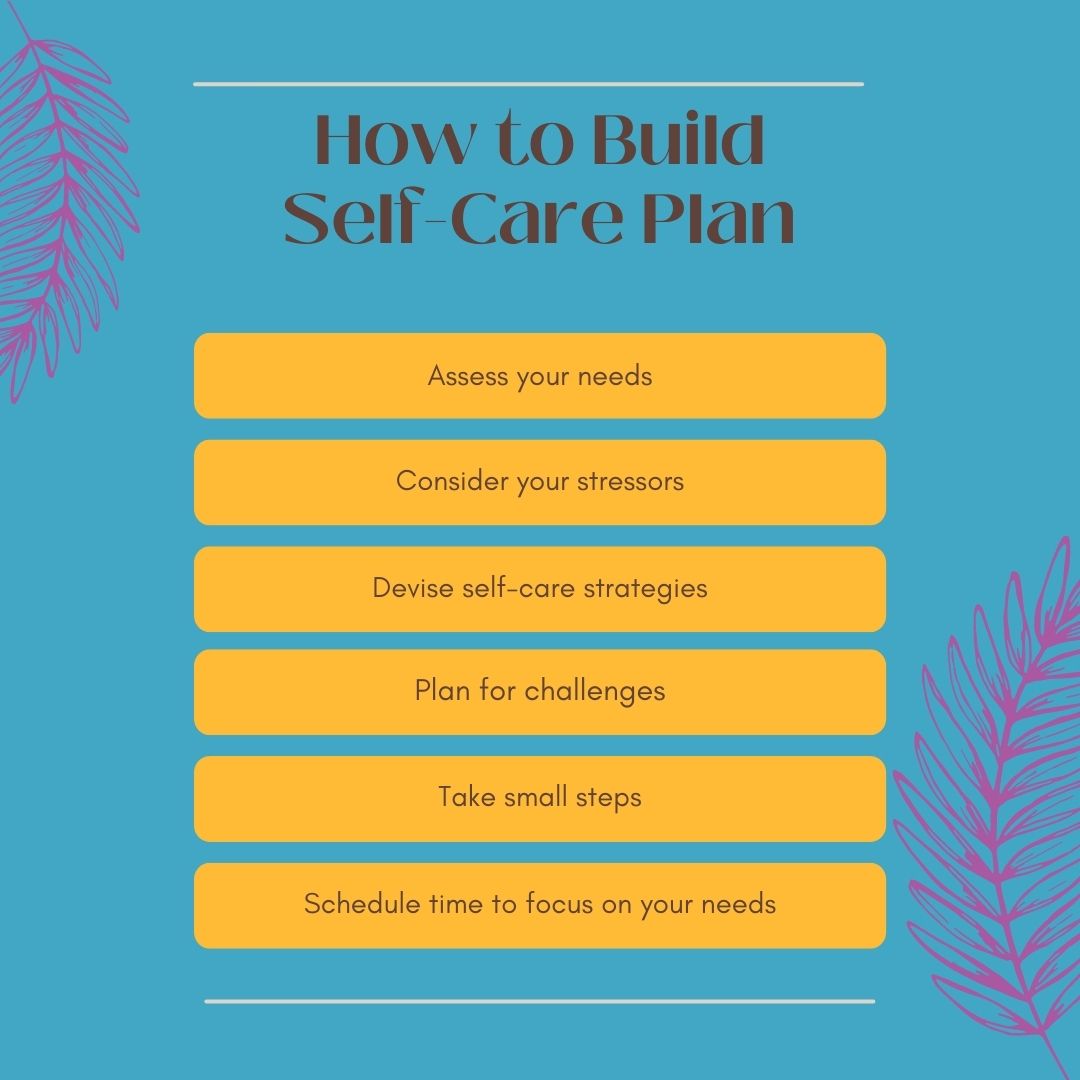
“Self-Care Plan: How To Create Your Own …” from ctsupportgroup.org
Transforming your aromatherapy kit into a consistent wellness practice requires thoughtful integration into your daily rhythms. The most effective self-care routines align with your natural energy patterns, addressing specific needs at different points in the day. By creating intentional aromatherapy touchpoints throughout your schedule, you’ll maximize benefits while building sustainable habits.
Morning Energizing Practices
The first moments after waking set the tone for your entire day. Rather than reaching immediately for caffeine, try incorporating aromatherapy to naturally stimulate your senses and prepare your mind for focused activity. A morning shower becomes a powerful awakening ritual with 3-4 drops of citrus or mint oils placed on a washcloth away from direct water contact, releasing energizing vapors as you bathe. The Citrus Essential Oil Kit from Mountain Rose Herbs offers perfect morning companions—try sweet orange or grapefruit to inspire positivity while counteracting morning brain fog.
How to Tell If Your Oils Are High-Quality
Quality verification stands as perhaps the most critical aspect of building an effective aromatherapy practice. The therapeutic benefits of essential oils depend entirely on their purity and potency—qualities impossible to determine through sight or smell alone for most consumers. Premium suppliers like Mountain Rose Herbs employ multiple verification methods to ensure their oils contain exactly what nature intended, without adulteration or contamination.
Understanding Testing Methods: GC/MS Analysis
Gas Chromatography/Mass Spectrometry represents the gold standard in essential oil analysis. This scientific testing method separates and identifies individual compounds within an oil, creating a chemical “fingerprint” that reveals its exact composition. Quality producers test each batch of oil, comparing results against established profiles for that plant species. This testing detects adulteration, synthetic additives, or processing issues that might compromise therapeutic benefits.
“GC/MS testing is like a truth serum for essential oils. It reveals exactly what’s in the bottle—whether the rosemary oil contains the proper levels of 1,8-cineole and camphor, if the lavender has been cut with synthetic linalool, or if the frankincense contains the expected boswellic acids. This objective data tells us more than any marketing claim ever could.” – Aromatherapy educator and researcher
While most consumers can’t perform these tests themselves, reputable companies like Mountain Rose Herbs provide batch-specific test results upon request. These documents verify chemical constituents, show harvesting location, and confirm the absence of pesticides or heavy metals. When companies willingly share these detailed reports, it demonstrates their commitment to transparency and quality.
Beyond GC/MS testing, some companies employ additional verification methods like FTIR (Fourier-Transform Infrared Spectroscopy) or organoleptic testing by trained experts who evaluate color, viscosity, and aroma profiles against established standards. The combination of scientific testing and human expertise provides the most complete quality assessment.
Organic and Wild-Crafted Certifications
Certification standards offer additional assurance of oil quality and environmental stewardship. USDA Organic certification verifies that plants were grown without synthetic pesticides, herbicides, or fertilizers—contaminants that can become concentrated during the distillation process. Since essential oils require large quantities of plant material (sometimes hundreds or thousands of pounds for a single liter of oil), organic growing practices significantly reduce toxic load in the final product.
Wild-crafted oils come from plants harvested in their natural habitat rather than cultivated fields. This approach often yields oils with more complex chemical profiles that reflect the plant’s natural growth environment, including soil conditions and weather patterns. Ethical wild-crafting follows strict sustainability guidelines, harvesting only abundant species while preserving enough plants for natural regeneration. Mountain Rose Herbs prioritizes sustainability in their sourcing, ensuring that their wild-crafted offerings contribute to ecosystem preservation rather than depletion.
Best Affordable Spa Gift Sets for Men: Red Flags for Poor Quality Products
Several warning signs can help you identify questionable essential oils before purchase. Price sits at the top of this list—if an oil costs significantly less than comparable products from reputable suppliers, it’s almost certainly diluted or synthetic. True rose otto or jasmine absolute, for instance, require enormous amounts of plant material and labor-intensive extraction processes, making genuine versions necessarily expensive. Similarly, uniform pricing across different oils indicates potential quality issues, as authentic oils vary dramatically in production costs—some like lemon or orange should be relatively inexpensive, while melissa or helichrysum command premium prices due to limited supply and extraction challenges. For more on natural product ingredients, check out this DIY silicone-free beard serum guide.
Your 30-Day Aromatherapy Self-Care Plan: How to Build a Simple Self Care Routine
Transforming occasional aromatherapy use into a consistent wellness practice requires structure and progressive skill-building. This 30-day plan creates a framework for developing personal expertise while establishing sustainable self-care habits. Begin with Mountain Rose Herbs’ Classic Essential Oil Kit as your foundation, adding specialty oils as you identify specific needs and preferences.
Remember that consistency delivers better results than intensity. A few minutes of intentional aromatherapy practice daily will yield greater benefits than occasional marathon sessions. Record your experiences in a journal, noting which oils and applications provide the most noticeable benefits for your unique system. For more insights, explore this essential oils guide for beginners.
Week 1: Foundation Building
Begin with single-oil exploration, getting to know each essential oil in your basic kit individually before creating blends. Each day, select one oil to work with exclusively, experiencing it through different application methods. For instance, try lavender in your diffuser on day one, as a diluted pulse-point oil on day two, and in a bedtime linen spray on day three. This methodical approach helps you identify your personal responses to each oil’s aroma profile and energetic properties. By week’s end, you’ll understand which oils resonate most strongly with your system and which application methods deliver the most satisfying results.
Week 2: Expanding Your Practice
Introduce simple two-oil combinations based on your week one discoveries, pairing oils with complementary properties and aromas. Create a morning blend (perhaps lemon and peppermint) and an evening blend (such as lavender and cedarwood) to bookend your day with intentional aromatic experiences. Begin integrating these blends into specific daily rituals—your morning shower, afternoon work break, and bedtime routine. This week focuses on establishing consistent touchpoints throughout your day where aromatherapy supports transitions between activities and emotional states.
Week 3: Customizing Your Blends
Advance to more sophisticated three-oil formulations that target specific wellness goals you’ve identified. Using the blending principles explored earlier, create personalized recipes for stress relief, energy enhancement, sleep support, respiratory health, or emotional balance. Experiment with different ratios to find your perfect balance, keeping detailed notes on each formula. This week emphasizes developing your aromatic intuition—learning to adjust blends based on your body’s feedback and developing the confidence to move beyond standard recipes into truly personalized aromatherapy.
Week 4: Integrating Aromatherapy Across Your Life
Expand your practice beyond personal application into your environment and relationships. Create room sprays, linen mists, or cleaning products that bring aromatherapy benefits to your entire living space. Explore sharing your blends with family members (with appropriate safety guidelines) or creating custom gifts for friends. This week focuses on making aromatherapy a lifestyle rather than just a personal practice, creating an aromatic ecosystem that supports wellbeing for yourself and those around you. By month’s end, you’ll have established a comprehensive aromatherapy routine tailored exactly to your needs and preferences.
Next Steps: From Beginner to Aromatherapy Expert
| Experience Level | Knowledge Focus | Recommended Actions |
|---|---|---|
| Beginner (0-3 months) | Basic properties of common oils, safety guidelines, simple applications | Start with 5-10 versatile oils, focus on single-note diffusion, keep detailed journal |
| Intermediate (3-12 months) | Chemical families, synergistic blending, contraindications, advanced applications | Expand collection with specialty oils, experiment with ratios, create custom formulas |
| Advanced (1+ years) | Specific chemotypes, clinical applications, therapeutic protocols, botanical families | Consider certification courses, study constituent chemistry, develop signature blends |
As your aromatherapy journey evolves, consider deepening your knowledge through structured education. Many reputable organizations offer online courses ranging from casual hobbyist classes to professional certification programs. The Aromatherapy Registration Council provides a registry of qualified practitioners who have completed appropriate training and passed standardized examinations. These educational paths can transform a personal interest into professional expertise.
Expanding beyond essential oils, explore complementary botanical preparations like hydrosols, absolutes, CO2 extracts, and infused oils. Each offers unique therapeutic properties that can enhance your aromatic toolkit. Mountain Rose Herbs offers an extensive selection of these botanical preparations, allowing you to create increasingly sophisticated and effective formulations as your knowledge grows.
Remember that aromatherapy represents just one aspect of a comprehensive wellness approach. For maximum benefit, integrate your aromatherapy practice with appropriate nutrition, movement, stress management, and sleep hygiene. The most powerful healing comes when we address wellbeing from multiple angles simultaneously, creating synergistic effects that support whole-person health.
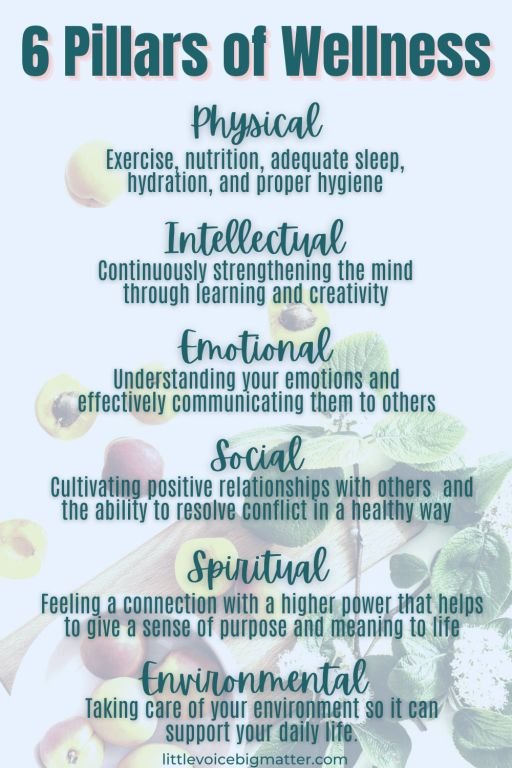
“How to Start a Simple Wellness Journey …” from littlevoicebigmatter.com and used with no modifications.
Frequently Asked Questions
As your aromatherapy practice develops, questions naturally arise about best practices, troubleshooting, and advanced techniques. These common inquiries reflect the learning curve most practitioners experience as they deepen their understanding of essential oil use. The answers provided here reflect both scientific research and practical experience from seasoned aromatherapists.
Remember that aromatherapy continues to evolve as new research emerges, so staying connected with reliable information sources like Mountain Rose Herbs’ educational materials helps ensure your practice remains both effective and safe. Their blog offers regularly updated content addressing seasonal applications, new research findings, and creative ways to enhance your aromatherapy experience. For those interested in the broader impact of natural supplements, exploring the benefits of omega-3 fatty acids can be an insightful addition to your wellness journey.
How long do essential oils typically last before expiring?
Essential oil shelf life varies significantly based on chemical composition and storage conditions. Citrus oils, with their high monoterpene content, typically last 1-2 years before oxidizing and developing off-notes or skin sensitization potential. Resinous oils like frankincense and myrrh can last 4-5 years when properly stored, while some base notes like patchouli actually improve with age, developing richer, more complex aromas over time. Extend shelf life by storing oils in amber glass bottles away from light, heat, and oxygen exposure—ideally in a cool, dark cabinet rather than bathroom or kitchen areas with temperature fluctuations. Adding vitamin E oil (tocopherol) as a natural preservative can further extend shelf life for carrier oil blends.
Can I use aromatherapy if I have allergies or asthma?
Individuals with respiratory sensitivities should approach aromatherapy with thoughtful caution rather than avoiding it entirely. Begin with gentle oils less likely to trigger reactions—lavender, frankincense, and copaiba typically offer good tolerance profiles even for sensitive individuals. Start with minimal exposure, perhaps placing a single drop on a tissue held near (not directly under) the nose, monitoring for any adverse response.
Diffusion methods matter significantly for those with respiratory concerns. Water-based diffusion dilutes oils substantially compared to nebulizing diffusers, making them safer starting points. Time-limited diffusion—perhaps 15-30 minutes rather than continuous operation—also reduces the risk of overwhelming sensitive systems. Completely avoid known triggers; for instance, someone with pine pollen allergies might react similarly to pine essential oil. Always have good ventilation available and discontinue use immediately if any breathing difficulty, headache, or discomfort develops. For those interested in understanding more about sensitive systems and their reactions, further research can be beneficial.
What’s the difference between essential oils and fragrance oils?
Essential oils are natural aromatic compounds extracted directly from plant materials through distillation, cold pressing, or solvent extraction. They contain dozens to hundreds of chemical constituents that evolved in plants for specific biological functions—from attracting pollinators to defending against pests. These complex natural chemistries create both the characteristic aromas and therapeutic properties that make essential oils valuable for wellness applications.
Fragrance oils (sometimes called “fragrance notes” or “perfume oils”), by contrast, are synthetic products designed to mimic natural scents or create entirely novel aromas. While some may contain partial natural components, most rely primarily on laboratory-created aromatic chemicals optimized for scent performance and stability rather than therapeutic benefit. These synthetic alternatives typically cost much less than true essential oils but lack the complex constituent profiles responsible for aromatherapy’s holistic effects. Mountain Rose Herbs offers only authentic essential oils, never synthetic fragrance substitutes, ensuring that customers receive genuine plant medicine rather than mere scent imitations.
How often should I use my aromatherapy products for best results?
Effective aromatherapy follows a “less is more” philosophy, with consistency mattering more than quantity. For diffusion, short sessions of 30-60 minutes provide optimal benefits, with at least 30-minute breaks between sessions to prevent olfactory fatigue and potential respiratory irritation. Daily application of properly diluted topical blends (typically 1-2% dilution for adults in daily use) supports cumulative benefits for skin concerns or localized discomfort. For acute situations like tension headaches or temporary stress, more frequent application may be appropriate—perhaps applying a temple roll-on hourly for several hours while monitoring results.
Can I make my own blends or should I stick to pre-formulated recipes?
Creating custom blends represents one of aromatherapy’s greatest joys and allows precise targeting of personal wellness needs. Begin with established recipes from reliable sources like Mountain Rose Herbs to understand fundamental blending principles, then gradually introduce variations based on your preferences and responses. Start simple with just 2-3 oils before attempting complex formulations, and keep detailed notes on ratios and results to refine your approach over time.
Understanding basic aromatic categories helps create balanced blends: top notes (citrus, mint) provide initial impact but evaporate quickly; middle notes (floral, spice) form the heart of a blend; and base notes (woods, resins) anchor the formula with lasting presence. A well-structured blend typically includes elements from each category in roughly a 3:2:1 ratio. As your confidence grows, intuitive blending becomes possible—creating formulations guided by both aromatic appeal and therapeutic intent that perfectly match your unique needs.
BestProductsForMen.org participates in affiliate programs, which means we may earn a commission if you click on a link and make a purchase. This comes at no additional cost to you. We only recommend products we personally trust, use, or believe will provide value to our readers.
Our goal is to provide honest, helpful reviews and recommendations so you can make informed decisions.
Leave a Reply to Ashwagandha Benefits for Stress & Cortisol Support Cancel reply