
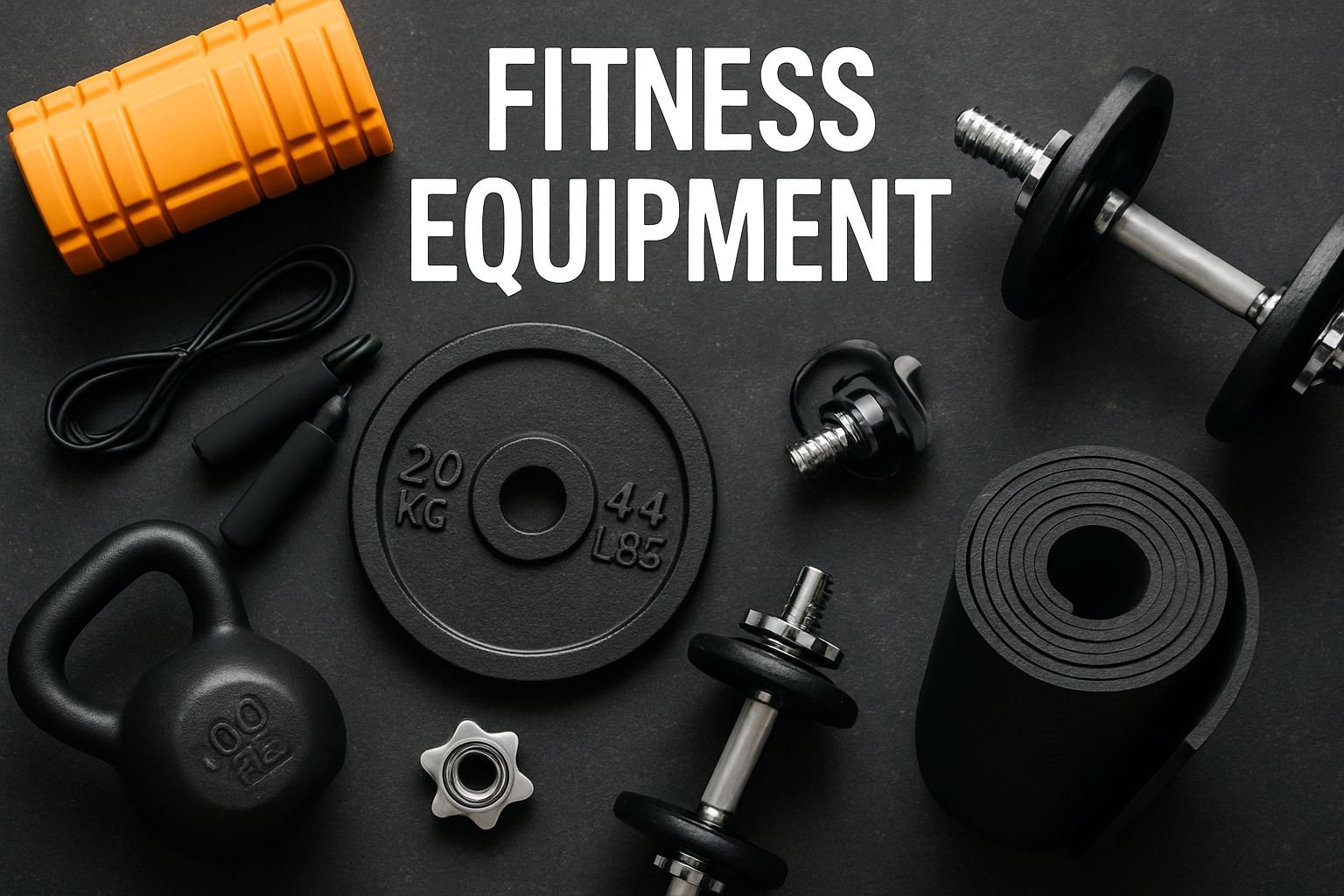
- Portable bench presses have earned overwhelmingly positive user feedback for their space-saving design, quick setup, and surprising stability — making them a legitimate training tool, not just a convenience item.
- Most models fold down to under 10 inches and can be stored under a bed, in a closet, or against a wall — a genuine game-changer for apartment dwellers and small-space lifters.
- The Marcy Folding Utility Bench SB-10100, KingSmith Tone Up Workout Station, and Rogue Fold-Up Utility Bench consistently top user satisfaction lists — each for different reasons covered in detail below.
- Portable benches are not ideal for maxing out heavy powerlifting loads — but for 80–90% of home gym users, they cover everything needed for real, consistent strength gains.
- One underrated insight from real users: removing the friction of getting to a gym is often the single biggest factor in long-term training consistency — and a portable bench does exactly that.
Article-At-A-Glance
| Topic | Quick Answer |
|---|---|
| Are they stable? | Yes, for moderate-to-heavy loads with proper setup |
| Best overall pick | Marcy Folding Utility Bench SB-10100 |
| Weight capacity range | 300–600+ lbs depending on model |
| Ideal user | Home gym lifters, beginners, small-space athletes |
| Setup time | 5–15 minutes, often less |
Portable bench presses have quietly become one of the most practical fitness investments for home gym lifters — and real user reviews prove it.
Skeptics assume that “portable” means flimsy, unstable, or limited. But the actual data from verified buyers tells a completely different story. Thousands of users across fitness communities report that a quality portable bench press doesn’t just hold up — it becomes the centerpiece of their entire home workout routine. The key word, though, is quality. Not every folding bench earns that kind of praise, which is exactly why breaking down real user experiences matters.
Portable Bench Presses Actually Deliver — Here—s the Proof
The gap between expectation and reality is where most fitness equipment fails. Portable bench presses are one of the rare exceptions where users consistently report that real-world performance meets — or exceeds — what was promised on the product page.
The Space-Saving Reality That Convinced Most Buyers
“This is the best weight bench I have used! It is a beautiful bench that is easy to move around and does not take up too much space. And it gives you full body workout options.”
— Tatiana K., Verywell Fit product tester
That quote captures what almost every satisfied buyer echoes: the space-saving reality is even better than advertised. Most portable benches fold down to a footprint small enough to slide under a standard bed frame or stand vertically in a closet corner. For anyone living in an apartment, a studio, or a home without a dedicated gym room, this is the feature that changes everything.
The FLYBIRD Adjustable Bench, for example, folds to roughly 16.5 x 14.5 x 9 inches when collapsed — small enough to tuck behind a couch. The Pasyou Adjustable Weight Bench similarly folds flat and stores vertically, freeing up floor space between sessions. These aren’t minor conveniences — for small-space lifters, they’re the reason a home gym is even possible.
Stability Concerns vs. Real-World Performance
The most common hesitation before buying a portable bench press is stability. It’s a fair concern — nobody wants a bench that rocks, shifts, or collapses mid-rep. What real users consistently find, however, is that modern folding benches use locking mechanisms, reinforced steel frames, and wide non-slip rubber feet that create a surprisingly solid base. The Rogue Fold-Up Utility Bench, in particular, receives repeated praise for feeling virtually indistinguishable from a fixed bench during use.
Why Consistency Goes Up When Friction Goes Down
Here’s the insight most buyers don’t expect: owning a portable bench press doesn’t just add convenience — it fundamentally changes training behavior. When a bench takes 8 seconds to unfold instead of a 20-minute commute to the gym, the psychological barrier to working out drops to near zero. Users across fitness forums repeatedly report training more frequently after switching to a home portable setup, simply because the excuse to skip is gone.
What Users Love Most About Portable Bench Presses
Beyond the headline benefits, real user reviews reveal a consistent pattern of specific features that drive the most satisfaction. These aren’t just marketing talking points — they’re the details that show up again and again in verified buyer feedback.
Foldability and Storage That Actually Works in Small Spaces
Foldability sounds simple until you’ve wrestled with a poorly designed hinge mechanism at 6 AM. What separates well-reviewed portable benches from frustrating ones is how intuitively they fold — and how securely they stay folded during storage. Top-rated models like the Bowflex 5.1S Stowable Bench feature a single-pull folding system that collapses the bench in one smooth motion, with a built-in wheel for rolling it to storage. Users in verified reviews specifically call out this design as the feature that keeps them actually using the bench rather than leaving it unfolded permanently.
Versatility Beyond the Bench Press
A strong majority of portable bench press users report using their bench for far more than chest work. Adjustable incline and decline positions unlock dumbbell shoulder presses, incline rows, step-ups, tricep dips, and decline crunches — effectively turning one compact piece of equipment into a full upper and lower body training station. The KingSmith Tone Up Workout Station takes this further, integrating resistance band attachments directly into the bench frame, replacing multiple pieces of equipment in one unit.
Setup Speed That Removes Every Excuse
Assembly anxiety is real, and fitness equipment companies have historically been terrible at addressing it. Portable bench presses have largely solved this problem. Most arrive 80–90% pre-assembled, requiring only basic hardware attachment before first use. The FLYBIRD Adjustable Bench, for instance, ships with the main frame fully assembled — users typically report being ready to train within 10 minutes of opening the box. That fast path from delivery to first rep is consistently cited as a major driver of user satisfaction.
Even for users who aren’t mechanically inclined, the locking mechanisms on quality portable benches are designed to be intuitive — usually a single lever or pin system that adjusts incline positions without tools. This matters because a bench that’s annoying to adjust is a bench that stays at one position forever, defeating the versatility advantage entirely.
The Most Common Complaints — And What They Really Mean
No fitness equipment is universally perfect, and portable bench presses have a specific set of recurring criticisms that show up in user reviews. Understanding what these complaints actually mean — versus what they signal about whether the bench is right for you — is the most useful way to approach them.
The pattern across negative reviews is revealing: most complaints aren’t about build quality or safety. They’re about expectation mismatches. Users who purchase a portable bench expecting a full commercial gym experience will be disappointed. Users who understand the trade-offs upfront are overwhelmingly satisfied.
Narrow Frame Width: Design Trade-Off or Deal Breaker?
Portable benches are narrower than standard fixed gym benches — that’s a deliberate design choice, not a defect. A standard Olympic bench is typically 10–12 inches wide, while most portable folding benches run 9–10 inches. For most lifters, this difference is imperceptible during use. For broader-shouldered lifters or those performing wide-grip movements, it can feel noticeable. The Fitness Reality 2000 Super Max XL Weight Bench addresses this with a slightly wider pad specifically designed for taller and broader users, earning specific praise from that demographic in user reviews.
The narrower frame also contributes directly to the weight savings and foldability that make portable benches practical in the first place. It’s a genuine trade-off — and for most users, it’s a trade-off worth making. If shoulder width during flat pressing is a major concern, testing a model in-store before purchasing is worth the extra step. For those interested in exploring outdoor fitness options, consider these singles hiking adventure ideas to complement your workout routine.
Ultimately, frame width is a deal-breaker only for a small subset of lifters. For the majority, it’s a non-issue after the first session, when real-world use overrides the mental comparison to a wider fixed bench.
- Standard gym bench width: 10–12 inches
- Most portable folding benches: 9–10 inches
- Fitness Reality 2000 Super Max XL: wider pad variant, designed for broader builds
- User consensus: noticeable in specs, rarely noticeable during actual lifting
Padding Thickness Across Budget vs. Mid-Range Models
Padding is where the price difference between budget and mid-range portable benches becomes most immediately obvious. Entry-level models in the $60–$100 range typically use 2-inch foam padding, which feels adequate for shorter sessions but can become uncomfortable during longer workouts or decline movements where body weight concentrates on a smaller surface area. Mid-range models — generally $150–$300 — step up to 2.5–3 inch high-density foam with vinyl or faux leather covers that resist tearing through repeated use, much like cruelty-free beard styling kits designed for durability.
The good news is that padding discomfort is one of the easiest complaints to solve. Users across multiple review platforms recommend a simple fix: a folded yoga mat or a dedicated bench pad placed over the surface adds meaningful cushioning without any permanent modification. That said, if comfort during long sessions is a priority from the start, spending the extra $50–$80 to move from budget to mid-range padding quality is worth it. The Pasyou Adjustable Weight Bench sits in that mid-range sweet spot, with a thicker pad that Verywell Fit product testers specifically called out as more comfortable than expected for the price point.
Weight Capacity Limits for Heavier Lifters
Weight capacity is the most practically important spec for any bench press user, and portable benches cover a wider range than most people expect. Budget models typically support 300–400 lbs combined user and load weight. Mid-range options like the Pasyou Adjustable Weight Bench push to 500 lbs, while heavy-duty portable options like the Fitness Reality 2000 Super Max XL reach 800 lbs capacity. For the majority of home gym lifters training with dumbbells and moderate barbell loads, even the 300 lb capacity models are more than sufficient. Where capacity becomes genuinely limiting is for experienced lifters moving heavy barbell loads — in that case, stepping up to a higher-rated model is a non-negotiable safety decision, not just a preference.
Top Portable Bench Press Picks Based on User Feedback
Real user feedback across verified purchase reviews, fitness tester evaluations, and community forums consistently surfaces the same handful of models as standout performers. These aren’t ranked by brand deals or sponsored placements — they’re ranked by what actual users report after months of real training.
Each pick below serves a different primary need, so the “best” option depends entirely on what matters most to your specific setup, body type, and training goals. Use the comparison table to quickly identify which model matches your priorities before diving into the full breakdown.
Best Overall: Marcy Folding Utility Bench SB-10100
The Marcy Folding Utility Bench SB-10100 earns its top spot through a combination of solid build quality, honest pricing, and versatility that outperforms its modest cost. It supports a 300 lb weight capacity, features a 3-position adjustable backrest, and folds flat for storage — all at a price point that sits comfortably below $100 for most buyers. The steel frame construction passes the wobble test that so many cheaper competitors fail, and the vinyl upholstery holds up to regular use without cracking or peeling prematurely. For more options, check out best weight benches available on the market.
Marcy Folding Utility Bench SB-10100 — At a Glance
For those interested in enhancing their home gym setup, the Fitbit biometrics tracking can complement your workout routine with the Marcy Folding Utility Bench SB-10100 by providing valuable insights into your fitness progress.
| Spec | Detail |
|---|---|
| Weight Capacity | 300 lbs |
| Adjustable Positions | 3-position backrest (flat, incline, military) |
| Folded Dimensions | Compact flat fold for under-bed or closet storage |
| Frame Material | Heavy-gauge steel |
| Padding | 2-inch vinyl-covered foam |
| Price Range | Under $100 |
| Best For | Budget-conscious beginners and moderate lifters |
Where the SB-10100 earns the most consistent praise is in its stability-to-price ratio. Users frequently note that it feels more solid than benches in a higher price bracket from competing brands, with non-slip rubber feet that grip most floor surfaces without shifting during pressing movements. That stability confidence is what separates a bench people use from a bench that ends up listed on Facebook Marketplace after three weeks.
The padding is honest for the price — functional but not luxurious. Users performing longer sessions or those with back sensitivity occasionally add a supplemental pad, but for most users it’s a non-issue. The 300 lb capacity is the one spec to check carefully: if your combined bodyweight plus dumbbell or barbell load approaches that number, stepping up to a higher-capacity model is the right call.
For anyone entering the home gym space for the first time, or anyone who simply needs a reliable, no-fuss portable bench at a fair price, the Marcy SB-10100 is the most defensible starting point in the category. It doesn’t try to do too much — and that focus is exactly what makes it work. For those looking to complement their home gym setup, consider adding adjustable kettlebells for a versatile workout experience.
Best for Full-Body Workouts: KingSmith Tone Up Workout Station
The KingSmith Tone Up Workout Station takes the portable bench concept further than any competitor by integrating resistance band attachment points directly into the bench frame. This single design decision transforms it from a pressing surface into a full upper and lower body training station — enabling rows, chest flyes, bicep curls, leg extensions, and shoulder work all from one compact unit. For lifters who want maximum exercise variety without stacking multiple pieces of equipment in a small space, the KingSmith is in a category of its own. It’s available directly through the KingSmith website and delivers on its “full body workout” promise in a way that users consistently validate in post-purchase reviews.
Best for Stability: Rogue Fold-Up Utility Bench
Rogue Fitness built its reputation on equipment that doesn’t compromise, and the Rogue Fold-Up Utility Bench carries that philosophy directly into the portable category. The frame is constructed from 2×3 inch 11-gauge steel — the same material standard found in Rogue’s fixed commercial benches — which explains why users consistently describe it as feeling indistinguishable from a permanent bench during use. It folds flat against a wall for storage, taking up roughly 6 inches of depth when stowed. For those interested in enhancing their workout routines, consider exploring adjustable kettlebells as a versatile addition to your fitness equipment.
The trade-off with the Rogue is cost and weight. It sits at a significantly higher price point than most portable competitors, and at approximately 68 lbs it’s heavier to move than folding benches designed for lighter portability. For serious lifters who want zero stability compromise and don’t mind the premium, it’s the only portable bench that truly replicates the fixed-bench experience. For casual home gym users, the price-to-need ratio tips toward a more affordable option.
Who Should Buy a Portable Bench Press
A portable bench press isn’t the right tool for every lifter — but for a specific set of users, it’s not just a good option, it’s the best option available at any price. The defining characteristic of the ideal portable bench buyer is someone for whom consistency and access matter more than maximum load capacity.
If your training centers on dumbbell work, bodyweight movements, resistance bands, or moderate barbell loads — and you want the ability to train on your schedule without commuting — a portable bench press covers everything you need without the footprint or cost of a fixed setup.
Apartment Dwellers and Small-Space Lifters
This is the primary use case that portable bench presses were designed to solve, and they solve it exceptionally well. A folding bench that collapses to under 10 inches wide and stores vertically makes a home gym viable in spaces that would otherwise rule it out entirely. Users in studio apartments, small condos, and shared living situations consistently report that a portable bench plus adjustable dumbbells gave them a complete training solution in a 6×6 foot footprint — with everything stored out of sight between sessions.
Beginners Who Need a Low-Barrier Entry Point
Starting a home gym is psychologically easier when the financial and spatial commitment feels manageable. A portable bench press — especially in the $80–$150 range — delivers a professional training tool without the permanence or cost of a full squat rack and fixed bench setup. For beginners, that lower barrier is exactly what drives follow-through, similar to how beard grooming kits for beginners under $50 offer an affordable entry into personal care routines.
Experienced fitness instructor Isabella B., NASM-CPT, notes that she recommends portable benches specifically for older adults and those with mobility considerations: “It’s very sturdy, it’s also super light, which makes it easy to carry from place to place.” That combination of stability and movability makes it genuinely accessible, not just theoretically convenient.
The beginner advantage goes beyond cost. When a bench can be unfolded in seconds and stored just as quickly, new lifters are far more likely to train consistently rather than skipping sessions because the setup feels like too much effort. That behavioral pattern — trained through repeated low-friction experiences — is how lasting fitness habits actually form.
Who Should Skip Portable Bench Presses
Portable bench presses are not the right call for competitive powerlifters or anyone whose primary goal is maxing out heavy barbell loads. A lifter regularly pressing 250+ lbs in barbell weight needs a fixed, bolted-down bench with a dedicated rack — the stability dynamics at extreme loads are simply different, and no folding mechanism changes that physics. If your training revolves around heavy compound barbell work at near-max loads, invest in a fixed bench and power rack combination instead.
Similarly, lifters who prioritize a luxury gym feel — thick commercial-grade padding, wide stable frames, premium upholstery — will find most portable benches fall short of that experience. The portability trade-offs in frame width and padding depth are real, even on premium folding models. If the sensory experience of training on high-end fixed equipment matters to your motivation, a portable bench will likely feel like a downgrade rather than a solution.
The Beginner Setup That Users Swear By
The most paralyzing mistake new home gym lifters make is overcomplicating the setup before they’ve even done their first session. Real user experiences across verified reviews point to the same conclusion: the simpler the starting setup, the faster the consistency builds.
What’s striking about the feedback from first-time portable bench press owners is how quickly they realize they needed far less equipment than they thought. The mental image of a home gym — packed with machines, racks, and specialized tools — rarely matches what actually produces results for most people training at home. For those interested in enhancing their fitness journey, understanding Fitbit biometrics tracking can provide valuable insights into their progress.
The Minimal Equipment Combination That Works
The setup that users consistently recommend as the most effective starting point is straightforward: a portable folding bench, a set of adjustable dumbbells, and a resistance band set. That combination — which fits in a standard closet when stored — covers chest press, incline press, shoulder press, rows, bicep curls, tricep extensions, lateral raises, and a full range of core work. The Marcy Folding Utility Bench SB-10100 paired with the Bowflex SelectTech 552 Adjustable Dumbbells is one of the most frequently cited combinations in home gym community discussions, specifically because both fold or compact down to near-zero footprint between sessions.
How Much Space You Actually Need
Less than you think. A portable bench in its unfolded training position occupies roughly 48 x 20 inches of floor space — about the size of a large yoga mat. Users consistently report training effectively in spare bedrooms, studio apartment living rooms, and even large walk-in closets. The 6×6 foot guideline that appears repeatedly in user setups gives enough room for the bench plus safe dumbbell movement in all directions without bumping walls or furniture.
The Real Reason Portable Benches Beat Gym Memberships for Most People
It comes down to one thing: friction. A gym membership requires commuting, parking, waiting for equipment, and structuring your day around operating hours. A portable bench press requires walking to your storage space, unfolding a bench, and starting your warmup. That difference in friction is not trivial — it’s the single biggest behavioral predictor of whether someone trains consistently or doesn’t. Research in habit formation consistently shows that reducing the steps between intention and action is more effective at driving behavior than motivation alone. A portable bench press removes nearly every step between deciding to work out and actually working out. That’s not a minor convenience — it’s a structural advantage that compounds over months and years of consistent training.
Frequently Asked Questions
The questions below reflect what real buyers ask most often before purchasing a portable bench press — and what they wish they’d known sooner. The answers are based on verified product specifications and documented user experiences across fitness review platforms.
If you’re still on the fence after reading through the full breakdown above, these answers address the specific doubts that tend to hold people back from making a decision they’d almost certainly be satisfied with.
Are Portable Bench Presses Stable Enough for Heavy Lifting?
Yes — with an important qualifier. For moderate-to-heavy dumbbell work and barbell loads within the bench’s rated weight capacity, quality portable bench presses are stable enough for safe, effective training. Models like the Rogue Fold-Up Utility Bench, built from 2×3 inch 11-gauge steel, deliver stability that is functionally indistinguishable from a fixed bench. Non-slip rubber feet, reinforced locking hinges, and low center-of-gravity frame designs on mid-range and premium models keep the bench grounded during dynamic pressing and rowing movements.
Where stability limitations become real is at extreme loads — specifically, lifters pressing 250+ lbs in barbell weight who require the absolute rigidity of a bolted-down commercial bench. For that level of loading, a fixed bench and power rack is the appropriate tool. For the overwhelming majority of home gym users, a quality portable bench is more than stable enough for every session they’ll actually program.
How Much Weight Can a Portable Bench Press Handle?
Weight capacity across portable bench press models spans a wider range than most buyers expect. The spec to check is always the combined user-plus-load weight limit, not just the bench’s structural frame rating. Here’s the breakdown by tier:
- Budget models ($60–$100): 300–400 lbs combined weight capacity — suitable for most beginners and intermediate dumbbell users
- Mid-range models ($150–$300): 500–600 lbs combined capacity — covers the majority of home gym barbell and dumbbell users; the Pasyou Adjustable Weight Bench sits at 500 lbs
- Heavy-duty portable models ($300+): 600–800+ lbs capacity — the Fitness Reality 2000 Super Max XL reaches 800 lbs, accommodating serious strength athletes
- Rogue Fold-Up Utility Bench: Commercial-grade capacity with a premium price point to match
Always calculate your combined weight before purchasing. Add your bodyweight to your maximum working load — the total should sit comfortably below the bench’s rated capacity, not at its ceiling. Operating a bench at or near its maximum rating introduces unnecessary risk and accelerates wear on locking mechanisms over time. For more details, check out best weight benches reviews.
If you’re between tiers, always size up. The cost difference between a 300 lb and 500 lb capacity bench is typically $50–$80 — a small investment compared to the safety and longevity benefit of operating well within a bench’s rated range.
Can You Build Real Muscle With a Portable Bench Press?
Absolutely. Muscle growth is driven by progressive overload, training consistency, and adequate recovery — none of which require a fixed commercial bench. A portable bench press that allows you to perform flat press, incline press, decline press, dumbbell rows, and shoulder press covers the primary movement patterns for complete upper body hypertrophy. Users who commit to progressive dumbbell training on a portable bench consistently report significant strength and muscle gains over 6–12 month periods. The equipment is not the limiting factor — adherence and programming are.
Are Portable Bench Presses Good for Beginners?
Portable bench presses are arguably better for beginners than full fixed setups, specifically because the lower barrier to entry drives higher consistency. A beginner who trains three times per week on a portable bench at home will outperform a beginner with a gym membership they use once a week because the commute feels like too much effort. The equipment itself is simple enough that beginners aren’t intimidated by setup or adjustment, and the versatility of adjustable incline positions means a single bench supports progressive exercise variety as fitness levels improve.
NASM-certified personal trainer Isabella B. specifically recommends portable benches for older adults and those with mobility considerations, noting the combination of sturdiness and light weight makes them genuinely practical for a wider range of users than standard fixed benches. That accessibility advantage is real at every fitness level — beginners included.
Do Portable Bench Presses Replace a Full Gym Setup?
For most home gym users, a portable bench press covers 80–90% of what a full gym provides — which is more than enough to achieve real, lasting fitness results. What it doesn’t replicate:
- Heavy barbell squatting — requires a squat rack, which is a separate purchase
- Cable machine movements — though resistance band attachments on models like the KingSmith Tone Up Workout Station partially address this
- Commercial-grade padding and wide fixed-bench feel — a deliberate trade-off for portability
- Max-load powerlifting setups — fixed benches within a dedicated power rack remain the standard for competitive lifters
What a portable bench press does replace completely is the need to leave your home to get a quality upper body workout. For the majority of people whose primary goals are building strength, improving body composition, and staying consistent with training, that coverage is everything that matters.
The honest answer is that “replacing a full gym” is the wrong frame entirely. The better question is whether a portable bench press gives you enough to reach your specific goals — and for most people, the answer is clearly yes. Pair it with adjustable dumbbells and a resistance band set, and the gap between home and gym narrows to nearly nothing.
If you’re ready to build a smarter, more consistent home training setup, KingSmith’s Tone Up Workout Station is one of the most complete portable bench solutions available — combining a full adjustable bench with integrated resistance band attachments in a single compact unit designed for exactly the kind of versatile, space-efficient training that real users swear by.
Portable bench presses sound like a great idea in theory. Lift at home, save space, and skip the hassle of going to a gym.
Leave a Reply