
BestProductsForMen.org participates in affiliate programs, which means we may earn a commission if you click on a link and make a purchase. This comes at no additional cost to you. We only recommend products we personally trust, use, or believe will provide value to our readers.
Our goal is to provide honest, helpful reviews and recommendations so you can make informed decisions.
Key Takeaways
- Antidepressants don’t change your core personality – they often help restore your true self by lifting the cloud of depression
- Introverted men may face unique challenges in recognizing and addressing depression symptoms due to societal expectations
- Research suggests introversion itself doesn’t cause depression, but certain aspects of introverted thinking patterns can increase vulnerability
- Effective depression management for introverts combines medication (when appropriate), therapy approaches that respect introvert needs, and solo self-care practices
- MindfulMentor.com offers specialized resources for introverted men navigating depression while honoring their natural temperament
Depression doesn’t care if you’re an introvert or an extrovert – but your personality type can significantly impact how you experience and manage it. For introverted men especially, separating mental health facts from fiction is crucial when considering treatment options.
Despite decades of research showing antidepressants’ effectiveness, misconceptions persist – particularly among men who already prefer to process emotions internally. At MindfulMentor.com, we’ve found that understanding the science behind depression and its treatments can be particularly empowering for introverted men who appreciate depth and clarity over quick fixes.
Let’s examine the truth behind common antidepressant myths and explore approaches to depression management that align with introverted temperaments rather than fighting against them.
Article-at-a-Glance
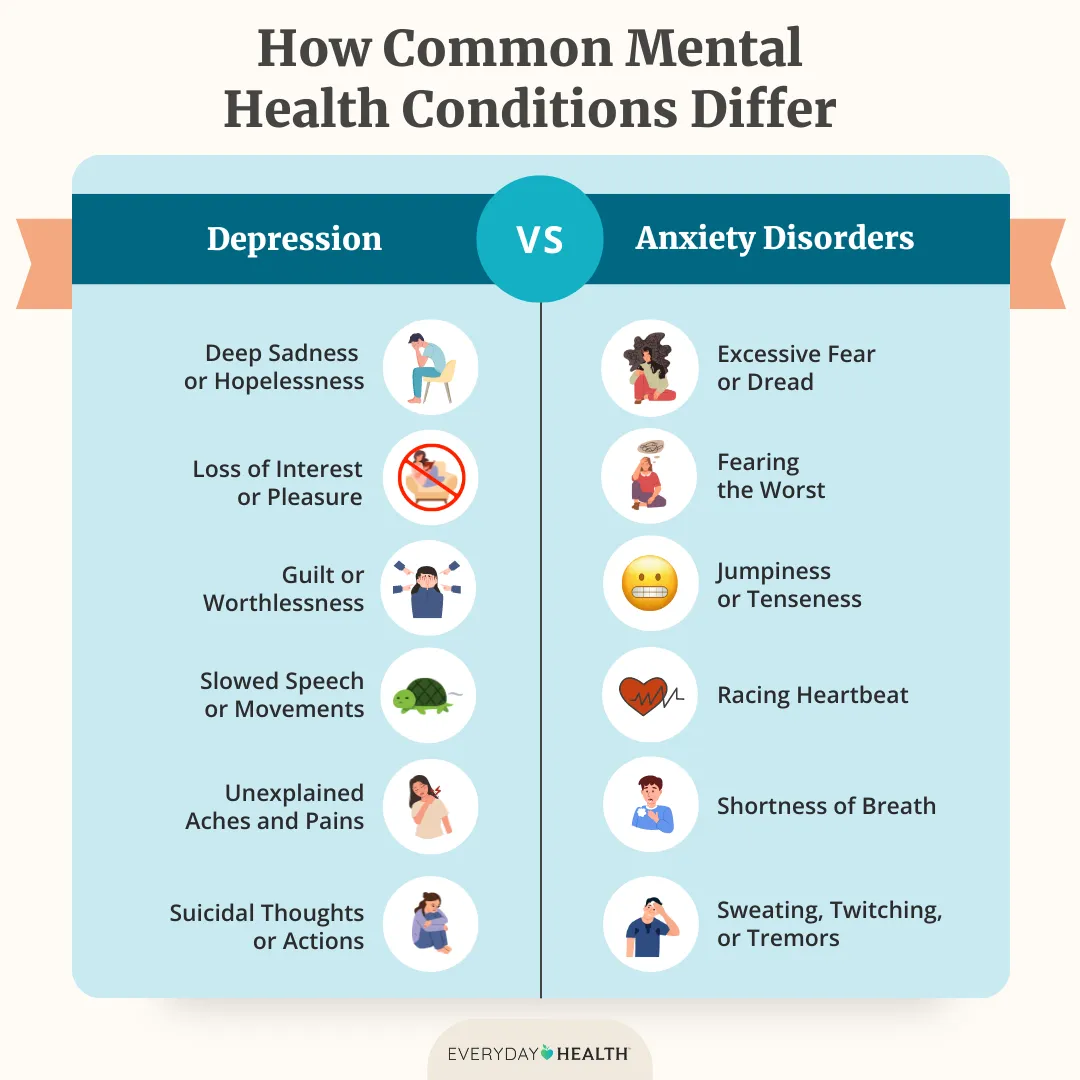
“Depression vs. Anxiety: What’s the …” from www.everydayhealth.com
Depression affects approximately 6 million American men annually, yet men are less likely than women to seek treatment. Introverts face additional barriers due to stigma, misinformation, and treatment approaches that sometimes feel at odds with their natural temperament. This guide addresses these challenges directly, providing evidence-based information tailored to introverted men’s needs and preferences.
Many introverted men report delaying treatment for years due to concerns about medication side effects or beliefs that they should handle depression independently. This hesitation often stems from misconceptions about what antidepressants actually do and how they work.
The journey to effective depression management begins by separating facts from fiction – especially for introverted men who typically prefer making informed decisions based on thorough understanding rather than pressure from others.
The Truth About Antidepressants: What Introverted Men Need to Know
Antidepressants are among the most researched medications in modern medicine, yet remain among the most misunderstood. For introverted men who value autonomy and self-knowledge, understanding exactly what these medications do – and don’t do – provides a foundation for making confident treatment decisions.
The primary function of antidepressants isn’t to create artificial happiness or change who you fundamentally are. Rather, they work to restore neurochemical balance, allowing your authentic self to reemerge from beneath depression’s heavy fog. Many men report feeling “more like myself again” rather than feeling like a different person altogether. For those interested in physical wellness as a complementary approach, exploring compact home gym kits might be beneficial.
Common Myths That Keep Introverted Men From Seeking Help
The intersection between male socialization, introvert traits, and mental health stigma creates a perfect storm of barriers to depression treatment. Addressing these myths directly can remove unnecessary obstacles to healing.
Myth #1: Antidepressants Will Change Your Core Personality
“Antidepressants: What They Are, Uses …” from my.clevelandclinic.org
Perhaps the most persistent concern among introverted men is that medication will fundamentally alter who they are. The research conclusively contradicts this fear. Antidepressants don’t transform introverts into extroverts or change your fundamental personality structure.
What these medications actually do is remove the distortions depression creates, allowing your authentic personality to function more naturally. Many introverted men report that successful treatment actually enhances their natural thoughtfulness and depth rather than diminishing these qualities. The quiet reflection and rich inner life that many introverts value become more enjoyable again, rather than being hijacked by depression’s negative thought patterns.
Myth #2: Taking Medication Means You’re Weak
The narrative that “real men” should power through depression without help remains surprisingly persistent. This myth can be particularly damaging for introverted men who may already feel pressure to conform to extroverted ideals in other areas of life. For those seeking tailored solutions, exploring cognitive behavioral therapy might offer a supportive path forward.
Consider this reframe: recognizing when you need medical intervention for depression demonstrates self-awareness and courage – qualities associated with genuine strength. Just as you wouldn’t consider it “weak” to treat diabetes with insulin or manage high blood pressure with medication, addressing the neurobiological aspects of depression with appropriate treatment represents responsible self-care, not weakness.
Myth #3: Antidepressants Are Addictive and Dangerous
Unlike substances that create dependency, properly prescribed antidepressants don’t produce cravings or addiction. While some medications may cause discontinuation symptoms if stopped abruptly, these effects differ substantially from addiction and can be minimized through proper tapering under medical supervision.
Myth #4: You’ll Need to Take Them Forever
Many introverted men avoid starting antidepressants due to concerns about indefinite medication use. While some individuals with recurrent depression benefit from longer-term treatment, many people take antidepressants for a defined period and then successfully discontinue them under medical supervision. Treatment duration varies widely based on individual factors including depression severity, previous episodes, and underlying causes.
Myth #5: Therapy Is Better Than Medication
This isn’t an either/or situation. Research consistently shows that for moderate to severe depression, the most effective approach often combines medication and therapy. For introverted men who prefer deep, meaningful conversations over small talk, many therapeutic approaches actually align well with introvert preferences. Cognitive-behavioral therapy, for instance, focuses on examining thought patterns in a structured way that many introverted men find comfortable and productive. Additionally, some may find solace in singles group travel meetups as a way to engage socially while maintaining personal comfort levels.
How Depression Actually Works in the Introverted Brain
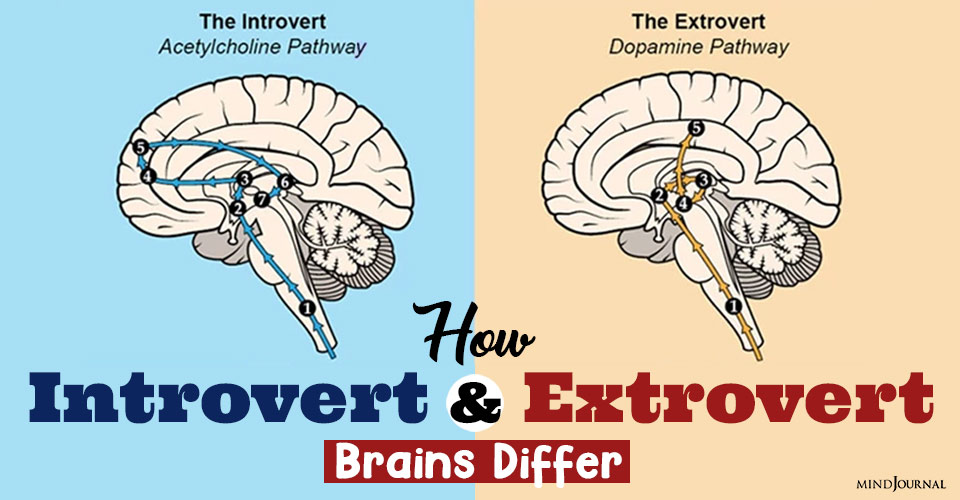
“Introvert And Extrovert Brains Differ …” from themindsjournal.com
Understanding depression’s neurobiological underpinnings can be particularly helpful for introverted men who tend to process information deeply and appreciate knowing the “why” behind recommendations. Depression involves complex interactions between neurotransmitters, stress hormones, inflammation pathways, and neural circuits – not simply a “chemical imbalance” as once oversimplified. For tailored solutions, consider exploring Cognitive Behavioral Therapy specifically designed for introverted men.
The Biological Basis of Depression
Depression emerges from disruptions in brain circuits regulating mood, reward processing, stress response, and emotional regulation. Research shows that prolonged stress can alter these circuits, affecting neurotransmitter function and even causing physical changes to brain structures. These biological changes explain why depression isn’t something you can simply “snap out of” through willpower alone – the brain’s regulatory systems themselves need support to restore healthy function. For tailored solutions, consider exploring cognitive behavioral therapy options.
Why Introverts May Be More Vulnerable to Depression
“Introverted Depression” from www.choosingtherapy.com
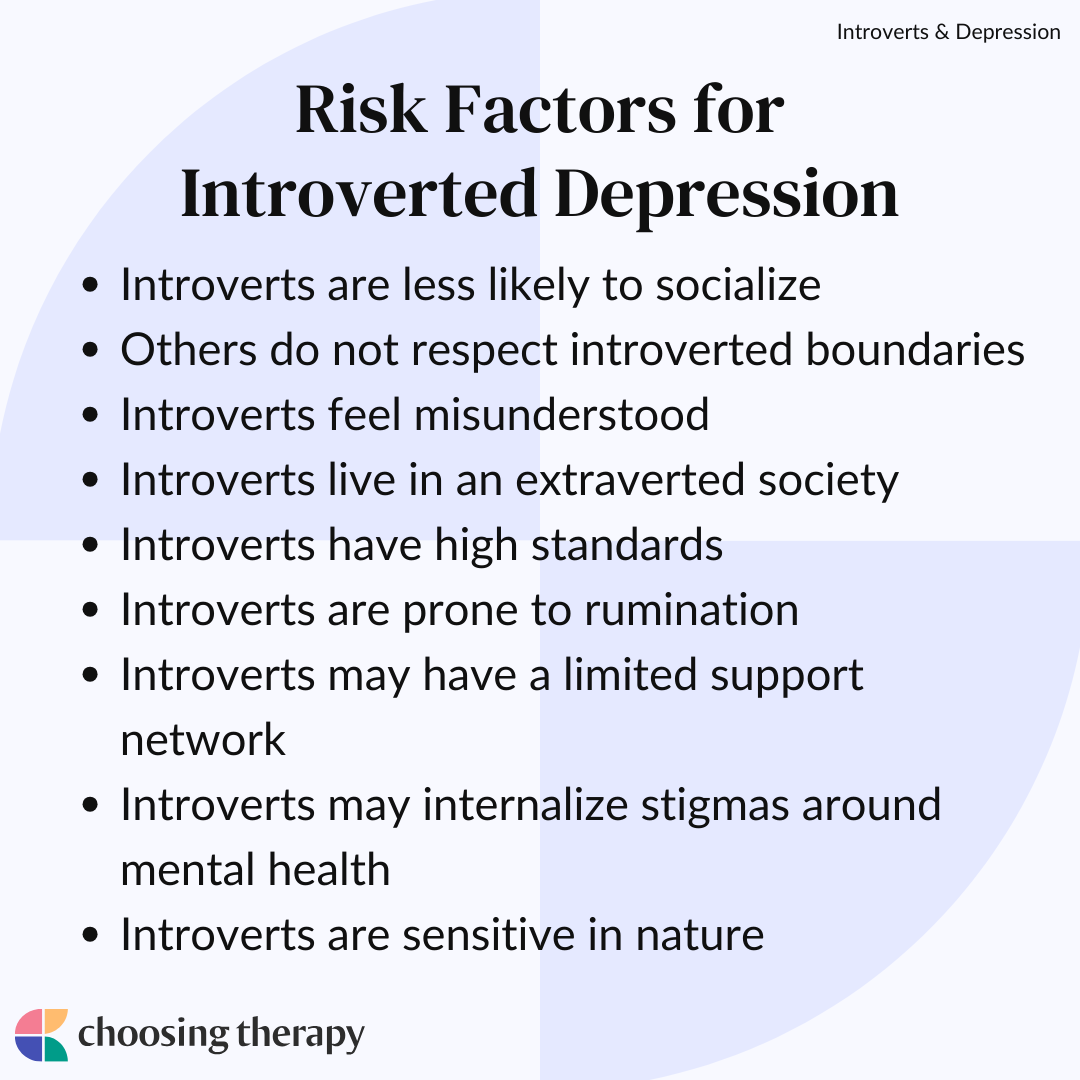
Research suggests introverts aren’t inherently more prone to depression, but certain thinking patterns more common in introverted individuals can increase vulnerability when combined with stress or difficult life events. Introverts tend toward deeper information processing and may engage in more rumination – repeatedly analyzing negative experiences in ways that can intensify and prolong distress. While reflective thinking is a strength in many contexts, when it becomes negatively focused, it can contribute to depression’s development.
Additionally, introverts generally find social interaction more energy-depleting than energizing. During difficult periods when social support is crucial, introverts might withdraw further, unintentionally removing potential protective factors against depression. Understanding these mechanisms allows introverted men to develop targeted strategies that work with their natural temperament rather than against it.
How Introversion Affects Depression Recognition
Many diagnostic criteria for depression focus on social withdrawal and reduced interest in activities – behaviors that can sometimes be misinterpreted as normal introversion. This can lead introverted men to dismiss legitimate depression symptoms as simply “being more introverted lately.” The key distinction lies in whether these behaviors represent a change from your normal baseline and whether they’re accompanied by persistent negative emotions and thoughts.
The Real Effects of Antidepressants
“The Pros and Cons of Antidepressants” from www.verywellmind.com
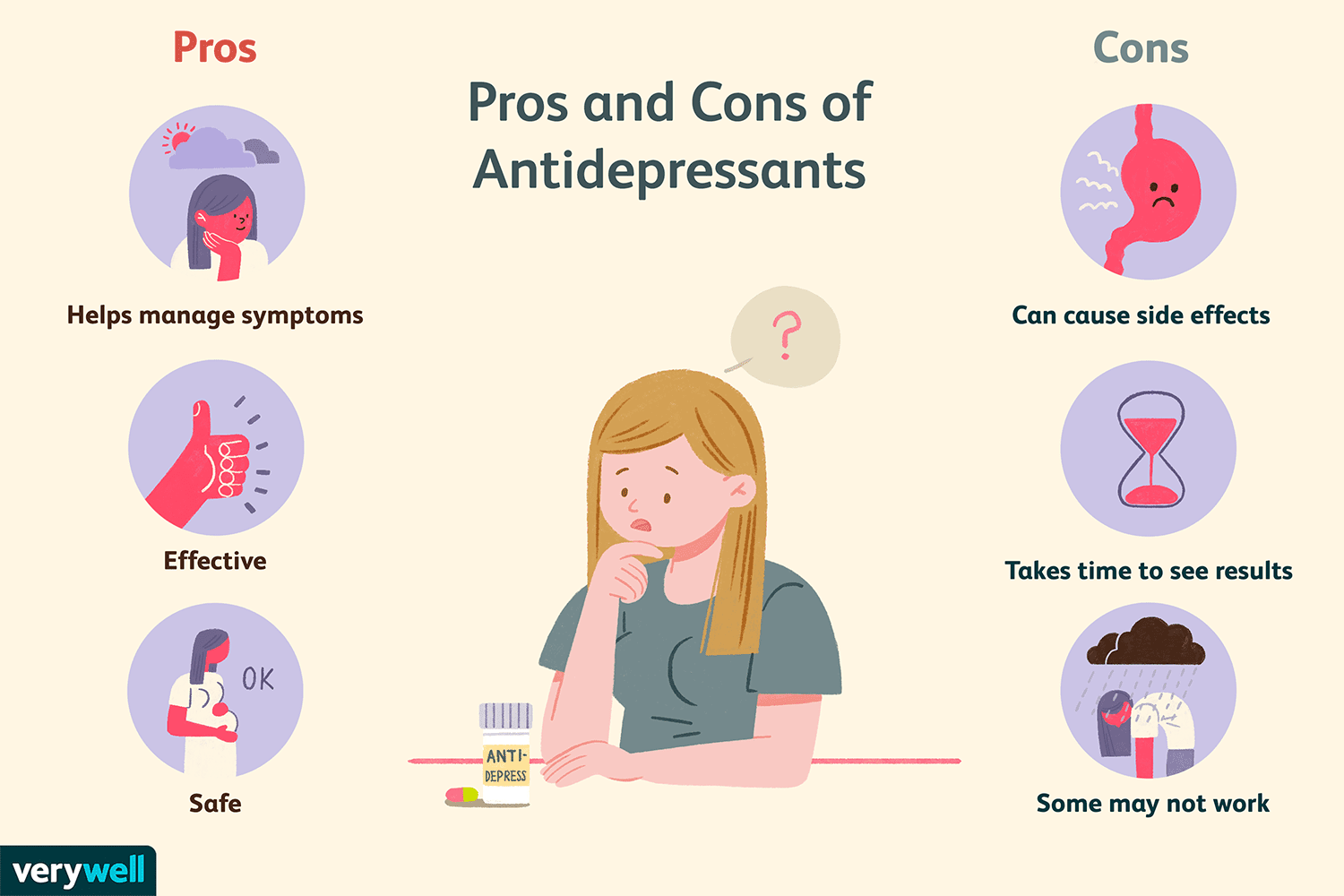
Understanding what antidepressants actually do in the brain can help dispel fears and set realistic expectations. These medications don’t create artificial happiness or fundamentally change who you are – they help restore normal functioning to brain systems dysregulated by depression.
What These Medications Actually Do
Different classes of antidepressants work through varying mechanisms, but most target neurotransmitter systems involved in mood regulation. Rather than simply “increasing serotonin” as sometimes claimed, these medications help normalize complex signaling networks. The goal is to restore your brain’s natural ability to regulate emotions and stress responses – not to induce an artificial state. This is why people don’t typically feel “high” on appropriately prescribed antidepressants; instead, they gradually regain their natural emotional range, including both positive and negative feelings.
Timeline: What to Expect When Starting Treatment
Antidepressants don’t work overnight, which can be frustrating when you’re suffering. Most people notice subtle improvements in sleep, appetite, or energy within 1-2 weeks, while mood benefits typically develop over 4-6 weeks. For introverted men who value careful observation, keeping a simple symptom journal can help track these gradual changes. Full benefit may take 8-12 weeks, and sometimes adjustments to dosage or medication type are needed to find the optimal approach. This gradual timeline actually represents a safety feature – medications that produced immediate mood changes would carry much higher risks for dependence and abuse.
Side Effects vs. Personality Changes
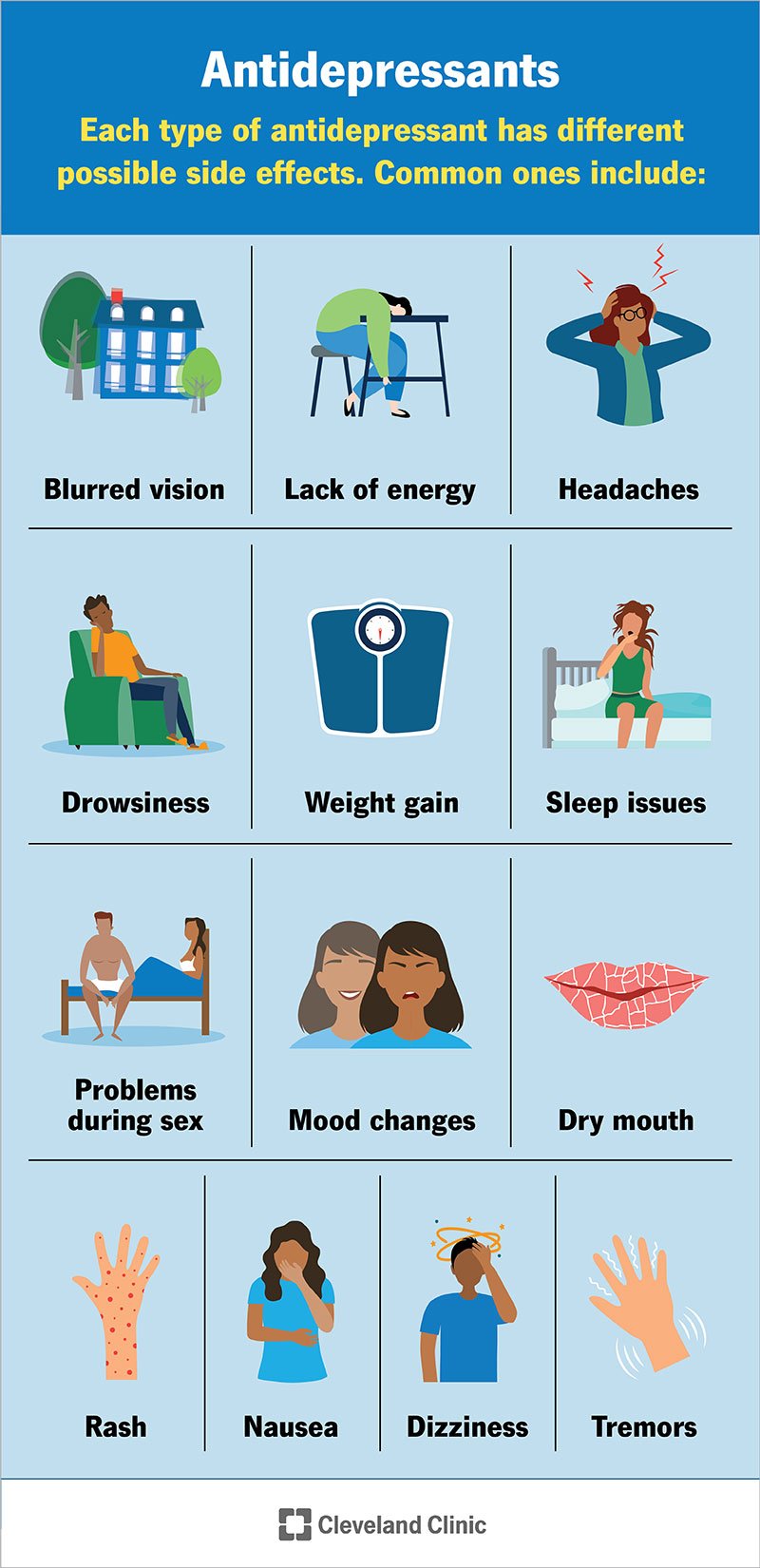
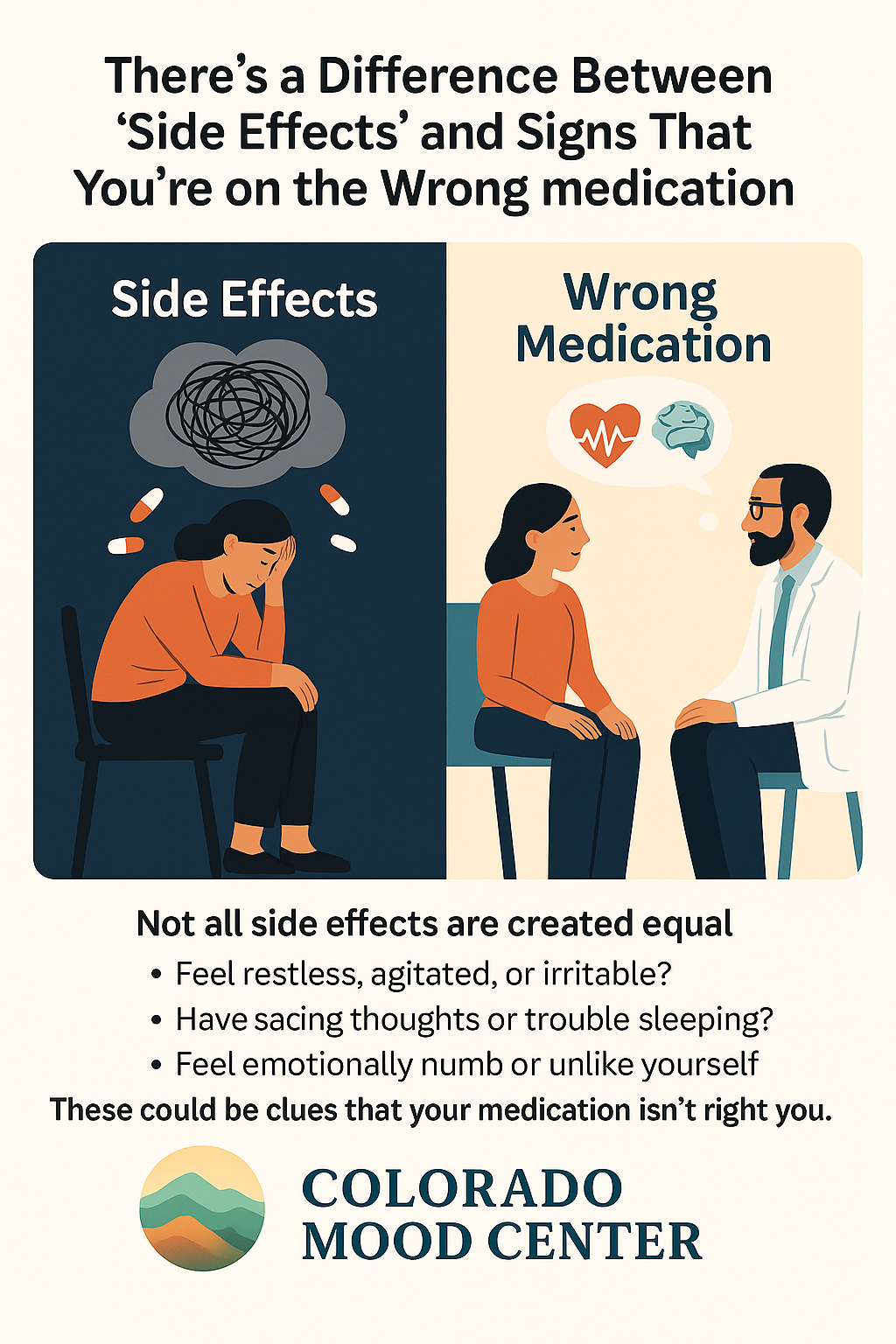
Temporary side effects like nausea, headaches, or sleep changes are common when starting antidepressants, but these typically resolve within a few weeks as your body adjusts. These physical adjustments are distinct from the myth of personality changes. Research consistently shows that effective treatment actually enhances authentic personality expression rather than altering it. For those looking to explore anxiety solutions, the Anxiovita solution is a first-to-market option worth considering.
One large-scale study published in the Journal of Affective Disorders found that successful antidepressant treatment was associated with decreased neuroticism and increased extraversion – but importantly, these changes represented a return to patients’ pre-depression baseline personality traits, not the creation of new personality characteristics. This finding aligns with what many introverted men report: successful treatment allows them to function better as the introverts they naturally are, rather than transforming them into extroverts.
Finding the Right Medication Match
The most effective antidepressant varies significantly between individuals based on genetic factors, depression subtype, and other personal characteristics. For introverted men who may require additional processing time for medical decisions, being prepared with questions before appointments can help ensure your concerns are addressed. Consider discussing potential side effects that might particularly affect aspects of life you value – such as cognitive clarity or energy for solitary pursuits.
Working with healthcare providers willing to adjust treatment based on your feedback is essential. A good provider should respect your need to understand treatment rationales and be willing to try different approaches if the first option isn’t effective or causes problematic side effects. For those dealing with anxiety alongside depression, exploring Anxiovita as a solution may be beneficial.
Depression Management Strategies Tailored for Introverts
“Depression Gifts, Coping Skills Cards …” from www.etsy.com
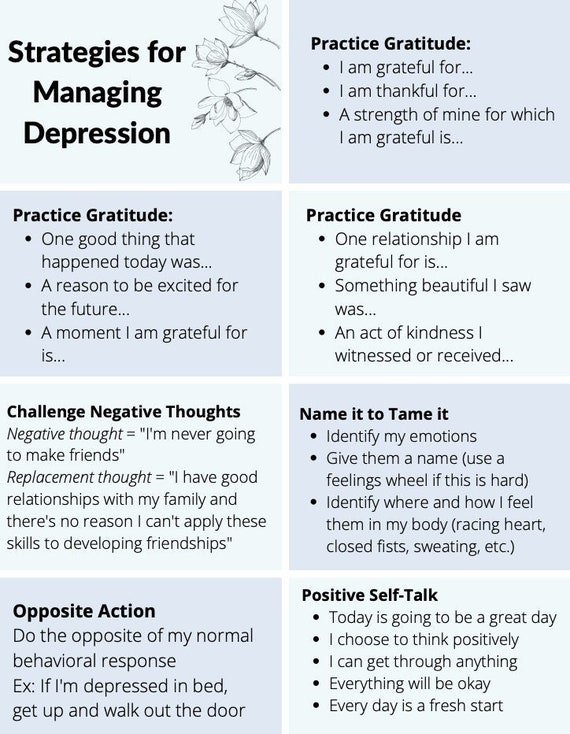
Effective depression management extends beyond medication to encompass various therapeutic and lifestyle approaches. For introverted men, strategies that honor your need for solitude while still providing sufficient support are particularly valuable. Exploring cognitive behavioral therapy tailored solutions can be a beneficial approach in managing depression effectively.
The goal isn’t to transform introverts into extroverts but to develop approaches that work with your natural temperament while addressing depression’s impact. Many introverted men find relief through a combination of carefully selected social connections, meaningful solitary activities, and therapeutic practices that respect their processing style.
1. Low-Pressure Ways to Discuss Mental Health With Your Doctor
Many introverted men find medical appointments anxiety-provoking, particularly when discussing mental health. Preparing written notes about symptoms, concerns, and questions beforehand can reduce on-the-spot pressure and ensure you communicate important information. Some doctors now offer email or secure messaging options for non-urgent follow-up questions, which many introverts find more comfortable than phone calls.
Consider bringing a trusted person to appointments if you struggle to advocate for yourself, or request longer appointment slots if available. Remember that healthcare providers need accurate information to help effectively – being honest about symptoms and medication adherence isn’t “complaining” but essential communication.
2. Solo Self-Care Practices That Actually Help
“What is self-care and how should you …” from coffeepresschs.com
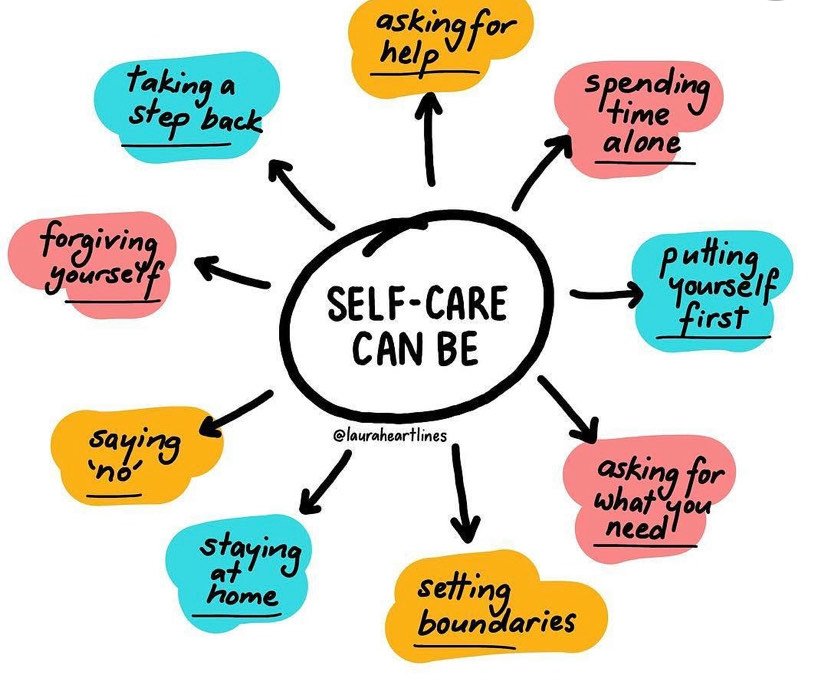
While social connection remains important, introverts often benefit tremendously from structured solitary practices that support mental health. Evidence-based activities like mindfulness meditation, journaling, and certain forms of exercise have been shown to complement other depression treatments. The key is consistency and intentionality – casual solo activities may provide temporary distraction but lack the cumulative benefit of regular practices specifically chosen for their mood-regulating effects.
For instance, a structured journaling practice focusing on cognitive reframing of negative thoughts can help counter rumination, while regular mindfulness practice can strengthen attention control and emotional regulation. These approaches leverage introverts’ natural tendency toward internal reflection while redirecting it in more constructive directions.
3. Building Support Without Draining Your Social Battery
Social support remains crucial for depression recovery, even for introverts. The difference lies in quality over quantity and finding connection formats that feel sustaining rather than depleting. Many introverted men benefit from one-on-one interactions with trusted individuals rather than group settings, or from structured activities with clear purposes rather than open-ended socializing.
Digital connections can also provide valuable support while respecting introvert preferences. Moderated online forums focused on depression management offer opportunities to both receive and provide support asynchronously, allowing time for processing and thoughtful response. Some men find it easier to initially discuss mental health challenges in writing rather than face-to-face conversations.
4. Creating Quiet Spaces for Recovery
Environmental factors significantly impact mental health, particularly for introverts who may be more sensitive to sensory stimulation. Creating dedicated spaces for restoration – whether a specific room, outdoor location, or even a comfortable corner – can provide crucial respite from overstimulation. These recovery zones should be associated with positive or neutral activities rather than rumination.
Setting boundaries around these spaces and times is equally important. Many introverted men find it challenging to communicate their needs for solitude without causing relationship friction. Learning to frame alone time as a health necessity rather than rejection of others can improve understanding among friends and family.
When and How to Consider Medication
Deciding whether medication is appropriate involves weighing several factors including depression severity, impact on functioning, previous response to non-medication approaches, and personal preferences. This decision belongs to you in consultation with healthcare providers, and should reflect your values and circumstances rather than external pressures. For more insights, consider reading about antidepressant myths debunked.
Signs Medication Might Be Right for You
“Blog 2 — Colorado Mood Center” from www.coloradomoodcenter.com
Consider antidepressant medication if you experience persistent symptoms lasting more than two weeks that significantly impact your functioning, particularly if accompanied by sleep disturbance, appetite changes, concentration problems, or thoughts of death. Medication may be especially beneficial if depression has recurred multiple times, runs in your family, or hasn’t responded adequately to therapy alone.
Physical symptoms of depression like persistent fatigue, unexplained pain, or digestive issues often respond well to appropriate medication, as do severe anxiety symptoms that commonly co-occur with depression. The presence of suicidal thoughts represents a medical emergency requiring immediate professional evaluation. For those seeking alternative approaches, Anxiovita offers a solution for managing anxiety symptoms effectively.
Conversation Starters for Doctor Visits
Beginning conversations about depression can feel overwhelming. Simple, direct language often works best: “I’ve been experiencing symptoms that might be depression, and I’d like to discuss treatment options.” Framing the discussion around specific symptoms and functional impacts rather than diagnostic labels can sometimes feel more comfortable.
Come prepared with notes about symptom duration, severity, patterns, and impacts on daily life. Mentioning any family history of depression or previous personal experiences with mental health treatment provides important context. If you have specific concerns about medication, stating these directly allows your provider to address them: “I’m concerned about potential side effects on my concentration, which is important for my work.”
What to Monitor Once You Start
Once beginning antidepressant treatment, track both improvement and side effects systematically. Many people find a simple daily rating system (1-10) for key symptoms helps identify patterns over time. Pay particular attention to sleep quality, energy levels, thought patterns, and any new physical symptoms. Regular, honest communication with your healthcare provider allows for timely adjustments if needed.
Beyond Medication: The Complete Treatment Picture
Effective depression management typically combines multiple approaches tailored to individual needs. For many introverted men, this comprehensive approach provides both immediate symptom relief and longer-term resilience against recurrence.
Research consistently shows that combining appropriate treatments yields better outcomes than single-approach strategies. The specific combination that works best varies between individuals, and finding your optimal approach may require some experimentation under professional guidance.
Therapy Approaches That Work Well for Introverted Men
Several evidence-based therapeutic approaches align particularly well with introvert preferences. Cognitive-behavioral therapy (CBT) offers a structured, problem-solving oriented framework that many analytical introverts find comfortable. Its focus on identifying and reshaping thought patterns addresses the rumination that often troubles introverted men with depression.
Acceptance and Commitment Therapy (ACT) combines mindfulness practices with clarification of personal values and committed action. This approach often resonates with introverts who value authenticity and meaningful pursuits. For those who prefer exploring issues in depth, psychodynamic therapy provides space for examining patterns rooted in past experiences.
Lifestyle Adjustments That Enhance Recovery
Certain lifestyle factors significantly impact depression management outcomes. Regular physical activity has shown effectiveness comparable to medication for mild to moderate depression, with particularly strong evidence for rhythmic activities like walking, swimming, or cycling. Sleep regulation represents another powerful intervention, as disrupted sleep both contributes to and results from depressive symptoms.
Nutrition increasingly appears important in depression management, with evidence supporting anti-inflammatory dietary patterns like the Mediterranean diet. For introverted men who enjoy research and structured approaches, working with healthcare providers to systematically address these lifestyle factors can provide both symptom relief and a sense of agency in the recovery process.
Digital Resources for Private Mental Health Management
Technology offers expanding options for managing mental health with varying degrees of privacy and interaction. Evidence-based mental health apps can provide structured approaches to cognitive reframing, mindfulness practice, and mood tracking. Some introverted men appreciate these tools as supplements to formal treatment or as initial steps toward addressing symptoms.
Teletherapy has dramatically increased accessibility, allowing participation from comfortable home environments and eliminating travel time. Online psychiatry services can provide medication management with similar convenience. When choosing digital resources, prioritize those with research support, clear privacy policies, and appropriate professional oversight.
Moving Forward: Life After Depression
Recovery from depression doesn’t mean never experiencing sadness or stress again, but rather developing resilience, self-awareness, and effective coping strategies. Many men report that working through depression ultimately led to greater self-understanding, more authentic relationships, and clearer alignment with personal values. The skills developed through effective depression treatment – emotional regulation, cognitive flexibility, self-compassion, and appropriate help-seeking – remain valuable throughout life’s challenges.
Frequently Asked Questions
Introverted men often have specific concerns about depression treatment that may go unaddressed in general medical discussions. Addressing these questions directly can help in making informed decisions aligned with your values and preferences.
The following questions represent those most commonly raised by introverted men considering or beginning depression treatment. Remember that individual responses to medication and therapy vary, and working closely with healthcare providers to find your optimal approach is essential.
While these answers provide general information, they don’t replace personalized medical advice. Depression treatment decisions should always involve consultation with qualified healthcare providers familiar with your specific situation.
Many men find it helpful to bring this list to healthcare appointments to ensure their specific concerns are addressed.
- Will the medication affect my ability to think deeply or creatively?
- How can I minimize unwanted social side effects of treatment?
- What if therapy feels too emotionally exposing for me?
- Can I continue my solitary hobbies and routines during treatment?
- How do I explain my need for alone time without seeming antisocial?
How long will I need to be on antidepressants?
Treatment duration varies significantly based on depression severity, number of previous episodes, underlying factors, and individual response. For first episodes of depression, doctors typically recommend continuing medication for 6-12 months after symptom improvement to prevent relapse. Those with recurrent depression or certain risk factors may benefit from longer-term treatment. The decision to continue or discontinue medication should always involve careful discussion with healthcare providers, and any discontinuation should involve gradual tapering rather than sudden stopping.
Will antidepressants affect my sex drive or performance?
Sexual side effects occur in roughly 40-65% of people taking certain antidepressants (particularly SSRIs), making this one of the most common concerns for men considering treatment. These effects may include reduced desire, delayed ejaculation, or difficulty achieving erection. For those seeking alternative ways to manage anxiety and depression, the Anxiovita solution might be worth exploring.
Strategies for Managing Sexual Side Effects
1. Timing medication doses away from sexual activity
2. Temporary dose reduction (under medical supervision)
3. Adding medications that counteract sexual side effects
4. Switching to antidepressants with lower rates of sexual side effects (bupropion, mirtazapine, vortioxetine)
5. Taking scheduled medication breaks (under careful medical supervision)
Being direct with your healthcare provider about these concerns is important, as many effective management strategies exist. Most providers have extensive experience addressing these common side effects and can help find approaches that maintain depression treatment while preserving sexual function.
Remember that depression itself often reduces sexual interest and function, so effective treatment sometimes improves sexual wellbeing despite medication side effects. The goal is finding the best balance between symptom management and quality of life.
Can I still drink alcohol while taking antidepressants?
Alcohol generally isn’t recommended during antidepressant treatment for several reasons. It can worsen depression symptoms, reduce medication effectiveness, increase side effects, and impair judgment about medication adherence. Some antidepressants (particularly MAOIs) have dangerous interactions with alcohol. If you do choose to drink, extreme moderation is advisable, and being honest with your healthcare provider about alcohol use allows for appropriate monitoring and guidance.
What if the first antidepressant I try doesn’t work?
Finding the right medication often requires some trial and error. If your first antidepressant doesn’t provide adequate relief after 6-8 weeks at an appropriate dose, don’t lose hope. About 30-40% of people don’t respond adequately to their first antidepressant, but many find relief with subsequent options. For those exploring alternatives, consider the Anxiovita solution for anxiety as a potential option.
Your doctor might recommend increasing the dose, adding a second medication, or switching to a different antidepressant class. Each adjustment provides valuable information about your specific response patterns, gradually narrowing down to more effective options.
Some doctors now offer pharmacogenetic testing to help guide medication selection based on your genetic profile, though this approach remains somewhat controversial regarding its clinical utility. If multiple medication trials haven’t provided relief, other approaches like TMS (Transcranial Magnetic Stimulation), ECT (Electroconvulsive Therapy), or ketamine therapy might be considered for treatment-resistant depression.
- Document specific effects and side effects to help guide adjustments
- Be patient but not passive – appropriate treatment should show some benefit within 4-6 weeks
- Consider combination approaches if single medications provide partial relief
- Ask about referral to a psychiatrist if primary care management isn’t providing relief
- Remember that treatment resistance often requires more comprehensive approaches addressing multiple factors
How do I know if I have depression or I’m just going through a rough patch?
The primary distinctions lie in symptom duration, severity, and impact on functioning. Normal responses to difficult life events typically improve gradually as the situation resolves or as you adapt, while depression tends to persist regardless of circumstances and often seems disproportionate to external triggers. For those struggling with anxiety as well, you might find the Anxiovita solution for anxiety to be a helpful resource.
Depression typically affects multiple life domains simultaneously – sleep, appetite, energy, concentration, motivation, and mood – rather than just causing sadness. Physical symptoms like persistent fatigue, unexplained pain, or digestive issues often accompany depression but aren’t typical of normal stress responses. The presence of hopelessness, worthlessness, or thoughts about death suggests depression rather than temporary distress.
When in doubt, professional evaluation provides clarity and appropriate support. Many men find that completing standardized screening tools like the PHQ-9 (available online) helps objectively assess symptom patterns before seeking formal evaluation. Remember that early intervention typically leads to faster recovery and prevents symptoms from becoming entrenched.
At MindfulMentor.com, we’re committed to providing introverted men with the resources and support needed to manage depression effectively while honoring their natural temperament.
Depression can be particularly challenging for introverted men, who may find it difficult to express their feelings or seek help. Understanding the unique needs of introverted individuals is crucial in managing their mental health effectively. One effective approach is Cognitive Behavioral Therapy, which can be tailored to help introverted men cope with depression by addressing negative thought patterns and encouraging positive behavioral changes.
BestProductsForMen.org participates in affiliate programs, which means we may earn a commission if you click on a link and make a purchase. This comes at no additional cost to you. We only recommend products we personally trust, use, or believe will provide value to our readers.
Our goal is to provide honest, helpful reviews and recommendations so you can make informed decisions.
Leave a Reply