
BestProductsForMen.org participates in affiliate programs, which means we may earn a commission if you click on a link and make a purchase. This comes at no additional cost to you. We only recommend products we personally trust, use, or believe will provide value to our readers.
Our goal is to provide honest, helpful reviews and recommendations so you can make informed decisions.
For introverts dealing with depression, the gym isn’t just inconvenient — it’s an energy war they didn’t sign up for.
Resistance bands offer something most fitness tools don’t: a genuinely private, low-pressure way to rebuild both physical strength and mental resilience without stepping foot outside. Understanding how to use movement as a mental health tool is exactly the kind of quiet, practical knowledge that changes things for introverts who are done waiting to feel motivated.
Quick Wins: What This Article Covers
- Why depression makes traditional exercise feel impossible — and how resistance bands lower that barrier
- The real mental health benefits of resistance training, backed by research
- Why introverts specifically get more out of home-based training than gym environments
- A ready-to-use 10-minute resistance band routine built for low-motivation days
- What resistance bands can and can’t do for depression — and why that distinction matters
Depression Makes Starting Hard — Here’s Why Bands Fix That
Depression doesn’t just affect mood. It physically increases the mental cost of starting anything. Psychologists call this behavioral activation deficit — where the brain’s reward system becomes so blunted that even small actions feel like enormous tasks. This is why telling a depressed person to “just go to the gym” is about as useful as telling someone with a broken leg to “just walk it off.”
The barrier isn’t laziness. It’s neurological. And the solution isn’t more motivation — it’s less friction.
Why Resistance Bands for Depression Actually Work
How Depression Raises the Mental Cost of Exercise
“Benefits of Exercise on Mental Health …” from www.mygoodbrain.org
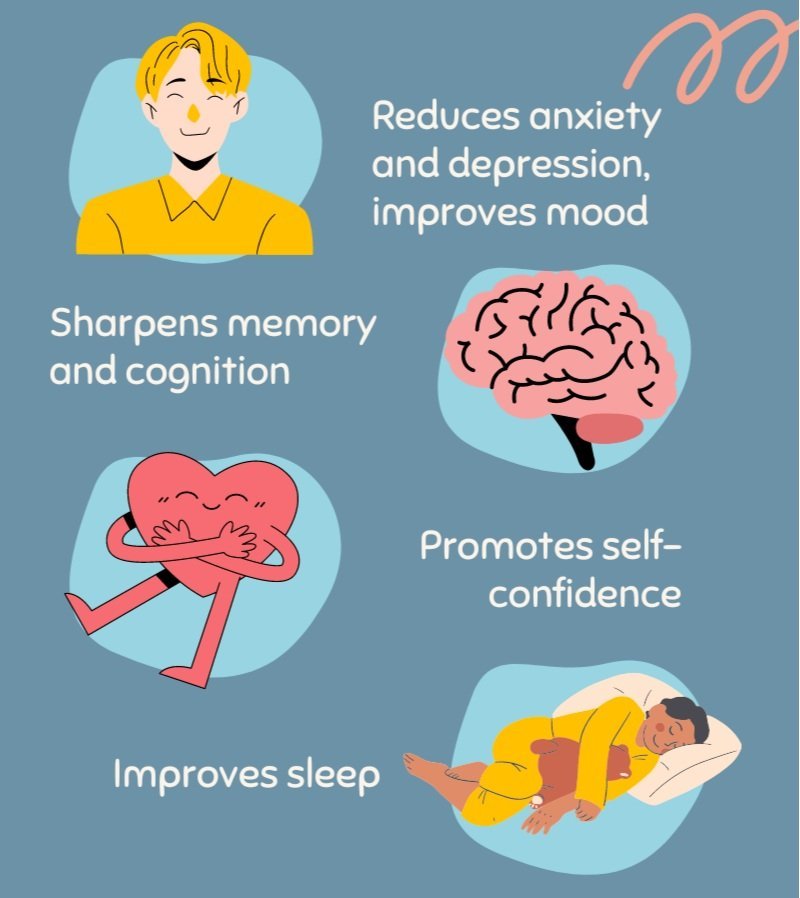
When depression is active, the prefrontal cortex — the part of the brain responsible for planning and decision-making — operates at reduced capacity. Every step of a gym visit becomes its own mental obstacle: finding gym clothes, driving, parking, navigating a crowded space, performing in front of strangers. For an introvert already running on depleted social energy, that chain of micro-decisions can make the whole thing feel completely out of reach before a single rep is performed.
Research published in JAMA Psychiatry confirmed that even low-intensity physical activity significantly reduces depressive symptoms — but only when people actually do it. Accessibility isn’t a luxury preference. It’s the difference between whether exercise happens at all.
Why Low-Friction Tools Beat High-Effort Gym Setups
Resistance bands live under a bed, hang on a door handle, or sit in a desk drawer. There’s no commute, no membership fee, no audience. The entire setup takes under 30 seconds. That might sound trivial, but for someone managing depression, removing every unnecessary step between “thinking about exercising” and “actually exercising” is everything. Low friction isn’t about being lazy — it’s about engineering success into the situation rather than relying on willpower that depression actively depletes.
The Science Behind Small Wins and Momentum
Behavioral psychology research consistently shows that small, completed actions rebuild the brain’s sense of agency — the feeling that your choices actually produce results. This matters enormously in depression, where the dominant internal experience is helplessness. Finishing even a five-minute resistance band session creates a concrete, real win. Over time, those wins stack. The brain begins to relearn that effort produces outcomes, which is one of the core psychological shifts needed to break a depressive episode.
Mental Health Benefits of Resistance Band Training
“Strength Training and Mental Health: 8 …” from www.strengthlog.com
Resistance training is no longer just a physical fitness tool. A growing body of clinical research has repositioned it as a serious mental health intervention. A landmark meta-analysis published in JAMA Psychiatry in 2018 analyzed 33 randomized controlled trials and found that resistance exercise training significantly reduced depressive symptoms across populations — regardless of health status, age, or how much weight was lifted.
What makes that finding especially relevant for introverts is that the mental health benefits showed up whether the training was done at a gym or independently. Environment didn’t change the neurochemical outcome. That means the private, quiet, at-home resistance band session delivers the same mood-shifting biology as a fully equipped gym workout.
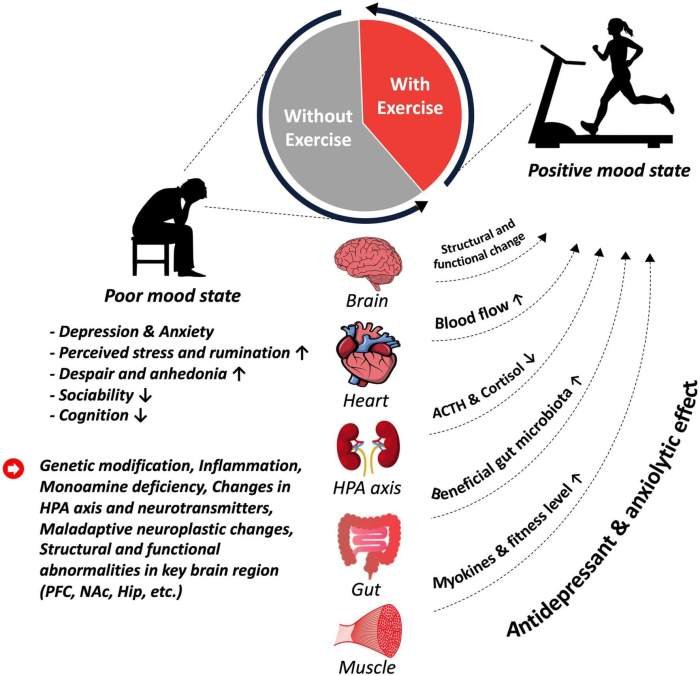
The mechanism isn’t magic. Resistance training triggers the release of brain-derived neurotrophic factor (BDNF), a protein that promotes the growth and repair of neurons. It also raises serotonin and dopamine levels — the same neurotransmitters that antidepressant medications target. Physical movement is essentially a biological lever for mood, and resistance bands give you direct access to that lever without leaving your living room.
Key Research Snapshot: A 2018 meta-analysis in JAMA Psychiatry covering 33 randomized controlled trials found that resistance exercise training was associated with a significant reduction in depressive symptoms. The effect was present regardless of training volume, setting, or baseline fitness level.
Resistance Training Reduces Depression Symptoms
The evidence here is direct. Resistance training — even at modest volumes — measurably reduces symptoms of depression. The JAMA Psychiatry meta-analysis found that lower-volume resistance training programs (less than or equal to 3 days per week) actually produced larger effect sizes than higher-volume programs, which is promising news for anyone starting from a low baseline. You don’t need to train hard. You need to train consistently.
How Physical Movement Interrupts Negative Thought Loops
Depression feeds on rumination — the mental habit of replaying negative thoughts in loops. Physical movement, particularly movement that requires some degree of focus on form and breathing, acts as a pattern interrupt. When your brain is tracking how a resistance band feels through a row or managing the tension of a squat, it genuinely cannot maintain the same depth of rumination simultaneously. The activity becomes a form of active, embodied mindfulness without requiring you to meditate or sit still.
Building Confidence Without Social Pressure
For introverts, one of the silent drains of gym environments is performance anxiety — the constant low-level awareness of being seen, judged, or compared. That anxiety doesn’t just feel uncomfortable; it actively undermines the psychological benefit exercise is supposed to deliver. Training privately with resistance bands removes that variable entirely.
| Training Environment | Social Pressure | Setup Time | Cost | Introvert-Friendly |
|---|---|---|---|---|
| Commercial Gym | High | 30–60 min (commute included) | $30–$80/month | Low |
| Home Weights Setup | None | 5–10 min | $200–$500+ | High |
| Resistance Bands at Home | None | Under 1 min | $15–$50 one-time | Very High |
Progress made in private is still real progress. And in many cases, it’s more sustainable progress, because there’s no social exhaustion layered on top of the physical effort. Confidence built in a private environment is genuine — it comes from what the body can actually do, not from how it compares to the person on the next bench. For more insights on this topic, explore how resistance band workouts can improve mental health.
The Mood-Posture Connection Backed by Research
“Posture affects memory recall and mood …” from peperperspective.com
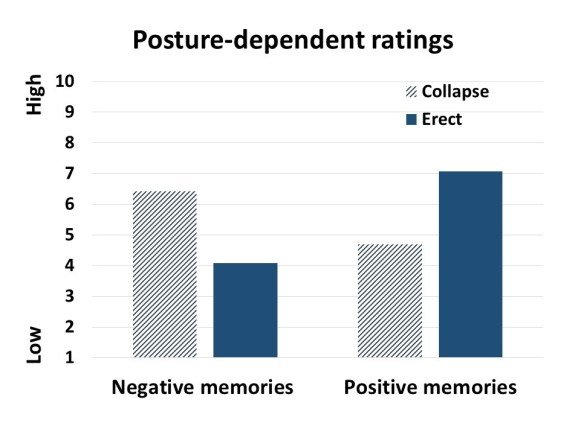
Resistance band training, particularly exercises targeting the upper back and posterior chain, directly improves posture. This matters more than most people realize. Research published in Health Psychology found that upright posture during stress led to higher self-esteem, more positive mood, and greater persistence compared to a slumped posture. Depression and slumped posture are tightly linked — each reinforces the other. Strengthening the muscles that pull the shoulders back and lift the chest doesn’t just make you look more confident. It actively signals safety and competence to the brain.
Why Introverts Specifically Benefit From Home-Based Resistance Training
Introversion isn’t shyness and it isn’t social anxiety — though it can overlap with both. At its core, introversion means that social interaction costs energy rather than generates it. After spending time around people, introverts need solitude to recover. That’s not a flaw in wiring. It’s simply a different energy economy.
The problem is that most mainstream fitness culture was designed by and for extroverts. Group classes, gym buddies, open workout floors, loud music, and social accountability systems all assume that social energy is a motivator. For introverts — especially depressed introverts — that assumption creates a fitness environment that feels fundamentally hostile before the first set is even loaded.
Training Alone Removes Social Energy Drain
When an introvert trains at home with resistance bands, the entire social energy budget stays intact. There’s no performance, no small talk, no navigating the unspoken etiquette of shared gym equipment. The workout is purely between the person and the work. That distinction isn’t minor — it’s the difference between exercise that costs extra energy and exercise that actually restores it.
This is especially significant for introverts who already have demanding social lives at work or in their families. Adding a gym environment on top of that isn’t recovery — it’s another withdrawal from an already strained account. Home resistance band training deposits back into that account instead.
Full Control Over Environment Reduces Anxiety
- Choose your own music — or train in complete silence
- Control the room temperature, lighting, and pace
- Pause mid-set without social consequence
- Wear whatever is comfortable without judgment
- Stop immediately if anxiety spikes — no explanations needed
For introverts managing anxiety alongside depression, environmental control isn’t a luxury — it’s a genuine therapeutic variable. Research on anxiety consistently shows that perceived control over one’s environment directly reduces physiological stress responses. When the nervous system feels safe, the body can actually do the work of recovering. For those interested in additional methods to manage stress, exploring ashwagandha benefits might be beneficial.
Resistance bands make that control total. There’s no gym manager, no class schedule, no rule about which equipment you’re allowed to use or how long you can occupy a station. The entire training environment is customized to what actually works for the individual nervous system in that specific moment.
That level of autonomy creates a feedback loop that compounds over time. Each session in a controlled, low-threat environment reinforces that exercise is a safe and restorative activity — not a socially exhausting performance. That’s a profound reframe for introverts who’ve avoided fitness spaces precisely because they felt unsafe or unwelcoming.
Over weeks and months, this compounds into something genuinely powerful: a personal space where physical effort and mental recovery happen simultaneously, on your terms, at your pace, without the social overhead that makes most fitness solutions unsustainable for introverted personalities.
Physical Benefits That Directly Improve Mental State
The mind-body connection in depression runs deeper than most people expect. Physical improvements — stronger muscles, better posture, more energy — don’t just make the body feel better. They send direct signals to the brain that things are changing, which is one of the most important psychological experiences a depressed person can have. Resistance bands deliver those physical improvements efficiently, even at very low training volumes.
Full-Body Strength Gains With Minimal Equipment
A single set of resistance bands with varying tension levels — such as the Fit Simplify Resistance Loop Exercise Bands or the Black Mountain Products Resistance Band Set — can effectively train every major muscle group in the body. Upper back, chest, shoulders, glutes, hamstrings, biceps, and triceps are all accessible with basic band anchoring techniques. Research published in the Journal of Human Kinetics confirmed that resistance band training produces comparable muscle activation to free weight training for most compound movement patterns. The strength gains are real, and for a depressed introvert, real physical change is real evidence that effort produces results.
Posture Correction and Its Effect on Mood
Resistance bands are particularly effective at targeting the posterior chain — the muscles running along the back of the body that are chronically underactivated in people who sit for long periods. Band pull-aparts, face pulls, and banded rows directly strengthen the rhomboids, rear deltoids, and mid-trapezius muscles responsible for pulling the shoulders back into a healthy position. As mentioned earlier, improved posture has a documented effect on mood and self-perception. This physical benefit doubles as a mental health intervention every time it’s trained.
Joint-Friendly Resistance for Injury Recovery
Unlike free weights, resistance bands provide accommodating resistance — meaning the tension increases as the band stretches, which typically corresponds to the part of the movement where the joint is in its strongest and most stable position. This makes bands significantly gentler on joints than barbell or dumbbell equivalents. For introverts who’ve been sedentary during a depressive episode and are returning to movement after weeks or months of inactivity, this joint-friendly quality dramatically reduces the risk of injury that would otherwise interrupt the momentum they’re trying to build. For those looking to start, here are some resistance band exercises to try.
Improved Energy Levels Through Consistent Movement
One of depression’s cruelest paradoxes is that it drains energy while simultaneously making rest feel unsatisfying. Sleep doesn’t fully restore. Stillness doesn’t fully recover. But consistent low-to-moderate physical activity has been shown to improve both sleep quality and daytime energy levels — even in clinically depressed populations. The mechanism involves regulation of the hypothalamic-pituitary-adrenal (HPA) axis, which governs the body’s stress response and circadian rhythm. Resistance training helps recalibrate that system over time.
For introverts, this energy recovery is especially meaningful because it replenishes the reserves they need for both social functioning and inner life — the reading, thinking, creating, and reflecting that sustain introverted wellbeing. When depression steals that energy, it doesn’t just affect mood. It cuts off access to the very activities that make an introvert feel like themselves. Rebuilding physical energy through resistance training is, in a very real sense, rebuilding access to one’s own inner world.
The Best Resistance Band Exercises for Depressed Introverts
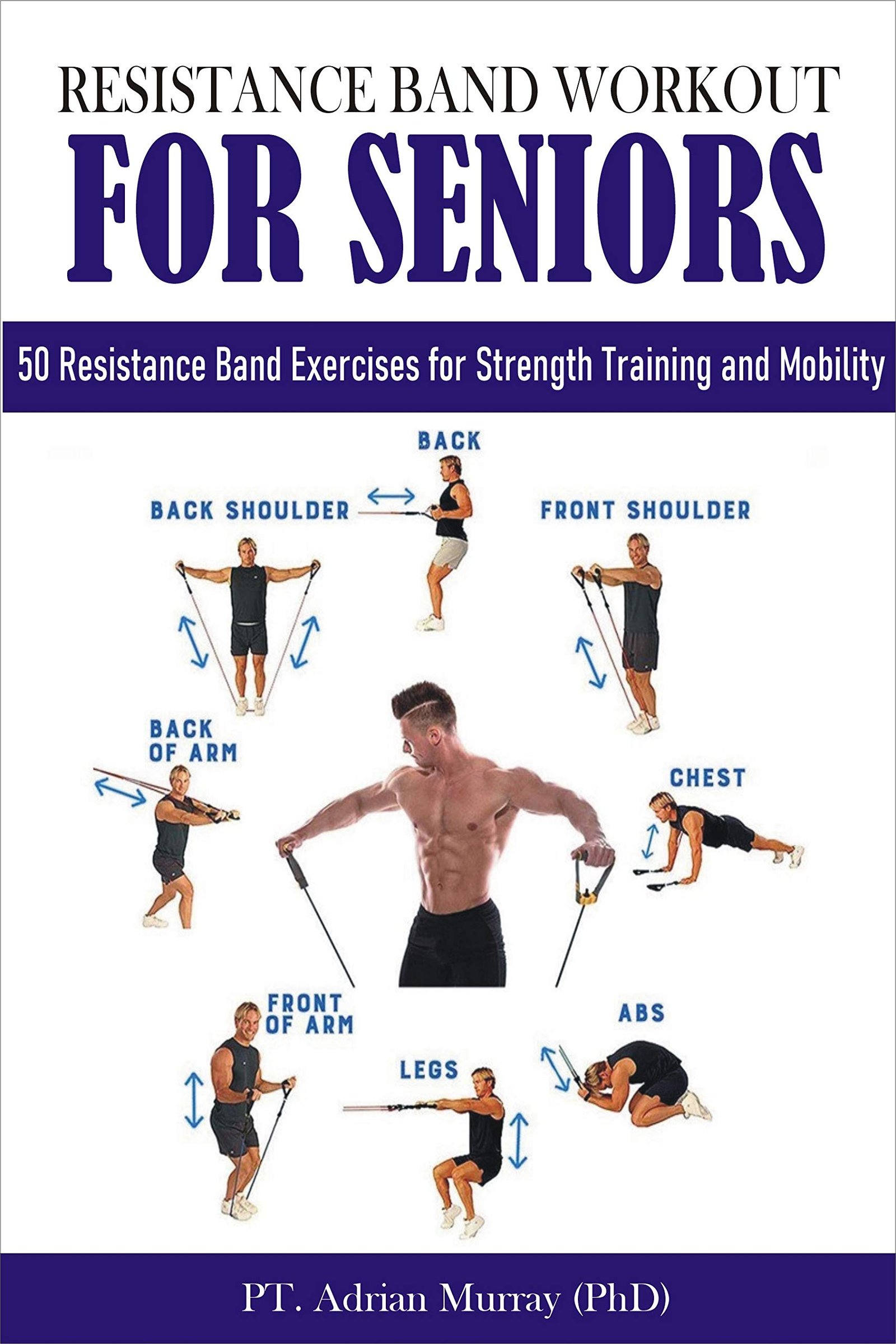
“RESISTANCE BAND WORKOUT FOR SENIORS: 50 …” from www.goodreads.com and used with no modifications.
The goal here isn’t an impressive workout program. The goal is a set of movements that are simple enough to do on a low-motivation day, effective enough to produce real physical and mental results, and gentle enough to not cause injury in someone who may be returning to movement after a period of inactivity. Each of the following exercises meets all three criteria.
1. Band Squats for Lower Body Activation
Place a resistance loop band just above the knees or hold a tube band at shoulder height. Stand with feet shoulder-width apart and squat until thighs are parallel to the floor, keeping the chest tall and knees tracking over toes. Band squats activate the glutes, quadriceps, and hamstrings while the band itself adds lateral tension that engages the gluteus medius — a muscle directly linked to hip stability and lower back health. Three sets of 12 to 15 reps is sufficient to produce a meaningful training stimulus without being overwhelming on a difficult day.
2. Band Rows for Posture and Upper Back Strength
Anchor a resistance tube band at waist height — a door anchor works perfectly — and sit or stand facing the anchor point. With arms extended, pull both handles toward the lower ribcage, driving the elbows back and squeezing the shoulder blades together at the end of the movement. This directly targets the rhomboids and mid-trapezius, the muscles most responsible for counteracting the forward-slumped posture that both depression and desk work produce. For those dealing with seasonal affective disorder, maintaining good posture can be a vital part of managing symptoms.
The psychological benefit of this exercise is worth naming explicitly: pulling the shoulders back and holding them there is a physical rehearsal of confident, open body language. Done consistently, it begins to feel natural — and the brain reads that postural shift as a signal that things are okay. It’s a small thing with a disproportionate effect on internal state. For more on enhancing mental well-being, explore the benefits of omega-3 fatty acids for depression.
3. Band Chest Press for Upper Body Confidence
Anchor the resistance band behind the body at chest height and press forward with both hands until the arms are fully extended, then return slowly. This mimics the bench press pattern without requiring a barbell, spotter, or bench. The chest, anterior deltoids, and triceps are all engaged, and the slow return phase adds eccentric loading that increases muscle activation without requiring heavier resistance. For someone rebuilding physical confidence, feeling the chest and shoulders strengthen over successive weeks is a direct, embodied experience of becoming capable again.
4. Band Overhead Press for Shoulder Stability
Stand on a resistance tube band and hold both handles at shoulder height with palms facing forward. Press both handles overhead until the arms are fully extended, then lower back to the starting position with control. This trains the deltoids, upper trapezius, and triceps while also requiring core stabilization throughout the movement. Shoulder strength and stability have a specific relevance to posture and physical confidence — broad, stable shoulders are a physical manifestation of groundedness that introverts often describe feeling disconnected from during depressive episodes.
5. Band Pull-Aparts for Scapular Health and Breathing
Hold a resistance band in both hands with arms extended straight in front of you at shoulder height. Pull the band apart by moving both hands out to the sides until the band touches your chest, then return slowly. The movement targets the rear deltoids, rhomboids, and external rotators of the shoulder — a group of muscles that almost universally become weak and inactive in people who spend long periods sitting or lying down during depressive episodes. Three sets of 15 to 20 reps, done slowly and deliberately, also naturally encourages deeper diaphragmatic breathing, which directly activates the parasympathetic nervous system and lowers cortisol. It is, without exaggeration, one of the most productive things a depressed introvert can do in under five minutes.
A 10-Minute Resistance Band Routine You Can Start Today
Ten minutes is not a compromise. For someone managing depression, ten minutes of consistent movement done four times a week produces measurably better mental health outcomes than a perfect program that never gets started. The following routine is designed specifically for low-motivation, low-energy days — the days that matter most when building a sustainable habit out of depression. For more on exercises, explore these resistance band exercises that can help improve mental health.
How to Structure the Routine When Motivation Is Low
The most important rule is this: do not negotiate with the low-motivation voice. Set the bands out the night before. When the time comes, commit only to starting — not to finishing. In most cases, beginning the first exercise resolves the internal resistance on its own. The brain responds to action, not intention.
- Band Squats — 12 reps, 2 sets
- Band Rows — 12 reps, 2 sets
- Band Chest Press — 10 reps, 2 sets
- Band Overhead Press — 10 reps, 2 sets
- Band Pull-Aparts — 15 reps, 2 sets
Rest for 30 to 45 seconds between sets. Move at a pace that feels manageable — not rushed, not sluggish. If two sets of everything feels like too much on a particularly hard day, do one set of each exercise. One set done is infinitely more effective than five sets planned and abandoned. For more information on how to incorporate these exercises, check out our guide on resistance band exercises.
When and How Often to Train for Mental Health Benefits
The research points clearly toward three to four sessions per week as the optimal frequency for mental health benefits from resistance training. Fewer than two sessions per week produces minimal neurochemical change. More than five begins to introduce physical fatigue that can worsen mood if recovery is insufficient. Three to four sessions, each lasting ten to twenty minutes, sits in the exact window where consistency is achievable and mental health benefits accumulate meaningfully. Morning sessions have a slight edge for mood regulation because exercise-induced cortisol response in the morning aligns with the body’s natural cortisol curve — but the most important session is whichever one actually happens.
Resistance Bands Alone Won’t Fix Depression — But Here’s What They Do
Depression is a clinical condition. Resistance bands are a tool, not a treatment plan. For moderate to severe depression, professional support — whether therapy, medication, or both — remains essential and should never be replaced by exercise alone. That distinction matters, and it would be dishonest to overstate what a set of bands can do.
What resistance bands genuinely can do is provide a low-friction, private, evidence-backed way to support the biological systems that depression disrupts. They rebuild agency. They interrupt rumination. They improve posture, energy, and sleep quality. They create a daily ritual that belongs entirely to the person doing it — one that costs nothing socially, requires no audience, and produces real, measurable change over time. For introverts specifically, that combination of privacy, autonomy, and physical progress addresses depression from an angle that most conventional fitness advice completely misses. Bands won’t cure depression. But used consistently, they make the work of recovery significantly more possible.
Frequently Asked Questions
These are the questions that come up most often when introverts start exploring resistance band training as a mental health support tool. The answers are kept direct and practical.
Can resistance bands really help with depression?
Yes — resistance bands can genuinely help with depression symptoms when used consistently. The physical act of resistance training, regardless of the equipment used, triggers neurochemical changes including increased serotonin, dopamine, and BDNF (brain-derived neurotrophic factor) that directly improve mood, reduce anxiety, and support neuroplasticity.
The key word is consistently. A single session produces a temporary mood lift. A consistent practice — three to four sessions per week over six to eight weeks — produces structural improvements in how the brain regulates mood. Resistance bands make that consistency achievable for introverts by eliminating the social and logistical barriers that make gym-based training unsustainable.
How often should a depressed introvert use resistance bands to see mental health benefits?
Three to four sessions per week is the evidence-supported sweet spot for mental health benefits from resistance training. This frequency is enough to drive meaningful neurochemical change without creating physical fatigue that could worsen low mood.
If three sessions per week feels too ambitious at first, start with two. Two consistent sessions per week is dramatically better than zero, and consistency over time matters far more than frequency at the outset. The goal in the first two weeks is simply to establish the habit — the body and brain adapt from there. To understand how exercise can benefit mental health, explore how resistance band workouts can help improve mental health.
A realistic progression might look like this:
- Weeks 1–2: Two sessions per week, 10 minutes each — focus purely on habit formation
- Weeks 3–4: Three sessions per week, 10 to 15 minutes each — add one exercise variation
- Weeks 5–8: Three to four sessions per week, 15 to 20 minutes each — begin increasing band resistance
- Week 8 onward: Reassess mood, energy, and posture — most people notice measurable changes by this point
Are resistance bands better than weights for home workouts?
For most introverts managing depression, resistance bands are a more practical starting point than free weights — not because they’re superior equipment, but because they’re more accessible, safer for beginners returning from inactivity, and dramatically cheaper. A complete resistance band set such as the Black Mountain Products Resistance Band Set costs between $30 and $50 and covers every resistance level a beginner to intermediate trainee needs. For more insights on how resistance band workouts can improve mental health, you can explore this article.
Free weights produce excellent results and can be incorporated later as strength and consistency improve. But the initial barrier of purchasing, storing, and safely using dumbbells or barbells adds friction that resistance bands entirely eliminate. When the goal is to build a sustainable habit through a depressive episode, the equipment that gets used consistently wins over the equipment that sits unused in a corner.
What resistance band should a complete beginner start with?
A beginner should start with a light to medium resistance band — typically color-coded yellow or green depending on the brand, offering between 5 and 15 pounds of resistance. The Fit Simplify Resistance Loop Exercise Bands set is a reliable entry point, offering five resistance levels in a single compact package for under $15. For tube-style bands with handles, the Whatafit Resistance Bands Set provides 11-piece sets with stackable resistance up to 150 pounds, which gives room to progress without purchasing new equipment.
The specific band matters less than the principle: start lighter than you think you need to. Depression affects energy and recovery, which means the body is often less physically resilient than it was before the depressive episode began. Starting light protects against injury and ensures the first several sessions feel achievable rather than defeating. For more on how to incorporate these tools into your routine, check out these resistance band exercises.
Can resistance band training replace therapy or medication for depression?
No. Resistance band training is not a replacement for therapy or medication, and framing it that way would be both inaccurate and potentially harmful. Clinical depression — particularly moderate to severe depression — requires professional assessment and treatment. Exercise is a powerful adjunct to that treatment, not a substitute for it.
What the research does support is using resistance training as a complementary strategy alongside professional care. Studies show that patients who combine exercise with therapy or medication tend to experience better outcomes than those who rely on either approach alone. Think of resistance bands as one component of a broader mental health toolkit that might include:
- Cognitive behavioral therapy (CBT) or another evidence-based therapeutic approach
- Medication when prescribed by a qualified mental health professional
- Sleep hygiene practices that support circadian rhythm regulation
- Social connection at whatever level feels sustainable for the individual introvert
- Nutrition habits that support neurochemical balance
- Mindfulness or breathing practices for nervous system regulation
The reason resistance bands deserve a specific place in that toolkit — rather than being a general footnote about “exercise being good for mood” — is that they uniquely suit the specific needs of introverts managing depression. They’re private, low-friction, inexpensive, and effective. That combination is rare in both fitness and mental health tools.
If you’re currently experiencing depression and haven’t yet spoken to a mental health professional, that’s the most important first step. Resistance bands can start working in parallel with that process — there’s no need to wait until you feel better to begin moving. In many cases, beginning to move is part of what helps you feel better.
BestProductsForMen.org participates in affiliate programs, which means we may earn a commission if you click on a link and make a purchase. This comes at no additional cost to you. We only recommend products we personally trust, use, or believe will provide value to our readers.
Our goal is to provide honest, helpful reviews and recommendations so you can make informed decisions.
Leave a Reply