

BestProductsForMen.org participates in affiliate programs, which means we may earn a commission if you click on a link and make a purchase. This comes at no additional cost to you. We only recommend products we personally trust, use, or believe will provide value to our readers.
Our goal is to provide honest, helpful reviews and recommendations so you can make informed decisions.
Article-At-A-Glance
- Cognitive Behavioral Therapy (CBT) is particularly effective for introverted men because it leverages their natural tendencies for introspection and analytical thinking
- The structured, logical approach of CBT aligns perfectly with many introverted men’s preference for clear frameworks over open-ended emotional discussions
- Introverts often excel at the homework components of CBT, as they tend to process information deeply between sessions
- Finding a therapist who understands and respects introverted traits is crucial for successful treatment outcomes
- Digital therapy options have made CBT more accessible for introverted men who may be hesitant about traditional in-person therapeutic settings

Introverted men face unique challenges when seeking mental health support. The thought of opening up to a stranger can seem particularly daunting when you naturally prefer solitude and internal processing. That’s where Cognitive Behavioral Therapy (CBT) comes in – offering a structured approach that works with rather than against introverted tendencies. MindfulMentor’s specialized CBT programs have helped thousands of introverted men transform their thinking patterns without forcing them to become someone they’re not.
For many introverted men, traditional therapy approaches can feel overwhelming, unfocused, or misaligned with how they naturally process information. The beauty of CBT lies in its precise, systematic methodology that respects an introvert’s need for meaningful engagement rather than surface-level conversation.

“Managing Your Mental Health | Holy …” from www.holy-cross.com and used with no modifications.
Why CBT Works Exceptionally Well for Introverted Men
CBT stands apart from other therapeutic approaches because it focuses on the connection between thoughts, feelings, and behaviors rather than requiring extensive disclosure about one’s past or emotions. This evidence-based method is particularly effective for introverted men who may find traditional “talk therapy” draining or uncomfortable.
The structured nature of CBT provides a clear roadmap with concrete objectives and measurable outcomes. Sessions typically involve identifying problematic thought patterns, challenging them with evidence, and developing practical strategies to implement in daily life. This appeals to many introverted men who appreciate having a systematic approach to addressing their mental health.
Additionally, CBT empowers clients to become their own therapists over time. This self-sufficiency resonates deeply with introverted men who value independence and prefer to work through challenges on their own terms, with guidance rather than constant intervention.
- CBT sessions follow a clear agenda with specific goals
- The approach is skills-based and practical rather than abstract
- Progress is trackable through measurable changes in thoughts and behaviors
- Therapy becomes a collaborative partnership rather than a directive process
- The skills learned become self-sustaining tools for long-term mental health
 “Online Resources for Mental Health …” from discoverymood.com and used with no modifications.
Spotlight on Cognitive Behavioral Therapy: Tailored Solutions for Introverted Men
Cognitive Behavioral Therapy, or CBT, is one of the most practical and research-backed approaches for managing anxiety, depression, and persistent overthinking. It focuses on identifying unhelpful thought patterns, understanding how those thoughts affect emotions and behavior, and replacing them with healthier, more realistic responses. For introverted men who tend to internalize stress, replay conversations, or shut down under pressure, CBT works especially well because it is structured, logical, and actionable rather than emotionally overwhelming.
Below are several CBT-aligned mental health programs designed to help men regain calm, clarity, and emotional control at their own pace.
Anxiovita® – First-To-Market Solution for Anxiety Relief
Anxiovita® focuses on calming the nervous system and reducing anxiety symptoms that often show up as racing thoughts, social withdrawal, and chronic tension. This program aligns well with CBT principles by helping users understand anxiety triggers and develop healthier responses instead of avoidance or shutdown. It is designed for people who want relief without feeling pressured to “perform” socially or emotionally.
👉 https://b0b292teufkfx9j8swvjxbwv2g.hop.clickbank.net
Anxiety Disorder Program – Blue Heron Health News
This program takes a holistic approach to anxiety disorders, combining CBT-style mindset shifts with physical and neurological insights. It is especially useful for introverted men who feel anxiety in their body first, such as tightness, fatigue, or sleep disruption, before they can even name the emotion. The focus is on understanding root causes and retraining stress responses over time.
👉 https://b80a35kf-ej754jvqkpd5odm6k.hop.clickbank.net
Destroy Depression™ – Structured Support for Mood and Motivation
Destroy Depression™ is built around practical, step-by-step strategies that mirror CBT techniques used to challenge negative self-talk and emotional numbness. It is a strong option for men who feel stuck, disconnected, or low-energy but do not relate to overly emotional or talk-heavy approaches. The emphasis is on regaining momentum and a sense of control through small, repeatable actions.
👉 https://e57cfwmkphvdv9vbgd69-pca-3.hop.clickbank.net
These programs are not about changing who you are. They are about giving introverted men tools to work with their natural temperament, reduce mental overload, and move through life with more steadiness and confidence.
The Introvert’s Advantage in Cognitive Work
Contrary to common misconceptions, being introverted is not a barrier to effective therapy – it’s actually an advantage in many aspects of CBT. Introverted men tend to have well-developed observational skills and a natural inclination toward self-reflection, both critical components for successful cognitive work.
The thoughtful, deliberate nature of many introverted men allows them to examine their thought patterns with remarkable precision. While extroverts might need to slow down to notice their automatic thoughts, introverts often already possess the inner awareness that CBT seeks to develop. This head start means introverted men can often progress more quickly through certain aspects of treatment, enhancing their confidence through experiences.
Research suggests that introverts typically process information more deeply before responding, a trait that enhances the effectiveness of CBT’s cognitive restructuring exercises. When asked to challenge irrational beliefs or generate alternative perspectives, introverted men frequently produce more nuanced and personally meaningful insights.
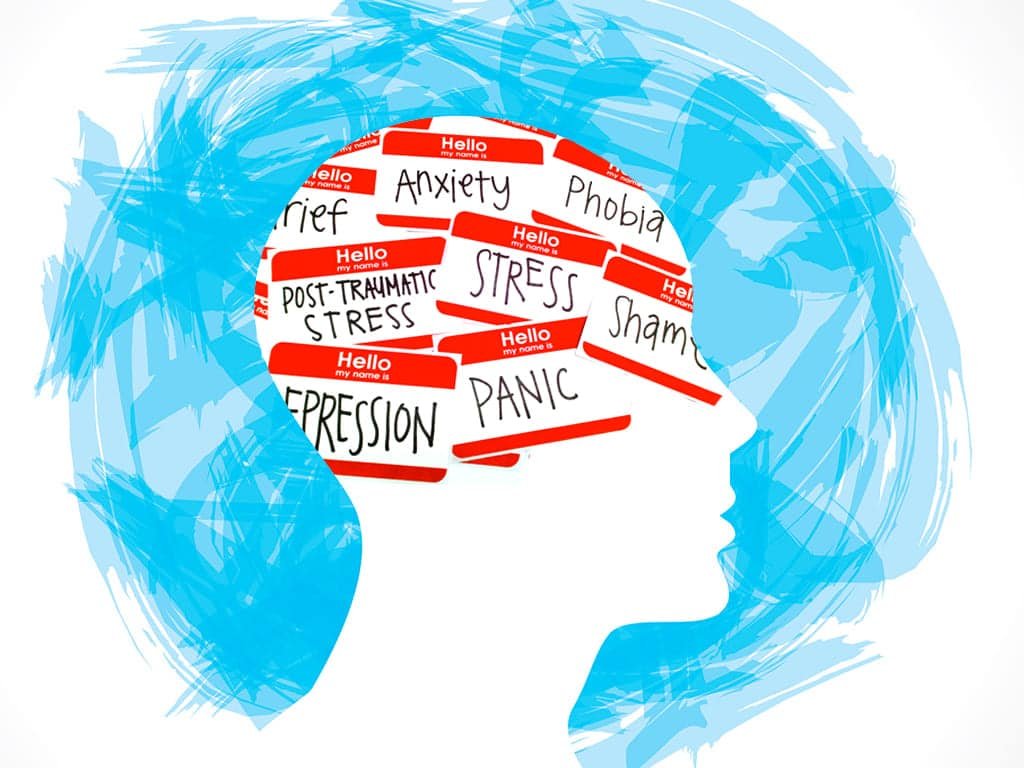
“Behavioral Health vs. Mental Health …” from alldaymedicalcare.com and used with no modifications.
How CBT Respects Natural Thinking Patterns
One of the most significant strengths of CBT for introverted men is how it harmonizes with their natural thinking style. Rather than forcing extroverted communication patterns, CBT works with an introvert’s preference for thoughtful analysis and internal processing. The approach validates that meaningful change often happens during quiet reflection, not just during active discussion.
“I was hesitant about therapy because I didn’t want to talk endlessly about my feelings. CBT was different – it gave me frameworks to understand my thoughts and practical tools to change them. I could do much of the work in my own head, which felt natural to me as an introvert.” – Michael, 34, Software Engineer
The structured thought records and written exercises in CBT provide introverted men with time to process information at their own pace. Unlike therapies that require spontaneous emotional expression, CBT allows for considered responses and written communication, often preferred by those who need time to articulate their thoughts.
Breaking the Stigma: Mental Health Support on Introverts’ Terms

“What Causes Mental Illness? | Neuro …” from neurowellnessspa.com and used with no modifications.
Men in general face significant stigma around seeking mental health support, but introverted men often encounter additional barriers. The perception that therapy requires extensive verbal sharing or emotional vulnerability can make the prospect seem particularly uncomfortable. CBT offers a refreshing alternative that focuses on problem-solving rather than traditional notions of “opening up.”
Many introverted men report appreciating how CBT approaches emotions through the lens of thoughts and behaviors, creating a degree of helpful distance that makes difficult feelings more manageable to address. This cognitive framework provides a language for discussing emotional experiences that feels more accessible and less overwhelming.
The focused, goal-oriented nature of CBT also appeals to men who may be concerned about therapy being an endless process with no clear endpoint. Knowing that CBT typically involves a specific number of sessions with concrete objectives helps overcome hesitation about beginning the therapeutic journey.
5 Ways Introversion Actually Enhances Therapy Outcomes

“Extraversion and introversion – Wikipedia” from en.wikipedia.org and used with no modifications.
Research increasingly shows that introverted personality traits can positively impact therapeutic outcomes when properly leveraged. While society often emphasizes extroverted qualities, the natural tendencies of introverted men create unique advantages in the therapeutic process that can accelerate healing and growth.
1. Deeper Self-Reflection Capabilities
Introverted men typically spend more time in self-reflection than their extroverted counterparts, creating a foundation of self-awareness that gives therapy a head start. This introspective tendency means they often arrive at sessions having already considered their emotional responses, thought patterns, and behavioral triggers in substantial depth. For those seeking additional support, exploring top mental health apps can be beneficial in enhancing their journey of self-discovery.
The internal dialogue many introverted men maintain serves as excellent preparation for the cognitive restructuring work central to CBT. When a therapist asks an introverted client to identify automatic thoughts, the answer is frequently more accessible and nuanced than it might be for someone less accustomed to monitoring their internal landscape.
2. Natural Analytical Thinking

“Analytical Thinking: Why You Need It …” from blog.udemy.com and used with no modifications.
Many introverted men possess a natural inclination toward analytical thinking that aligns perfectly with CBT’s logical approach to emotional problems. The ability to step back and objectively examine one’s thoughts—treating them as hypotheses rather than facts—is a skill that often comes more naturally to those with introverted temperaments.
This analytical mindset helps introverted men excel at identifying cognitive distortions like catastrophizing, black-and-white thinking, or mind-reading. They can frequently track complex thought patterns and recognize subtle connections between thoughts, feelings, and behaviors with remarkable clarity once given the conceptual framework.
3. Preference for Meaningful One-on-One Interaction
While introverted men may avoid large social gatherings, many thrive in deep, one-on-one conversations—exactly the format therapy provides. The therapeutic relationship often feels more comfortable and authentic than casual social interactions because it has clear purpose, structure, and depth. This preference for meaningful individual connection creates an ideal environment for therapeutic trust to develop.
The defined parameters of the therapeutic relationship—with its professional boundaries, clear purpose, and focused attention—often feel safer and more navigable than unpredictable social settings. Many introverted men report feeling more comfortable opening up in therapy than in everyday social interactions precisely because of this structure.
4. Thoughtful Processing Between Sessions
The time between therapy sessions is critical for integration and application of new insights. Introverted men typically excel at this between-session processing, continuing to reflect on therapeutic discussions long after they’ve ended. This extended mental processing allows concepts introduced in therapy to be more thoroughly integrated into their understanding and worldview. For those looking to enhance this reflective process, exploring top mental health apps can provide additional tools and resources to aid in personal growth.
Unlike clients who might leave their therapeutic work entirely in the therapy room, introverted men often naturally continue the cognitive work throughout their week. They may revisit conversations, refine their understanding of concepts, and test applications in various scenarios—all valuable extensions of the formal therapy process that happen organically.
5. Comfort with Written Exercises and Homework
CBT’s emphasis on written homework assignments plays directly to the strengths of many introverted men. Where extroverts might prefer talking through issues spontaneously, introverts often appreciate the opportunity to process their thoughts in writing, without time pressure or the need for immediate verbal expression. Thought records, behavioral experiments, and journaling exercises typically receive thorough attention and thoughtful completion.
The written format allows for precision in expression and the ability to revise and refine ideas before sharing them—an approach that typically appeals to introverted men who prefer to organize their thoughts before presenting them. This comfort with written reflection enhances the effectiveness of key CBT tools that rely on documented self-observation.
Core CBT Techniques Adapted for Introverted Men
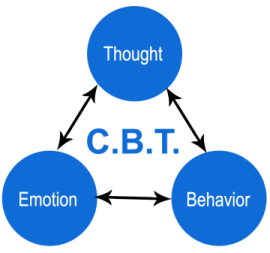
“cognitive-behavioral therapy (CBT …” from www.northeastpsychological.com and used with no modifications.
While the fundamental principles of CBT remain consistent across clients, certain adaptations can make the approach especially effective for introverted men. These modifications honor introverted preferences while maintaining the evidence-based core of the treatment. For those seeking to build confidence, exploring confidence-building strategies can complement CBT techniques effectively.
Thought Records: Turning Overthinking into a Superpower
Introverted men often struggle with overthinking, but CBT cleverly transforms this tendency from a liability into an asset through structured thought records. These systematic logs prompt clients to identify triggering situations, automatic thoughts, emotional responses, and supporting evidence before generating balanced alternative perspectives. For introverts who already spend significant time analyzing their thoughts, this process provides a productive channel for that energy.
The key adaptation for introverted men involves expanding the standard thought record to capture the rich complexity of their internal experience. Adding columns for underlying assumptions, core beliefs, and physical sensations creates a comprehensive framework that honors the depth of their thinking while bringing greater organization to it. This detailed approach satisfies an introvert’s desire for thorough analysis while preventing the circular rumination that can otherwise occur.
Behavioral Activation Without Social Overwhelm
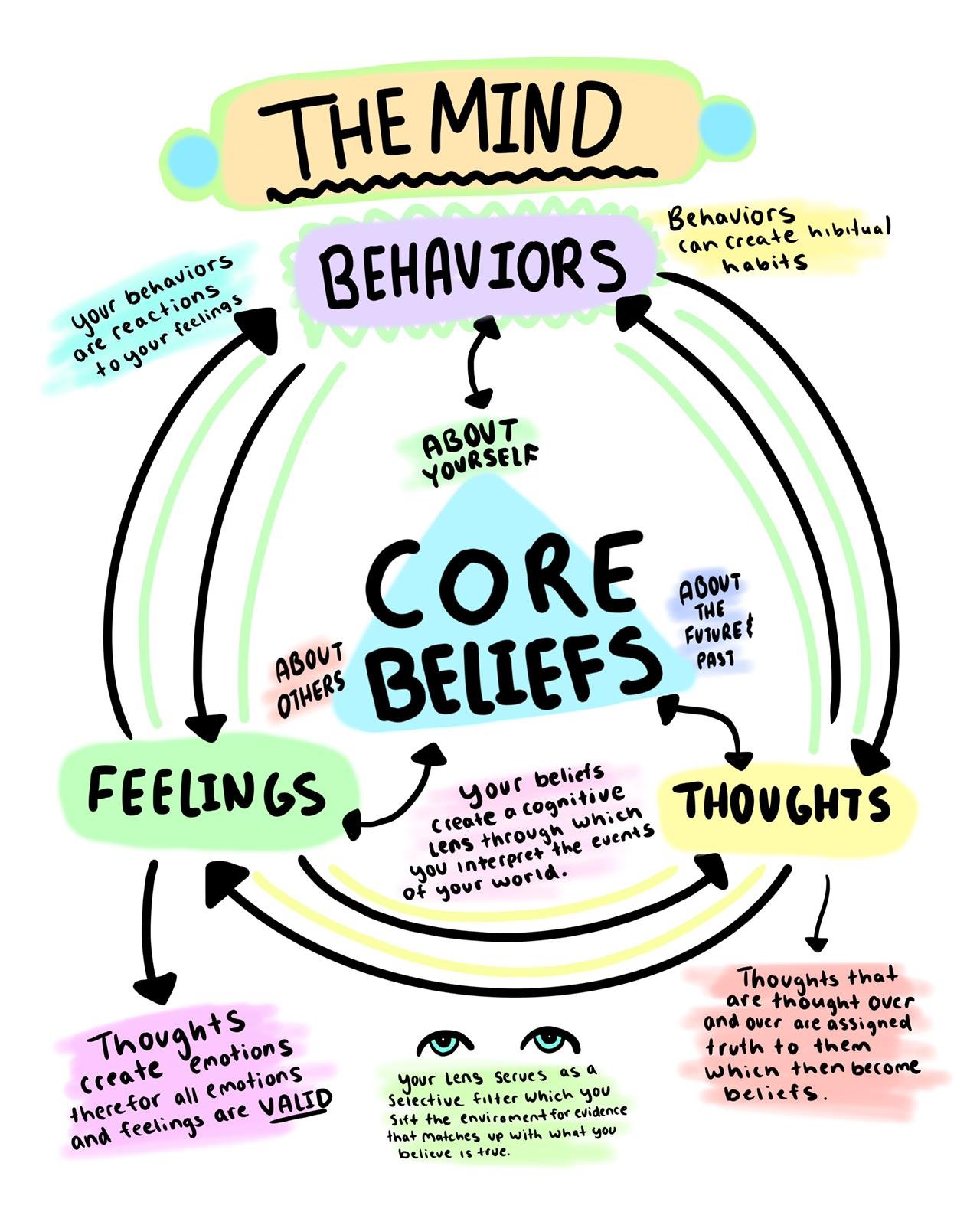
“Cognitive Behavioural Therapy (CBT …” from eloraphysiotherapy.com and used with no modifications.
Behavioral activation—a cornerstone of CBT that encourages engagement in rewarding activities—requires thoughtful modification for introverted men. Rather than prescribing traditionally social behavioral assignments, effective therapists work with introverted clients to identify meaningful activities that provide energy rather than depleting it. This might include solitary creative pursuits, individual outdoor activities, or limited social engagements with trusted individuals.
Success lies in balancing necessary social exposure with respect for legitimate introvert needs. A graduated approach might begin with low-intensity social activities (meeting one friend for coffee) before progressing to more challenging scenarios (attending a small gathering). The focus remains on breaking cycles of isolation without forcing extroverted ideals, recognizing that introverted men need different types and amounts of social interaction for optimal mental health.
Worry Time: Structured Approach for Rumination Control
The “worry time” technique offers introverted men a powerful method for containing the rumination that often accompanies their deep thinking style. This approach involves setting aside a specific 15-30 minute period each day dedicated exclusively to worrying, while consciously postponing anxious thoughts that arise outside this window. For introspective individuals who struggle with persistent worry cycles, this structured containment provides relief without denying their need to process concerns thoroughly.
Finding the Right Therapeutic Environment

“Therapeutic Environment …” from www.youtube.com and used with no modifications.
The success of CBT for introverted men depends significantly on finding a therapeutic setting that respects their temperament and communication style. The right environment feels safe for vulnerability without demanding performative extroversion or unnecessary social energy expenditure. This includes considerations about the therapist’s interpersonal approach, the physical or virtual space where therapy occurs, and the overall structure of the therapeutic relationship. For those seeking additional support, exploring top mental health apps can also be beneficial.
Overcoming Common Obstacles in the CBT Journey
The path through cognitive behavioral therapy isn’t always linear, especially for introverted men who may face specific challenges in the therapeutic process. Acknowledging these potential roadblocks upfront can help normalize the experience and prepare you to navigate them effectively when they arise. Remember that obstacles in therapy aren’t signs of failure—they’re opportunities for deeper learning and growth.
Many introverted men find that their greatest strengths in CBT can occasionally become stumbling blocks. The same analytical mind that excels at identifying thought patterns may sometimes over-analyze the therapy process itself. The preference for internal processing that enhances homework completion might sometimes lead to getting stuck in your head rather than implementing behavioral changes. Understanding these potential pitfalls helps you work with your therapist to address them proactively.
When Progress Feels Slow

“Men, But Not Women, Experience These …” from healthnewshub.org and used with no modifications.
For introspective men accustomed to deep thinking, the incremental nature of CBT progress can sometimes feel frustratingly gradual. You might find yourself analyzing your improvement with the same critical eye you turn toward everything else, wondering why change isn’t happening faster or more dramatically. This perception of slow progress often results from having a keen awareness of your thought patterns and noticing subtle negative thoughts that others might miss entirely. For additional support, consider exploring top mental health apps that offer tools and resources to track and manage your progress.
It’s helpful to establish concrete markers of progress with your therapist that go beyond subjective feelings. Tracking specific metrics—like the frequency of panic attacks, hours of sleep, or instances of successfully challenging negative thoughts—provides objective evidence of change that might otherwise be overlooked. Many therapists recommend keeping a progress journal specifically for noting improvements, no matter how small, to counter the common tendency to minimize positive changes while amplifying setbacks.
Handling Homework Resistance
Despite the natural fit between introverted temperaments and written homework, resistance to completing assignments between sessions can still emerge. This reluctance often stems from perfectionism (wanting to complete exercises “just right”), avoidance of difficult emotions that arise during the work, or simply feeling overwhelmed by adding another task to an already busy life. Acknowledging these barriers honestly with your therapist allows for adaptations that make homework more manageable without sacrificing its therapeutic benefit.
Managing Social Anxiety Within Treatment
Many introverted men seeking CBT also struggle with some degree of social anxiety, which can complicate the therapeutic relationship itself. You might find yourself overthinking your responses in session, worrying about how the therapist perceives you, or feeling pressure to demonstrate progress to avoid disappointing them. These concerns can sometimes interfere with authentic engagement in the therapeutic process or lead to withholding important information out of embarrassment or fear of judgment.
Dealing With Perfectionism in Therapy Work

“Men’s Issues and Therapy Techniques” from www.firstsession.com and used with no modifications.
Perfectionism frequently accompanies the thoughtful, detail-oriented nature of many introverted men, creating a particular challenge in therapy. The desire to implement CBT techniques flawlessly, provide the “right” answers in sessions, or achieve rapid, complete symptom resolution can create unnecessary pressure. This perfectionism paradoxically impedes progress by fostering discouragement when the inevitably messy reality of psychological growth doesn’t match idealized expectations. Effective CBT for introverted men often includes specific interventions targeting perfectionistic standards about the therapy process itself.
Moving Forward: Life After CBT
As formal CBT sessions conclude, introverted men typically find themselves well-equipped to continue applying the principles independently. The self-directed nature of CBT aligns perfectly with introverted preferences for autonomy and self-reliance, making the transition from therapy to self-management often smoother than with other therapeutic approaches. The skills developed—identifying cognitive distortions, gathering evidence, generating balanced thoughts, and conducting behavioral experiments—become lifelong tools that can be applied to future challenges.
Many men find that incorporating regular “mental maintenance” practices helps sustain progress and prevent relapse. This might include scheduling periodic thought record exercises, conducting monthly personal therapy reviews, or maintaining a gratitude journal that counters negative bias. The key is finding sustainable practices that fit naturally into your life rather than feeling like burdensome obligations. For introverted men who value depth over breadth in their activities, quality of practice typically matters more than quantity. For more insights, explore effective therapy types for men dealing with stress and anxiety.
Frequently Asked Questions

“Young happy man on a white background …” from depositphotos.com and used with no modifications.
Introverted men considering CBT often share common questions and concerns about the therapeutic process. Addressing these uncertainties can help reduce hesitation about beginning treatment and set realistic expectations for the journey ahead. While individual experiences vary, these responses reflect the typical experience of introverted men in cognitive behavioral therapy.
Remember that questions about therapy are signs of thoughtful engagement, not weakness or resistance. Most therapists welcome inquiries about their approach and are happy to discuss how they might adapt their methods to suit your specific needs and preferences as an introverted man.
How long does CBT typically take to show results for introverted men?
Most introverted men begin noticing subtle shifts in their thinking patterns within the first 3-4 sessions as they learn to identify automatic thoughts and cognitive distortions. More significant behavioral changes and mood improvements typically emerge within 8-12 sessions, though this timeline varies based on the severity of symptoms and complexity of the issues being addressed. The thoughtful, introspective nature of many introverted men often accelerates certain aspects of treatment, particularly those involving insight and cognitive restructuring.
Complete symptom resolution isn’t always the most appropriate goal; many men find that managing their symptoms effectively and reducing their interference with daily life represents a more realistic and sustainable outcome. A typical course of CBT ranges from 12-20 sessions, though some benefit from shorter or longer treatment depending on their specific situation. For those seeking additional resources, exploring top mental health apps can provide supplementary support and tools.
Can I do CBT completely online or through apps?
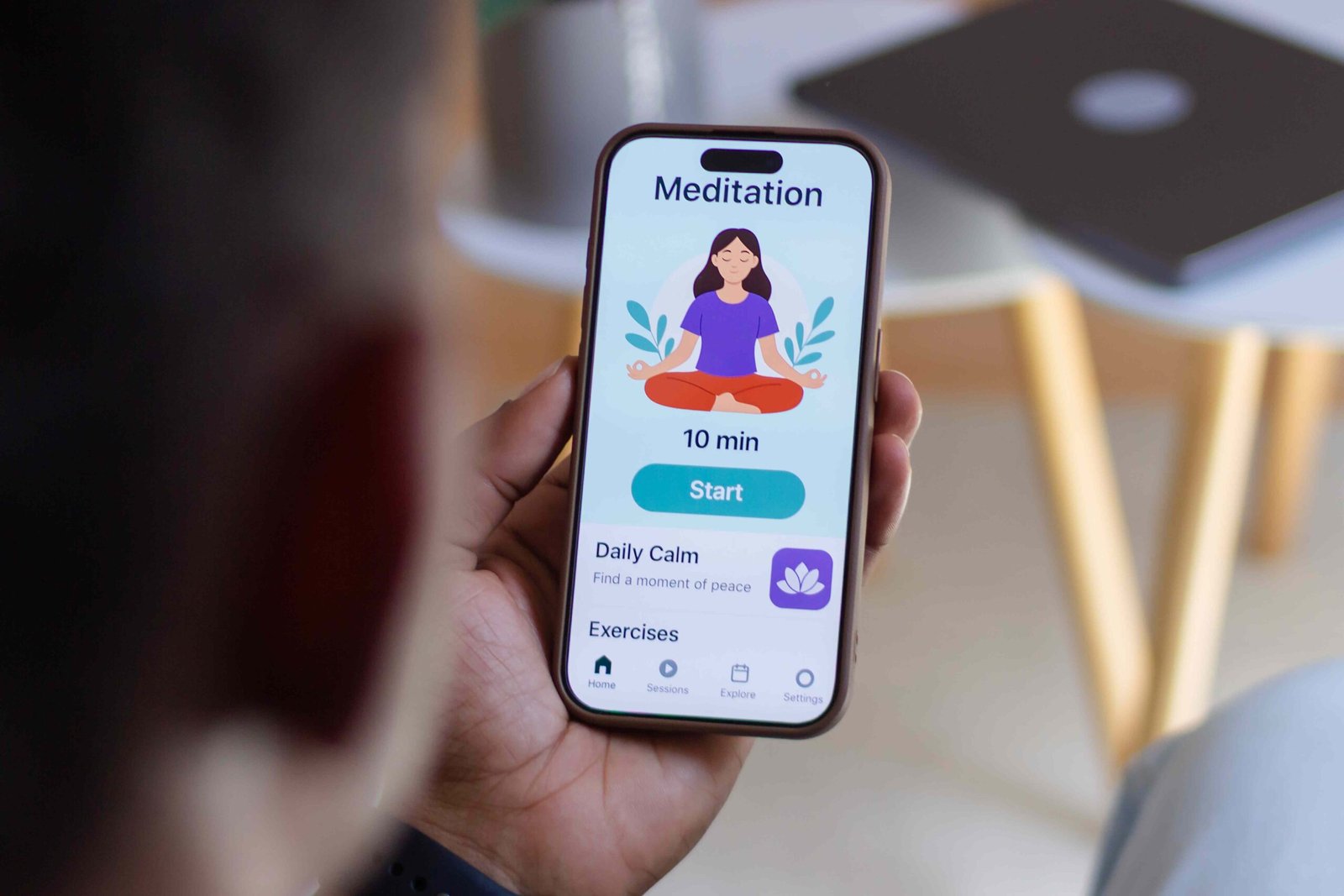
“6 Mental Health Apps You’ll Want to Try …” from www.verywellmind.com and used with no modifications.
Digital CBT options have expanded dramatically in recent years, with research supporting their effectiveness for many conditions. For introverted men who prefer digital communication or feel uncomfortable with the interpersonal intensity of face-to-face therapy, online platforms offer a valuable entry point to treatment. Options range from therapist-led video sessions (most similar to traditional therapy) to self-guided apps that teach CBT principles through interactive exercises. Many men find that a combination approach—perhaps using digital tools between sessions with a therapist—provides the ideal balance of support and independence.
Will CBT try to change my introverted personality?
Effective CBT honors introversion as a valid temperament rather than treating it as a problem to be solved. The goal is never to transform introverts into extroverts, but rather to address specific thought patterns and behaviors that cause distress while respecting and often leveraging introverted strengths. A qualified therapist understands the difference between social anxiety (which can be effectively treated) and introversion (which is a stable personality trait that offers many advantages). If you encounter a therapist who pathologizes your introverted nature or pressures you toward extroverted behaviors without respect for your temperament, consider seeking a more knowledgeable provider.
How do I explain to family members why I need therapy?
Discussing your decision to pursue therapy with family members can be challenging, particularly in cultures or families where mental health treatment carries stigma. Many men find success with straightforward, normalized language that frames therapy as a practical tool rather than a sign of weakness. Comparing CBT to working with a personal trainer for mental fitness or developing specific skills can make the concept more accessible to those who might not understand psychological treatment.
It’s also important to remember that you control how much information to share about your therapy. While support from loved ones can be valuable, your mental health journey is personal, and you’re entitled to privacy around the details of your treatment. Some men choose to share their decision to pursue therapy only after they’ve begun seeing benefits, when they feel more confident explaining their experience.
When explaining to those who may be skeptical, focusing on the evidence-based, structured nature of CBT often helps. You might explain that it’s a well-researched approach with measurable outcomes rather than an endless process of abstract discussion.
Is CBT covered by insurance, and how do I check?
Most insurance plans provide some coverage for CBT, as it’s considered an evidence-based treatment with substantial research supporting its effectiveness. Coverage details vary significantly between providers and specific plans, including aspects like deductibles, copayments, session limits, and whether you need a referral from a primary care physician. The simplest approach is to contact your insurance company directly and ask about behavioral health coverage specifically for cognitive behavioral therapy with a licensed provider.
When contacting your insurance company, these questions can help clarify your coverage: Consider exploring top mental health apps for additional support.
- Does my plan cover outpatient mental health services, specifically cognitive behavioral therapy?
- Do I need a referral from my primary care physician for therapy to be covered?
- What is my copay or coinsurance amount for mental health services?
- Is there a limit to how many therapy sessions are covered annually?
- Do I need to see an in-network provider, or is there out-of-network coverage?
If traditional insurance coverage isn’t available or sufficient, many therapists offer sliding scale fees based on income, and some community mental health centers provide low-cost services. Online therapy platforms typically offer subscription models that may be more affordable than traditional weekly sessions, though they might not accept insurance.
The investment in effective therapy often pays dividends in improved work performance, reduced medical costs from stress-related conditions, and enhanced quality of life—considerations worth weighing when evaluating the financial aspects of treatment. For many introverted men, the return to their natural state of thoughtful calm and clear thinking proves invaluable.
MindfulMentor’s specialized programs for introverted men combine evidence-based CBT techniques with deep respect for introverted thinking styles. Our approach never attempts to “fix” introversion, but rather helps you leverage your natural strengths while addressing specific challenges that might be holding you back from living your fullest life.
BestProductsForMen.org participates in affiliate programs, which means we may earn a commission if you click on a link and make a purchase. This comes at no additional cost to you. We only recommend products we personally trust, use, or believe will provide value to our readers.
Our goal is to provide honest, helpful reviews and recommendations so you can make informed decisions.
Leave a Reply